
In 2020, while the Covid 19 pandemic raged all over the world, Dr. Grace Nono, ethnomusicologist, music artist, author, and founding head of the Tao Foundation for Culture and Arts, received a series of dreams that she understood were reminders for her to attend to the land that her parents had left her and her offspring with, but that she had not devoted time and energy to. She brainstormed with her closest family members especially her first cousin Dr. Emmanuel Fortun Nono who suggested that they transform the land into an Eco Park to contribute to social and environmental good. This direction is in line with the values of Dr. Grace Nono’s late father Igmedio who promoted organic farming and championed farmers’ rights, her late mother who was a lifelong educator, Dr. Nono, herself, who is a cultural worker and environmentalist- artist-scholar, and her daughter who is involved in food and social justice work. The Eco, Agri, and Heritage Park is called Alima, a Cebuano-Visayan verb that means “to nourish,” to sustain,” to nurse,” “to heal,” “to foster.” What cares, and what is cared for, are both humans and the earth.
Development these last three years has focused on establishing the ecological and regenerative agricultural aspects of Alima. No chemicals and pesticides are used on the land, and no commercial feeds served to the fish and other animals. Most seeds and varieties planted are native and/or non-GMO, and chemical/pesticide-free to help optimize the produce’s heath benefits.
Inspired by the framework ancestral domains, Alima is being developed with the following components:
1. Kakahuyan (Tree Areas)
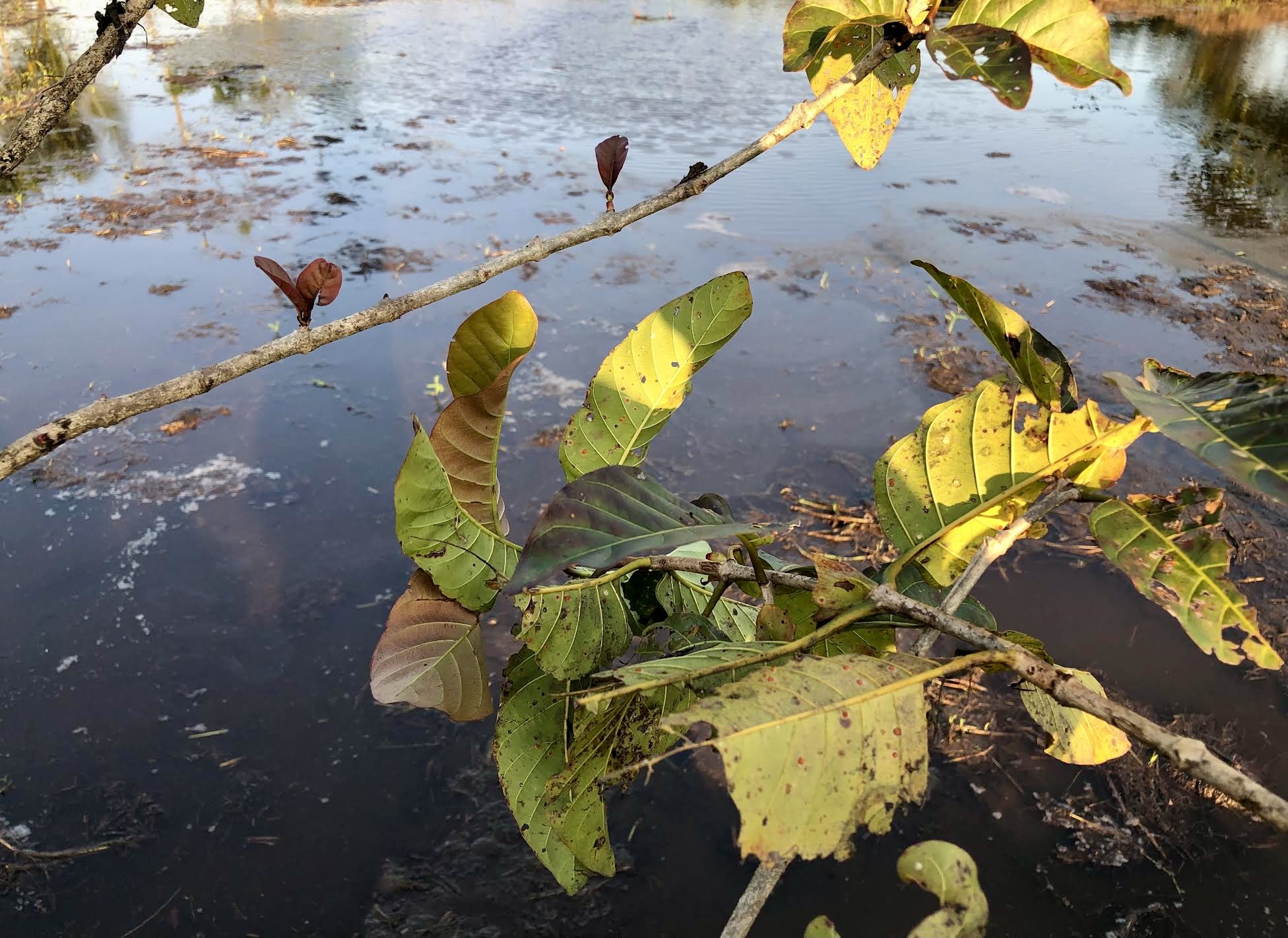
where indigenous tree species, a number of them medicinal, are grown and propagated to help replenish what had been lost through decades of deforestation and human-centric development.

2. Katubigan (Water Areas)
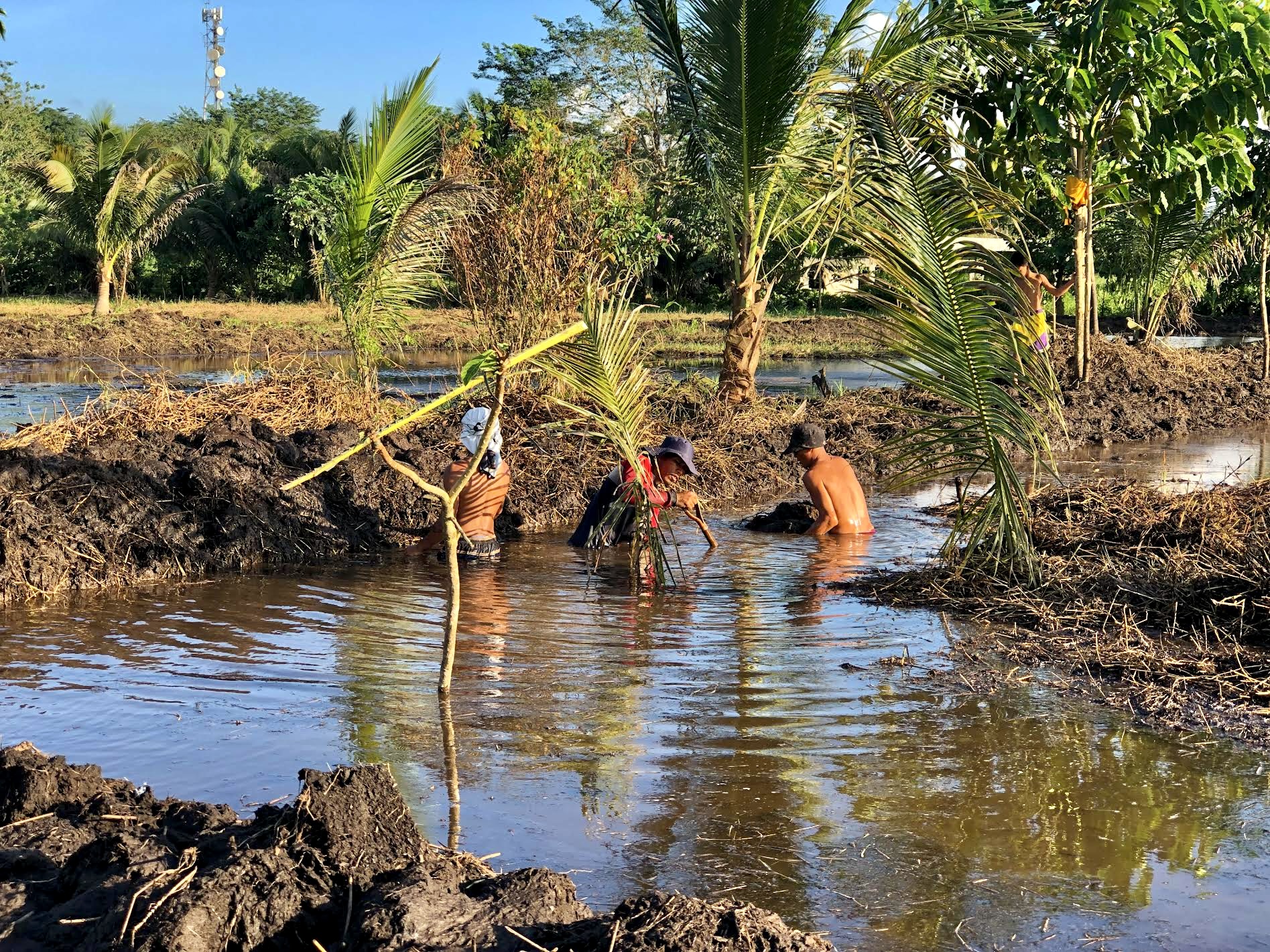
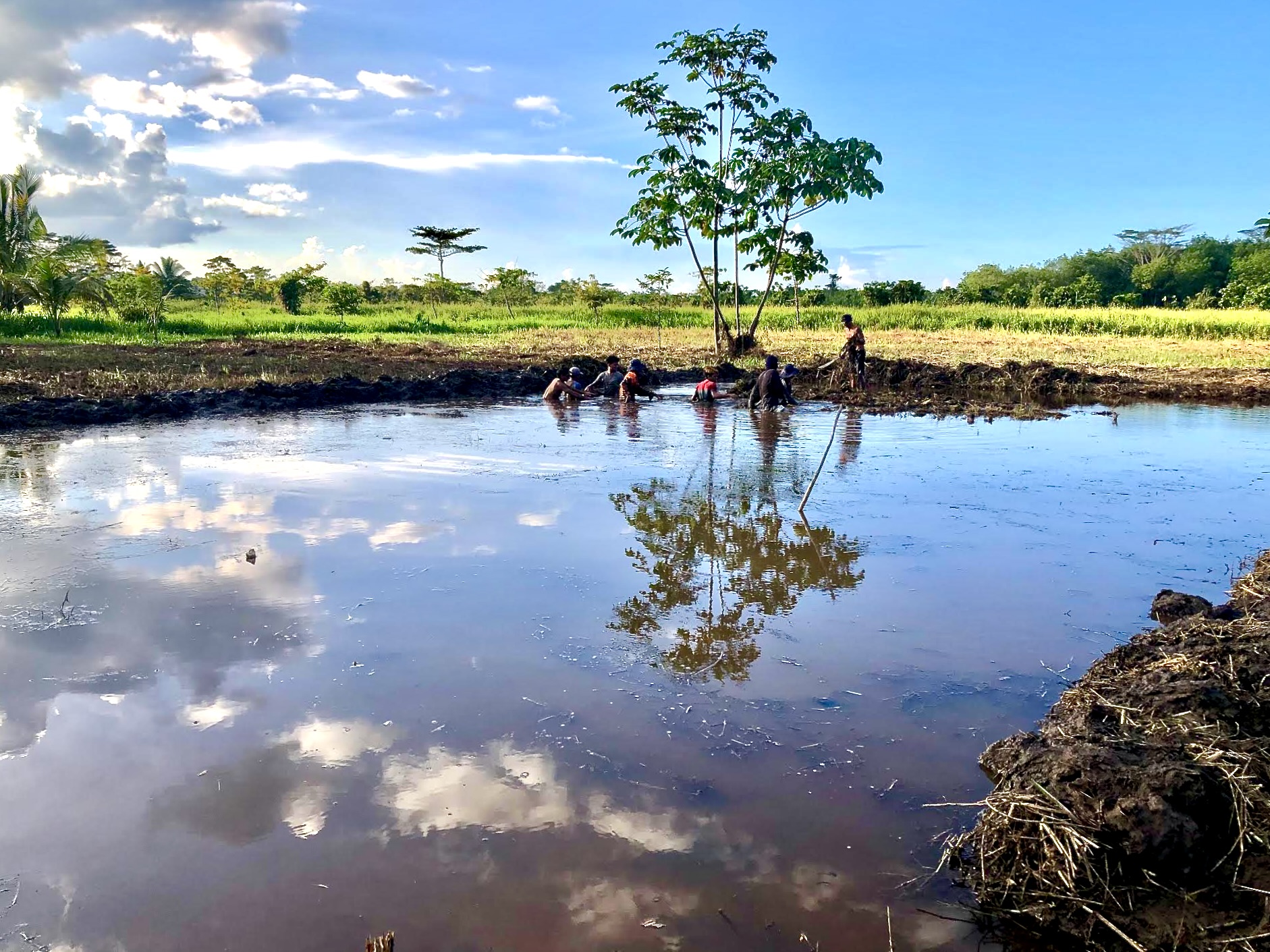
where waters that are part of an increasingly challenged greater wetlands of southern Agusan are maintained to help bring back biodiversity
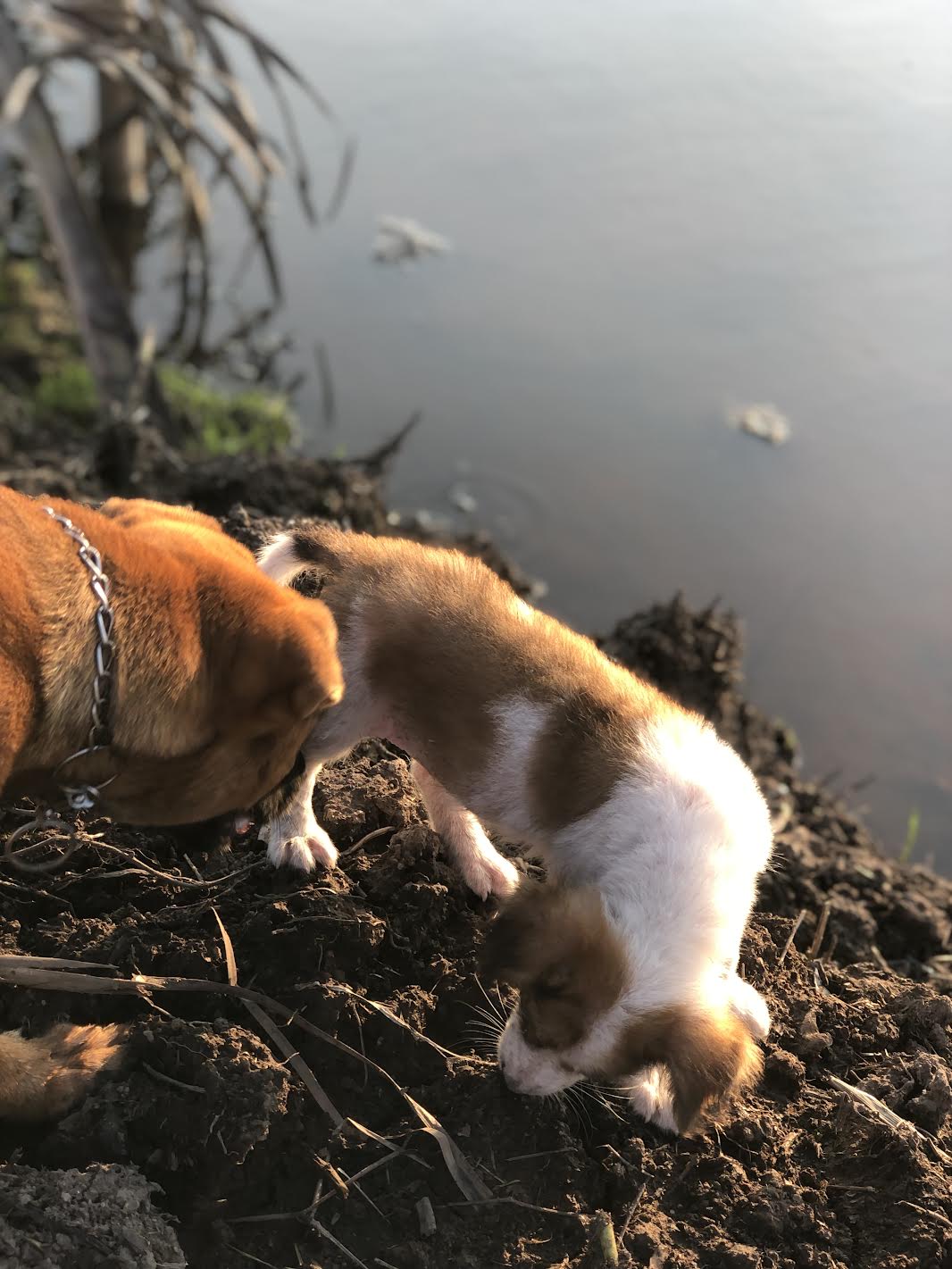
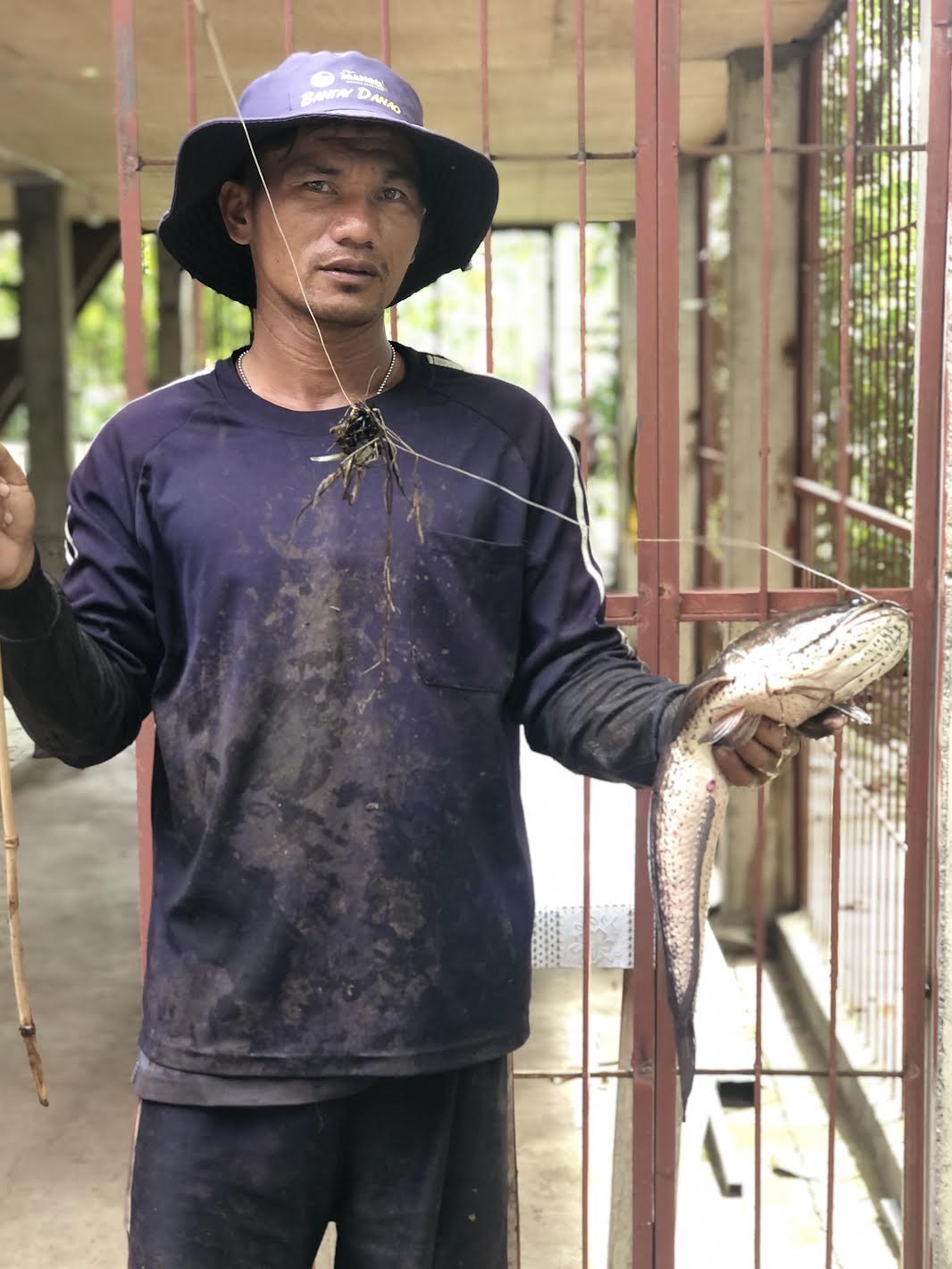
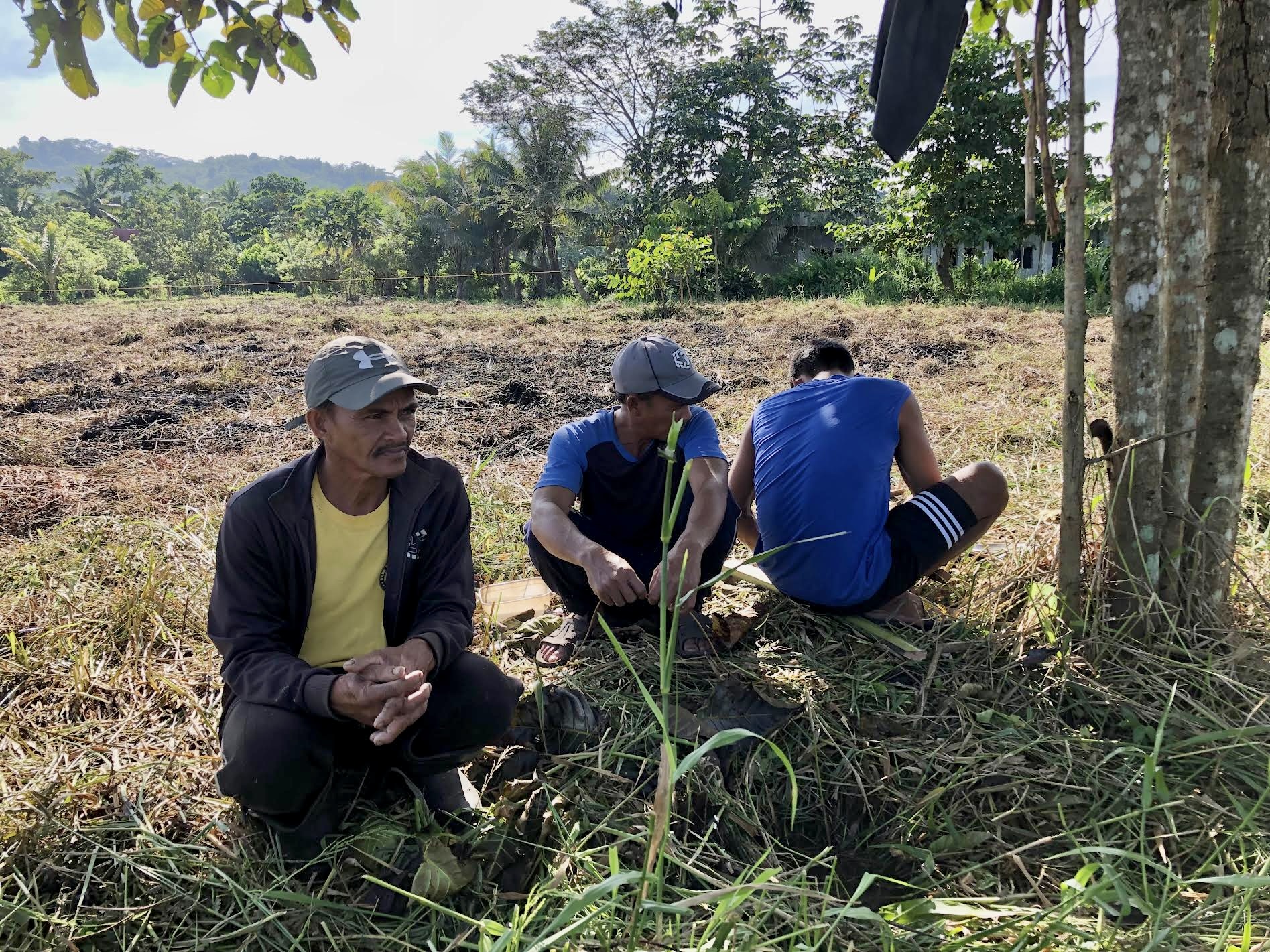
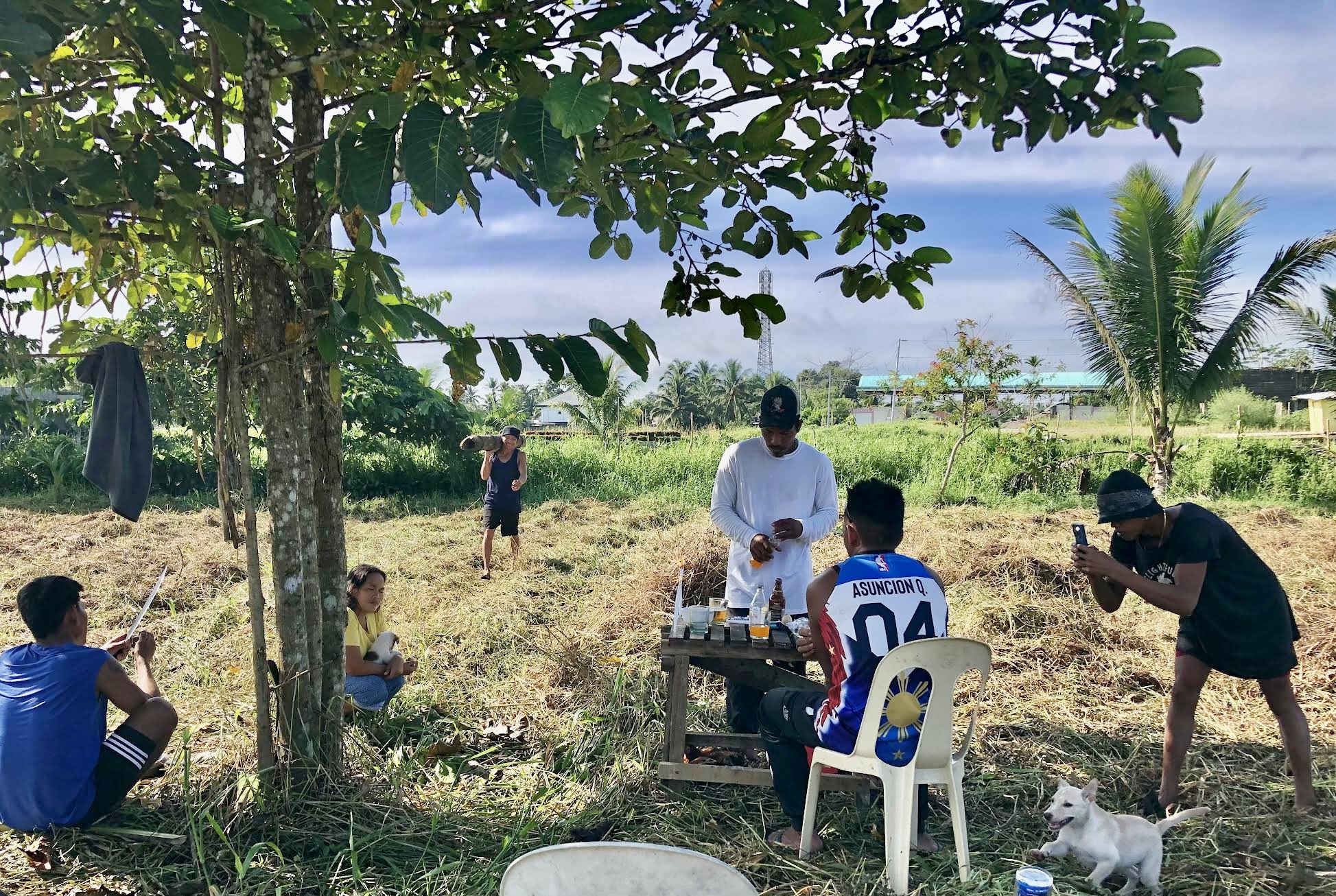
These are ponds developed by Datu Kanimbaylan and his team from the Agusan Marsh Wildlife Sanctuary. After resurfacing the waters, haw-an (mudfish), pantat (catfish), and some other freshwater species have been found in them. Birds like the antalabon (great white egrets), tugak (purple herons), and kagingking (brown wild ducks) have also been attracted to the waters and have been seen hanging out nearby.




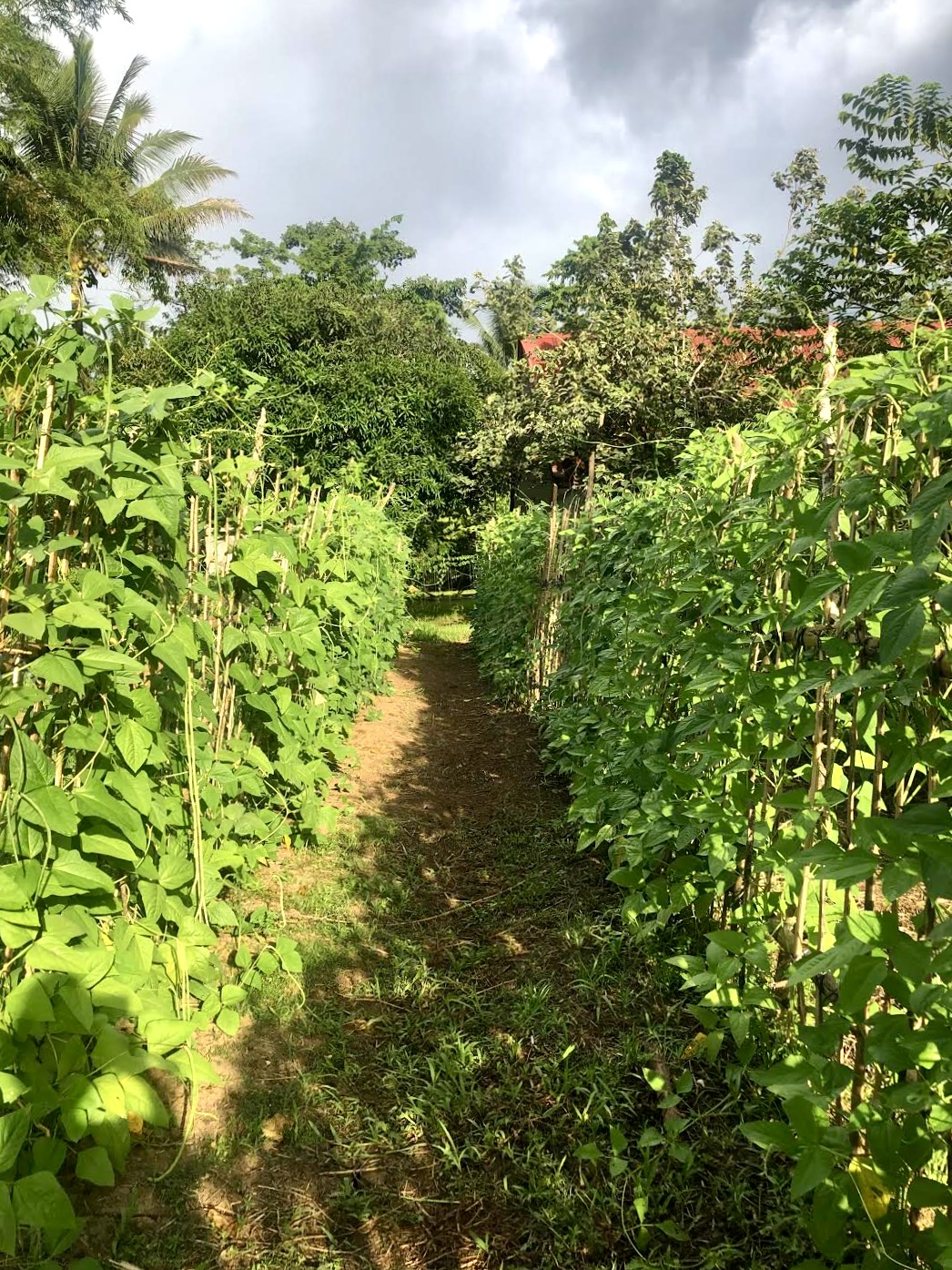
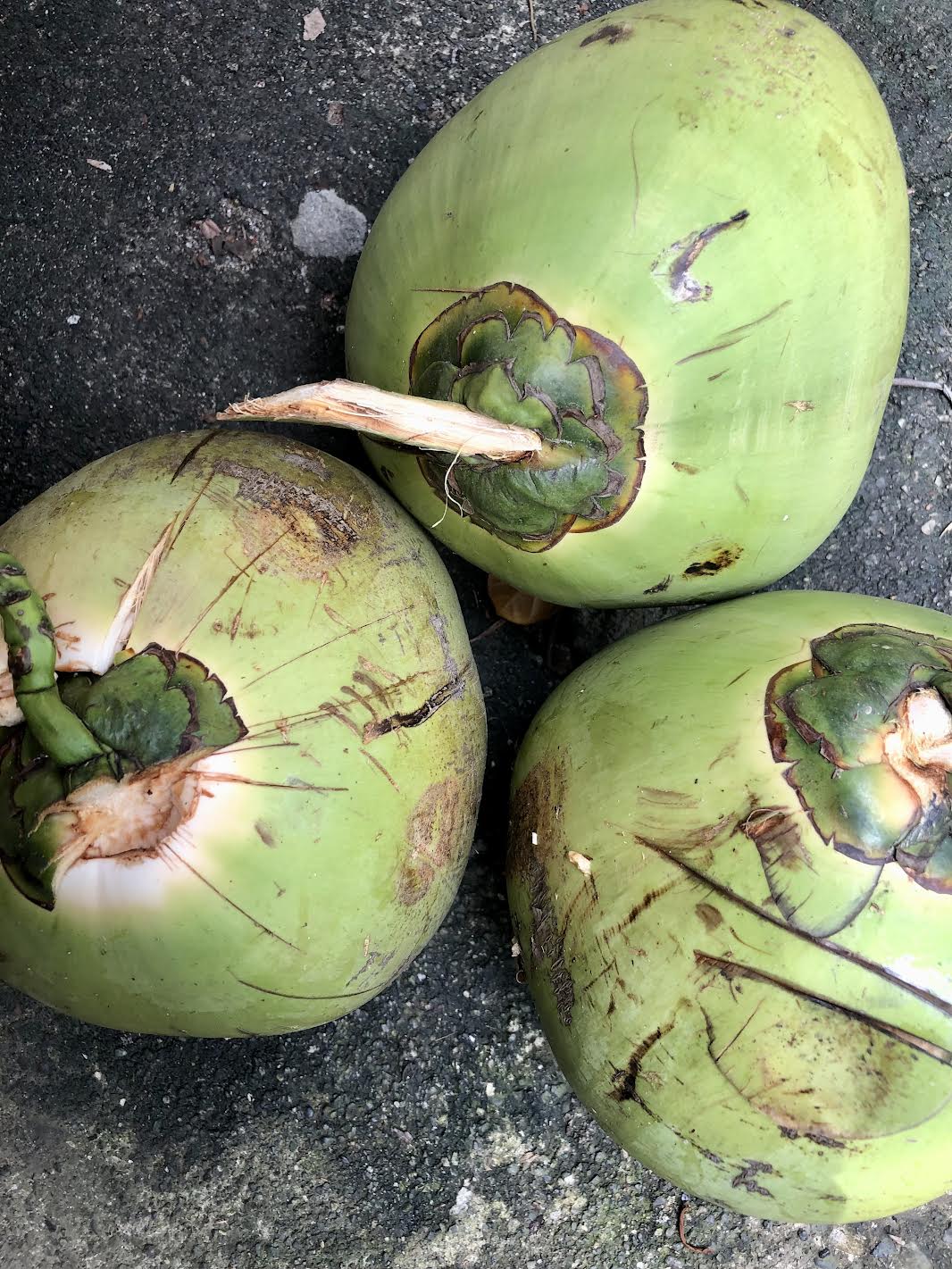
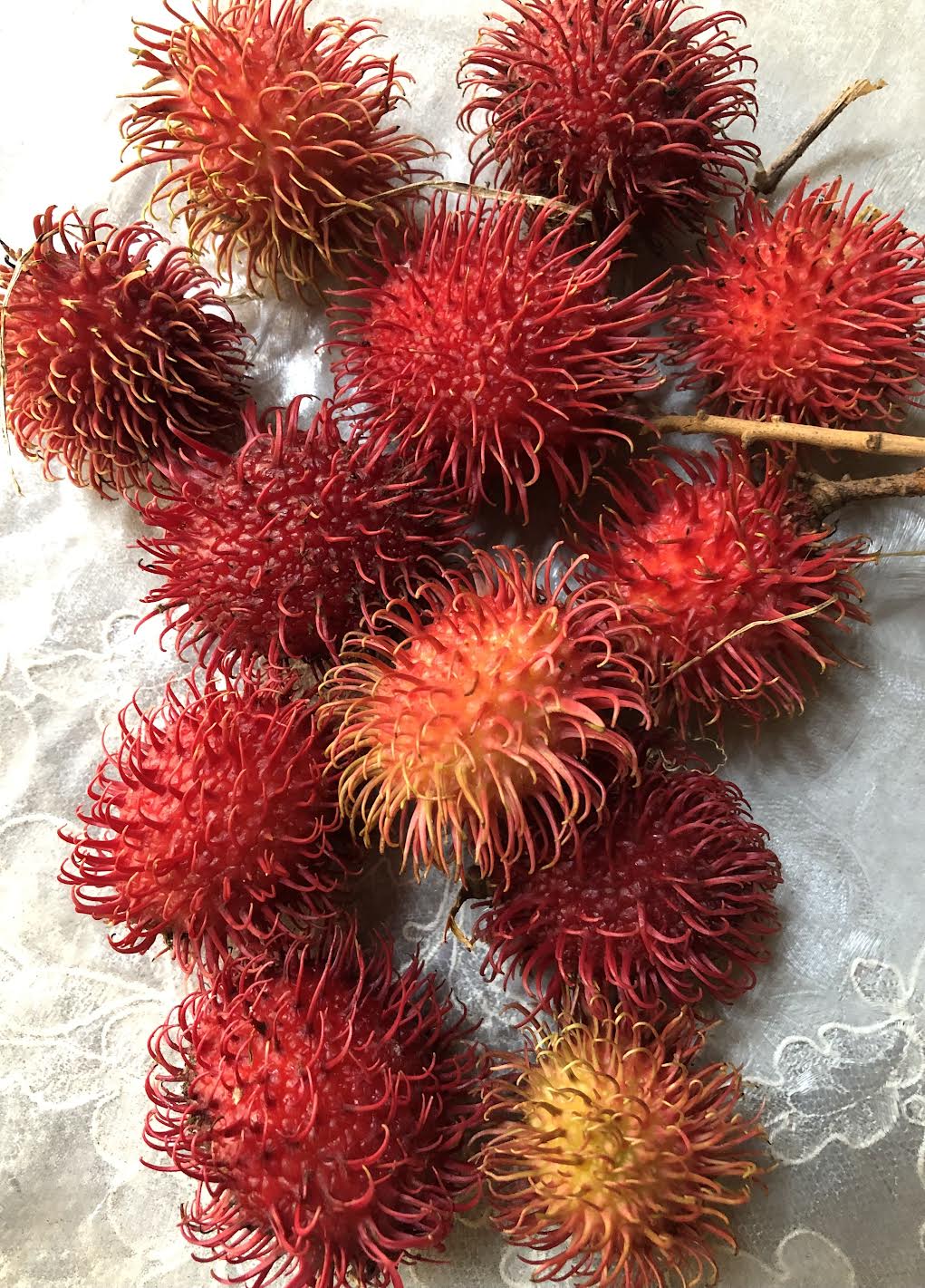
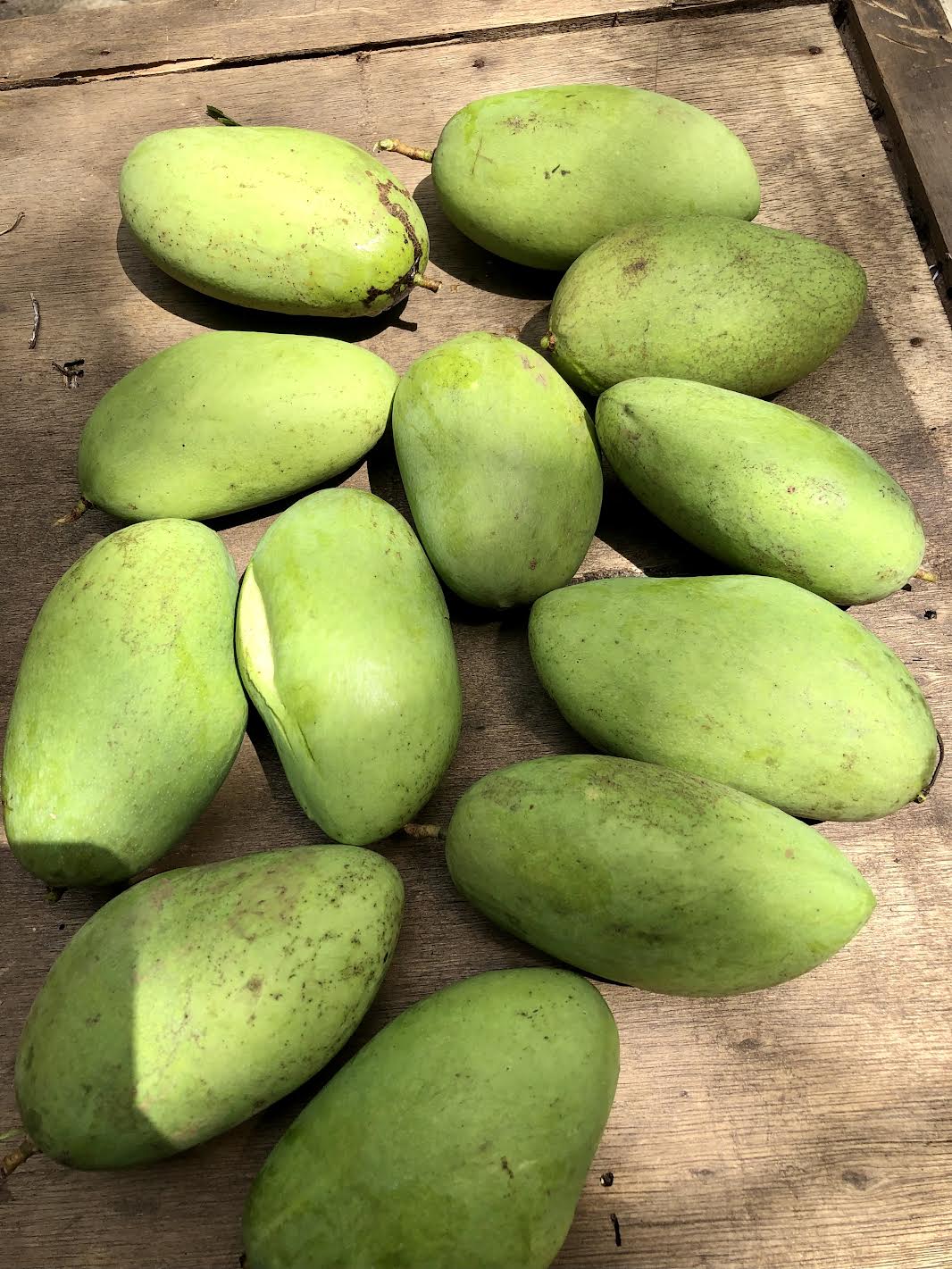
3. Umahan (Farm Areas)
where different native and local foods are cultivated organically




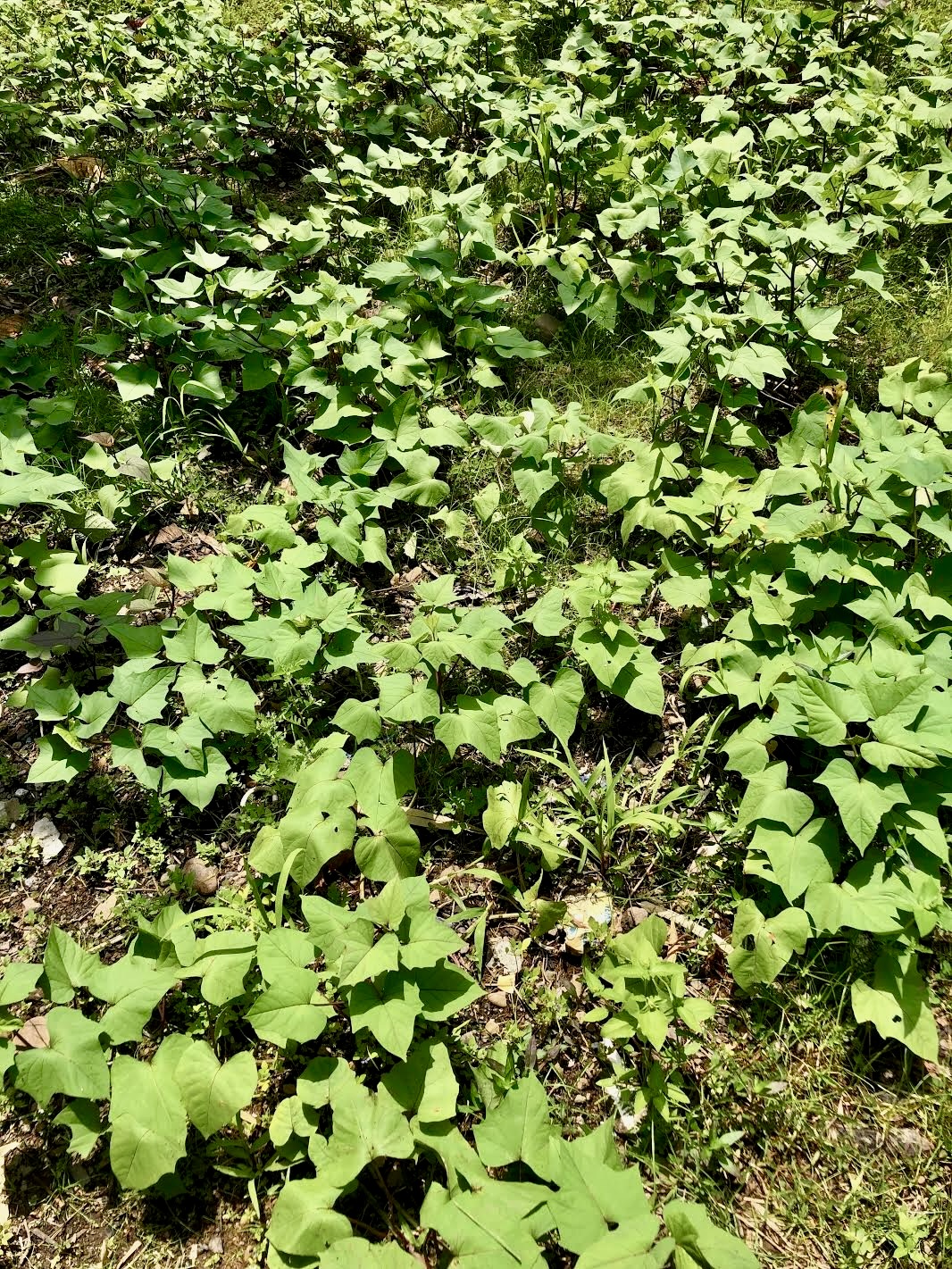

4. Alimahanan (Wellness Areas)
a future wellness center where therapies that utilize local knowledge and materials are offered, and a restaurant that specializes in fresh food from our farms, opened
5. Tagbuanan ug Tun-ananan (Gathering and Learning Areas)
a future museum for living traditions and art gallery, library andresearch center, ampitheatre and performance space. These are envisioned to host regular training programs and researches about environmental conservation, cultural preservation and related advocacies, as well as artistic events
6. Puluy-anan (Dwellings)
future eco lodges that marry indigenous designs and modern amenities to host Guests
Behind Alima is Dr. Grace Nono and her closest family members like Dr. Emmanuel Nono and Jonnie Sacote, the Tao Foundation for Culture and Arts that is Dr. Nono’s three-decade-old non-profit organization, Indigenous experts like forest dweller-healer Rodel Dongiapon, marsh dweller-ritualist Datu Kanimbaylan, forest dweller-tribal chieftain Bae Manyaguyad Lucy Rico, and forest dweller-chanter Datu Anhugpong, and their respective teams, regenerative agriculture specialists like Dr. Rex Linao, green designers like Marc Zara and UDC Architecture Cecil Herras Tence, alternative developers like Dr. Estrella Dinopol and her team, artists, academics, friends and supporters in the Philippines and in other parts of the world.
 Grace Nono