Tao Foundation for Culture and Arts
Current Programs
Schools of Living Traditions
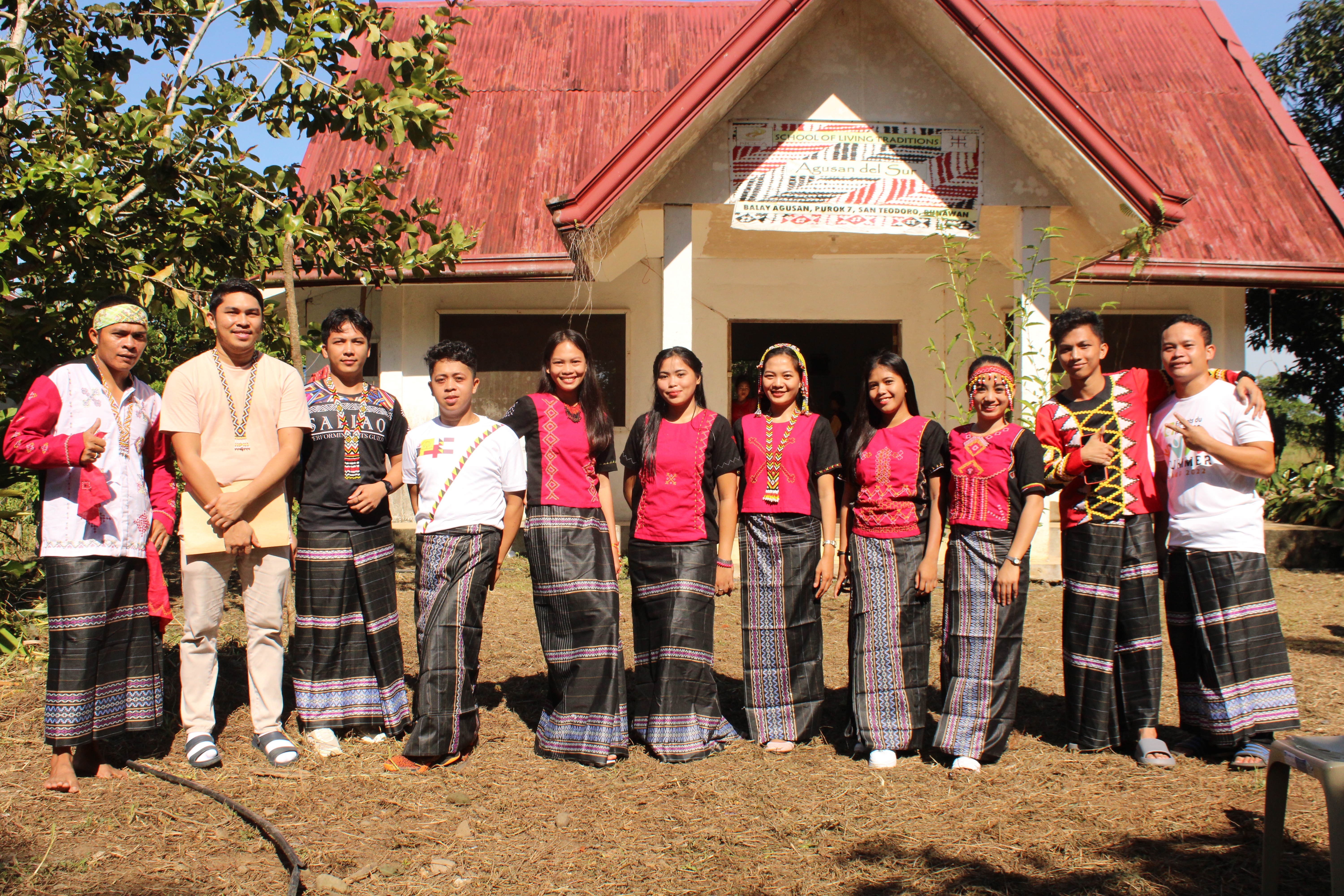
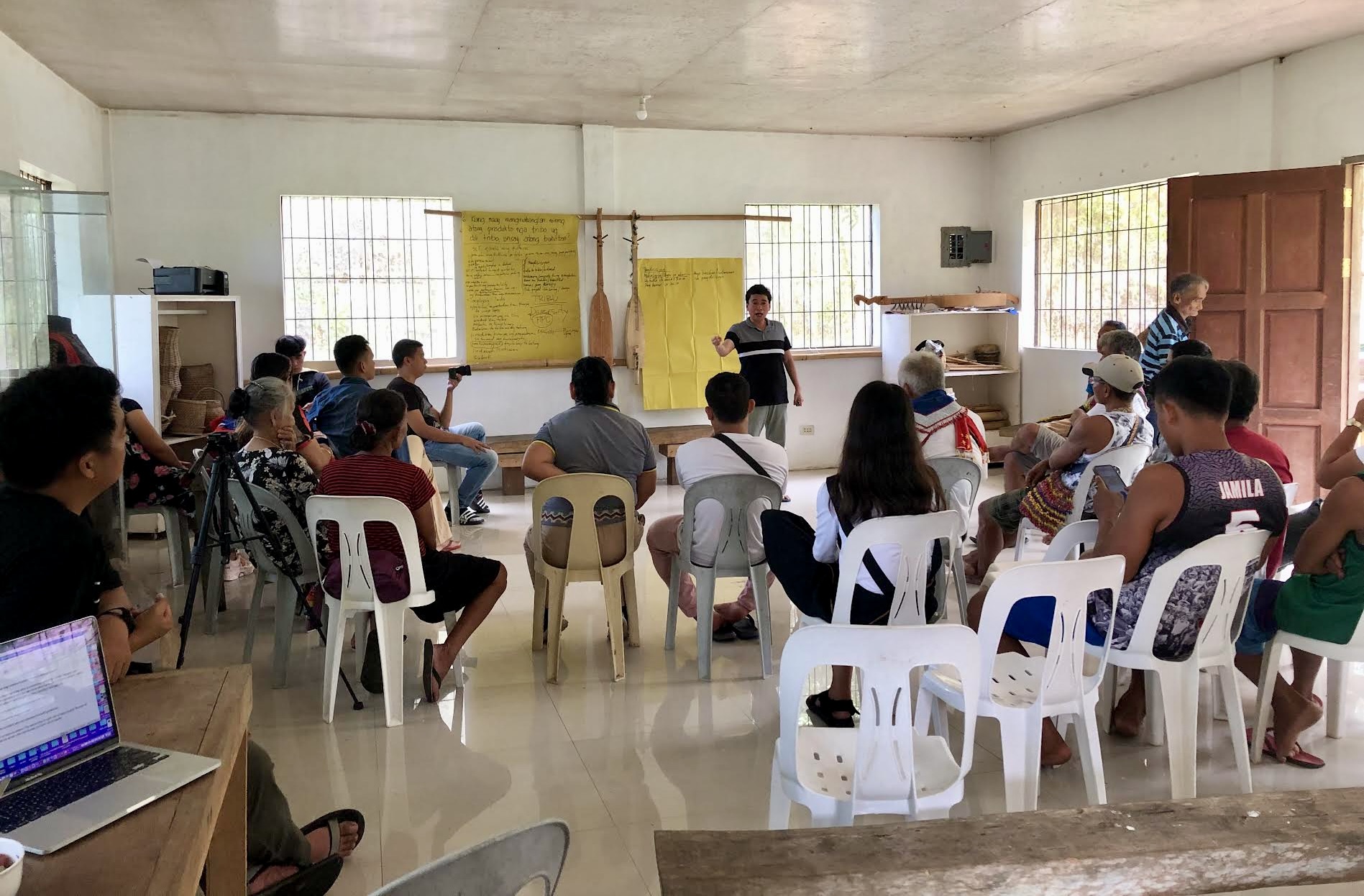
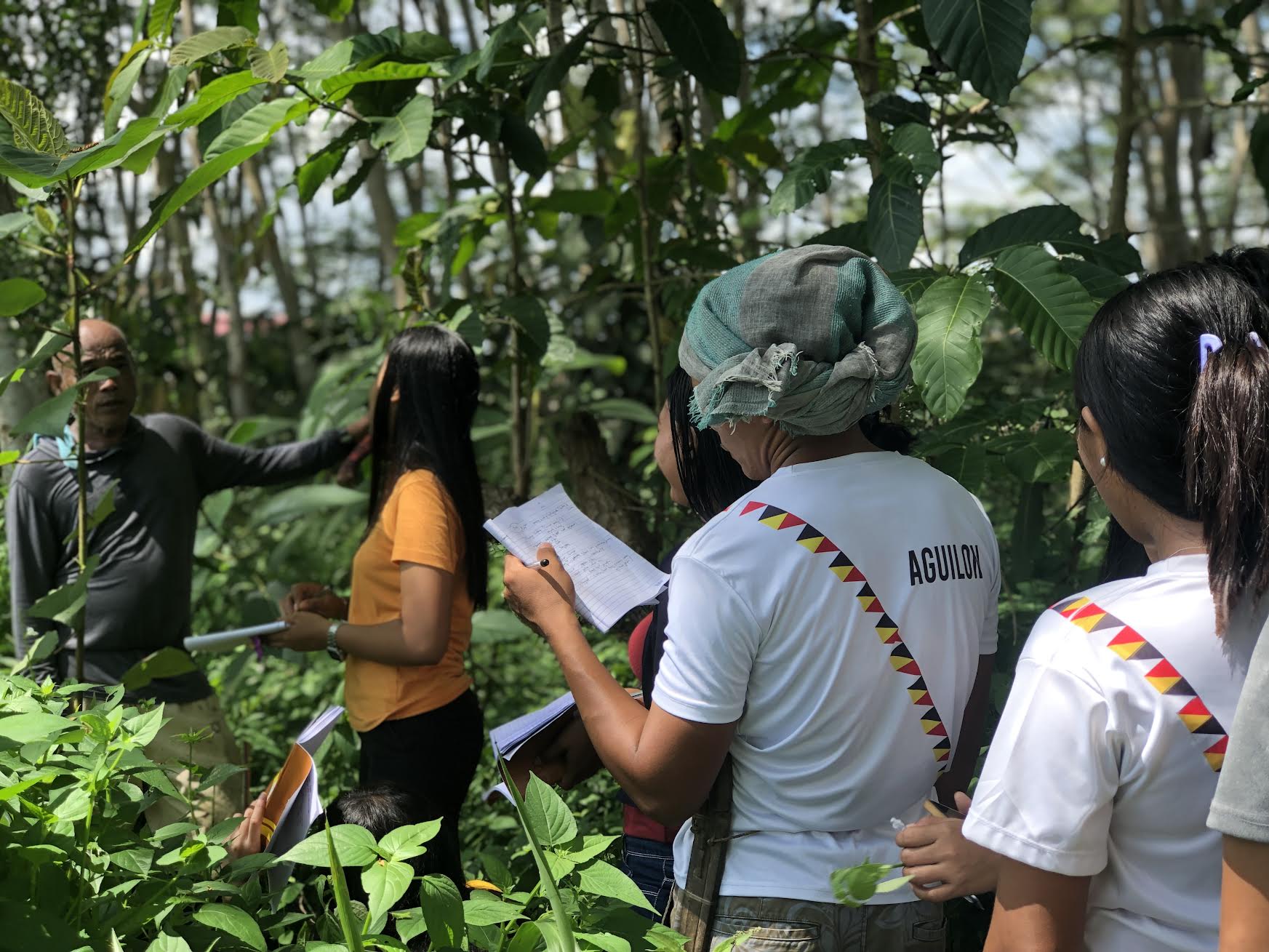
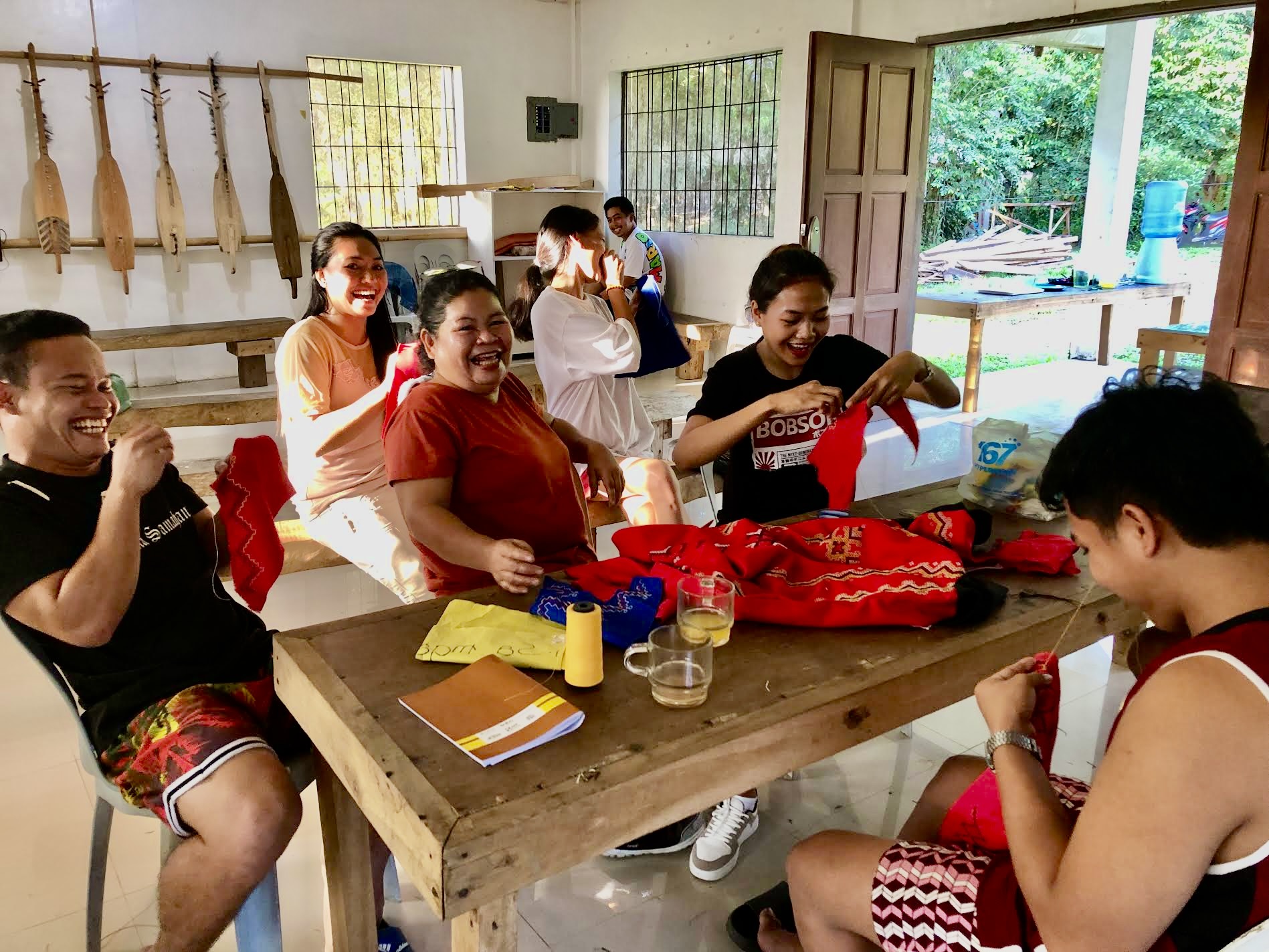
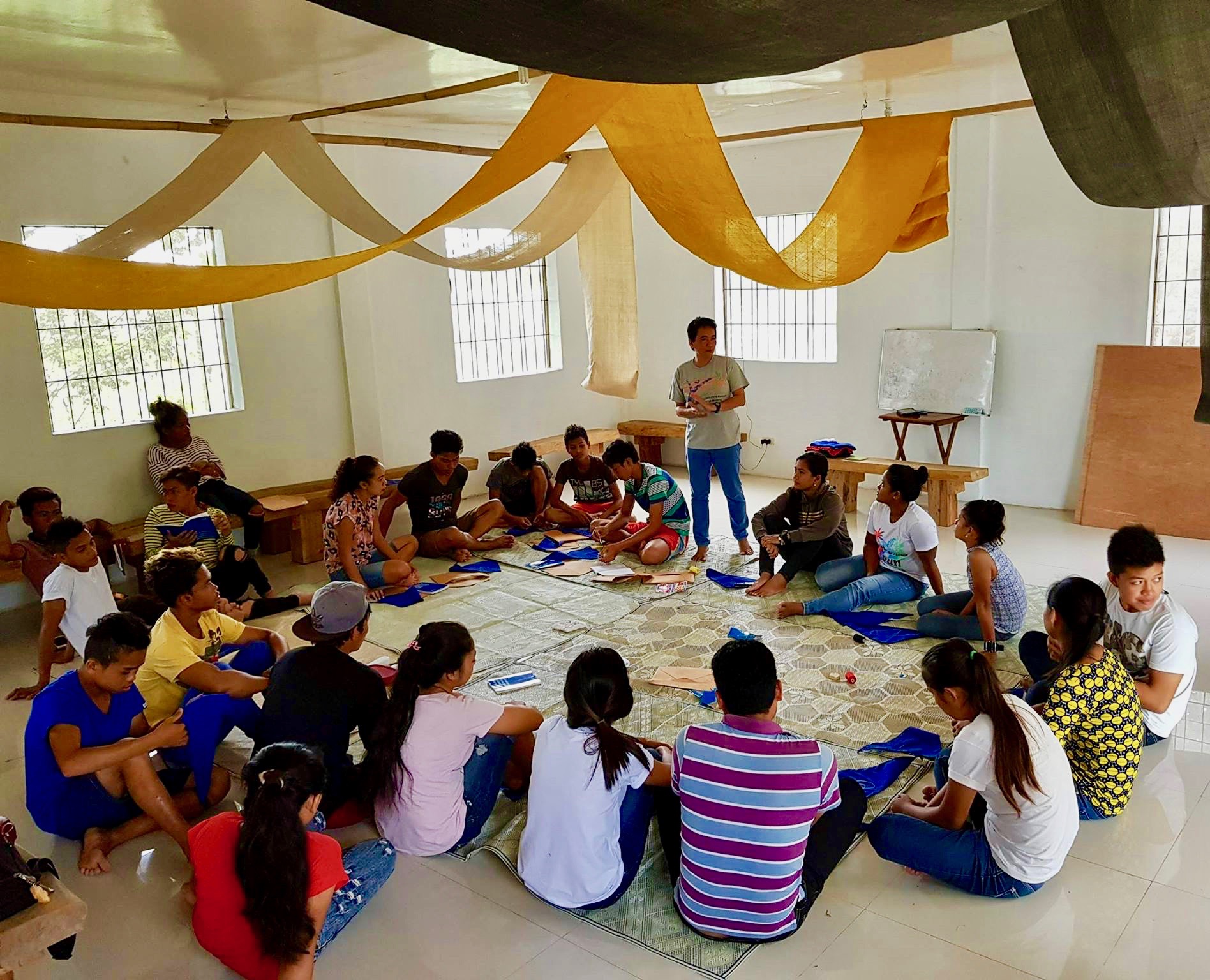
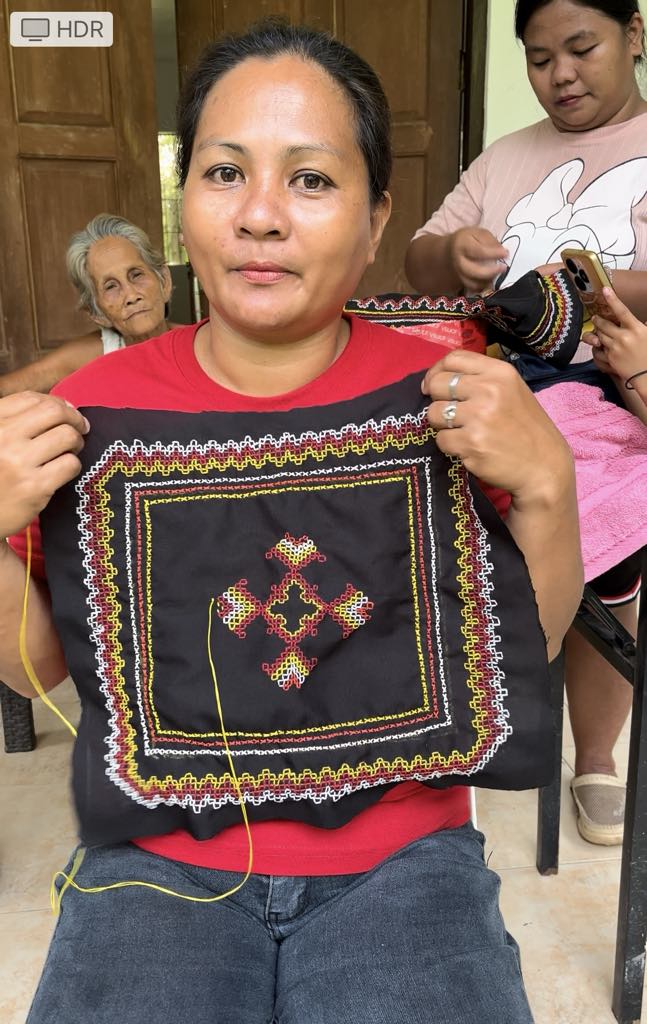
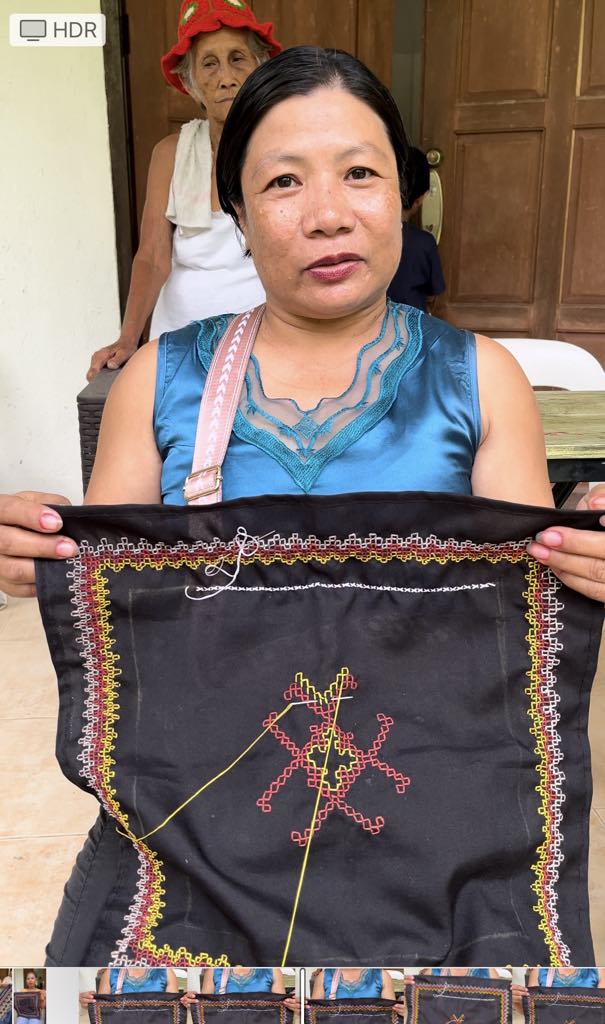
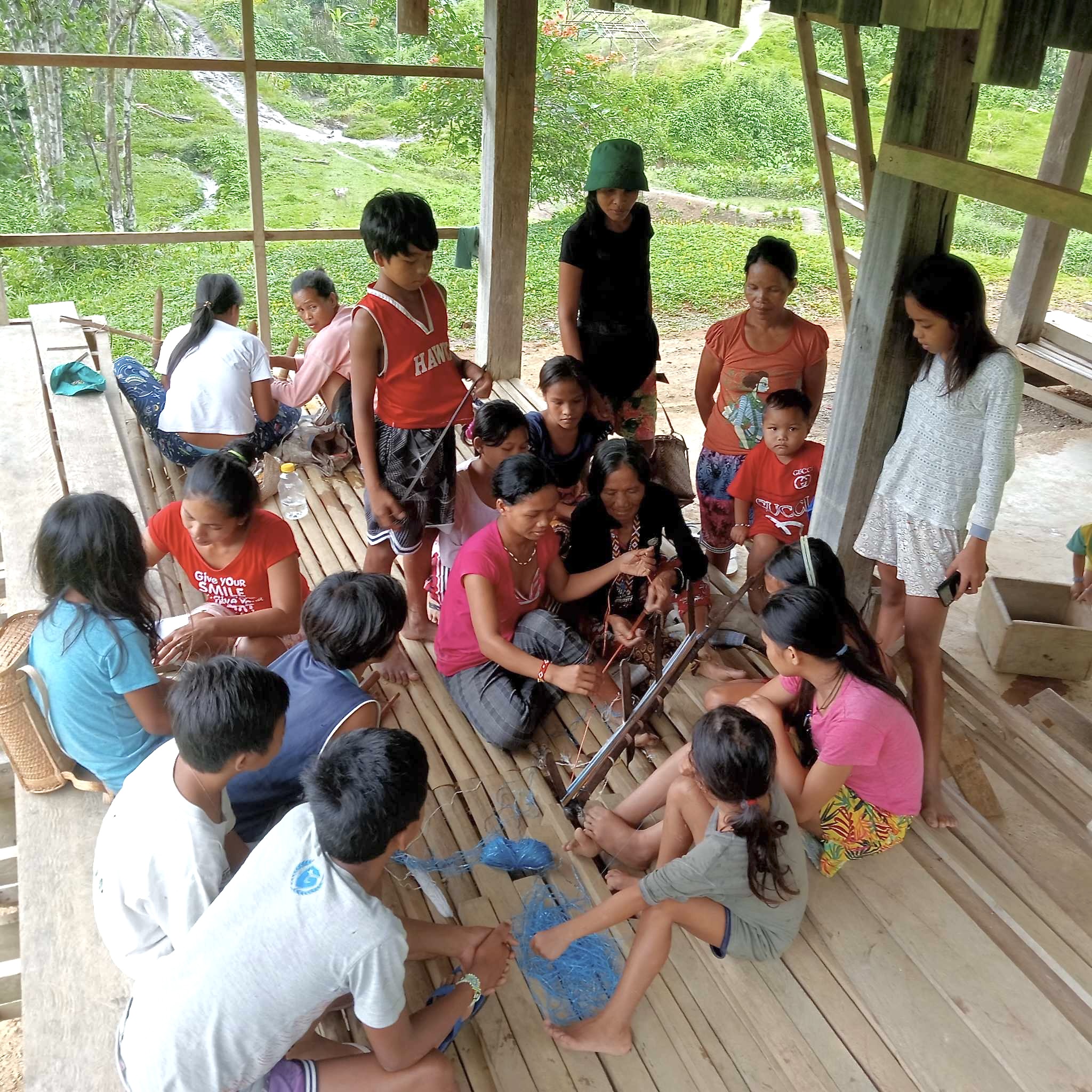
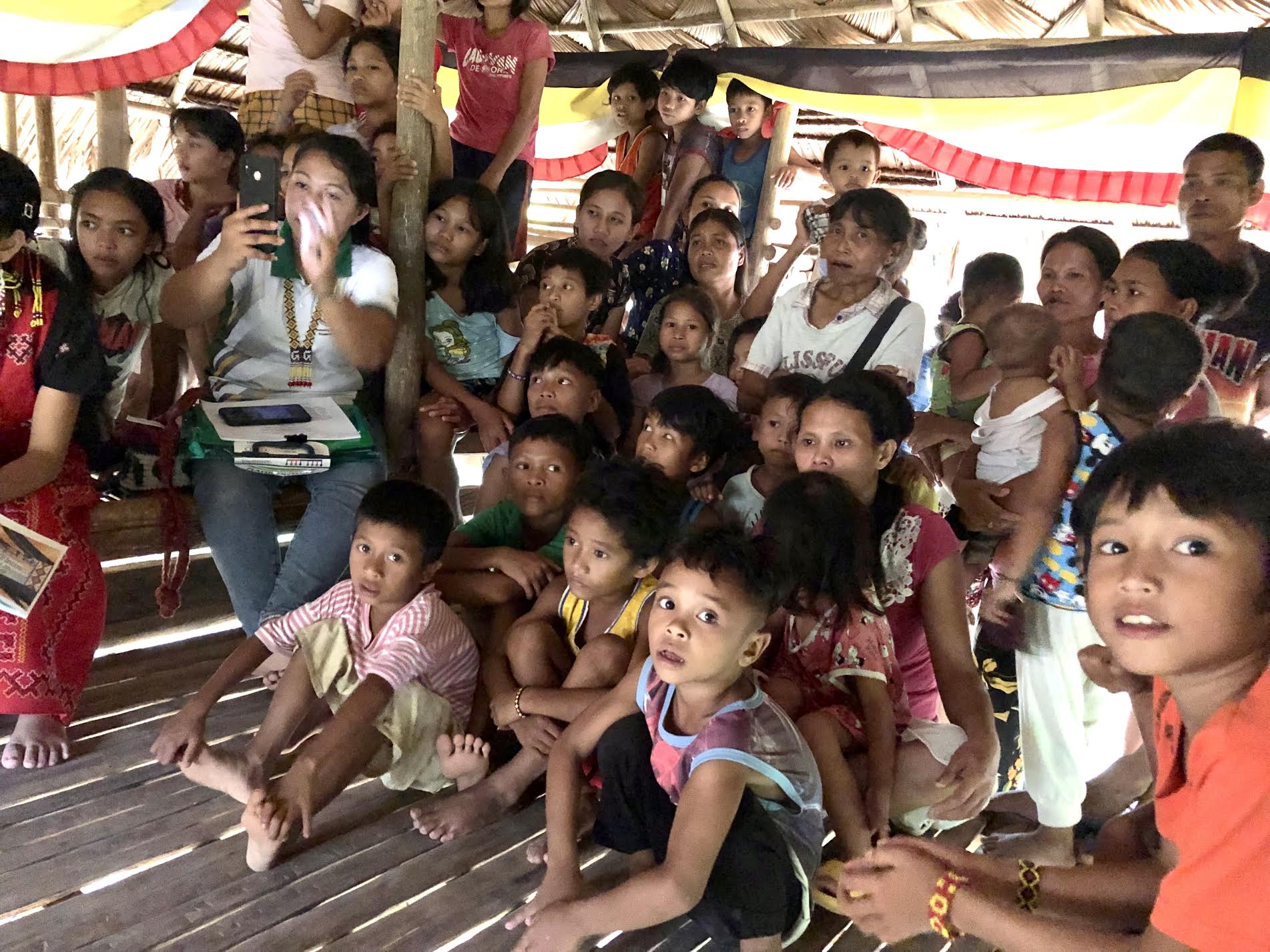
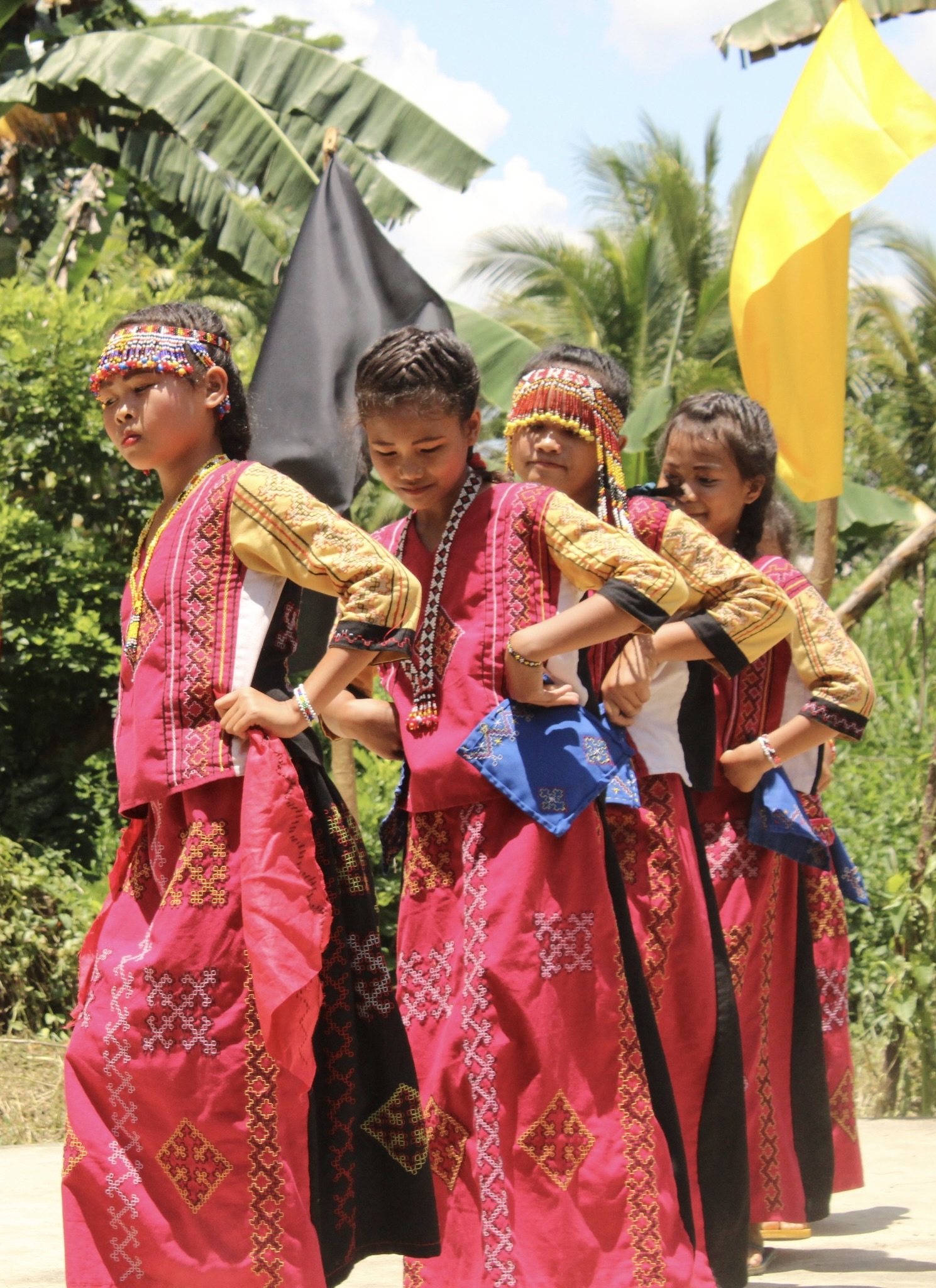
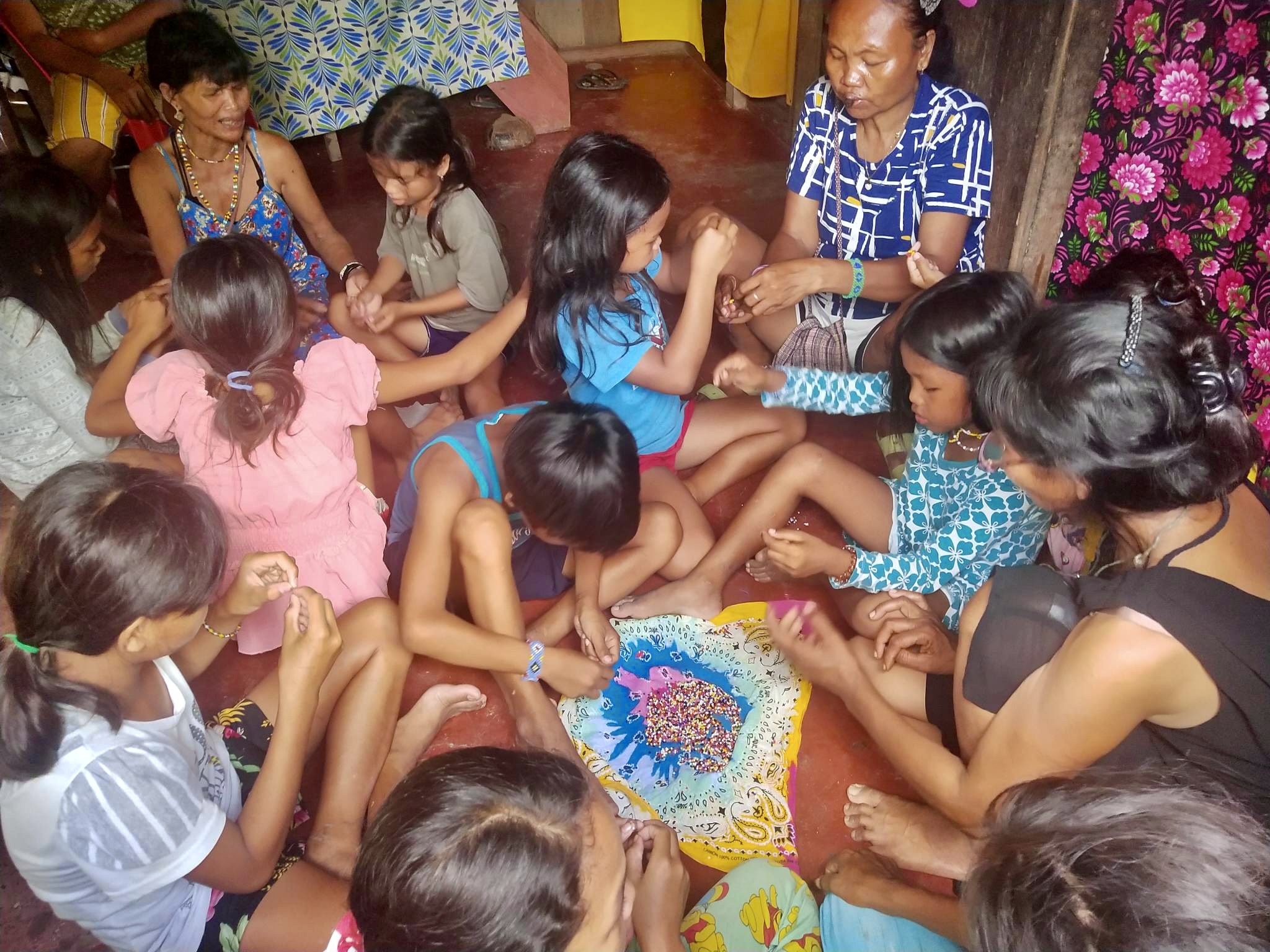
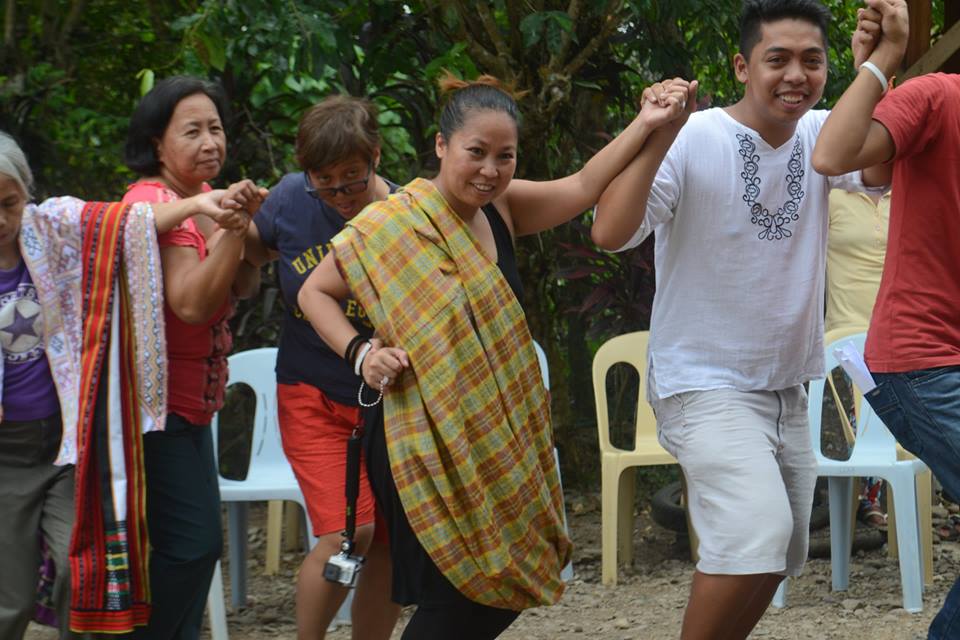
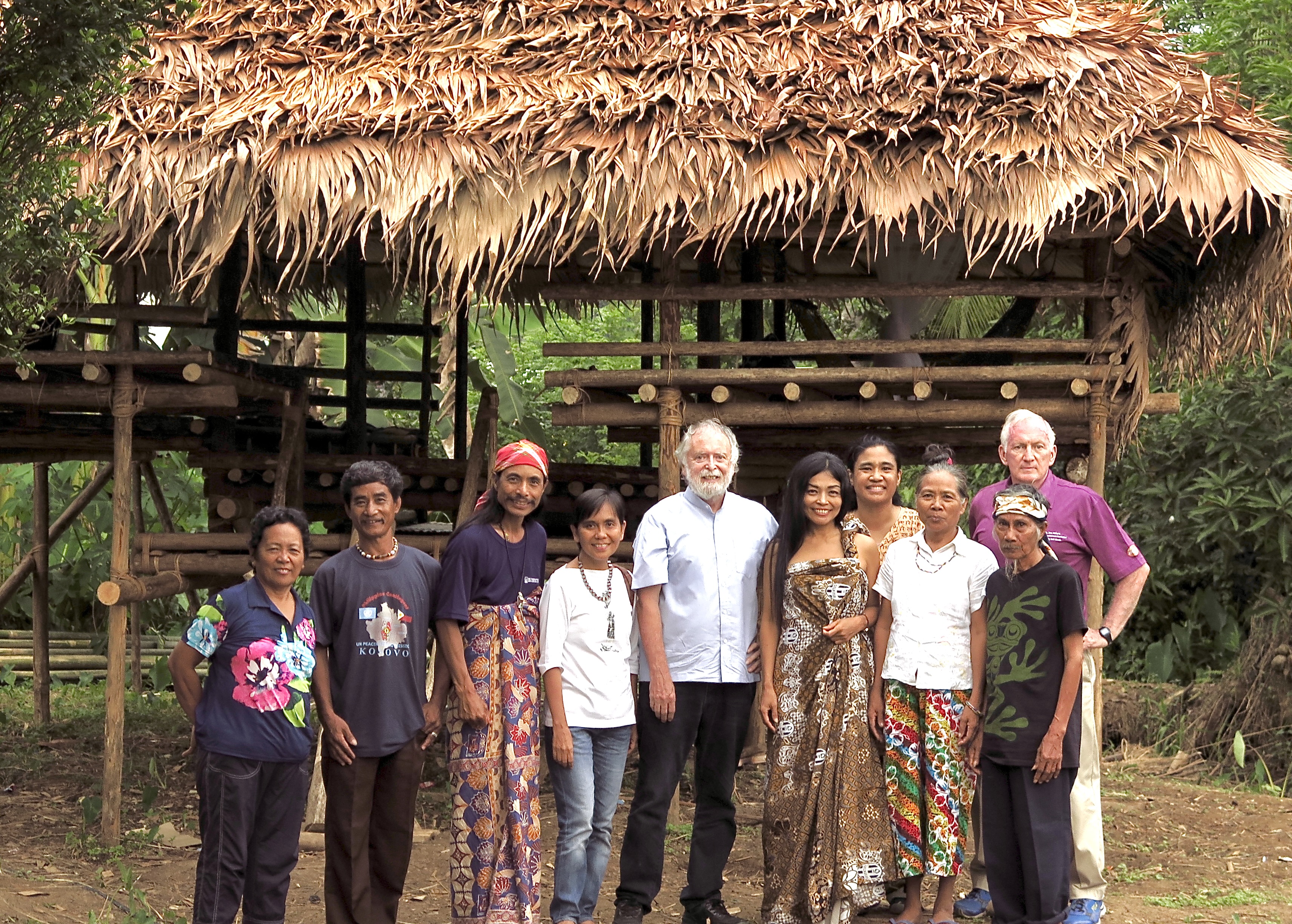
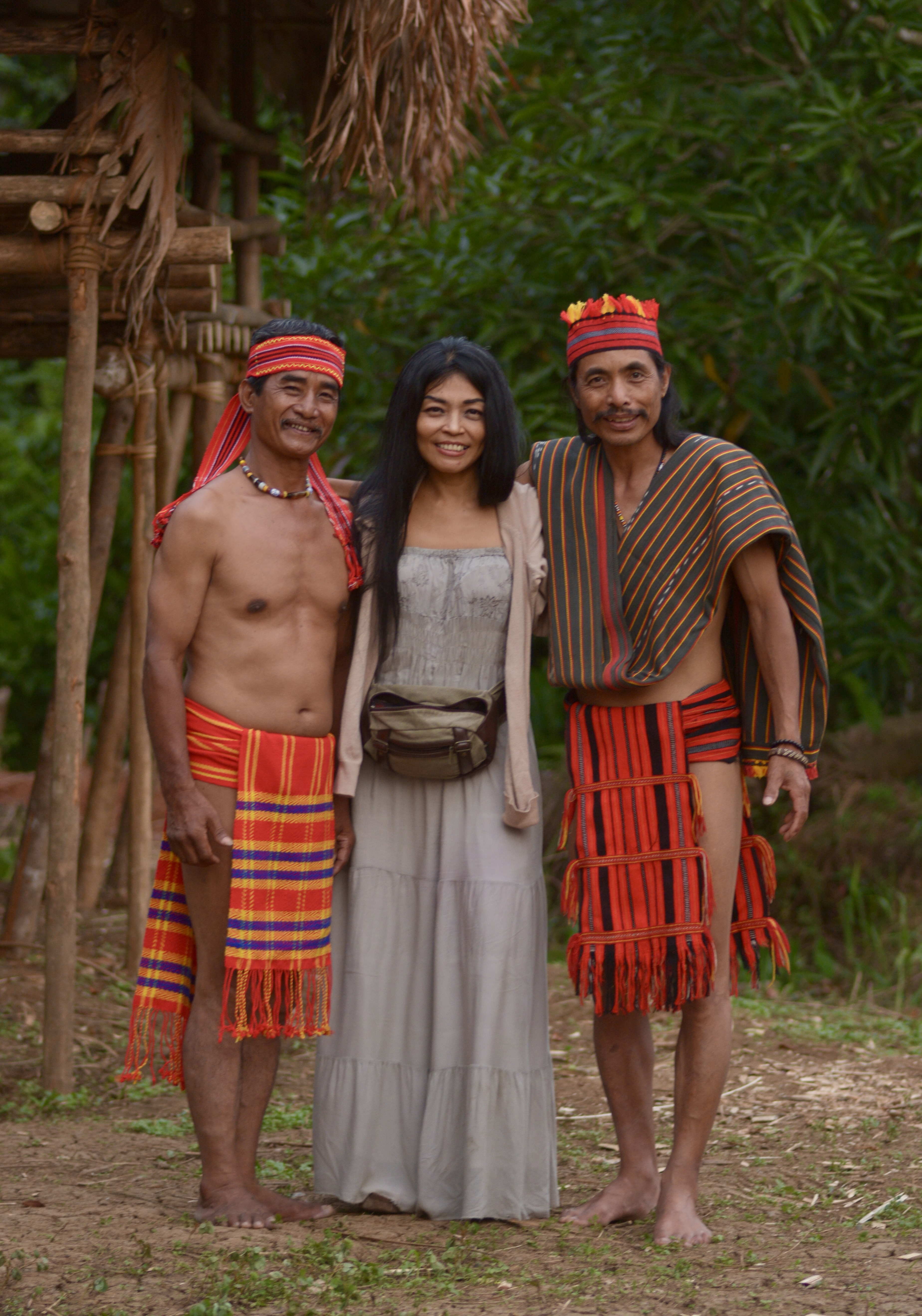
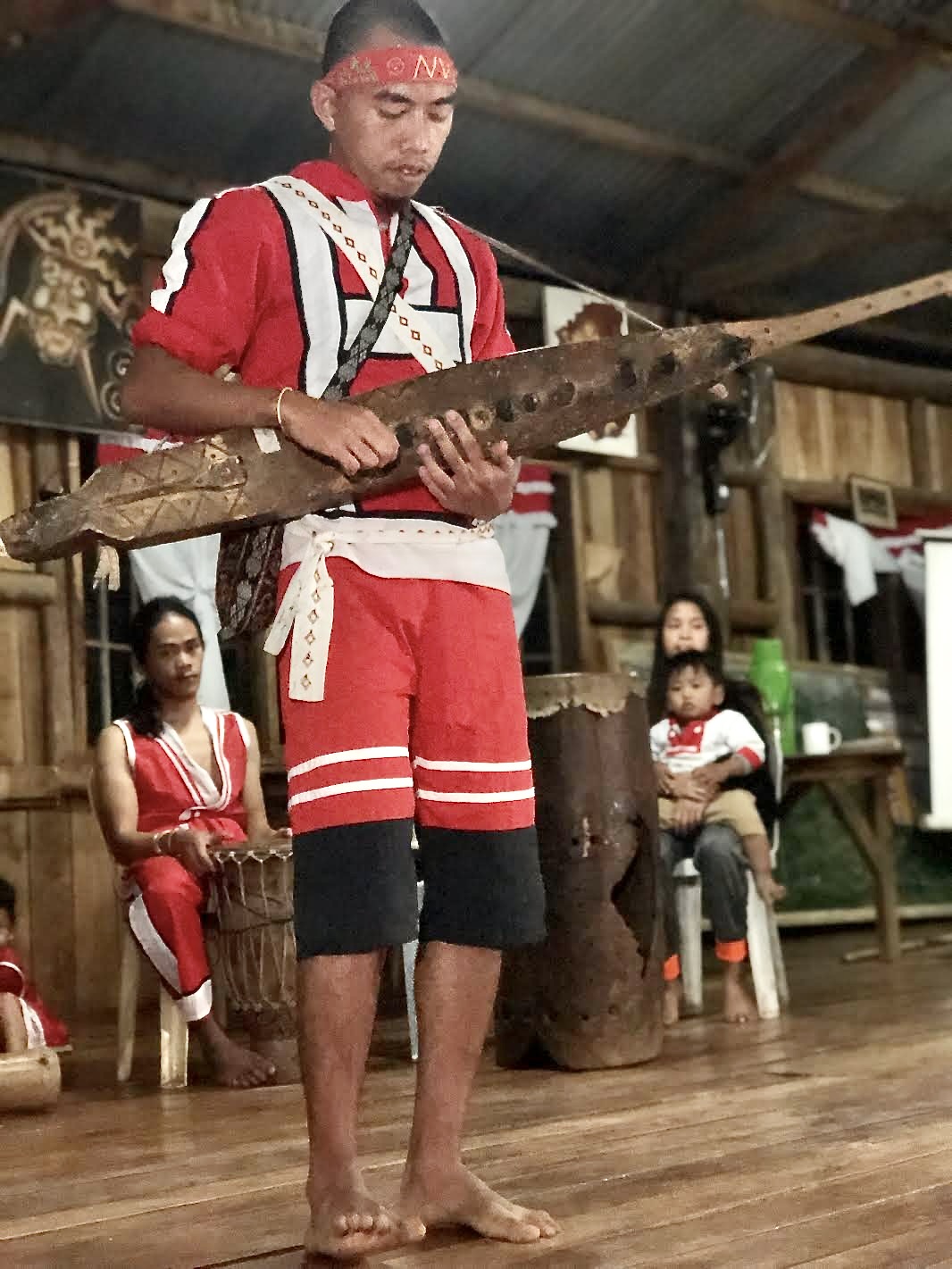
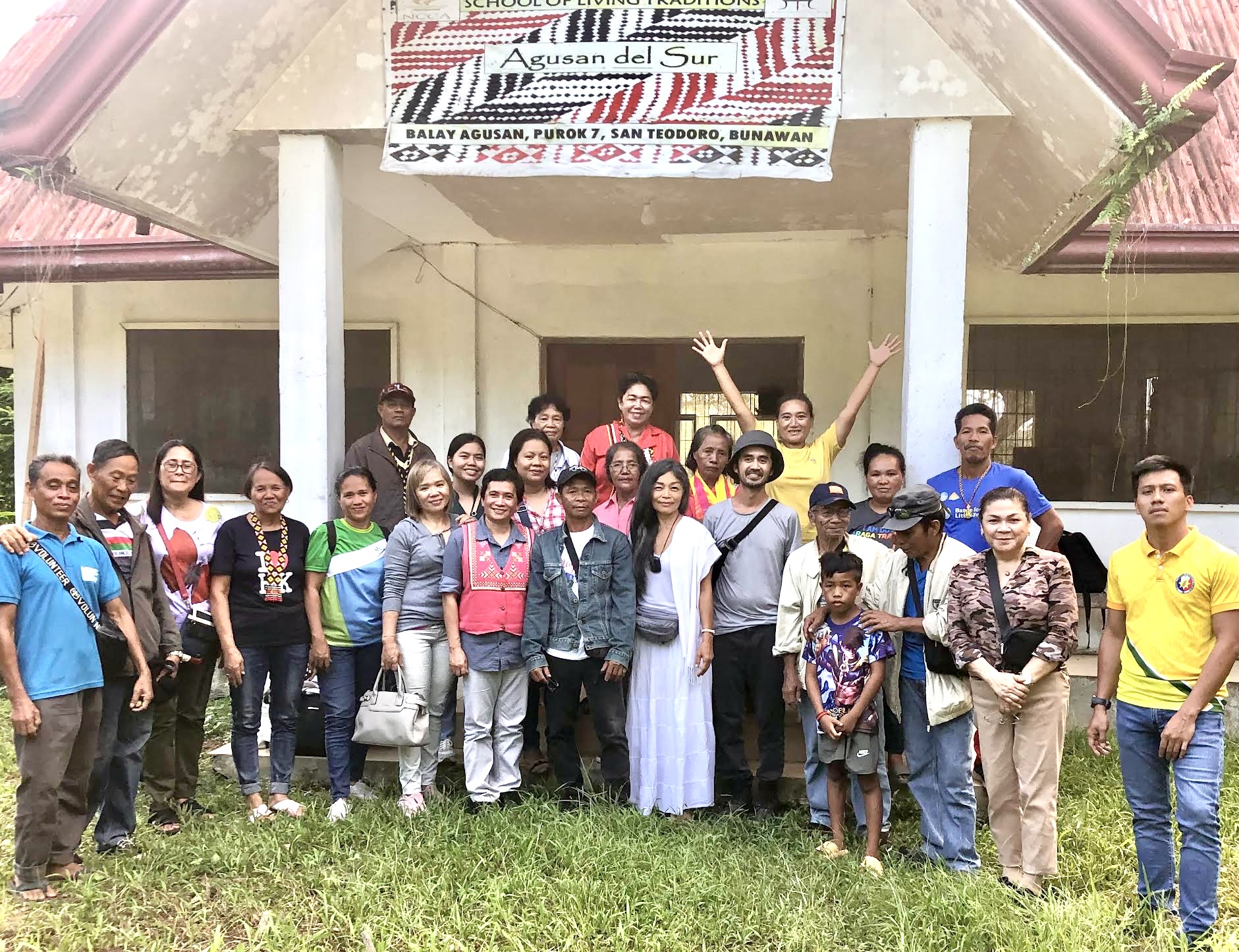
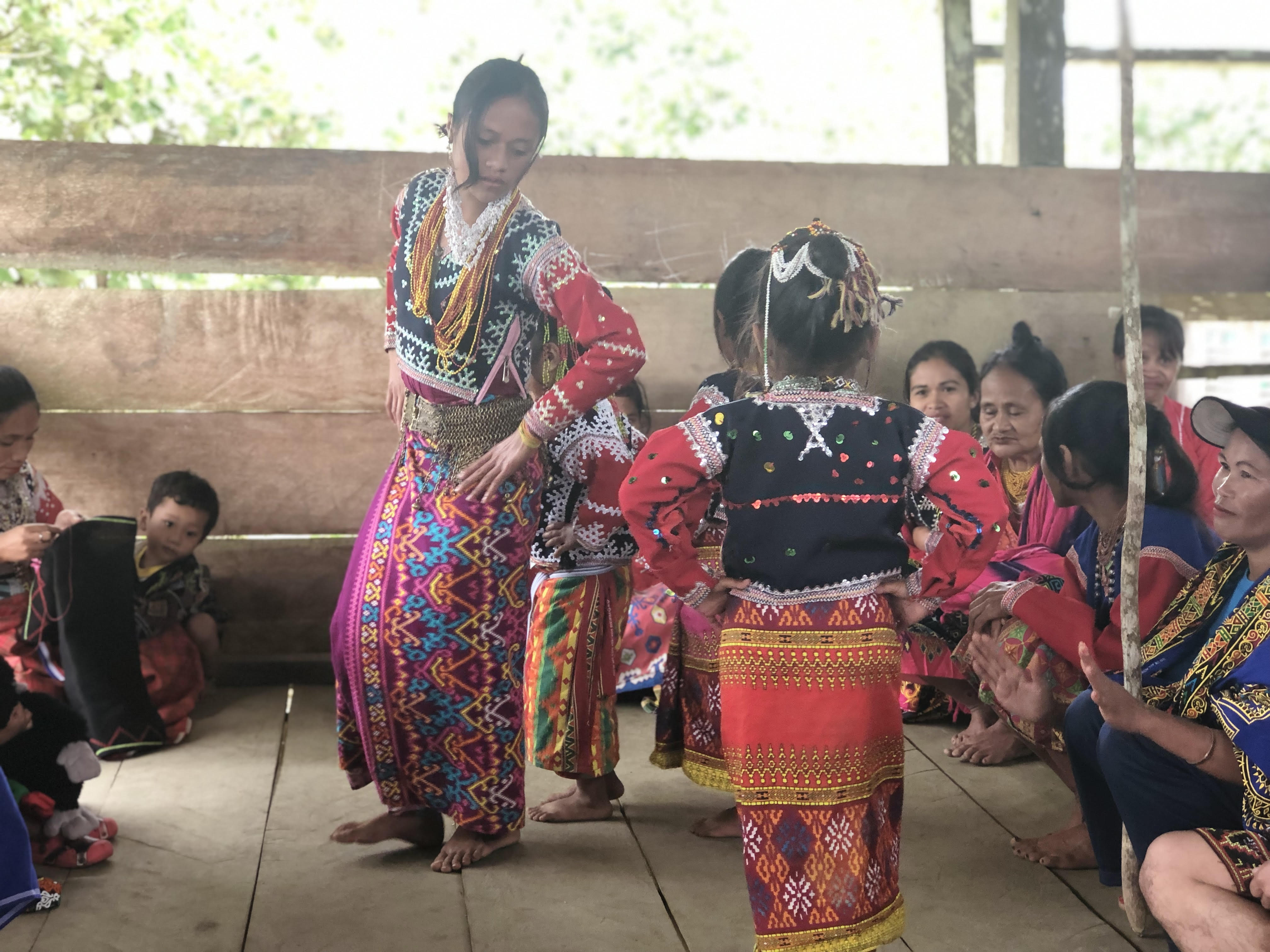
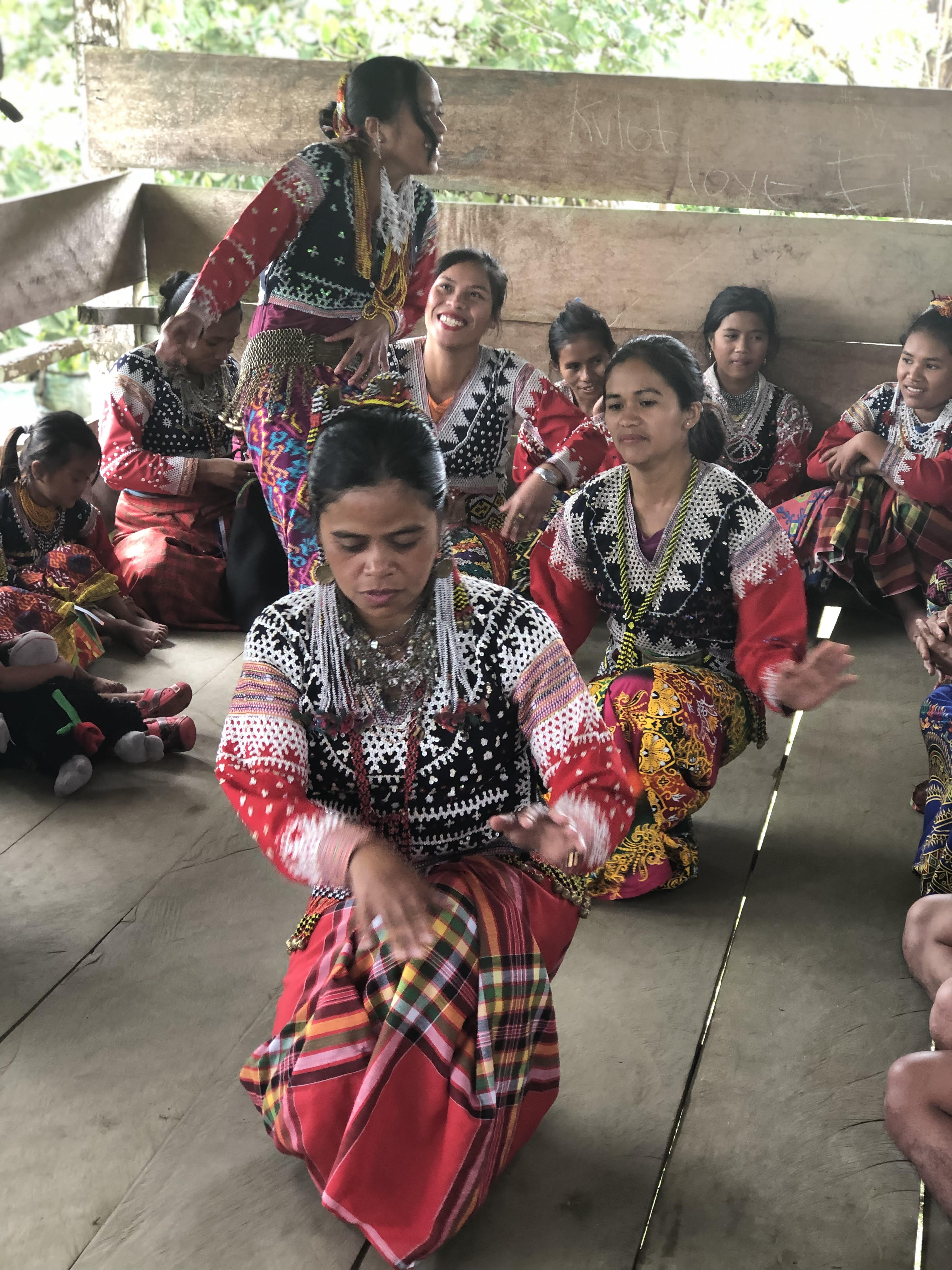
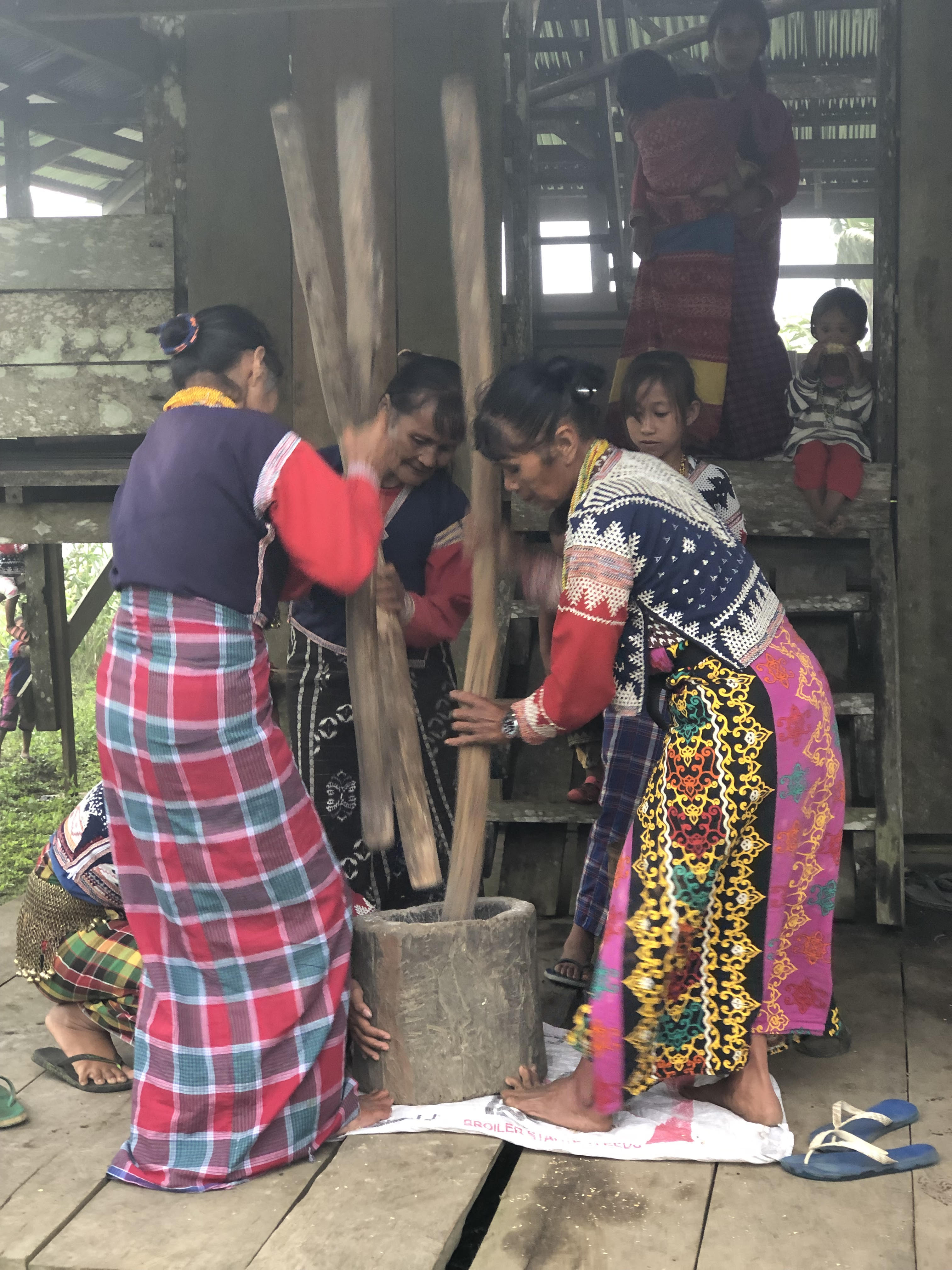
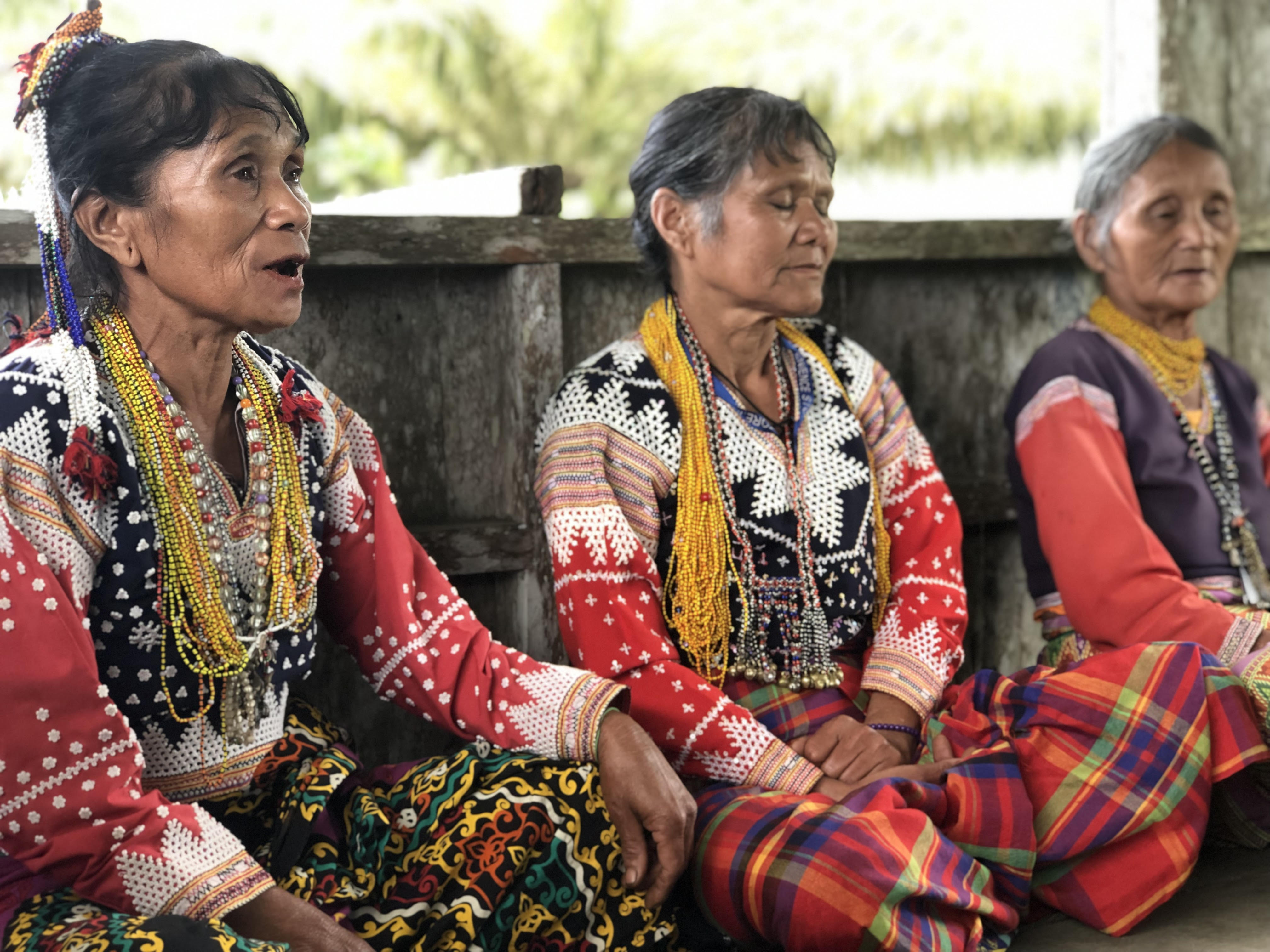
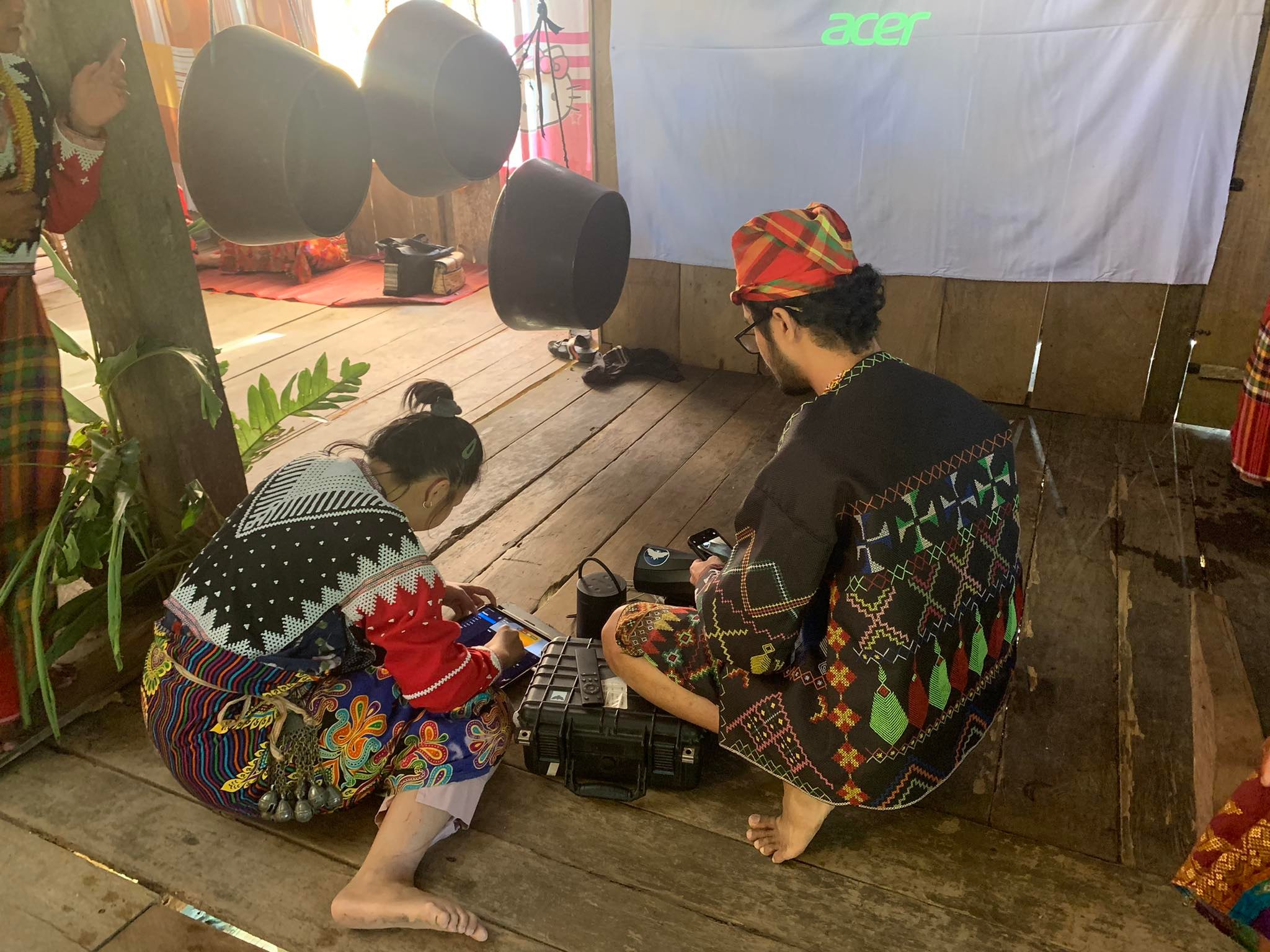
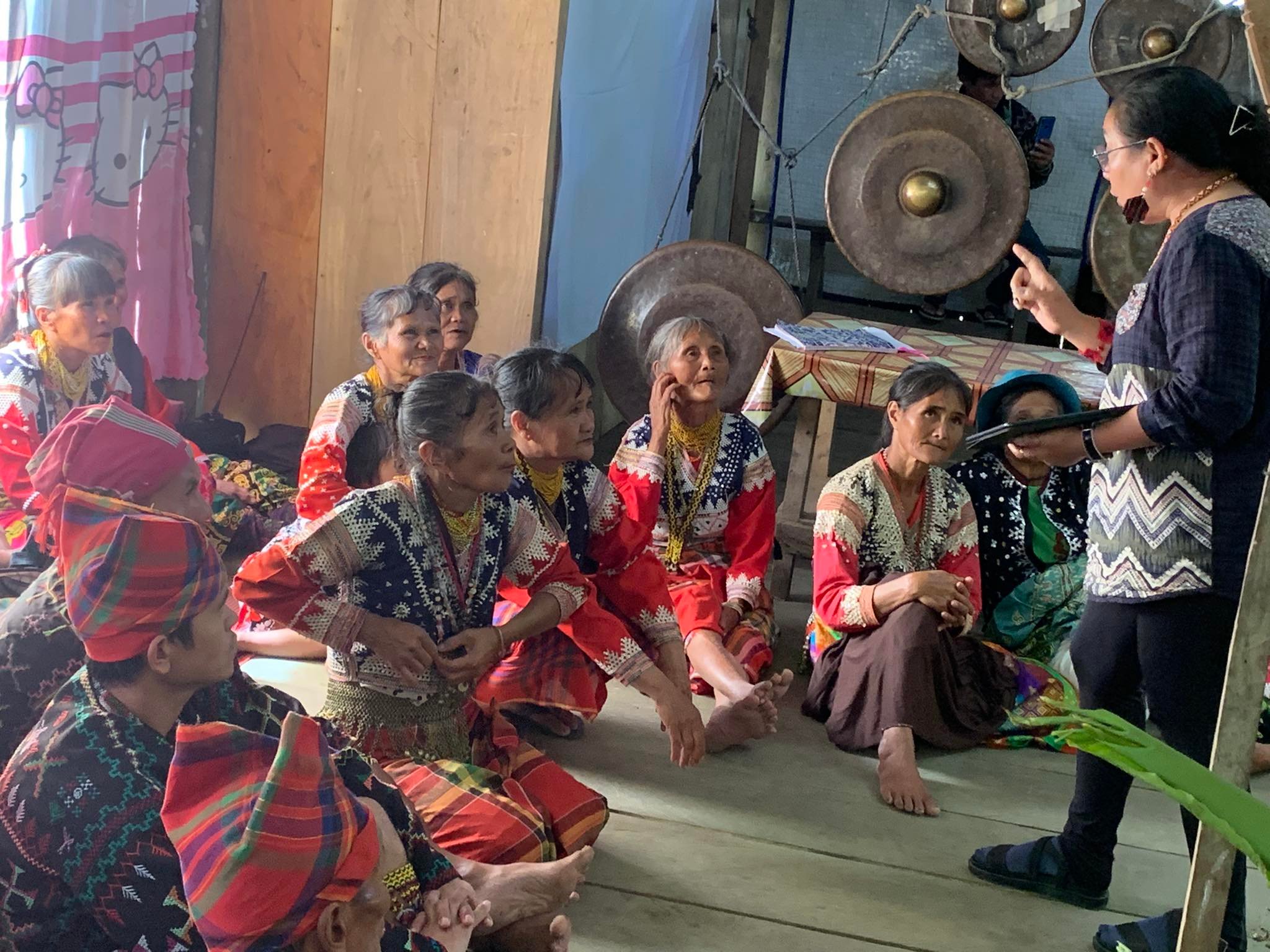
With multi-year subsidy from the National Commission for Culture and Arts or NCCA, the Tao Foundation runs and provides counterpart support to the Agusanon-Manobo Schools of Living Traditions in the municipalities of Bunawan, Esperanza, and La Paz, Agusan del Sur in northeastern Mindanao. SLTs are community-based schools that facilitate the transmission of Indigenous Knowledge Systems and Practices IKSPs from indigenous elders to indigenous youth. The courses taught in the Agusanon-Manobo SLTs are wide-ranging and include those on indigenous language, leadership, ancestral domain, customary law, gender, embroidery, weaving, beadwork, musical instruments, chanting, dancing, traditional housebuilding, spirituality, environmental protection, food, and plant medicines.
Photos, Bunawan School of living Traditions












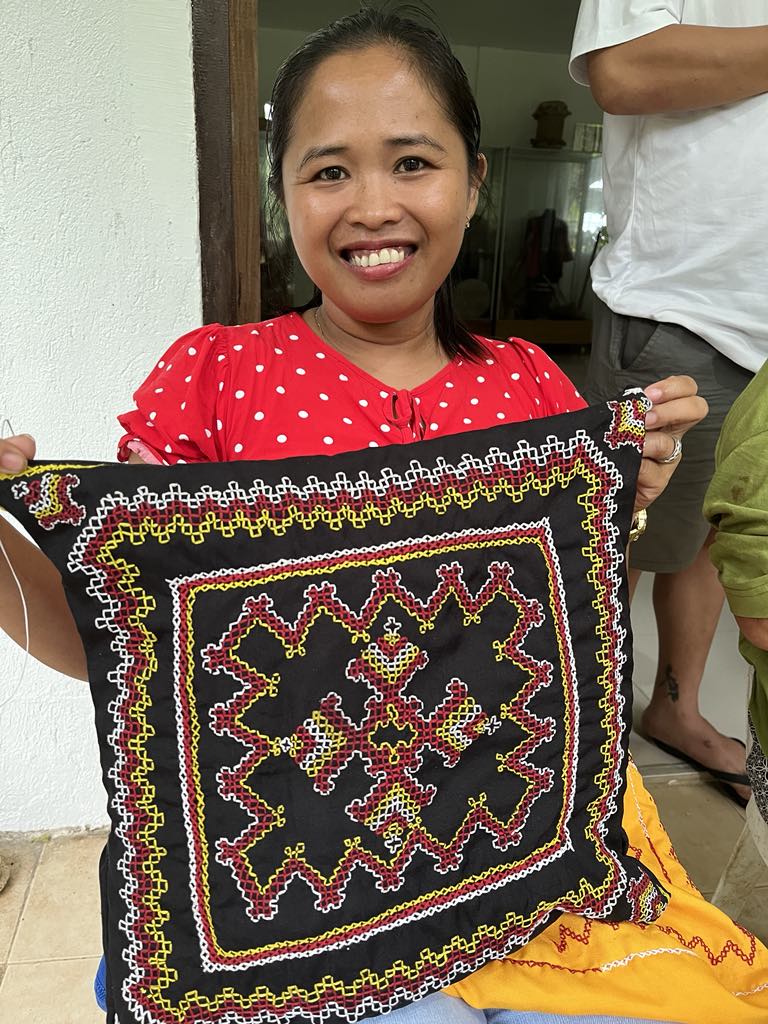
Photos, Esperanza School of living Traditions

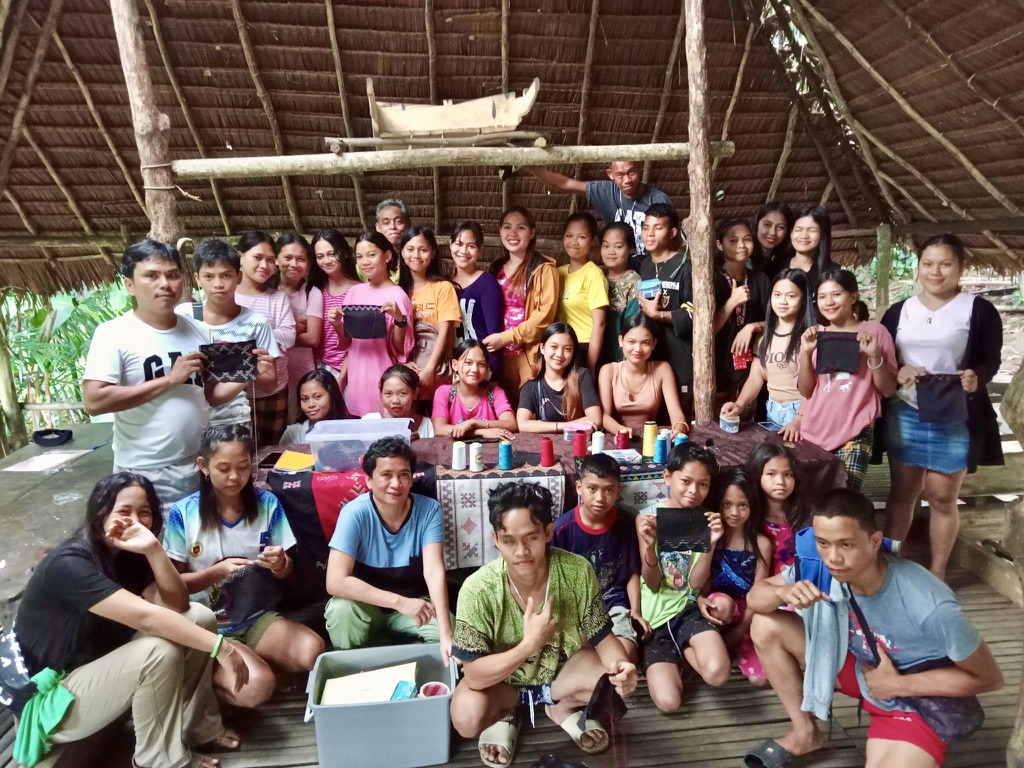


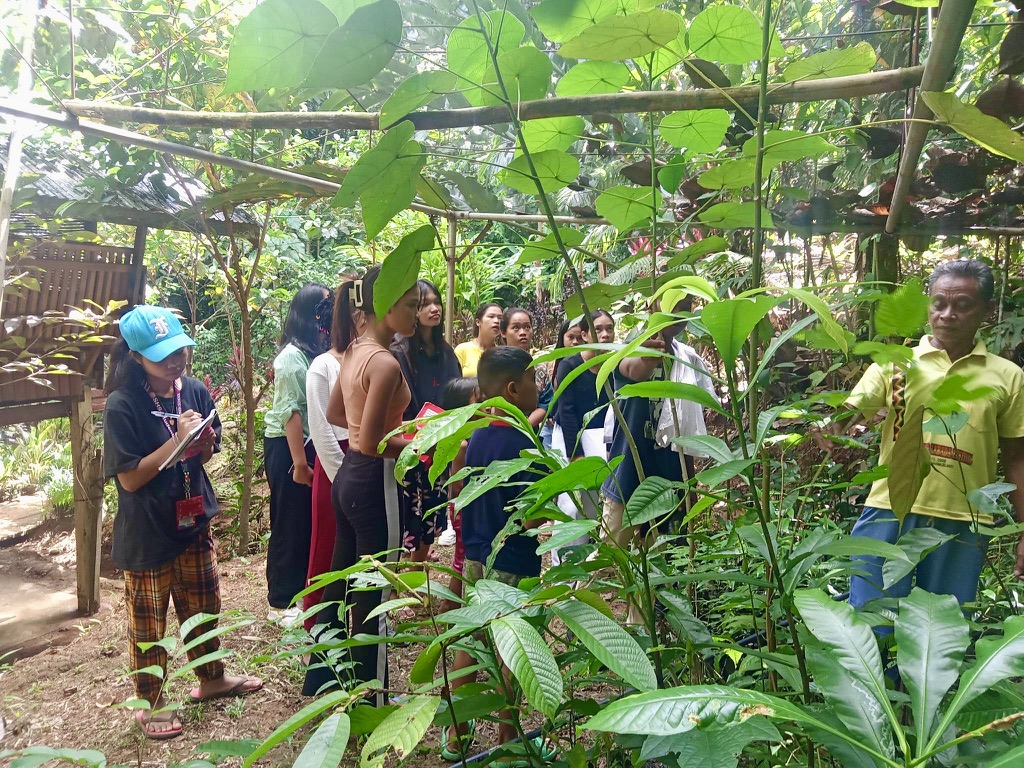

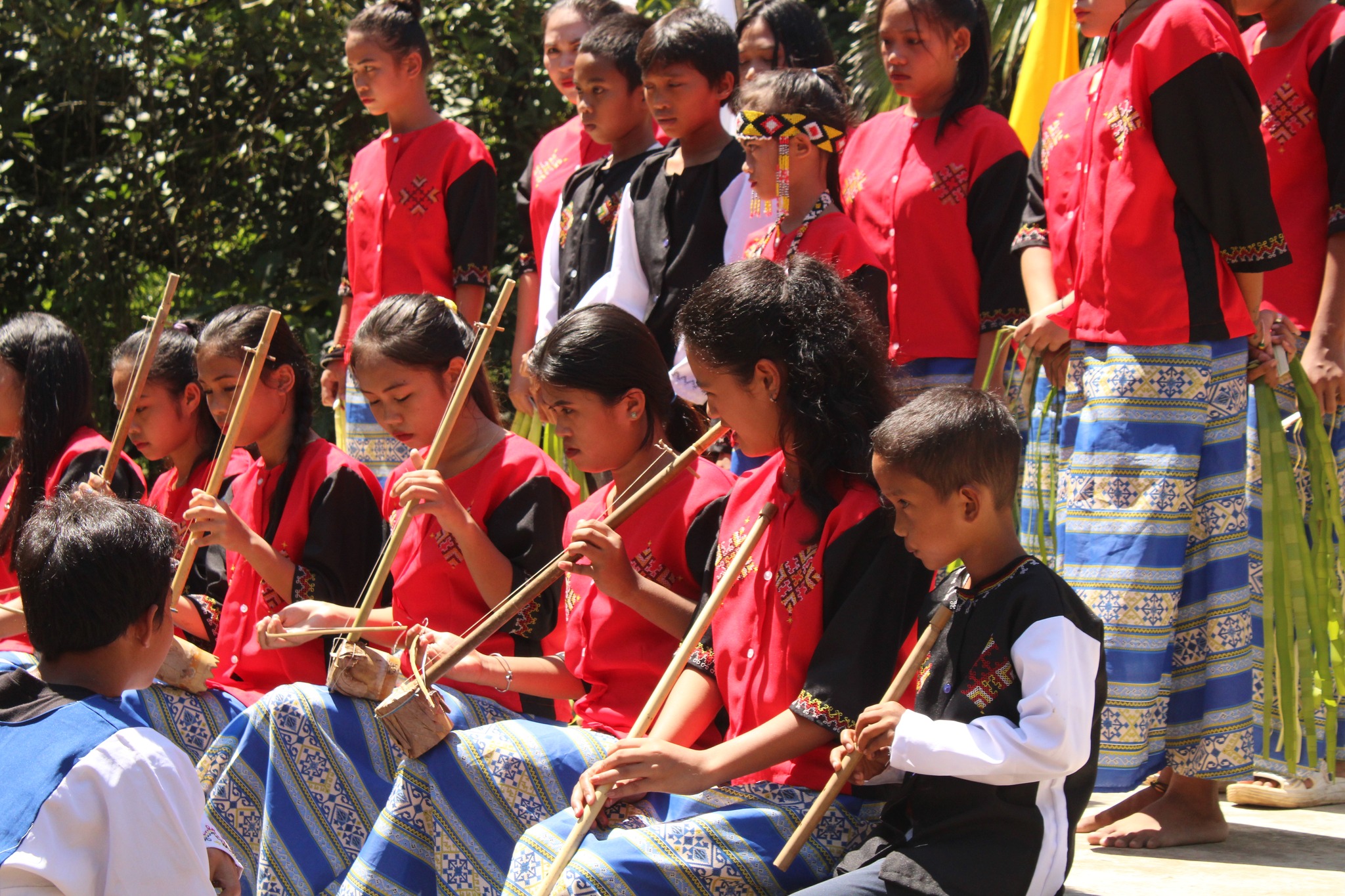
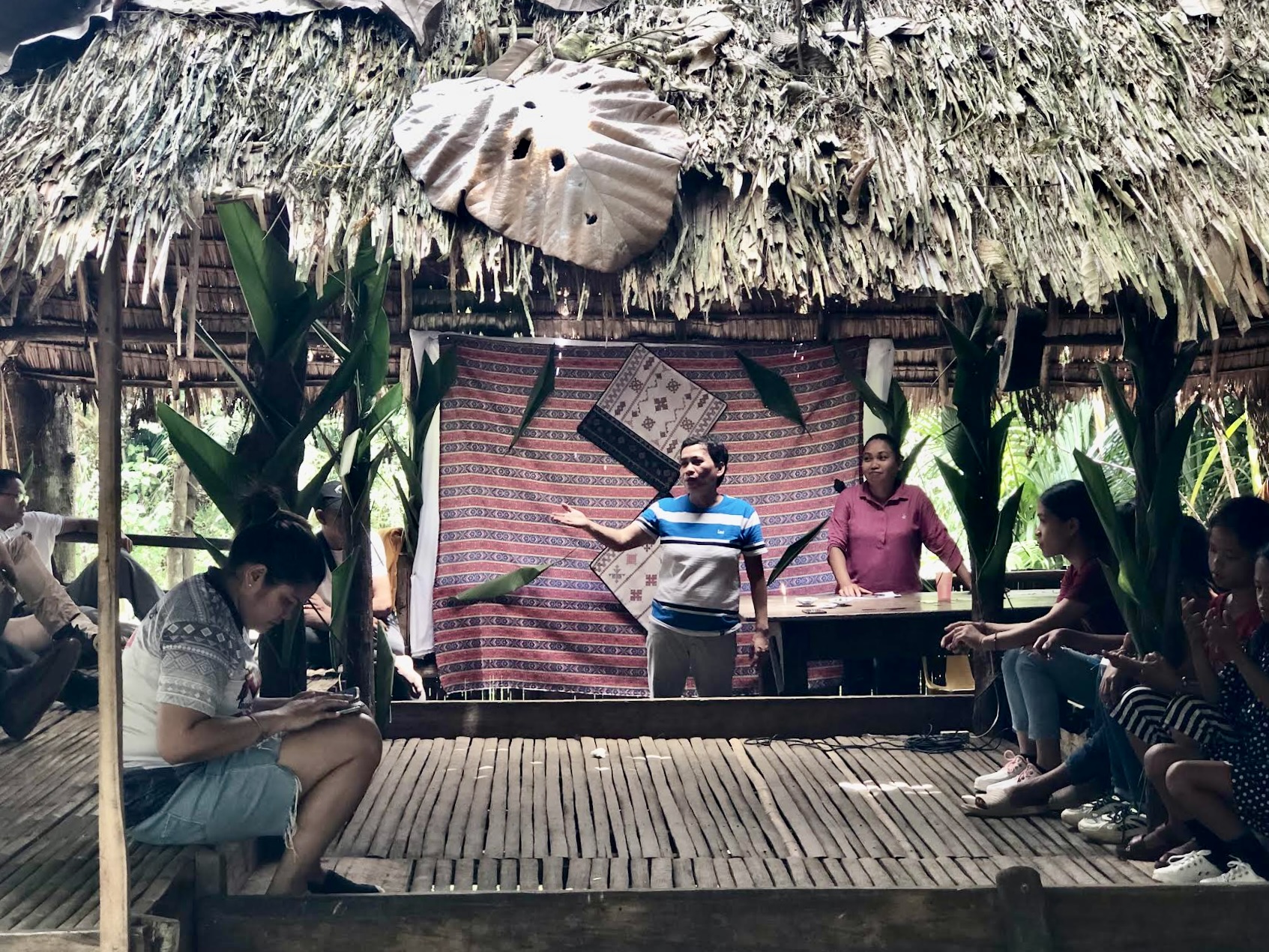
Photos, La Paz School of living Traditions







Himig, Tula, at Galaw ng Ninuno
Philippine Traditional Music, Poetry, and Dance Webinar Series
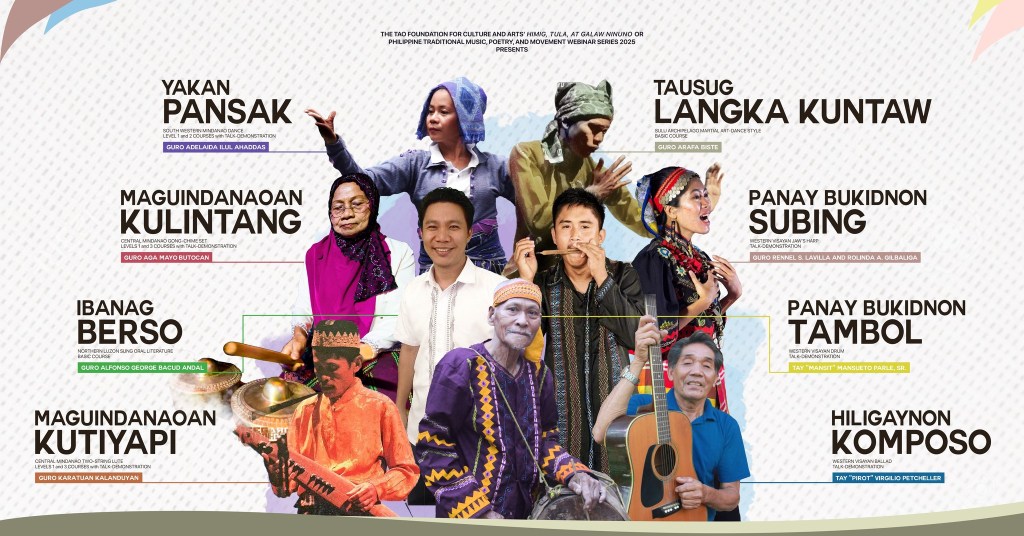
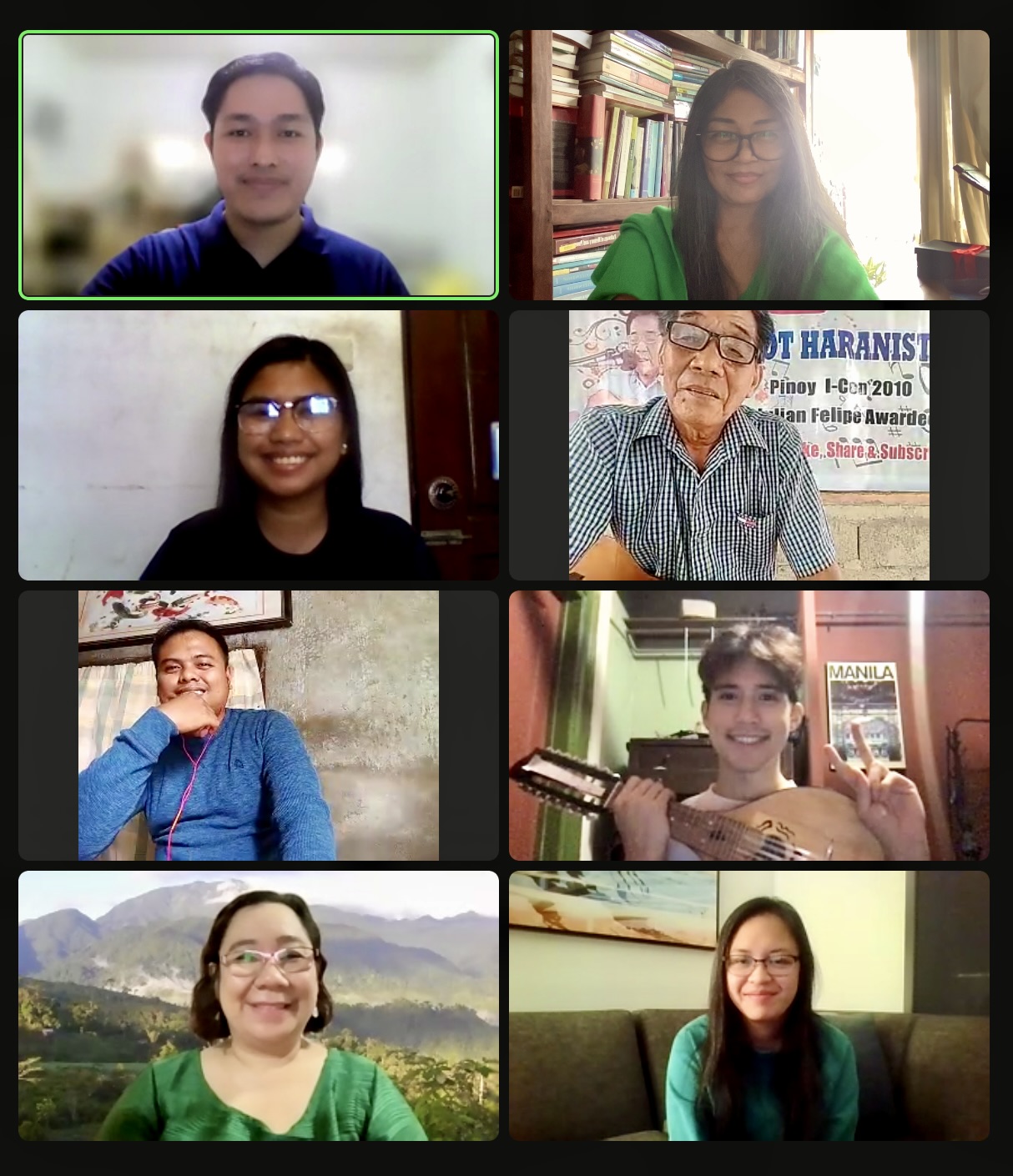
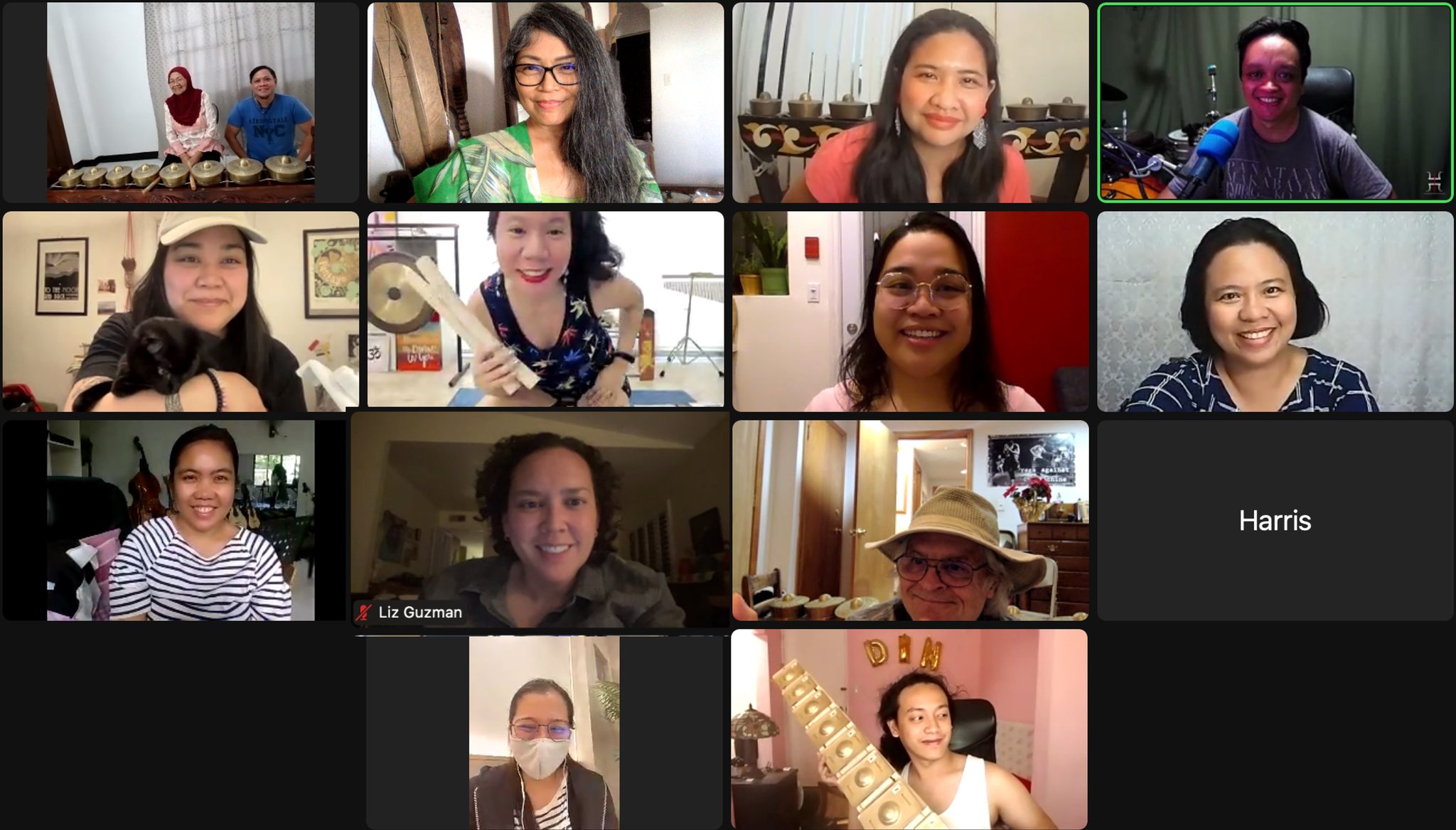
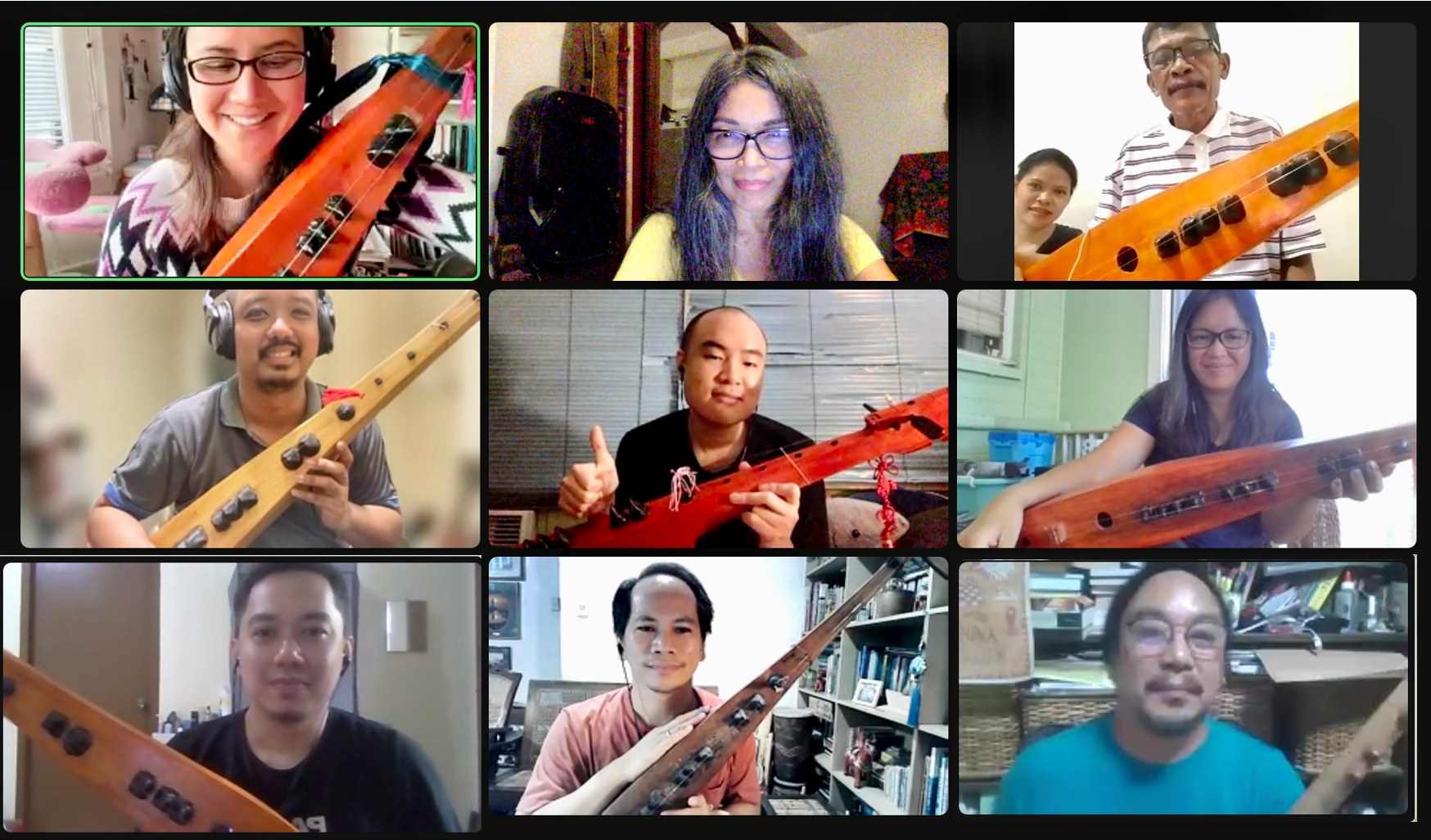
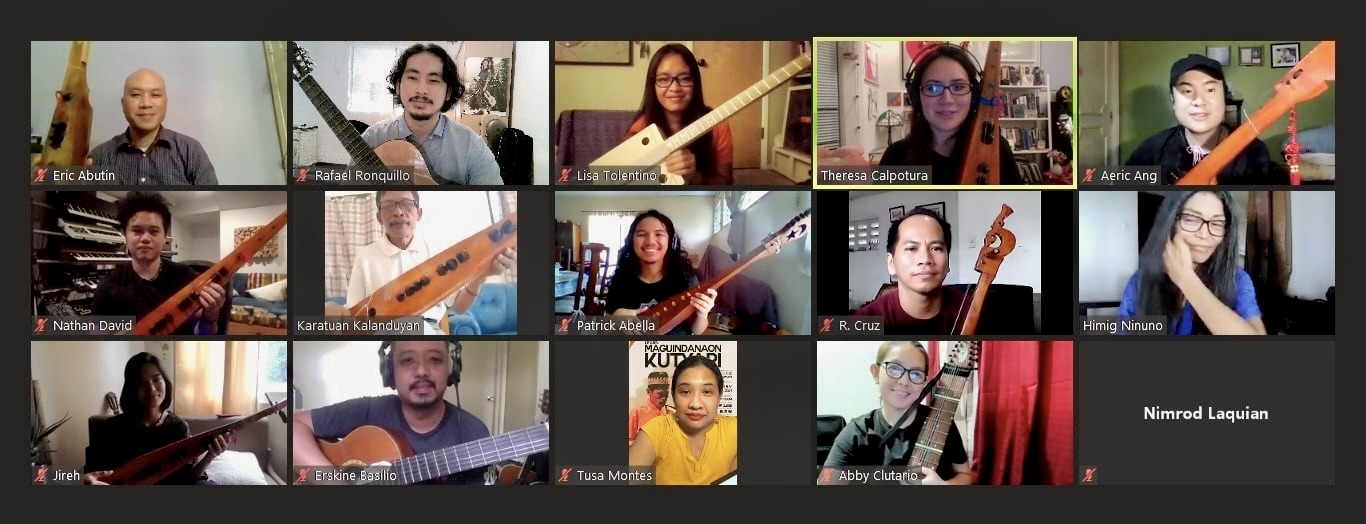
Complementing the community-based thrust of the School of Living Traditions is Himig, Tula, at Galaw ng Ninuno that is taught by Culture Bearers who are open to teaching aspects of their knowledges across ethnic and cultural boundaries. Himig, Tula, at Galaw ng Ninuno currently offers online courses on the Maguindanaoan Kutiyapi (2-string lute), Maguindanaoan Kulintang (gong-chime set), Yakan Pansak (dance), Tausug Langka Kuntaw (martial arts-dance), Ibanag Berso (sung oral tradition), Hiligaynon Komposo (sung oral tradition), Panay-Bukidnon Tambol (drum), and Panay-Bukidnon Subing (mouth harp). The classes are facilitated by mostly university professors or independent practitioners who bridge the different music, poetry, and dance worlds by being, themselves, students of the Culture Bearers they facilitate. Through the mediated, secondary oral mode of transmission, students learn music, poetry, and dance practices and their larger socio-historical contexts in ways that stress ethical responsibility to the sources of knowledge.
Photos




Pamati
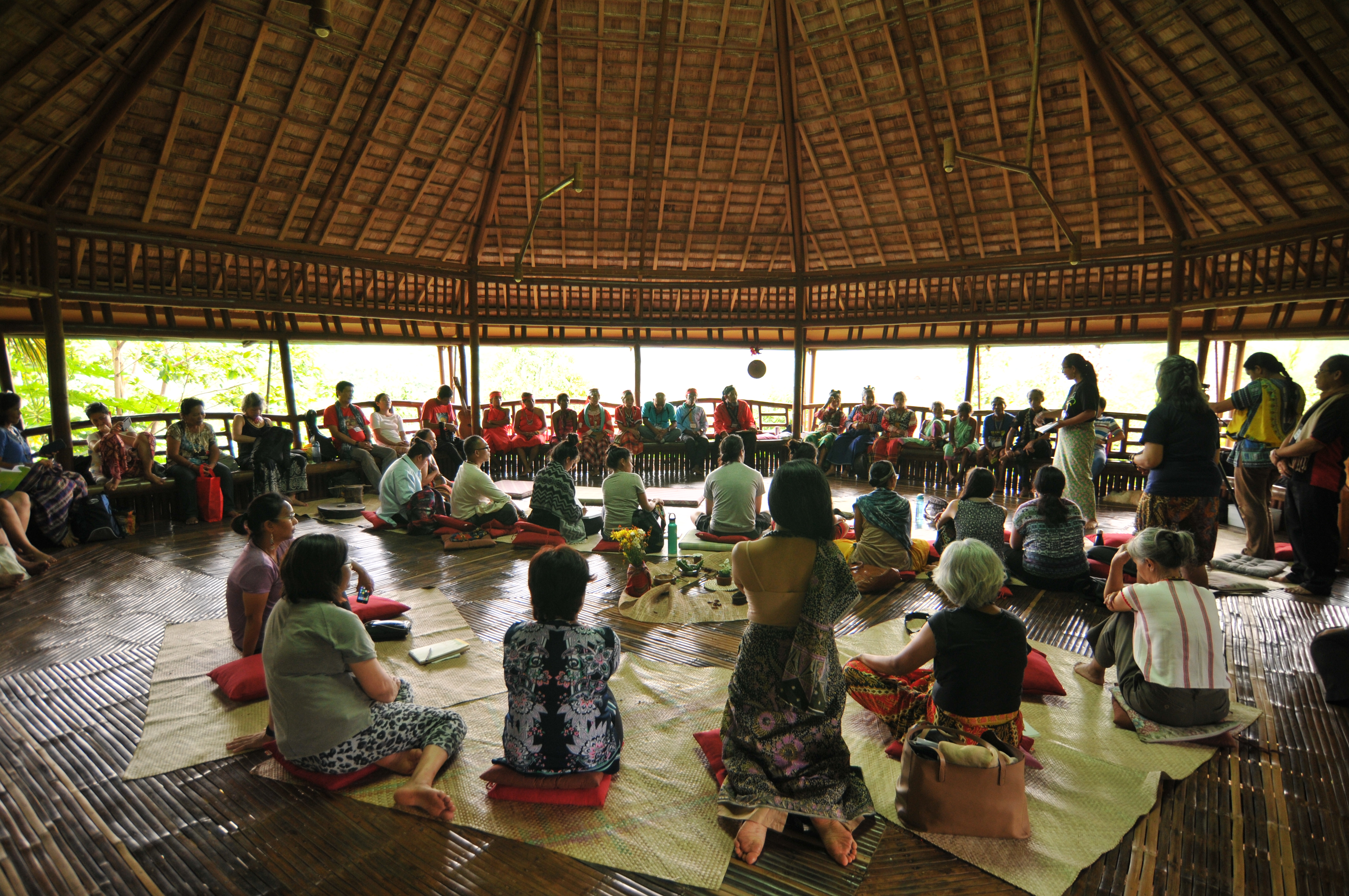
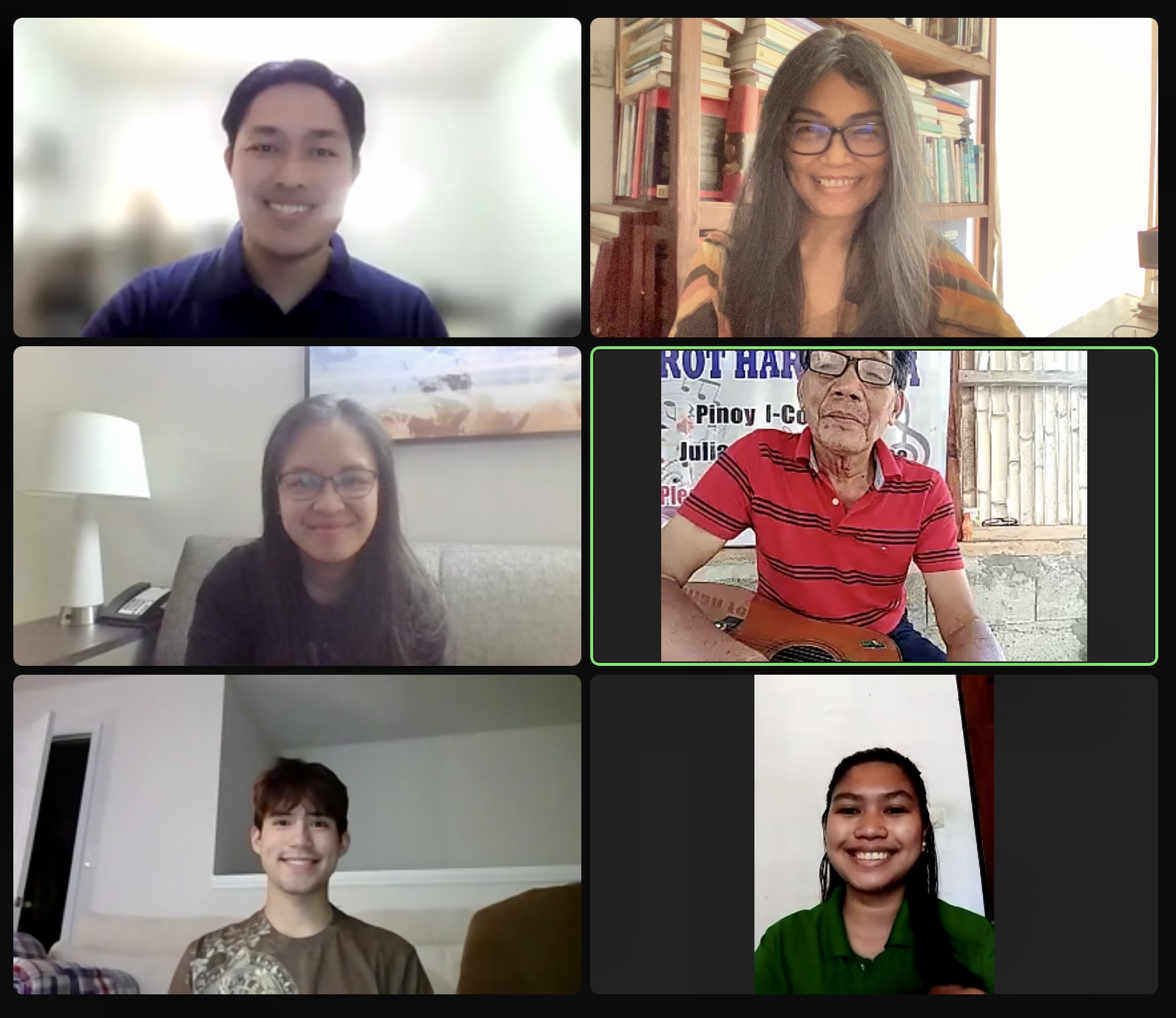
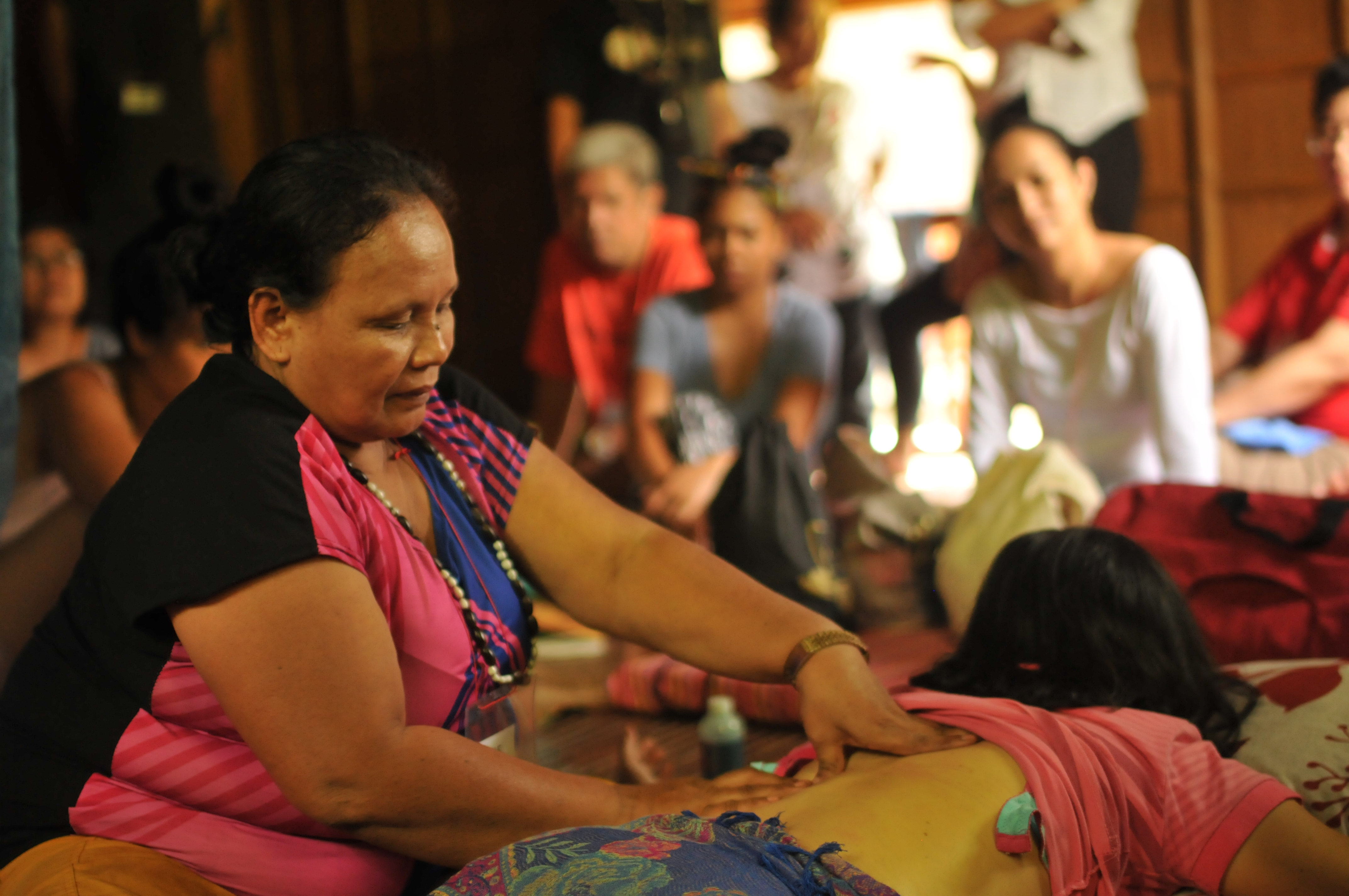
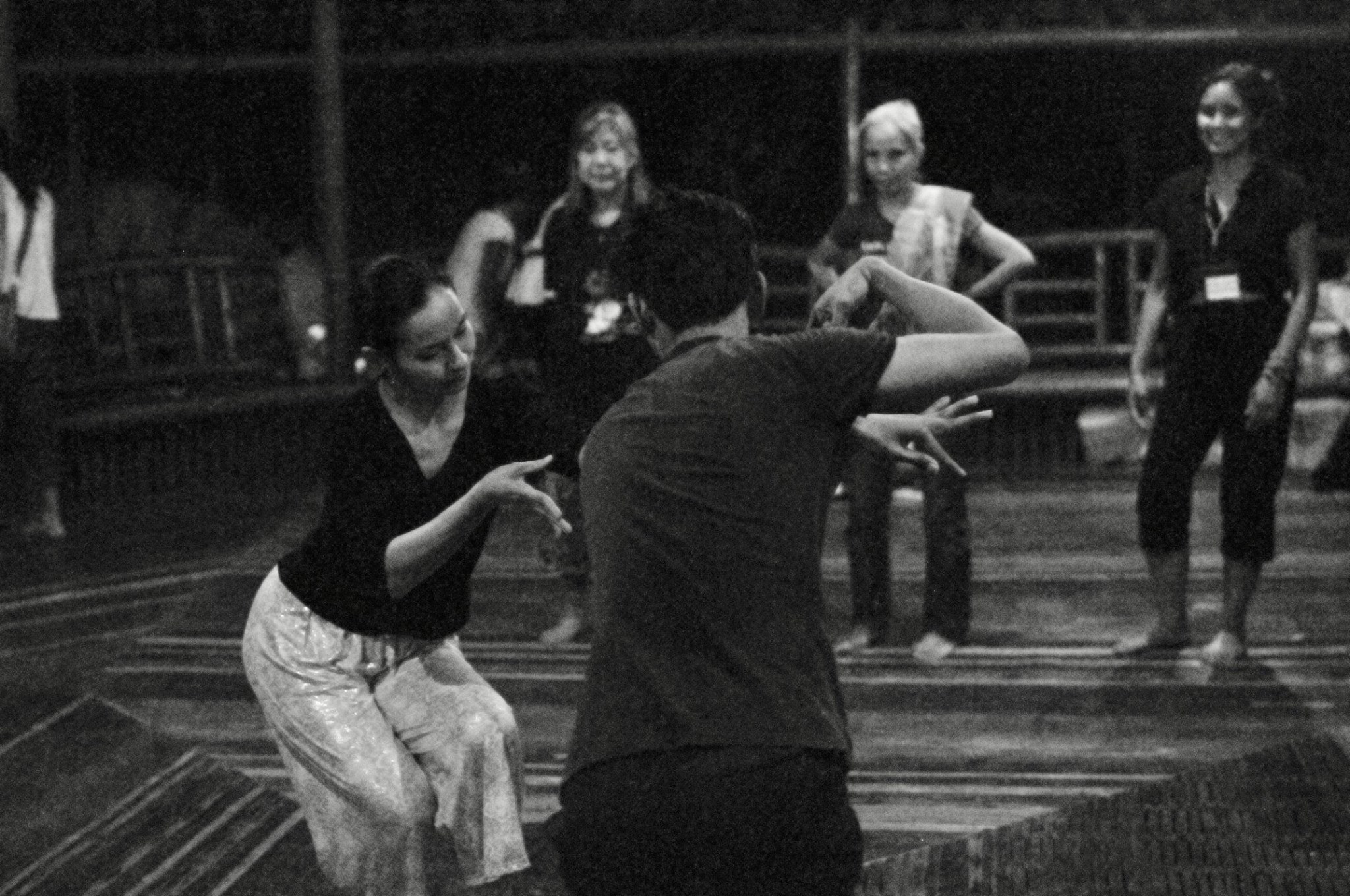
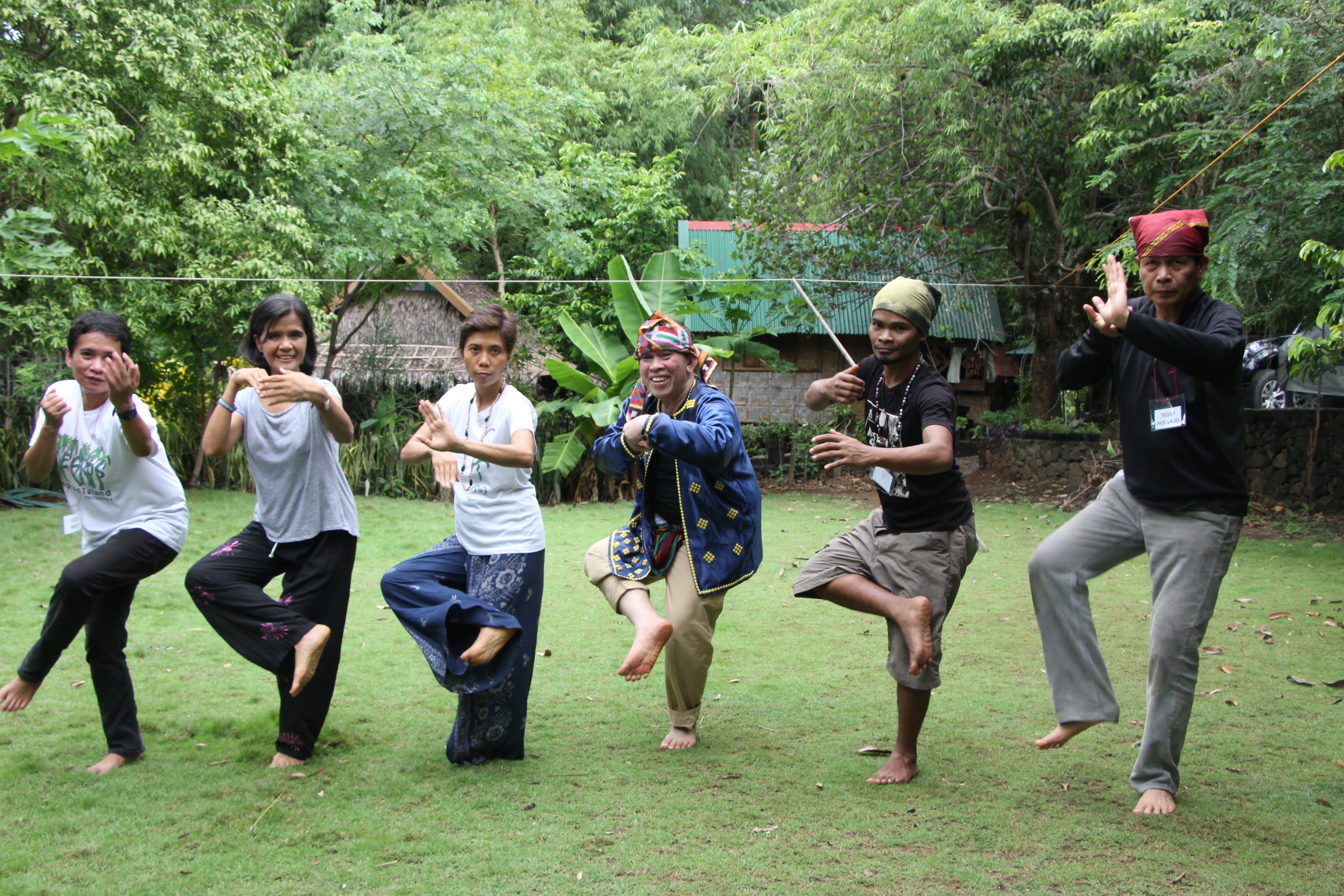
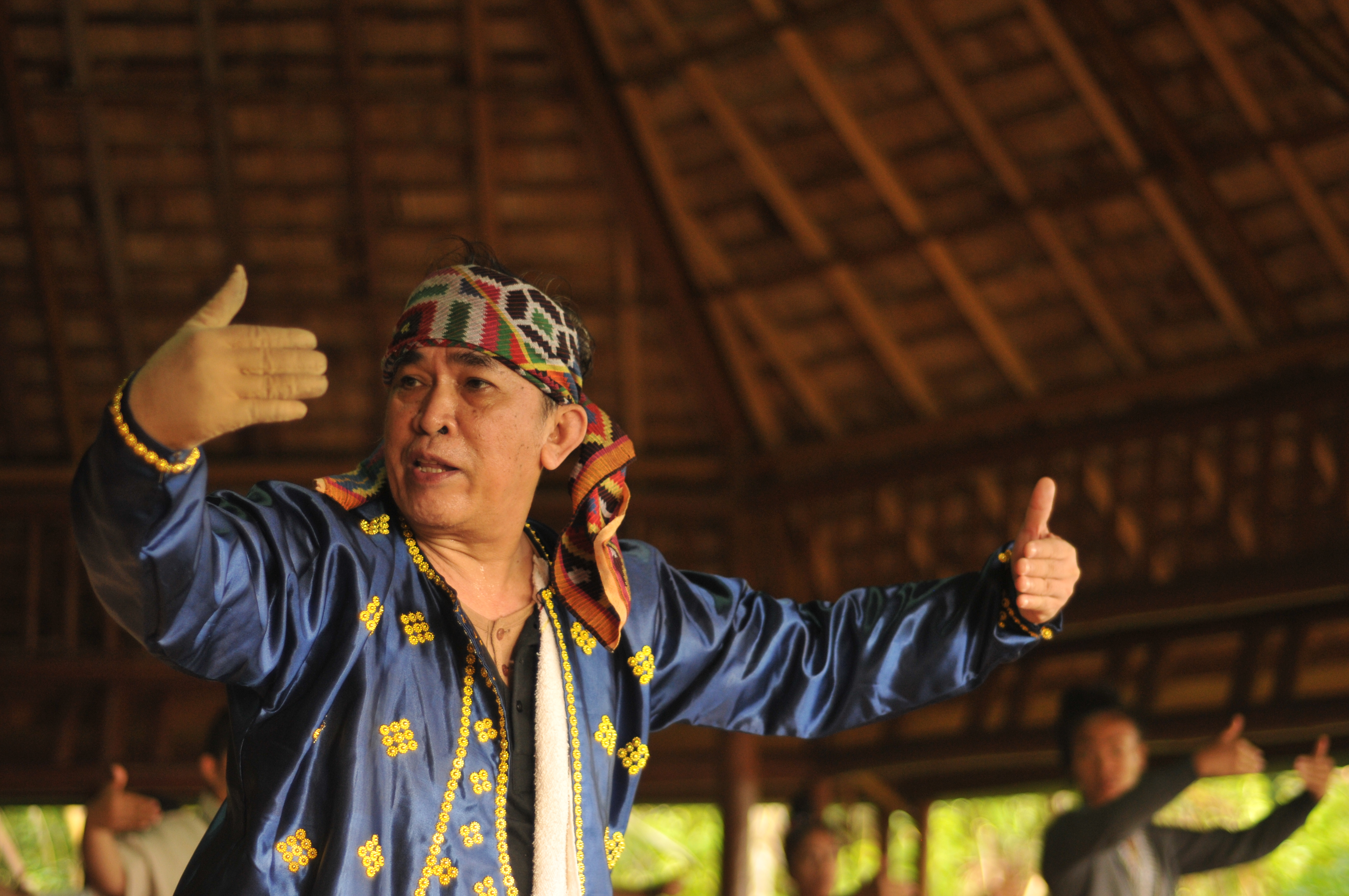
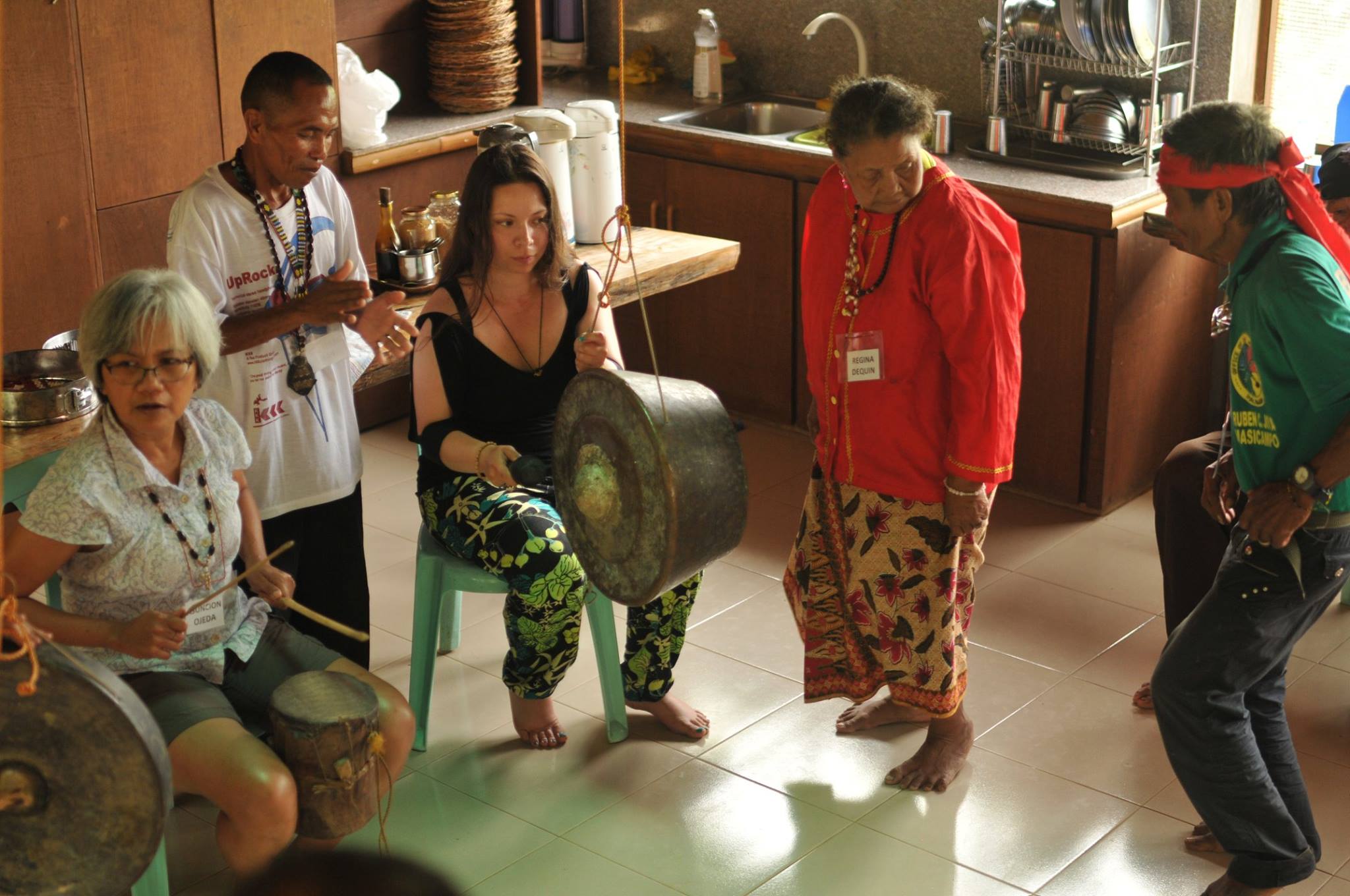
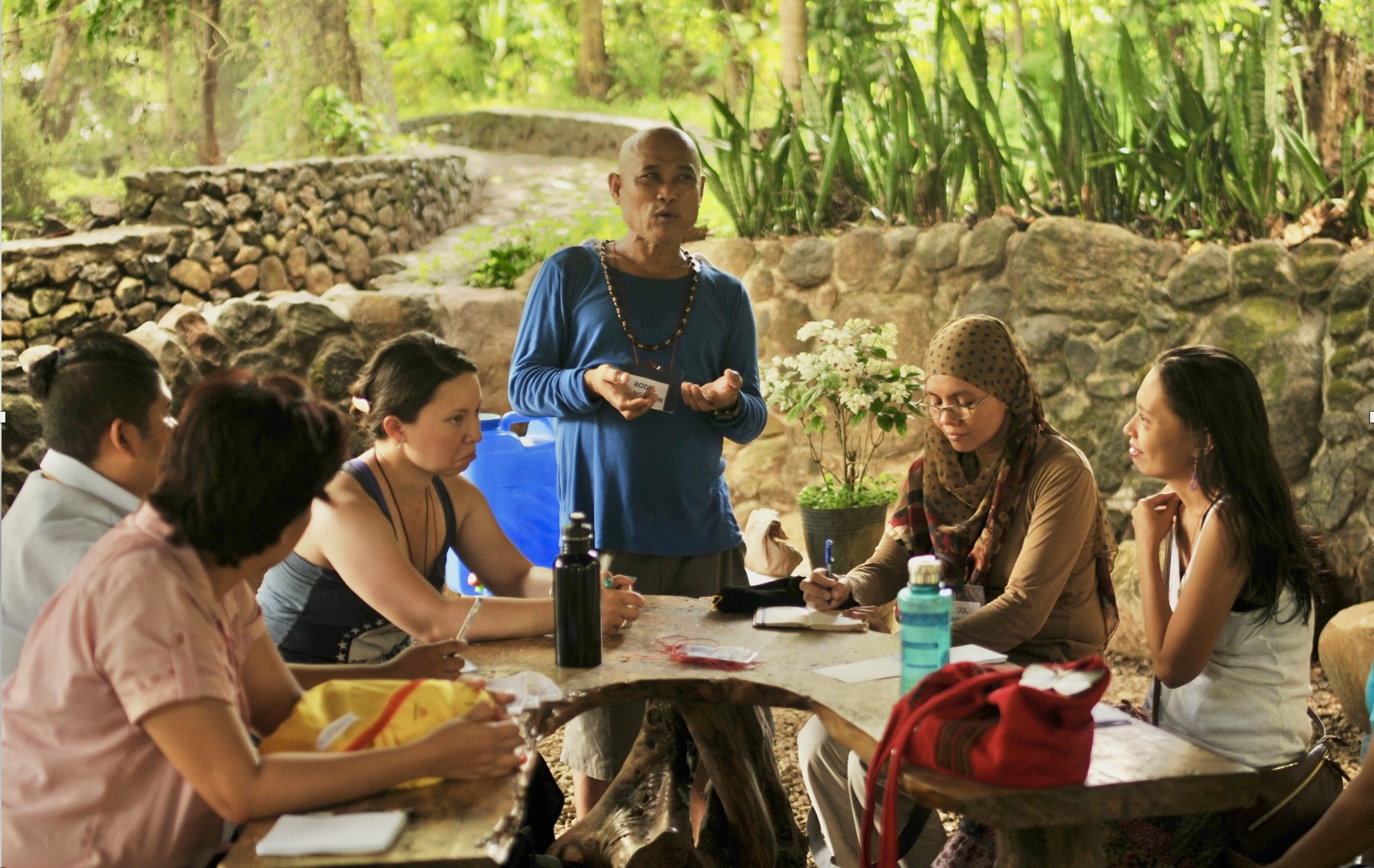
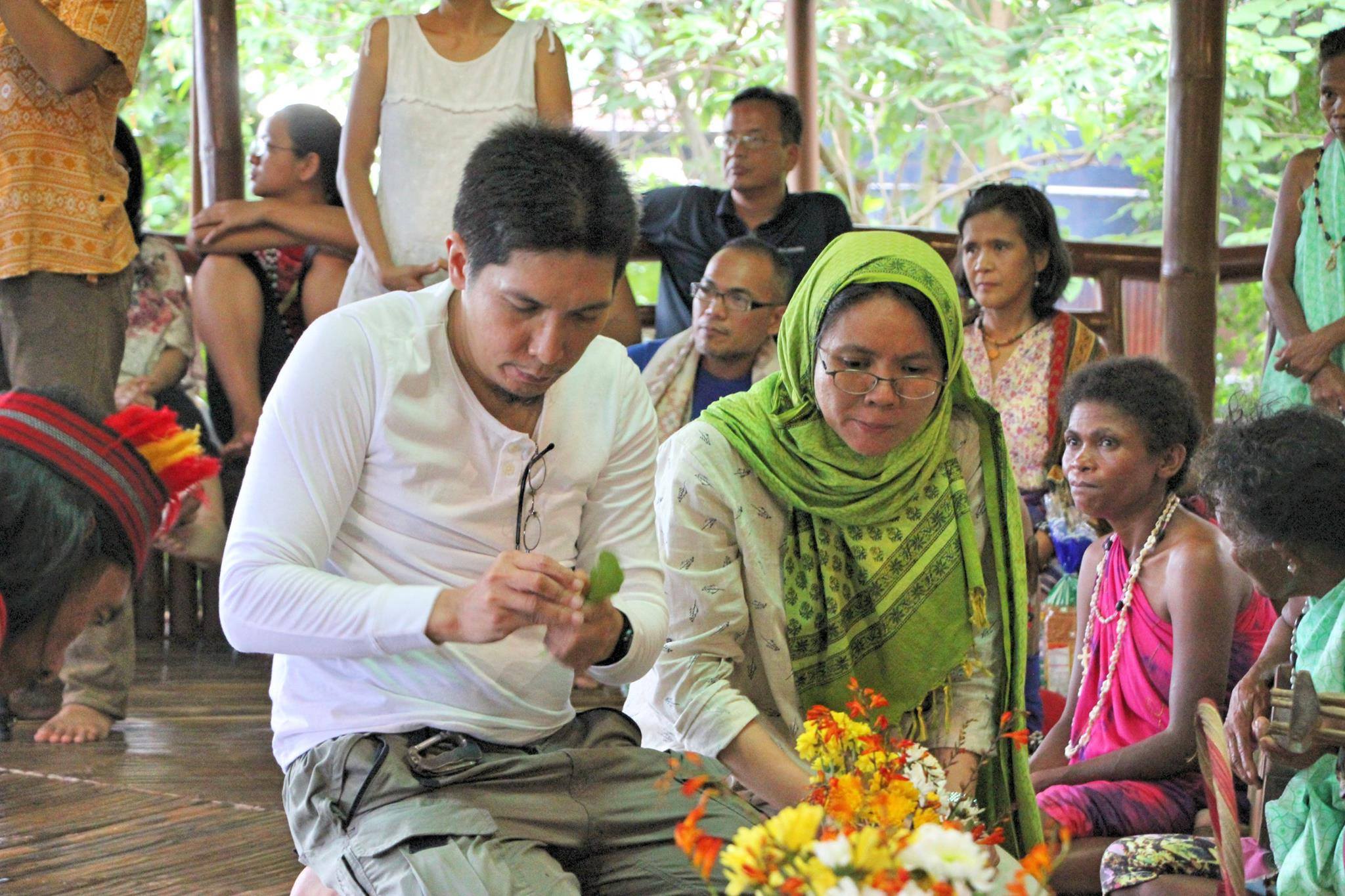
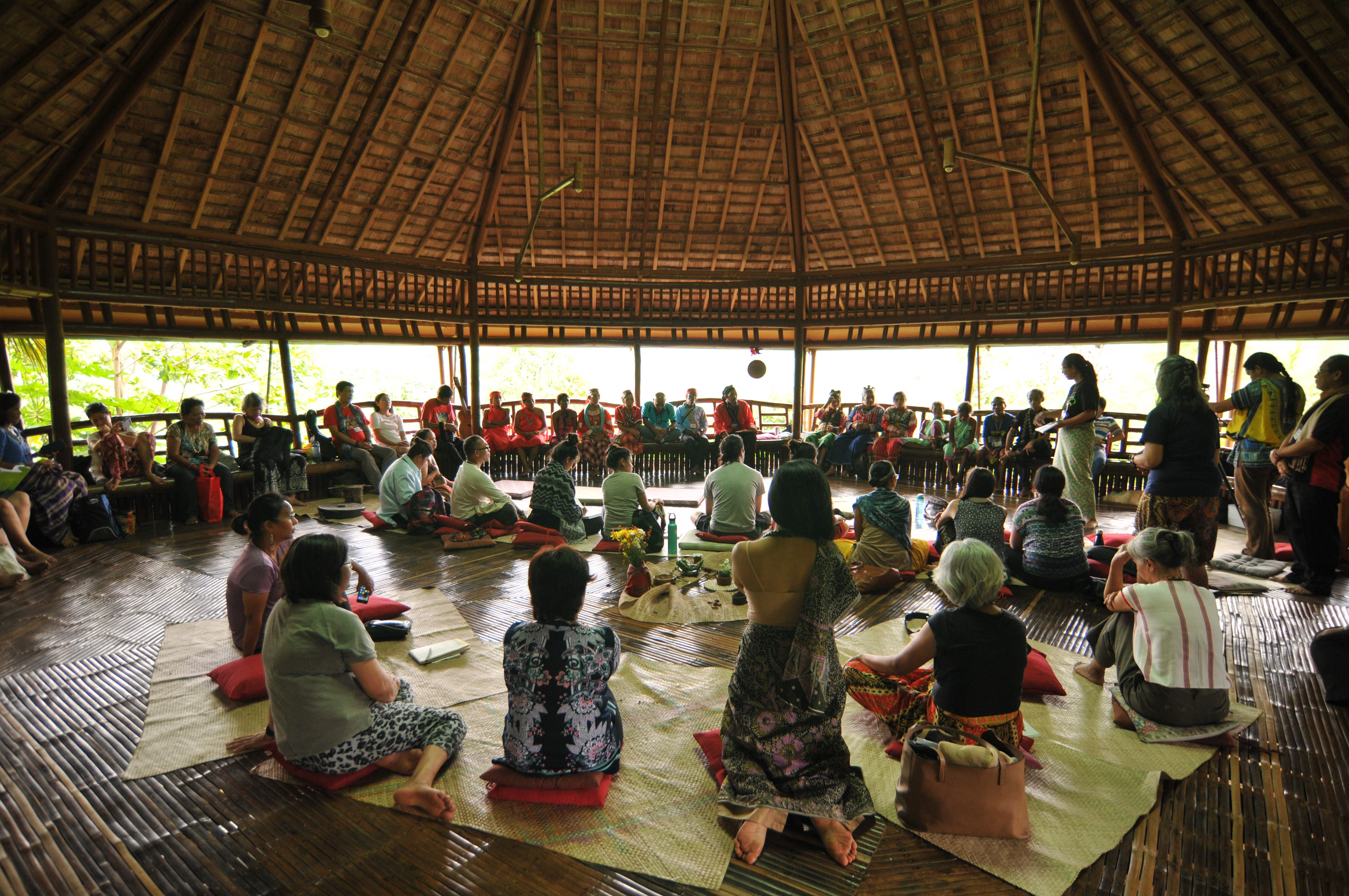
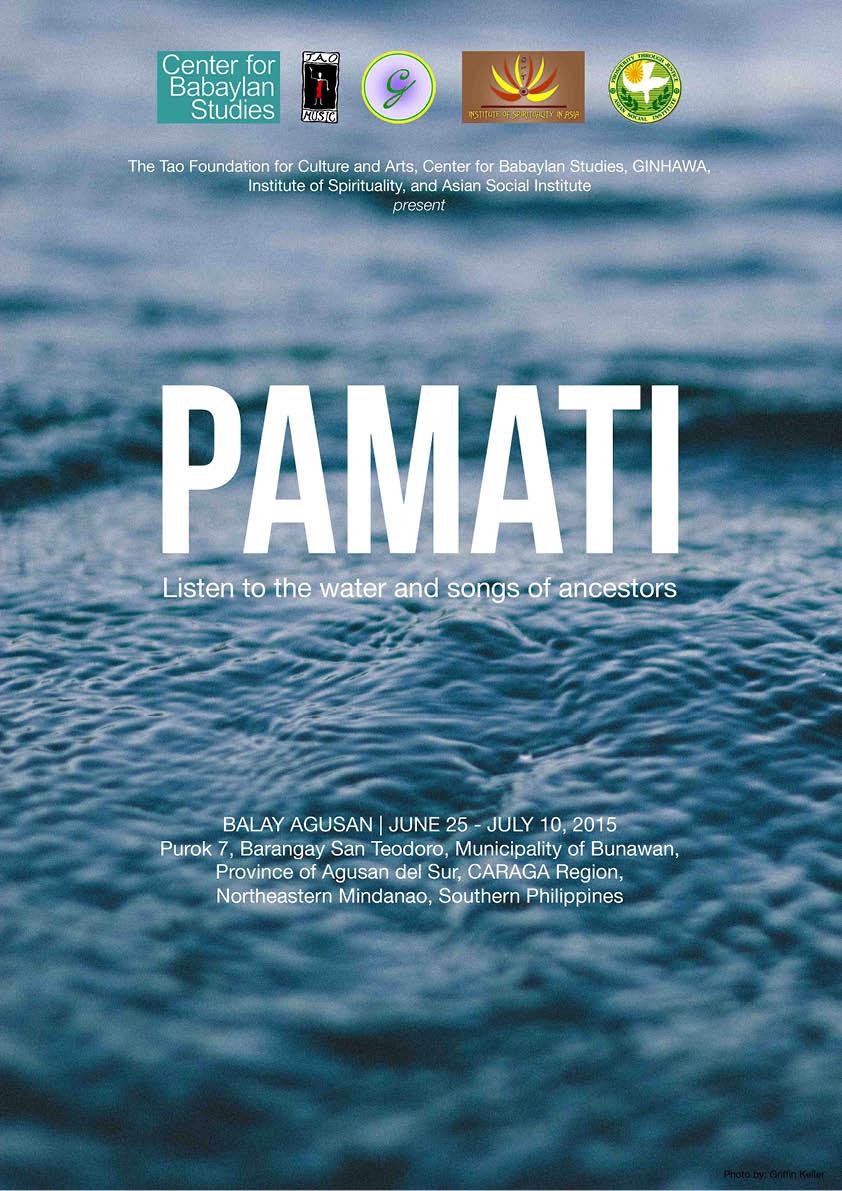
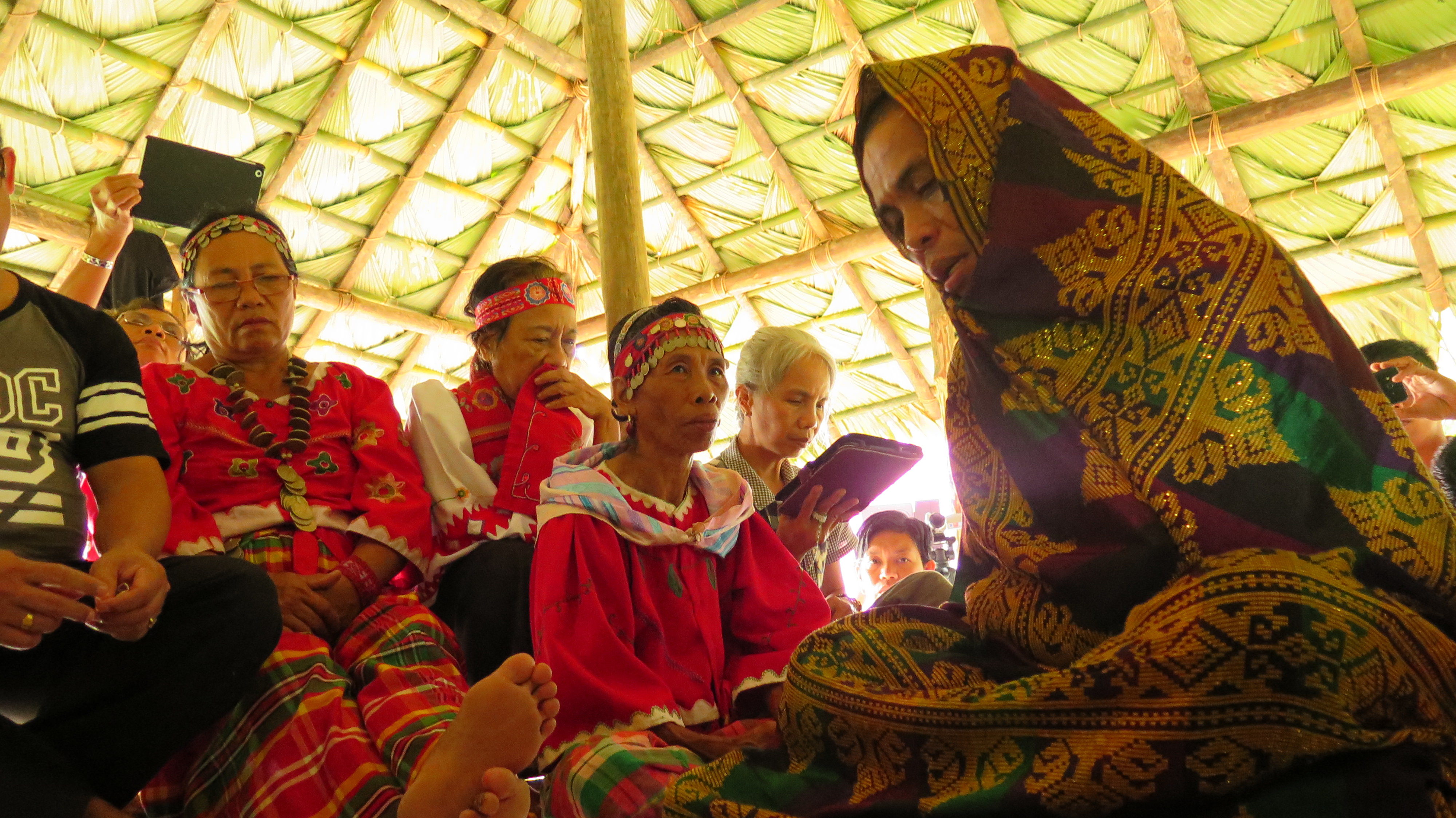
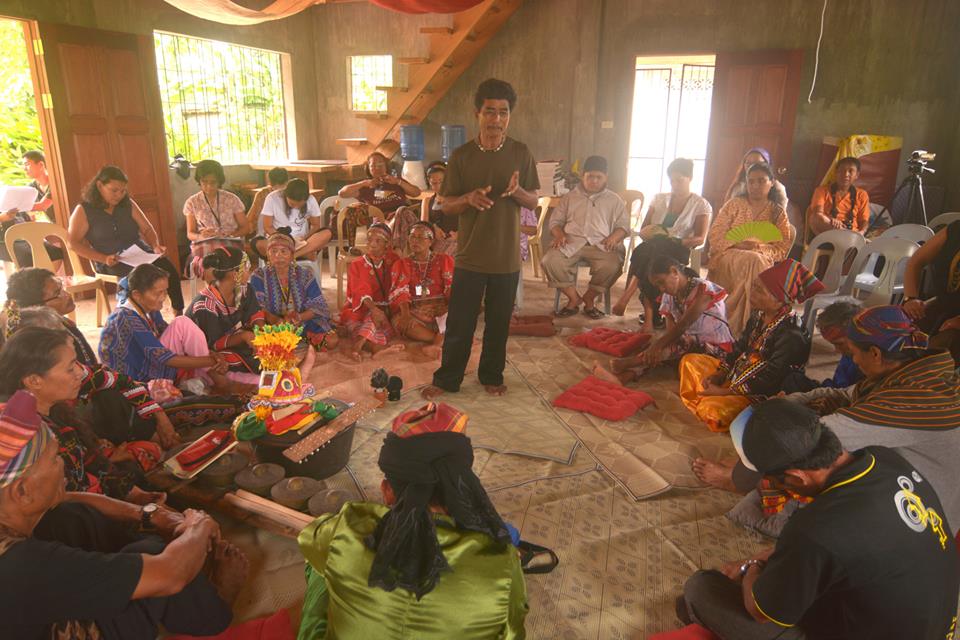
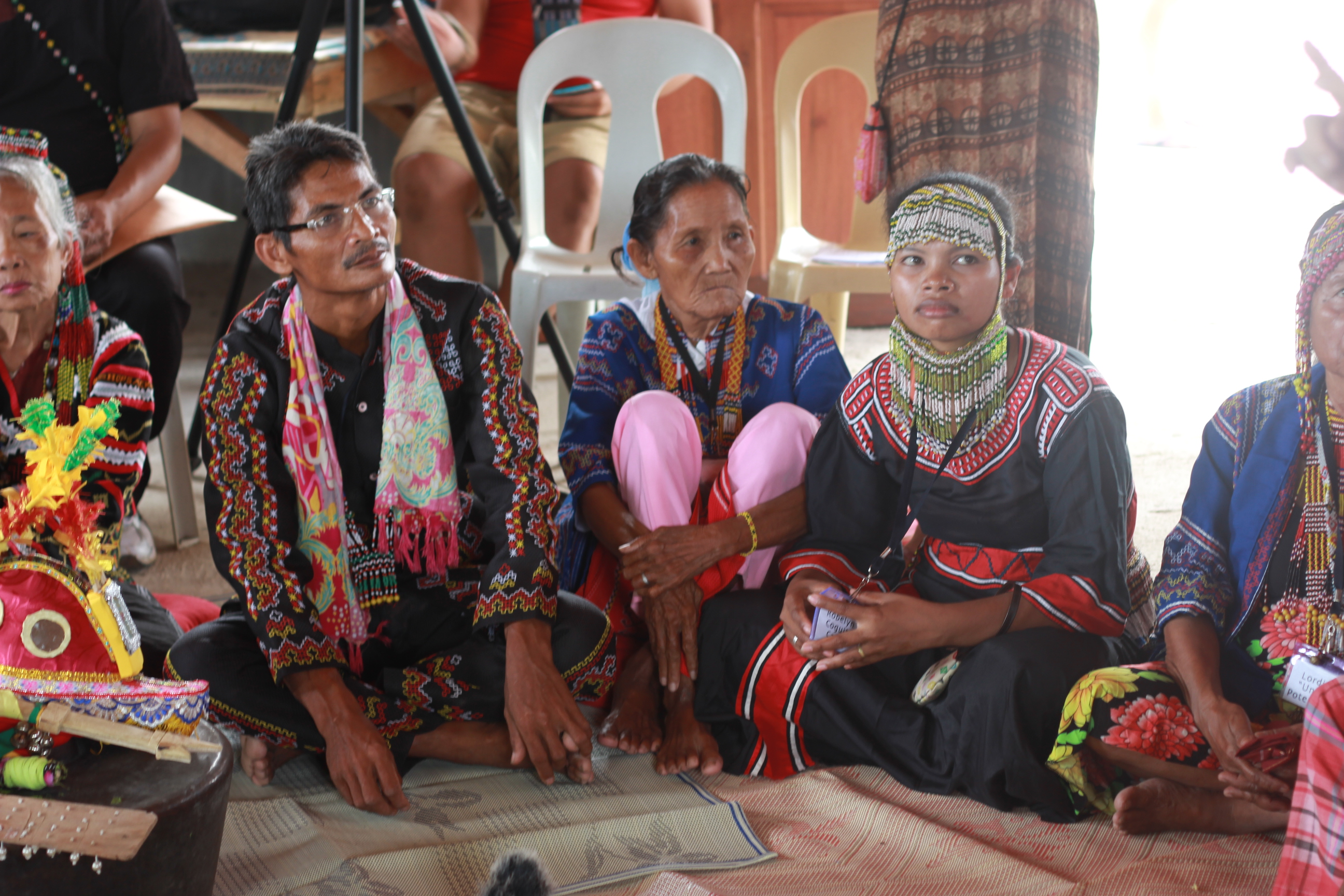
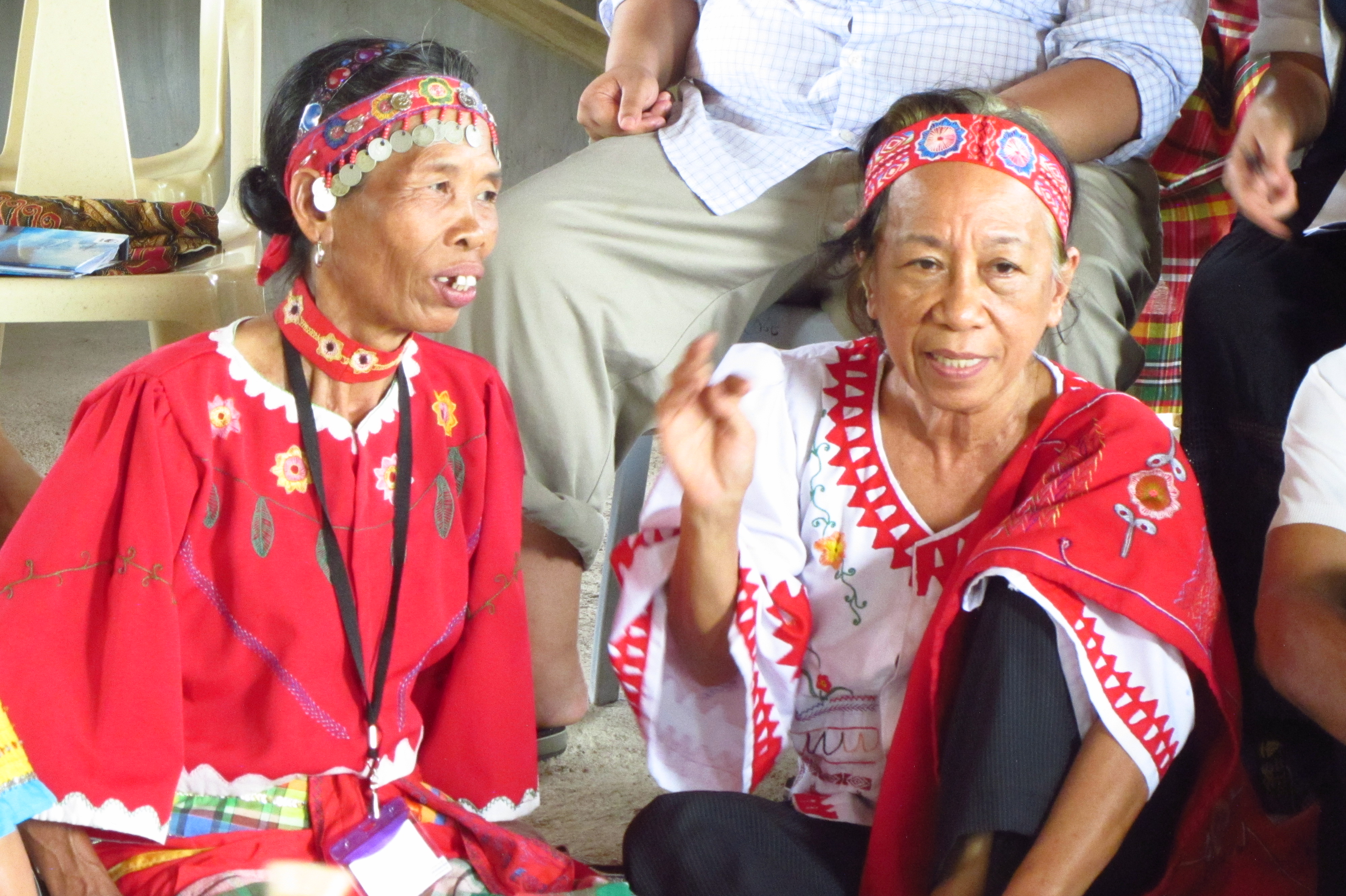
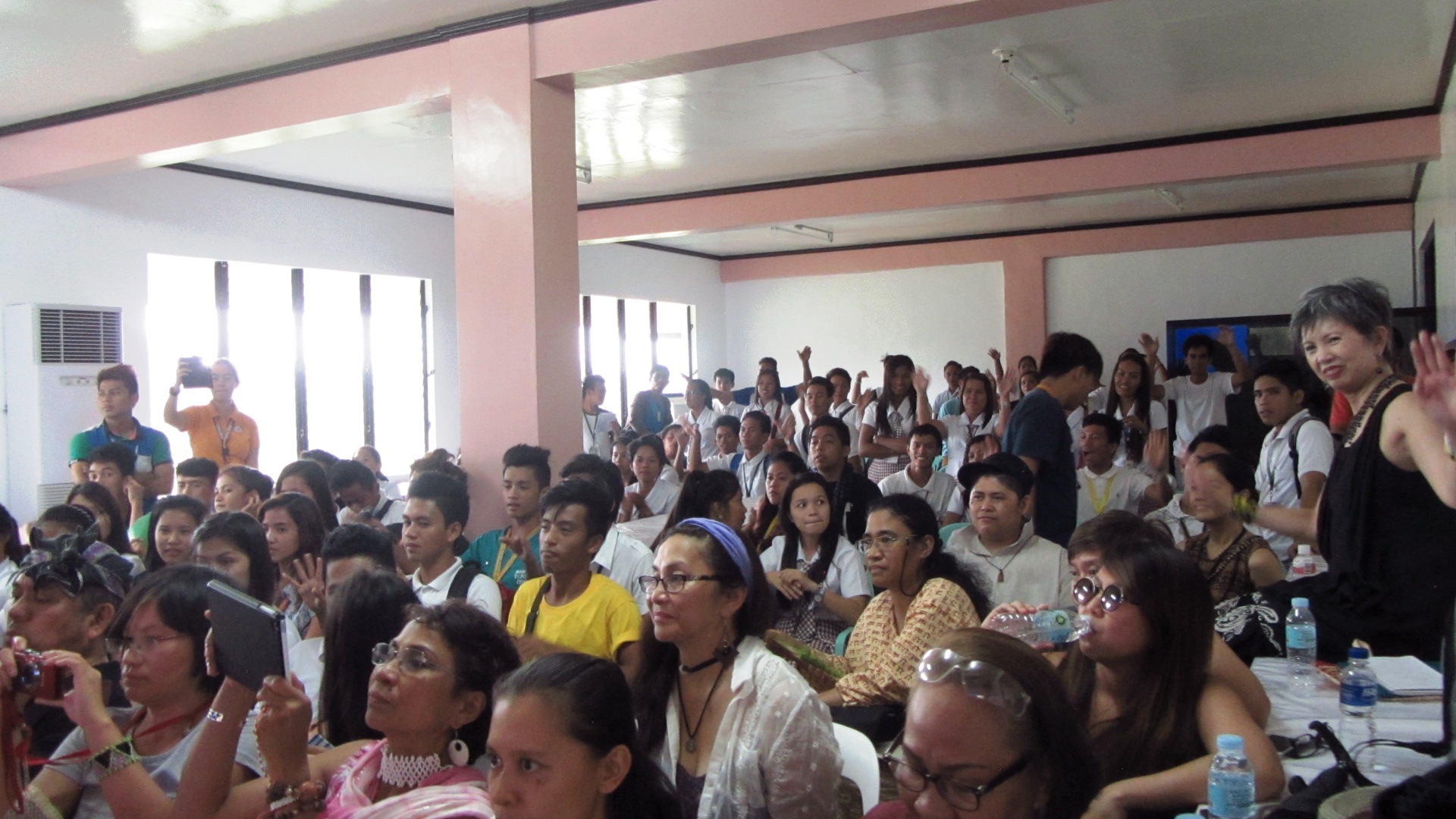
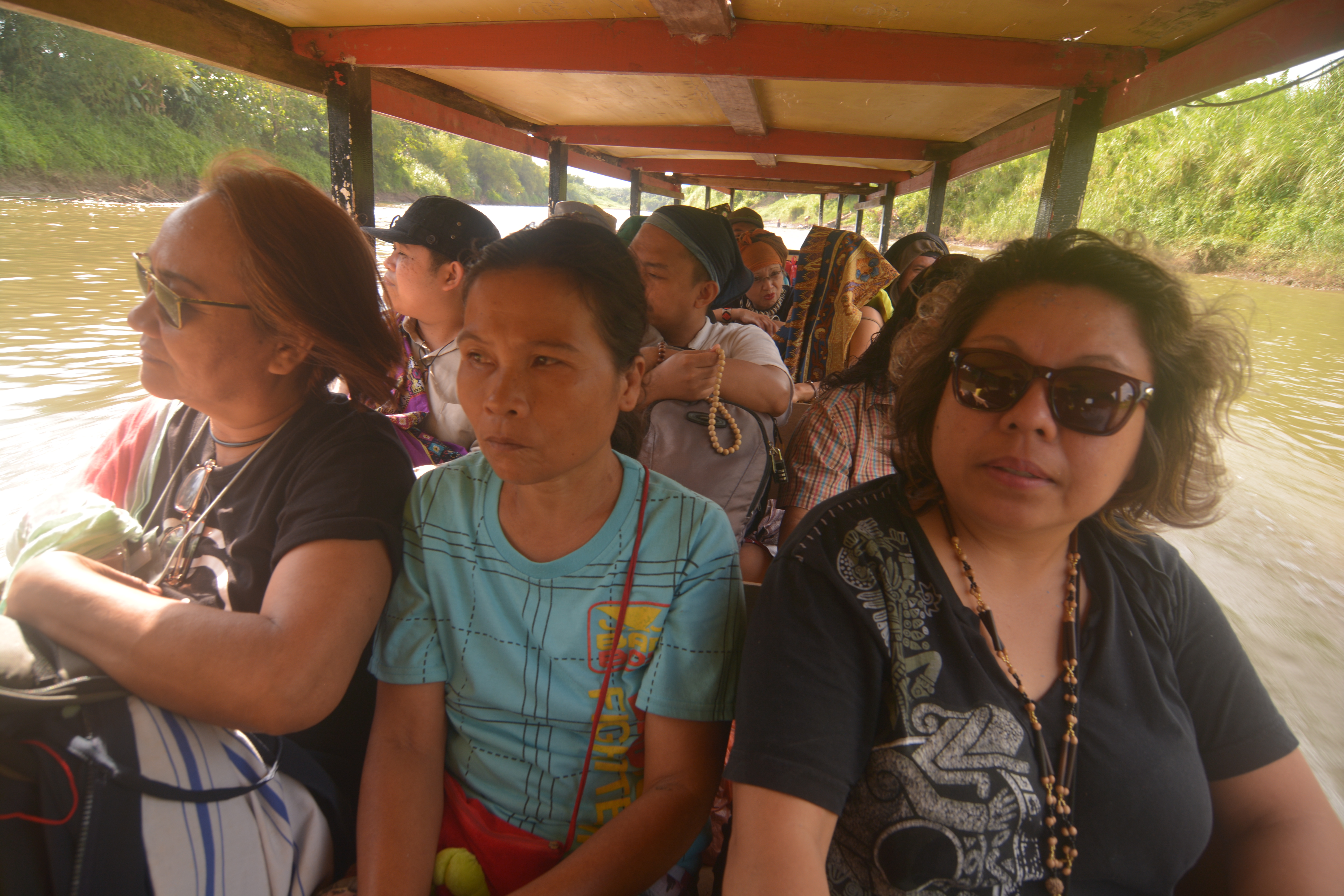
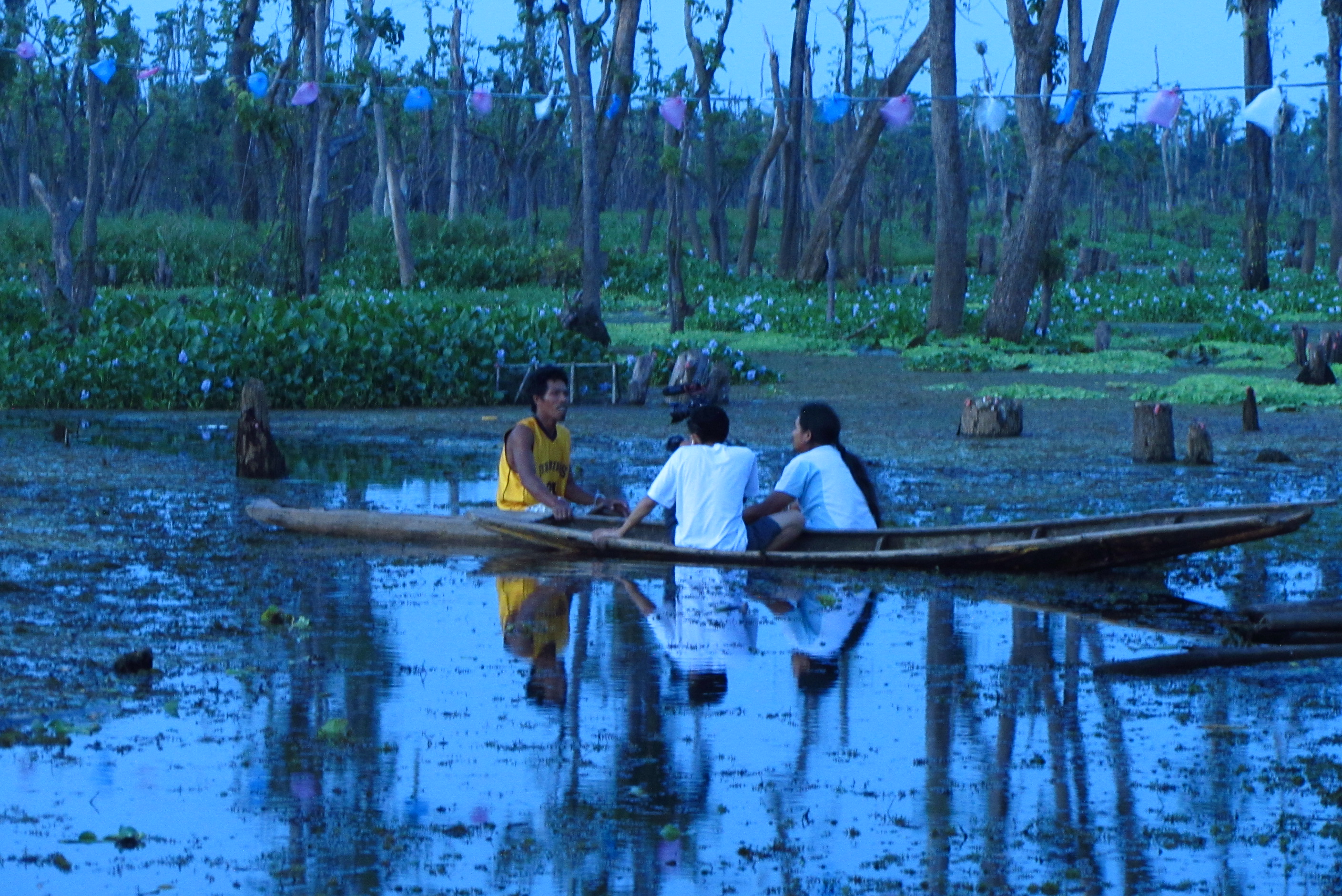
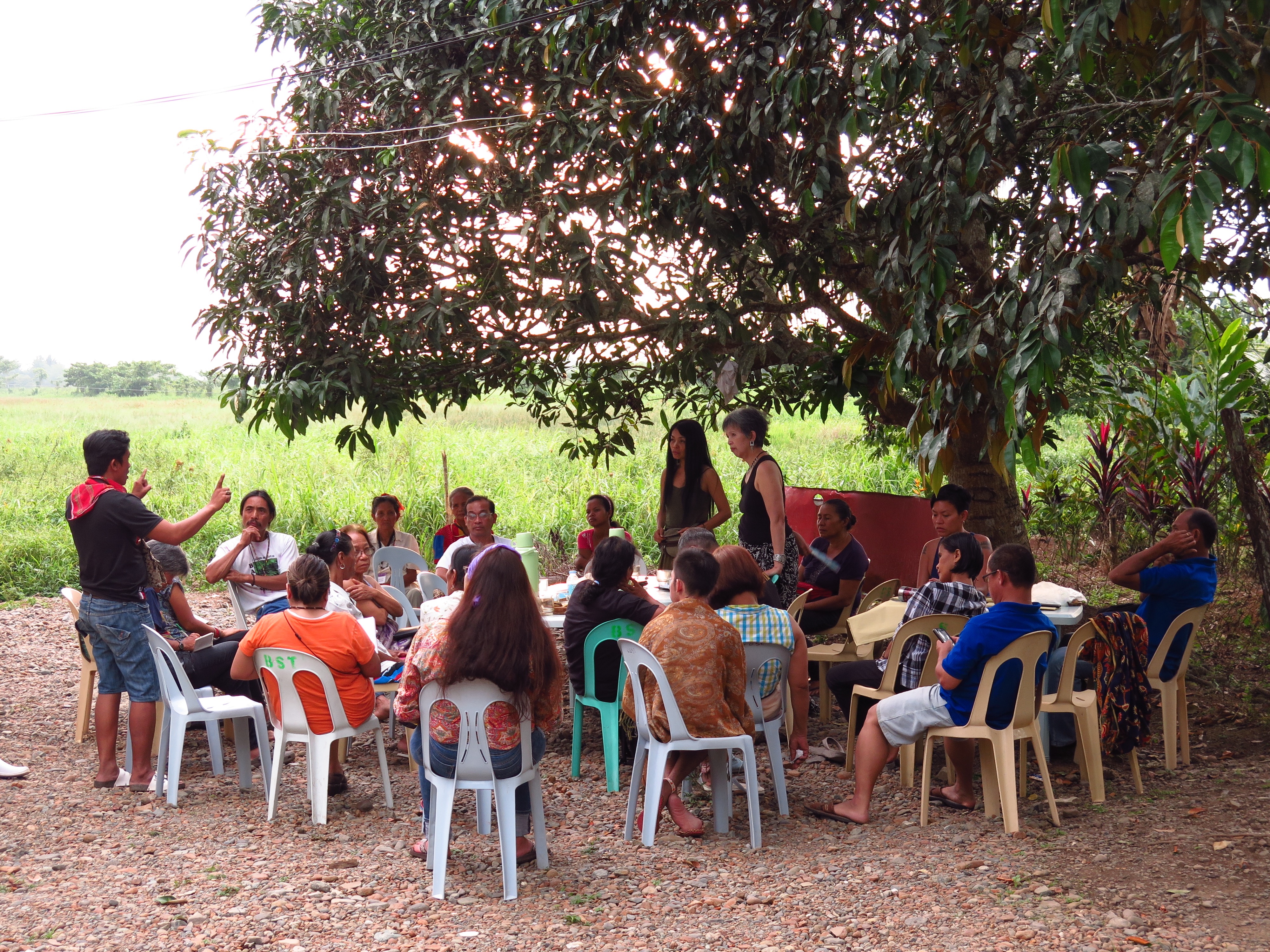
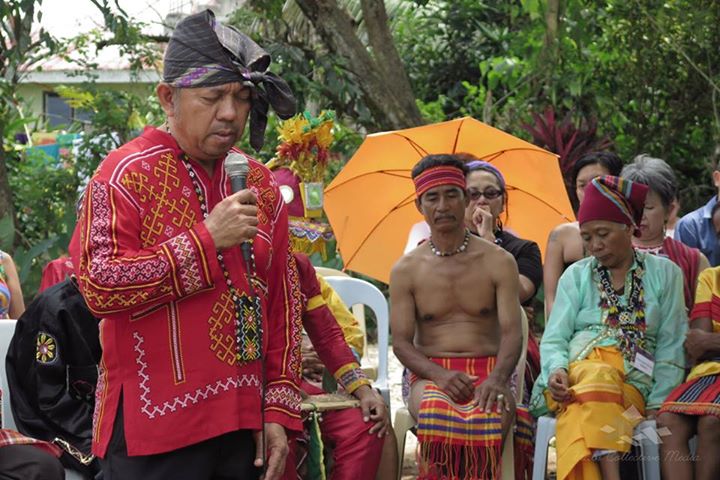
PAMATI is a Cebuano-Visayan verb that means “listen,” and noun that means “feeling.” It refers to a gathering of a small group of Philippine faith tradition leaders and adherents: Indigenous, Catholic, Protestant, Muslim, who come together in dialogue and mutual listening as a basis for seeing the dignity of the other. Conversations take place across languages and take the form of stories, chants and music, dance, arts and crafts, nature immersion, and ceremony, intended to help give voice to historical trauma, and to heal enmity and separation. Also participating in Pamati are a small group of mostly Philippine and Philippine-descended scholars, artists, healers, peace advocates, regenerative agriculture practitioners, gender activists, environment and social justice workers who are interested to listen, learn, and share. Promoting mutual listening that privileges the voices of the historically marginalized, the invisible-lized, and the inaudible-lized, PAMATI is a Tao Foundation program in partnership with a number of ritual specialists and community leaders, as well as partner organizations that include the Center for Babaylan Studies, GINHAWA Growth in Wellness and Wellbeing Associates, the Institute of Spirituality in Asia, the Carl Jung Circle Center.
Photos and Videos, PAMATI 2017









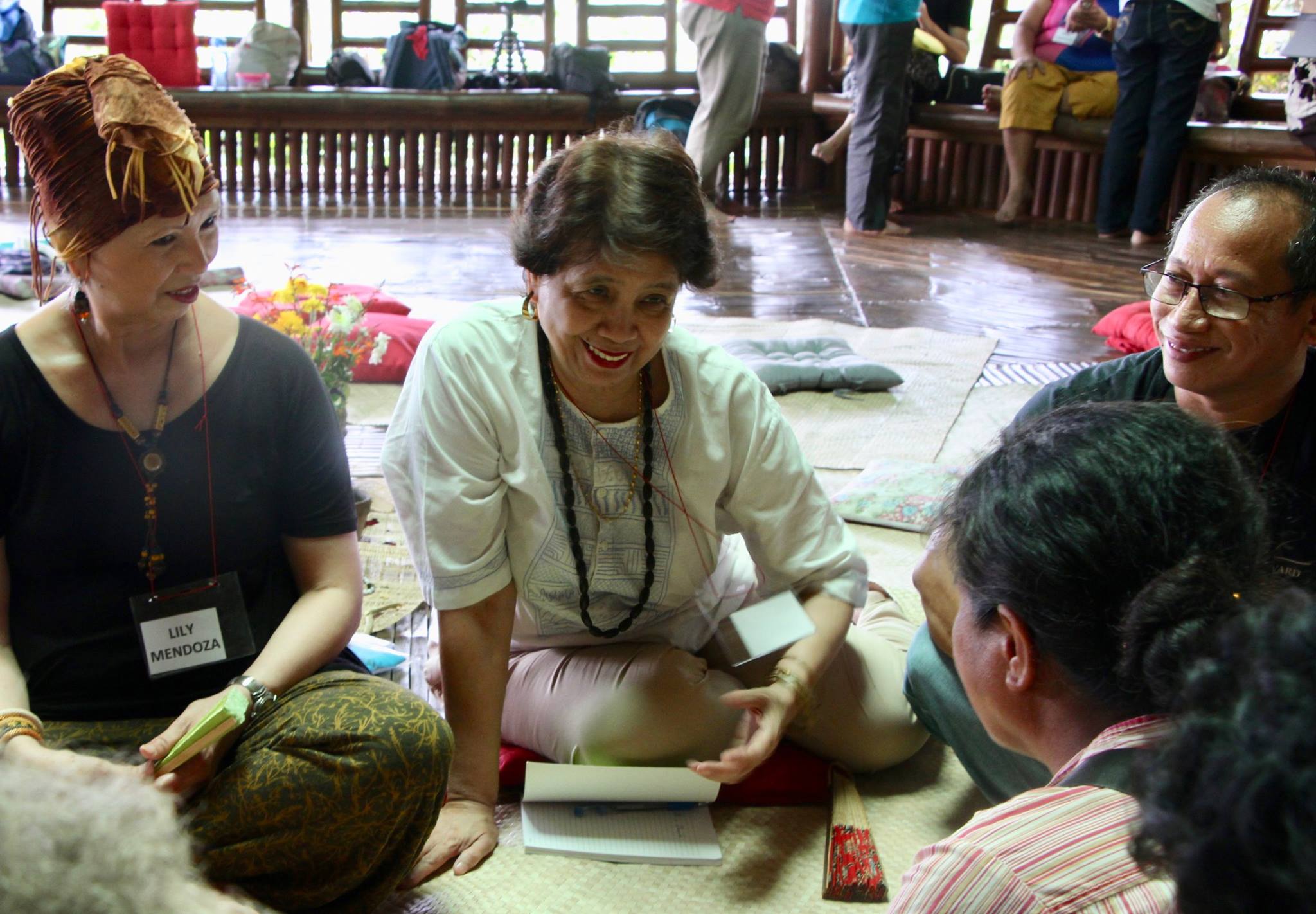
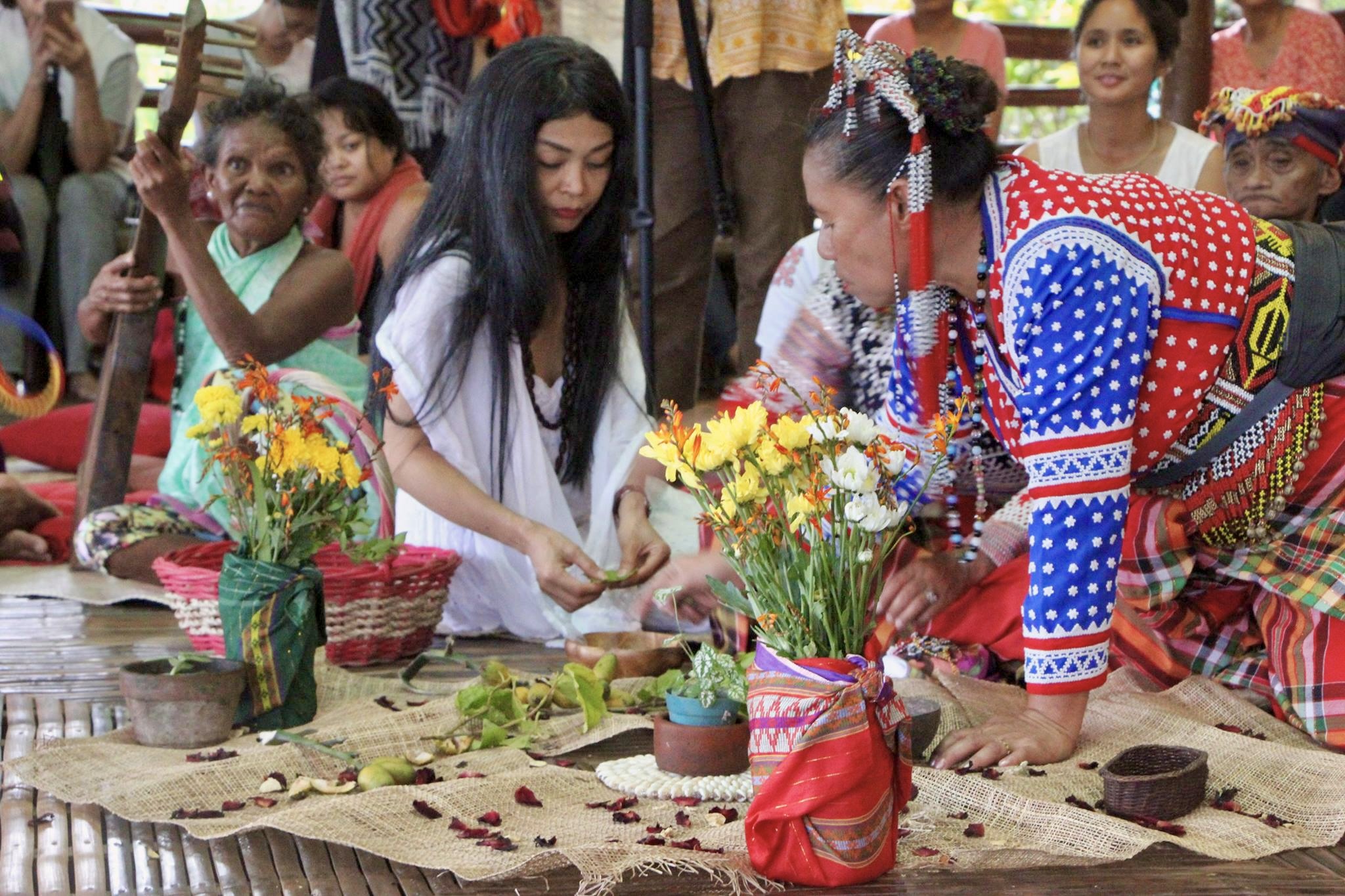

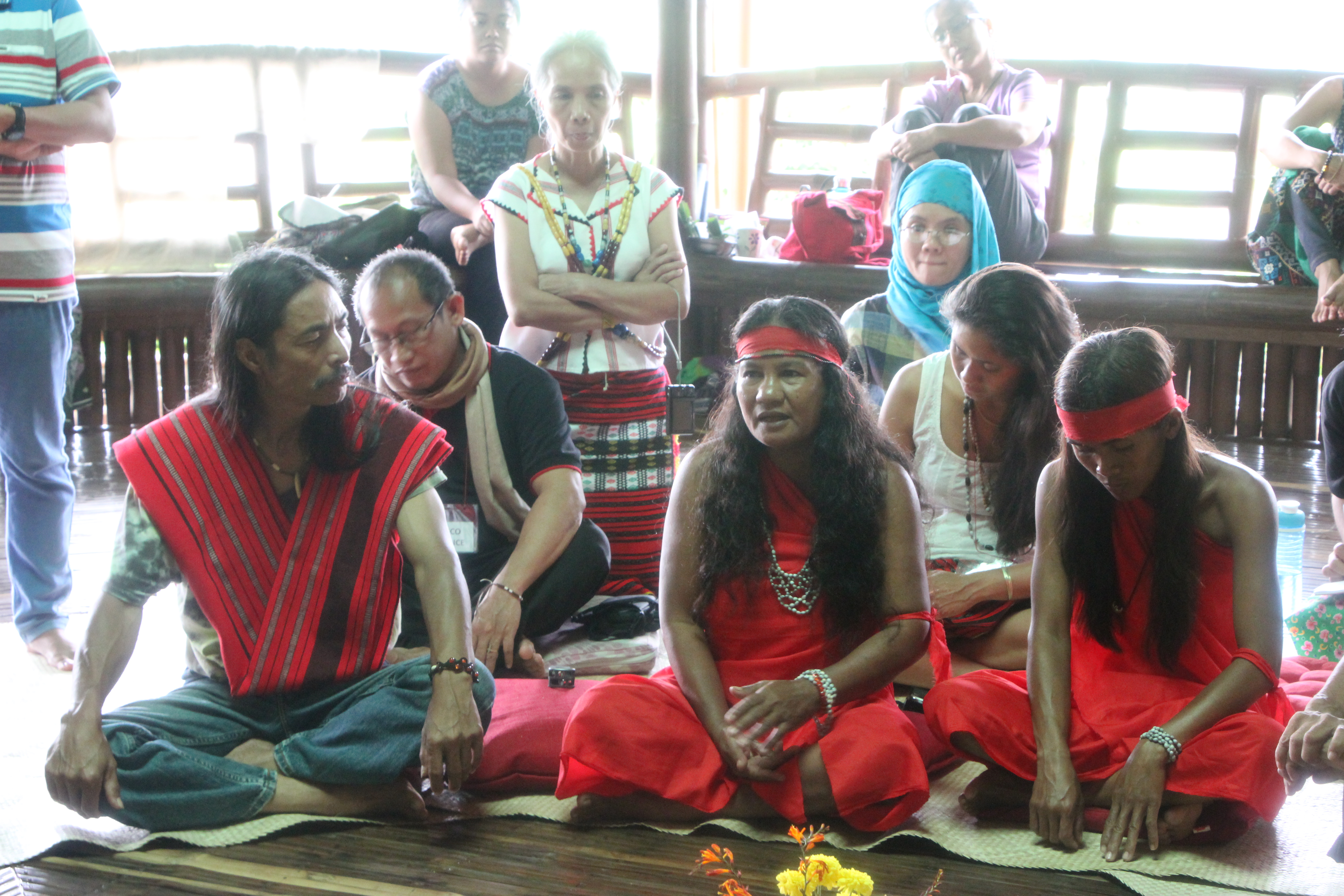

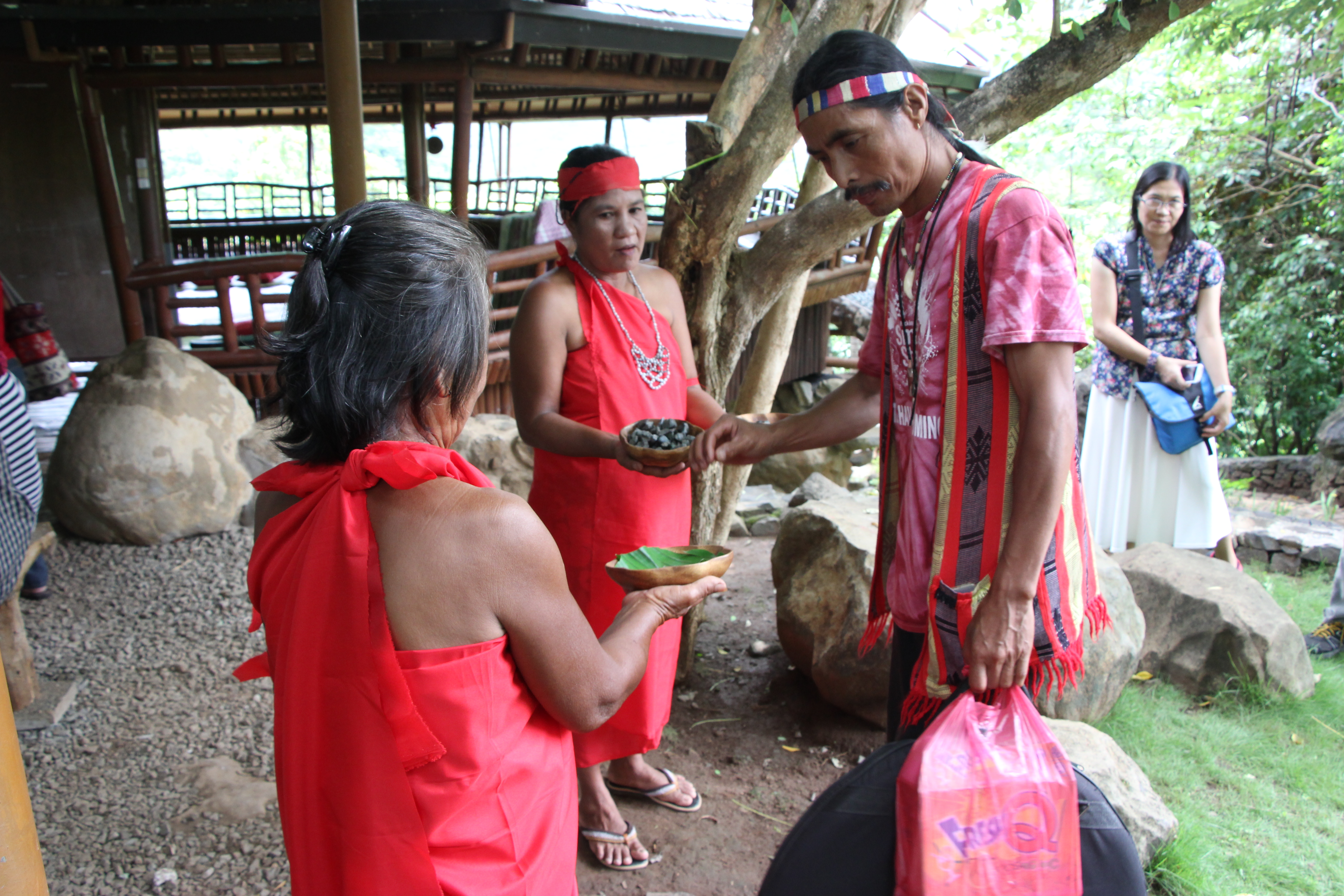
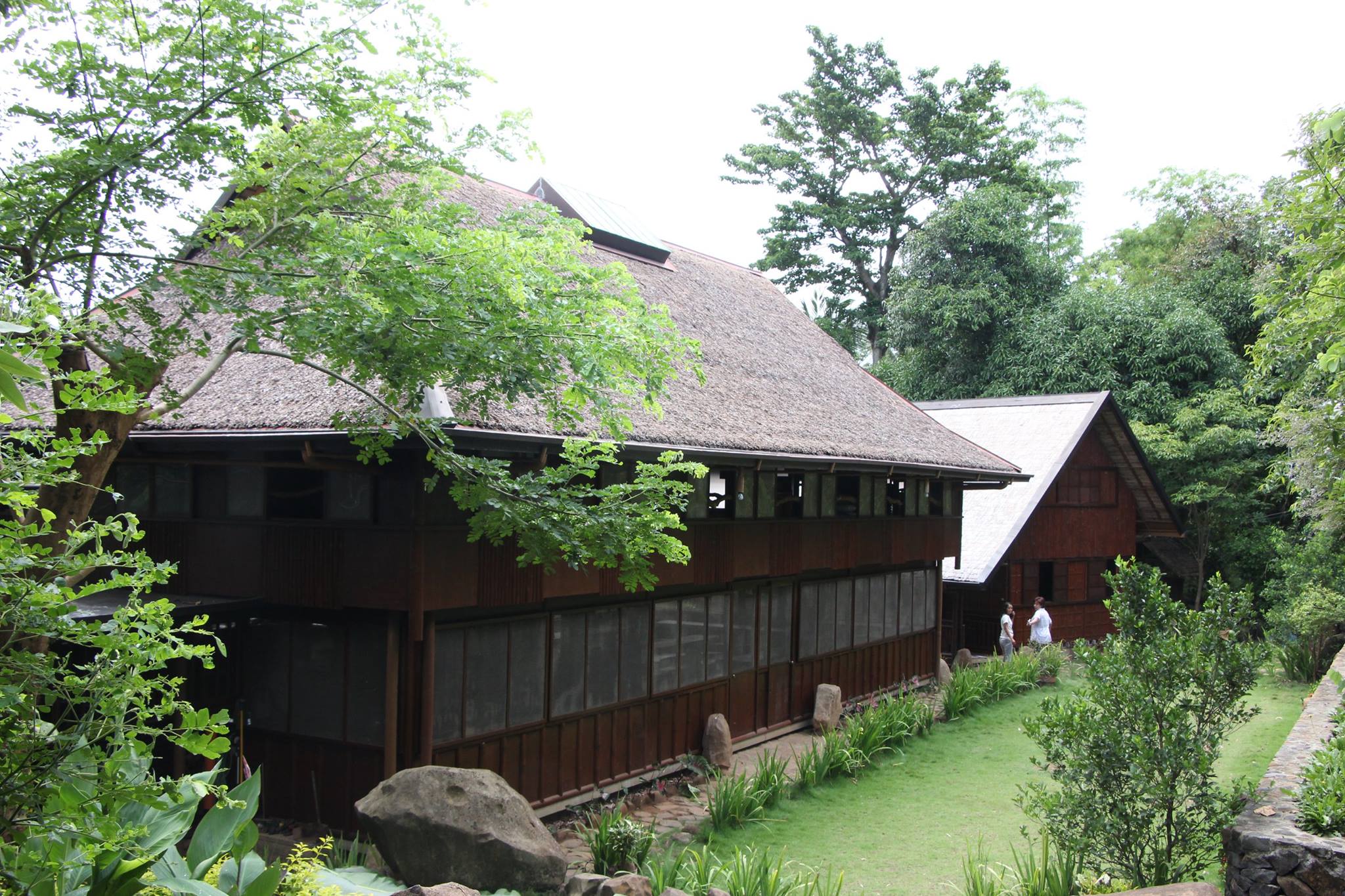
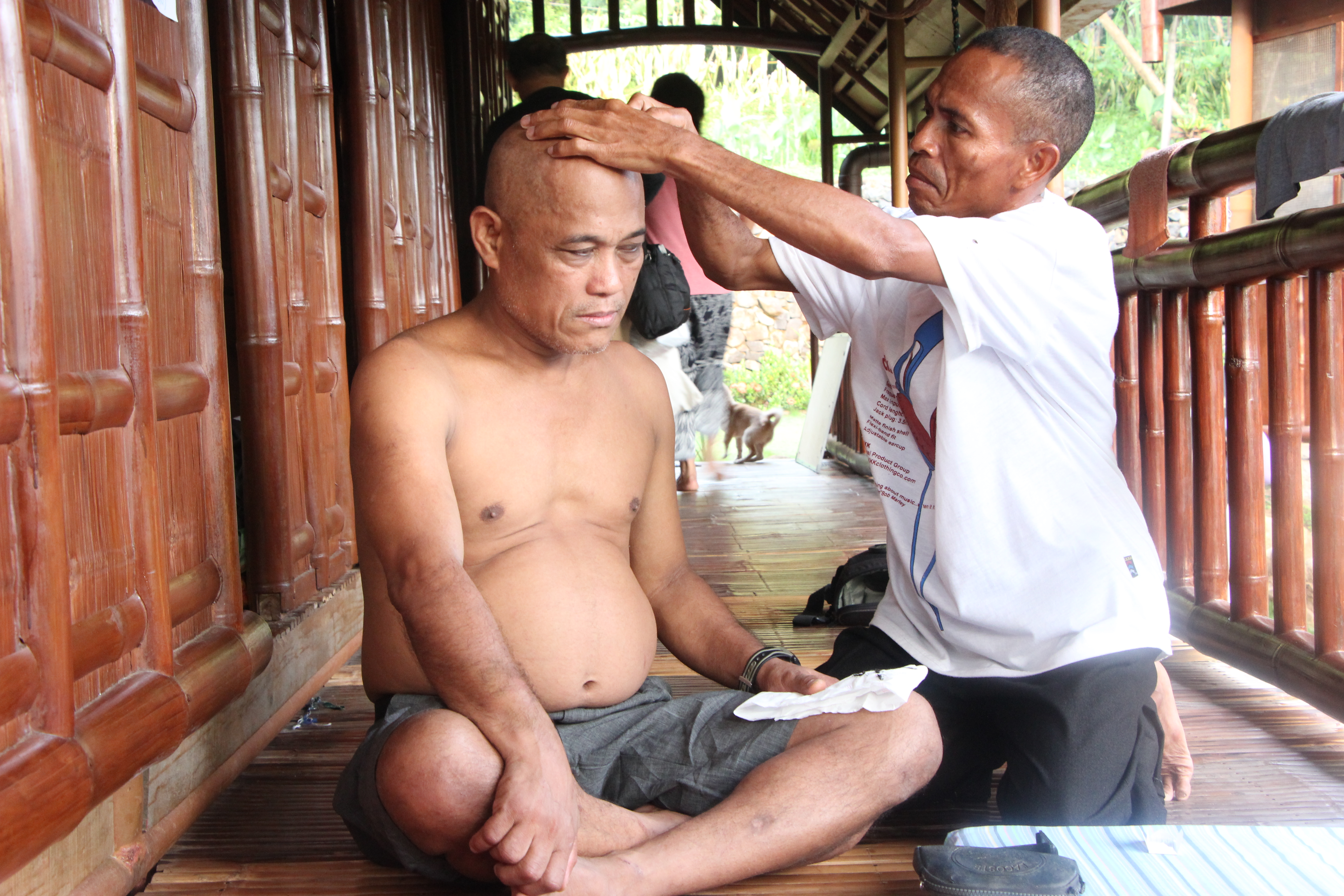

Photos and Videos, PAMATI 2015















Traditional Music Instruments Revitalization
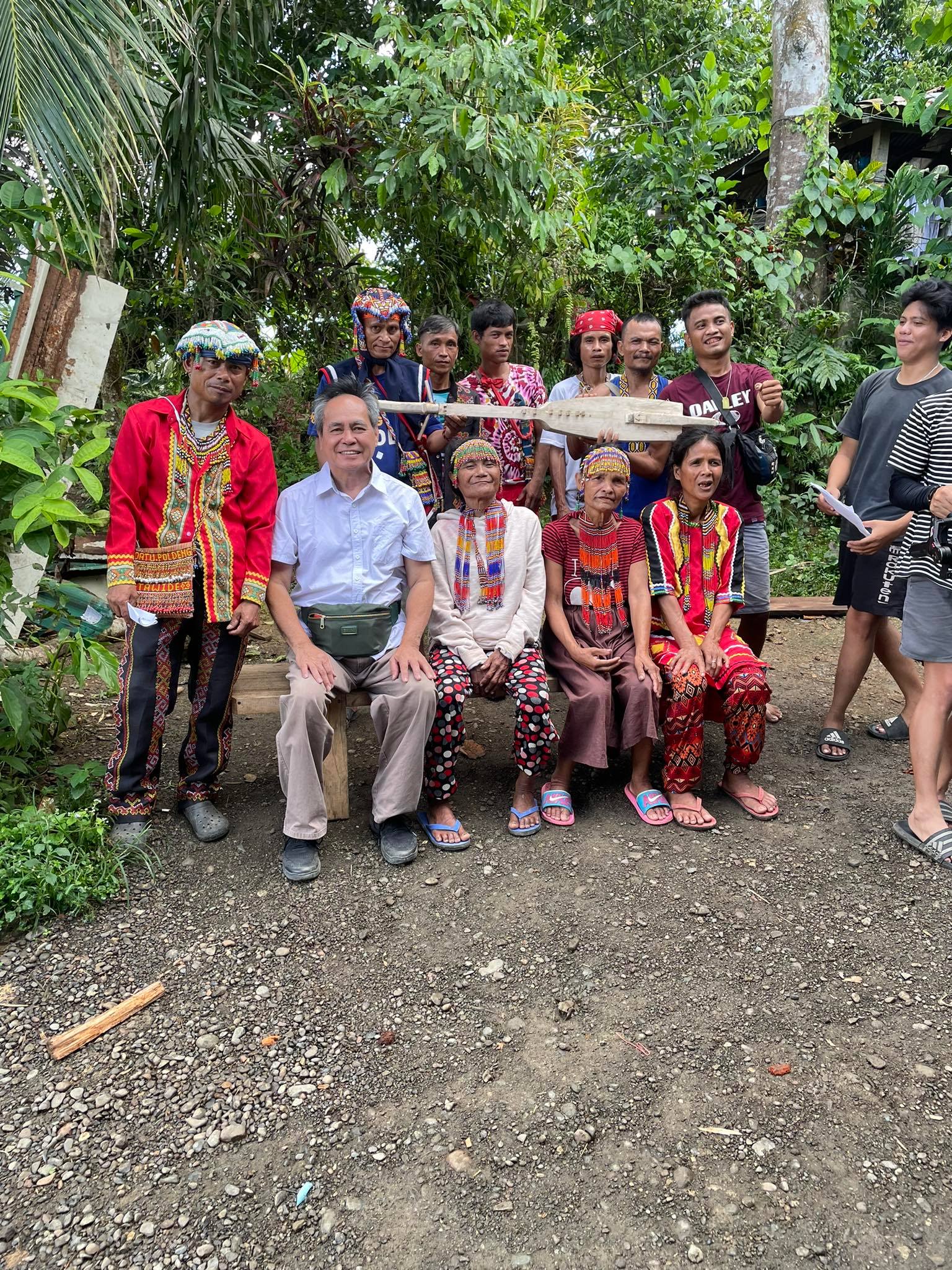
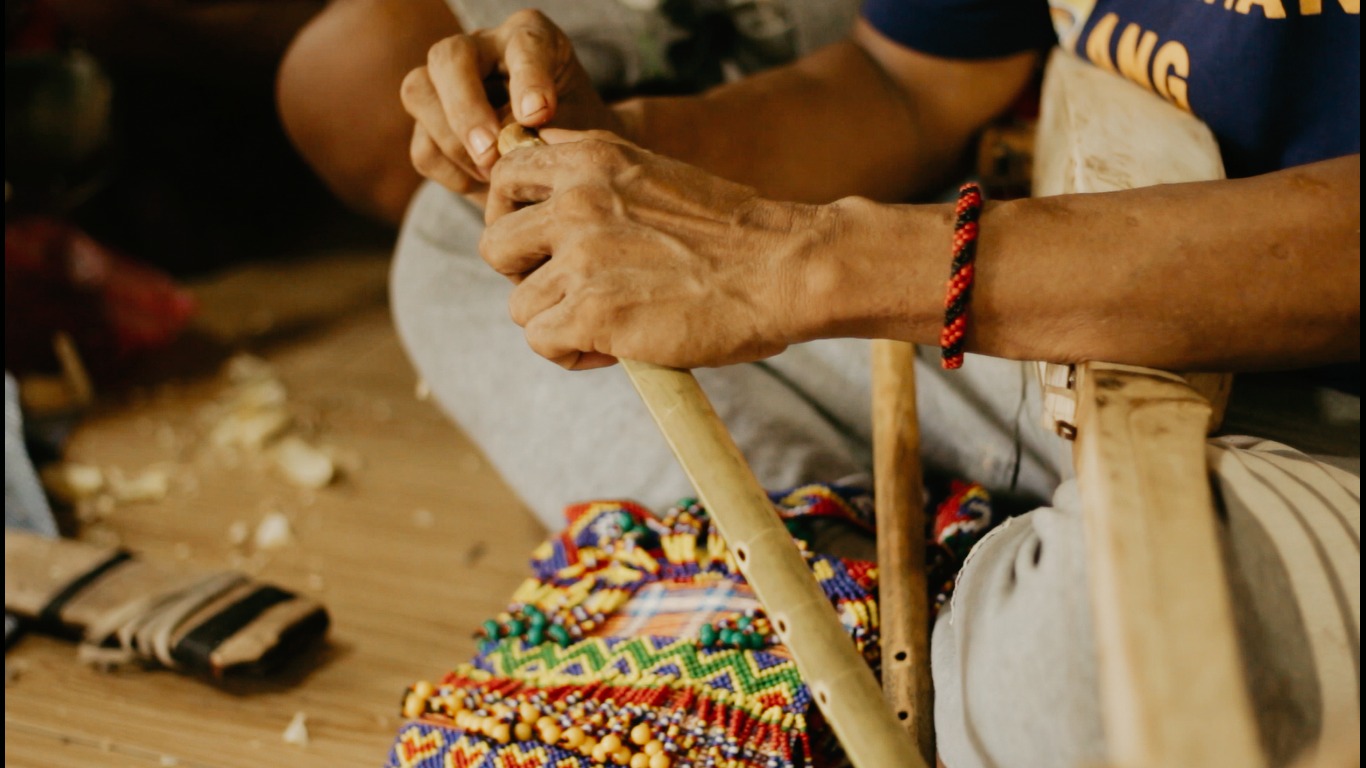
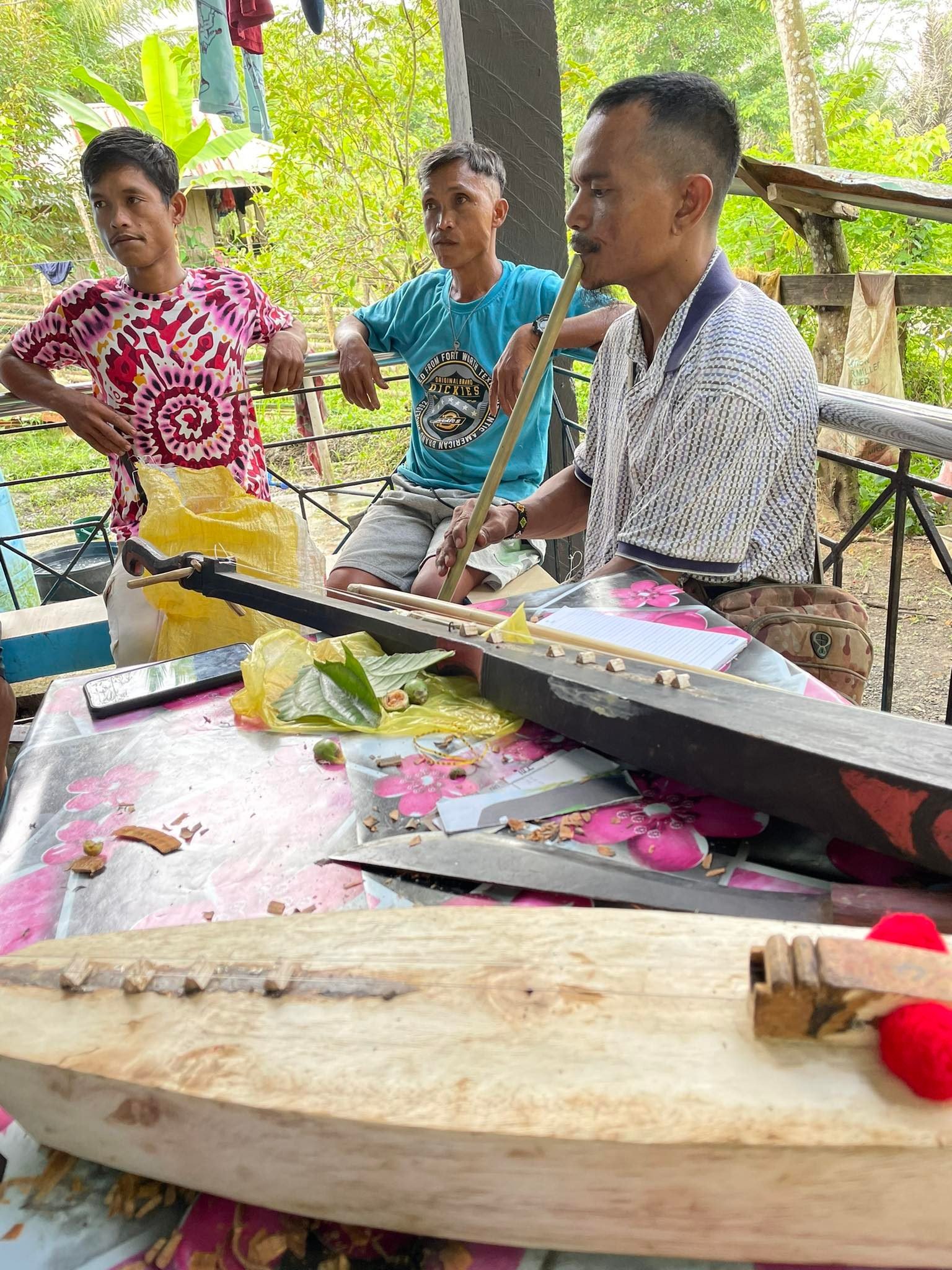
When the National Commission for Culture and Arts called for proposals to enhance and revitalize Philippine traditional music instruments in 2021, the Tao Foundation, in cooperation with partner organization PASAKK and a number of Agusanon-Manobo indigenous leaders, namely: Datu Malinoglinog Helario Bebero of Loreto, Bae Manyaguyad Lucy Rico of Esperanza, Becky Barrios of Bunawan, and Polding Tawide of La Paz gathered to make a plan. When the project was approved, professional luthier Adolfo Timuat came to La Paz to collaborate with the makers of the Kudlong (2-string lute), Kogot (fiddle), Takumbo (struck zither), Sayuroy (plucked zither), Kobing (jaw’s harp), Paendag (long bamboo mouth flute), Lantuy (short bamboo mouth flute), and Gimbae (double-headed skin drum) in finding ways to enhance the as recommended by the NCCA. The revitalized musical instruments are now being taught in the Agusanon-Manobo Schools of Living Traditions in Bunawan, La Paz, and Esperanza.
Photos






Wisdom Keepers of the Earth
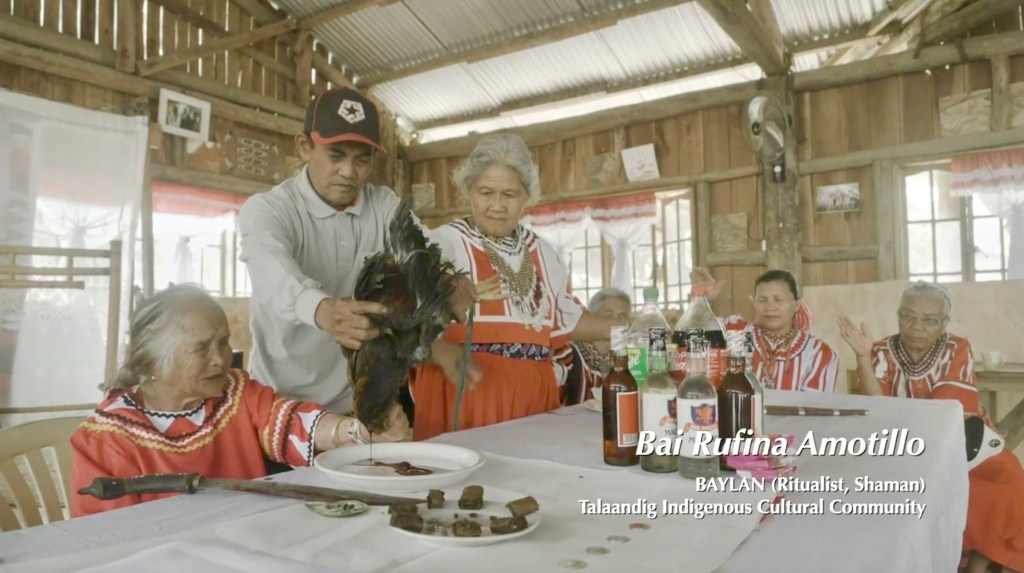
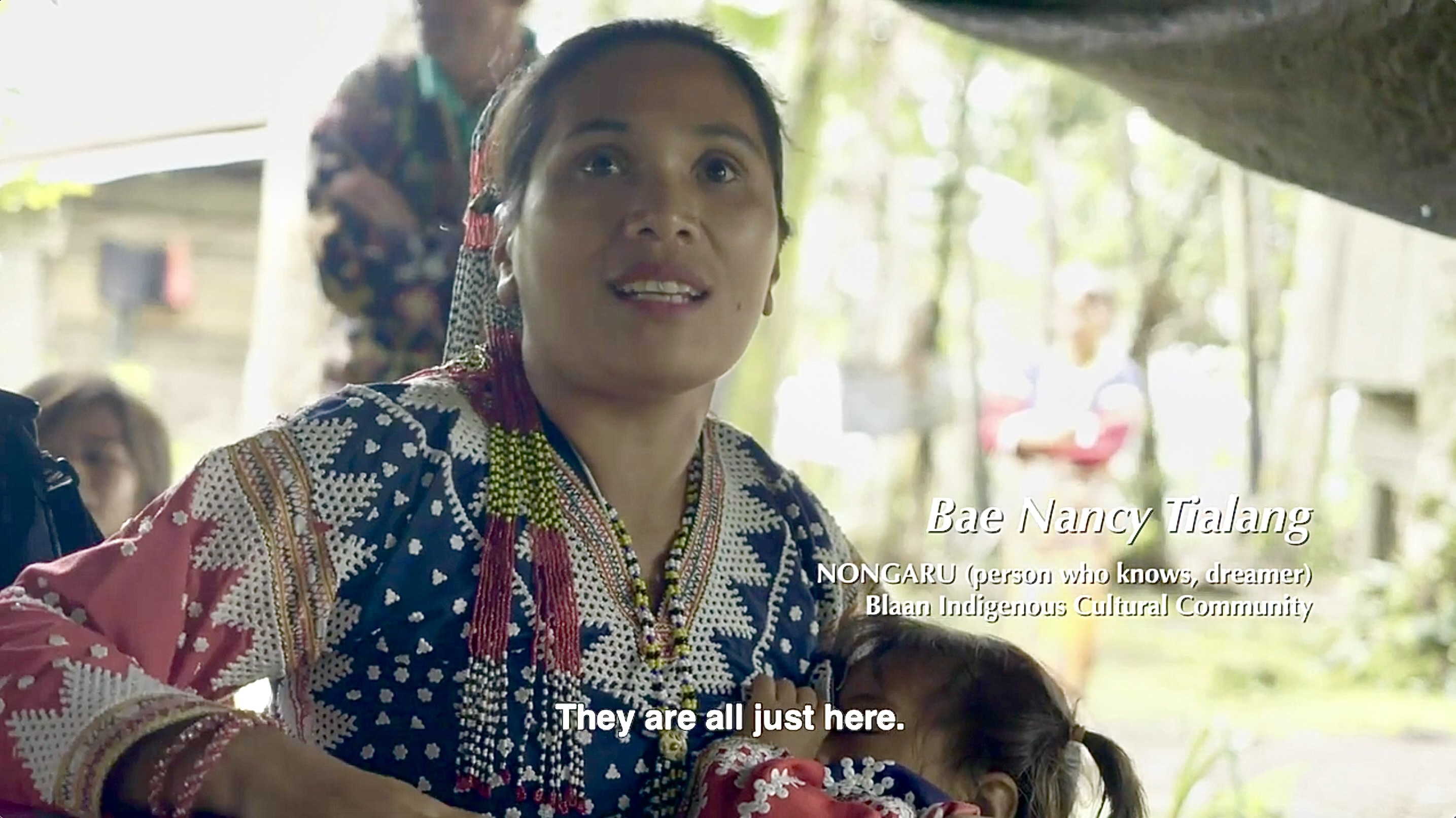
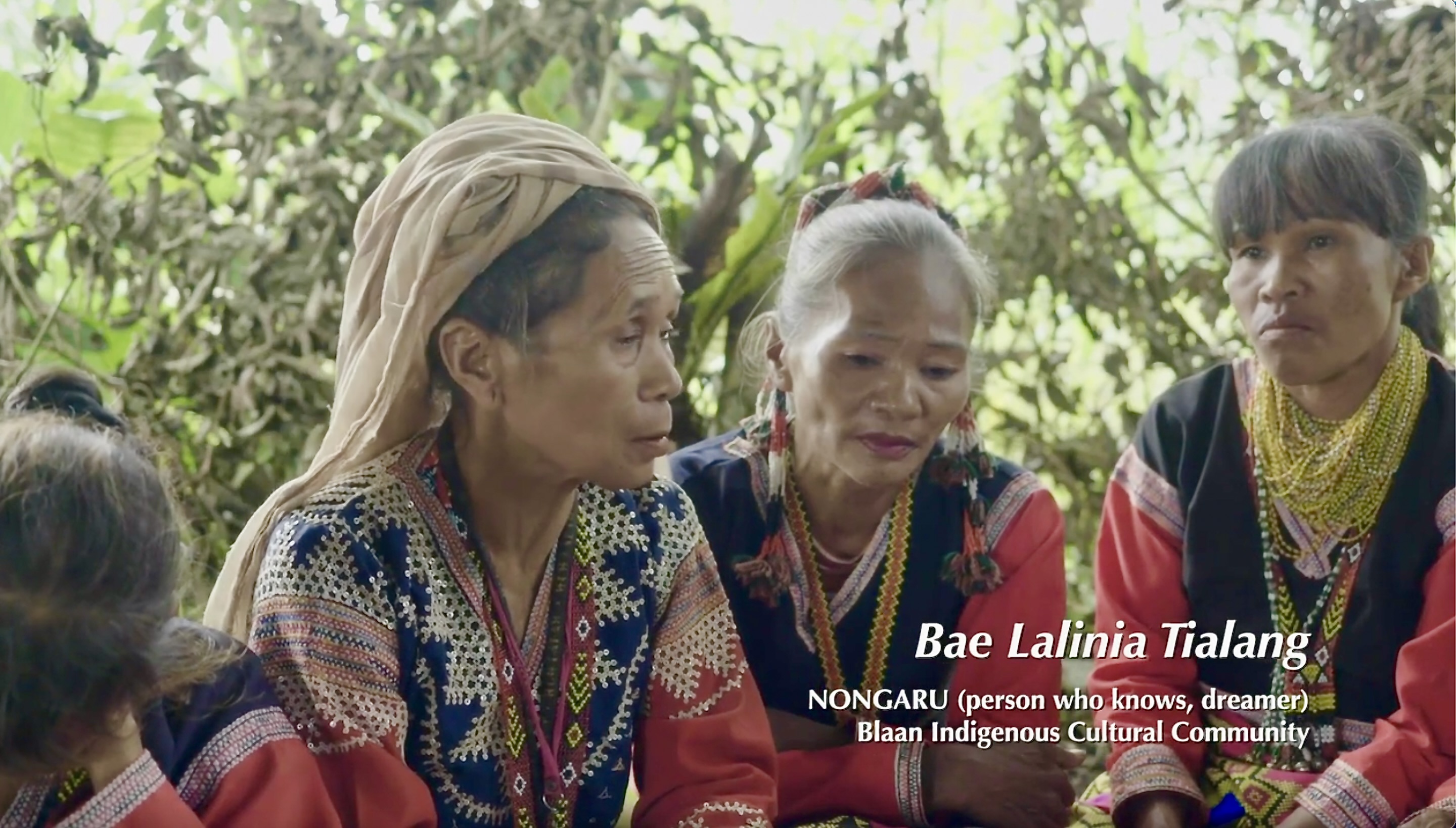
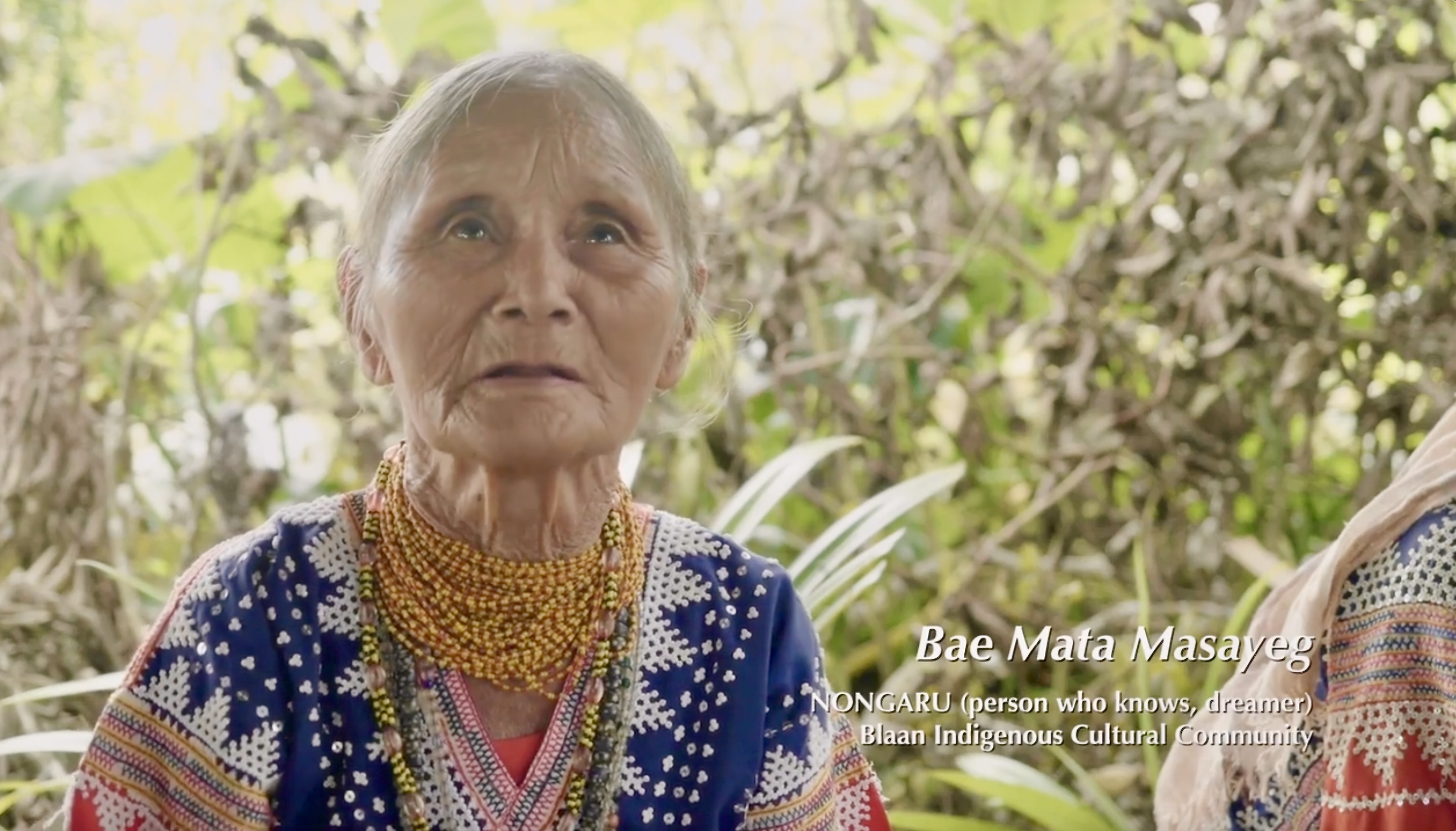
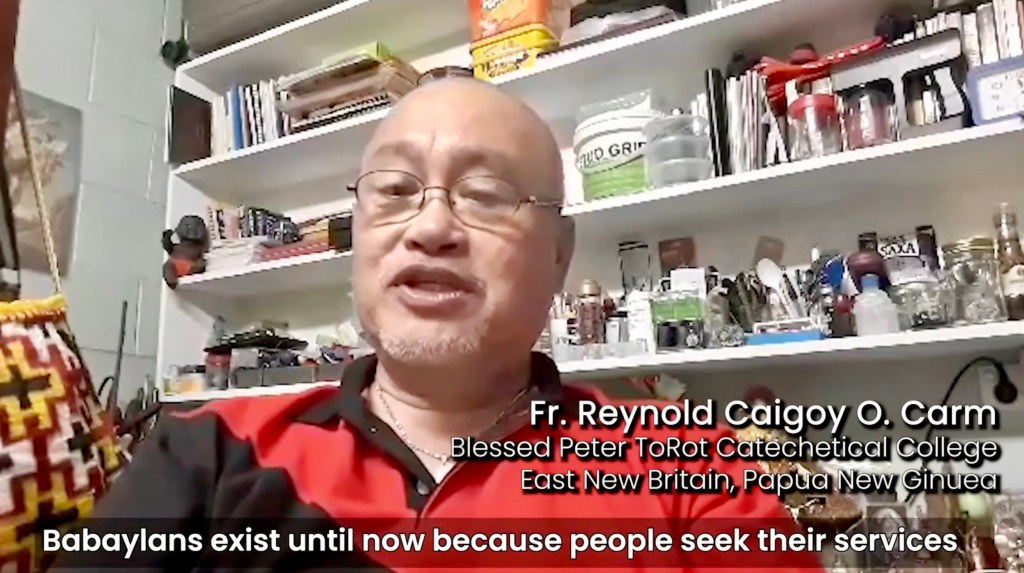
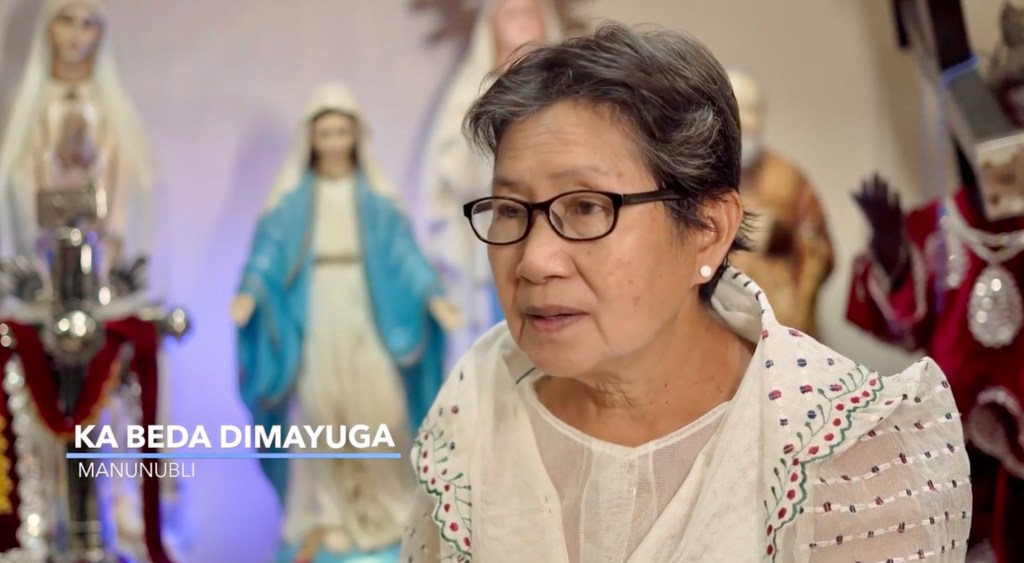
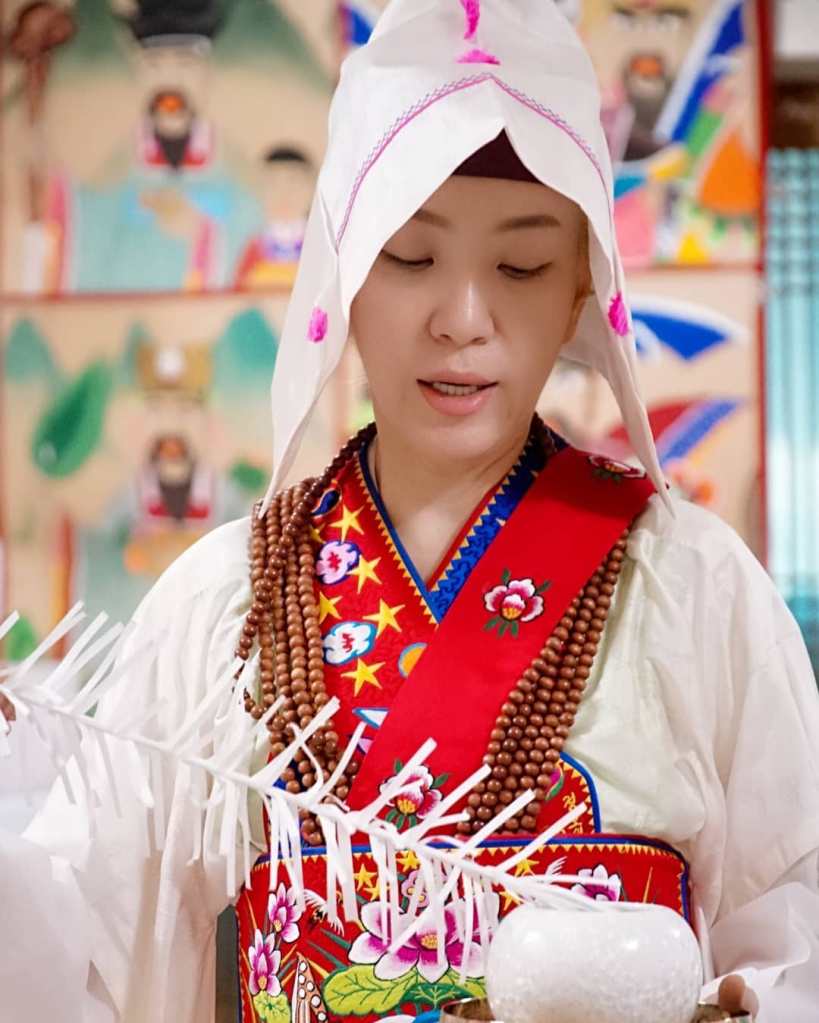
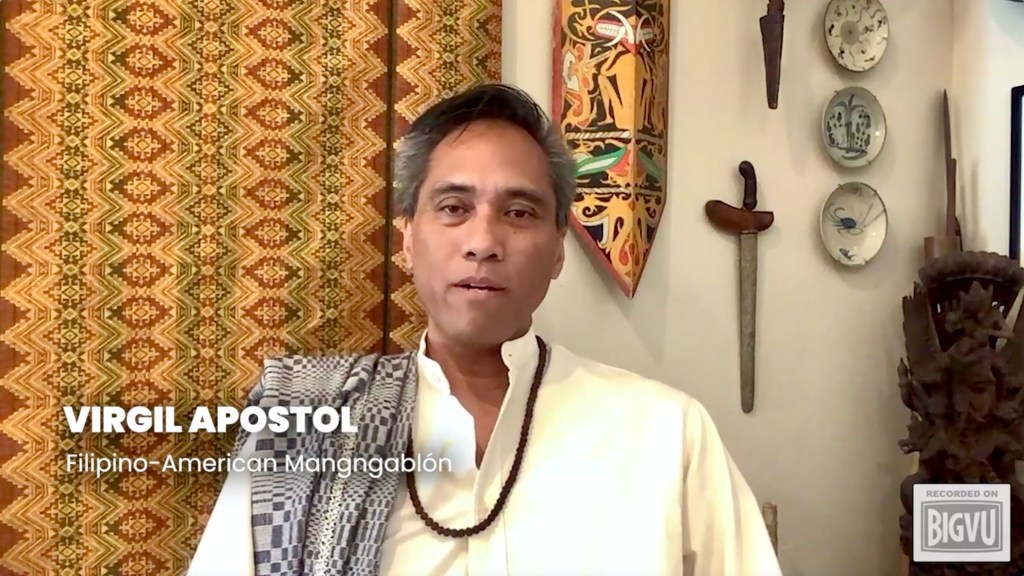
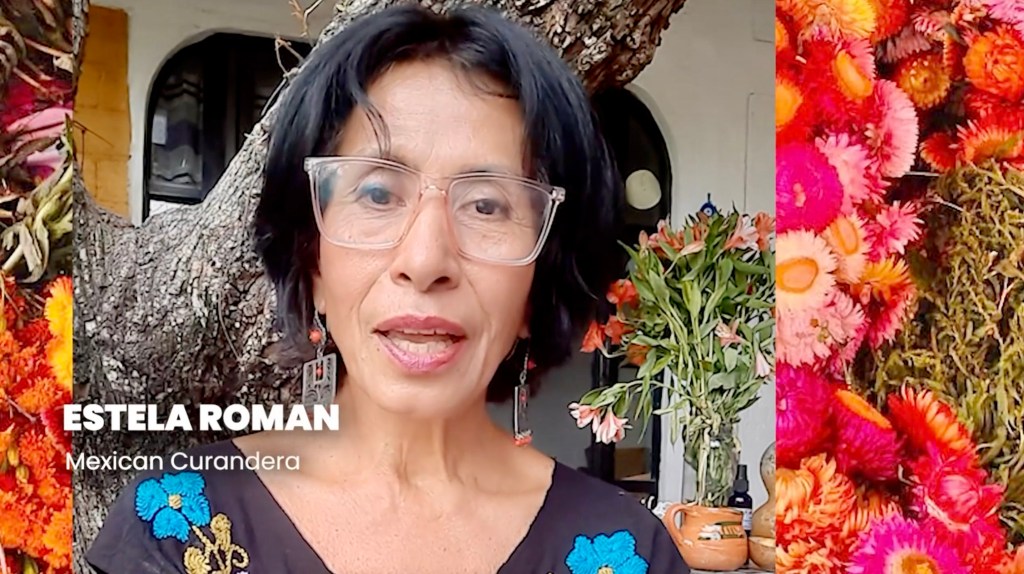
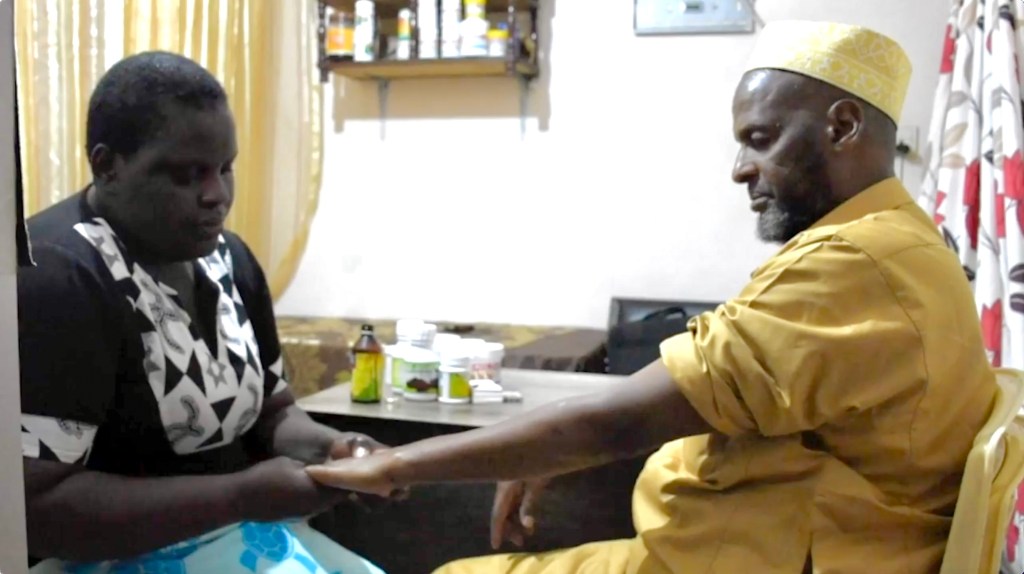
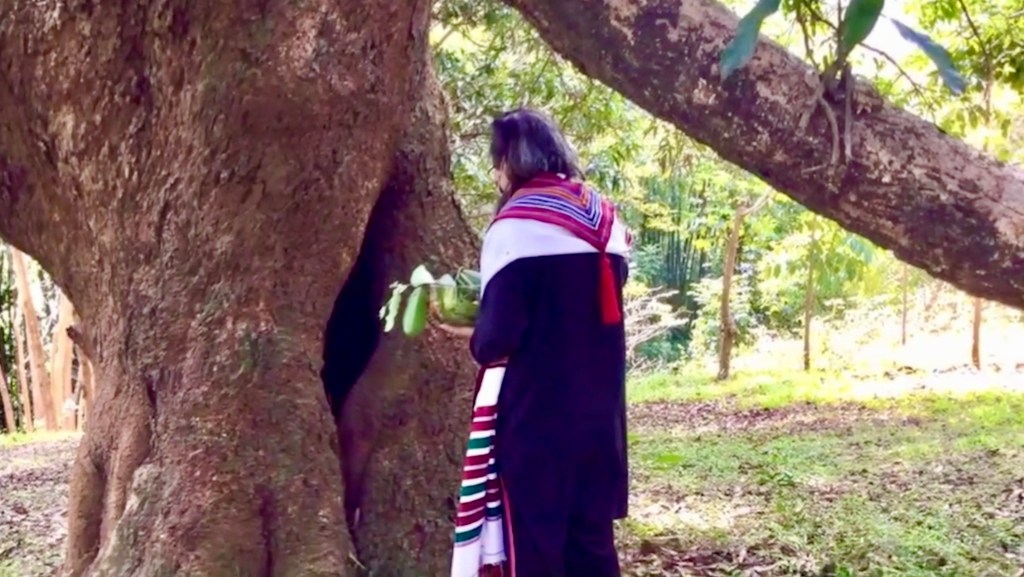
This documentary film was a project of the Department of Foreign Affairs-Office of Public and Cultural Diplomacy to commemorate the Philippines’ 2022 National Literature Month, Araw ng Kagitingan, and Earth Day. DFA’s partners were the National Commission on Indigenous Peoples, and the Tao Foundation that produced this documentary about a number of Philippine ritual specialists and healers, specifically, the Talaandig Baylan, Blaan Nongaru, Panaynon Babaylan, Batangas-Tagalog Manunubli, and Ifugao Mumbaki, and their counterparts in the Philippine diaspora in the United States, in South Korea, South Africa, Kenya, Malaysia, and Mexico.
Photos, Talaandig Baylan



Photos, Blaan Nongaru



Photos, Panaynon Babaylan


Photos, Batangas-Tagalog Manunubli


Photos, Ifugao Mumbaki
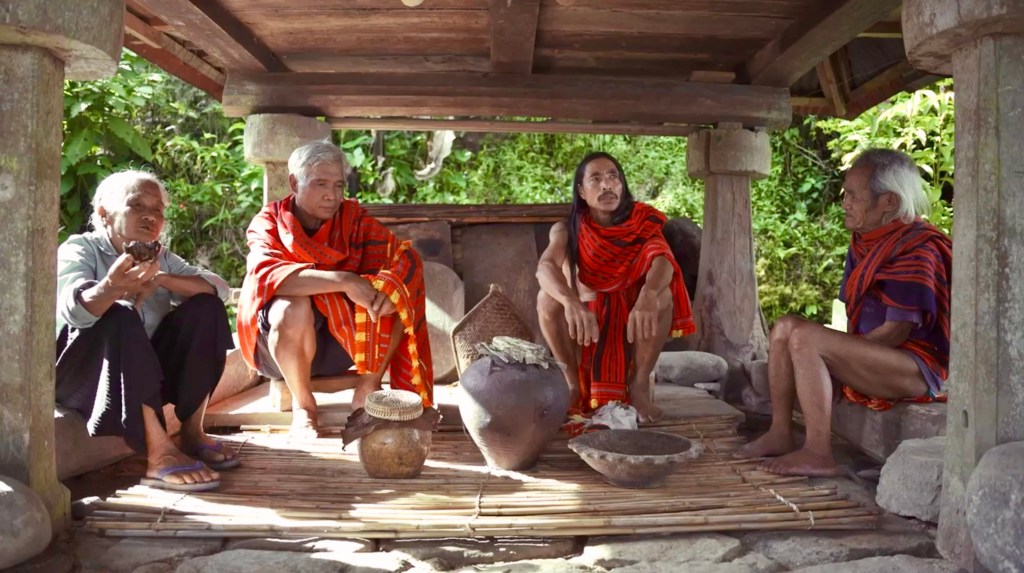


Photos, International Wisdom Keepers
Photos, Korean Mudang

Photos, South African Sangoma


Photos, Filipino-American Mangangablon
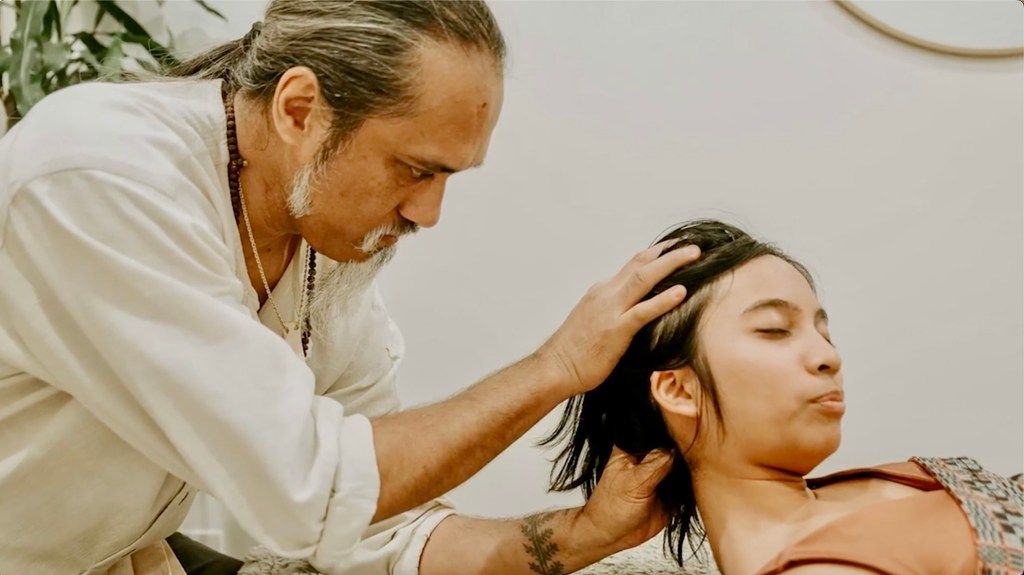
Photos, Mexican Curandera

Photos, Kenyan Traditional Healer

Photos, Malaysian Momolian Initiate

Balaan: Sacred Voices, Sacred Lands
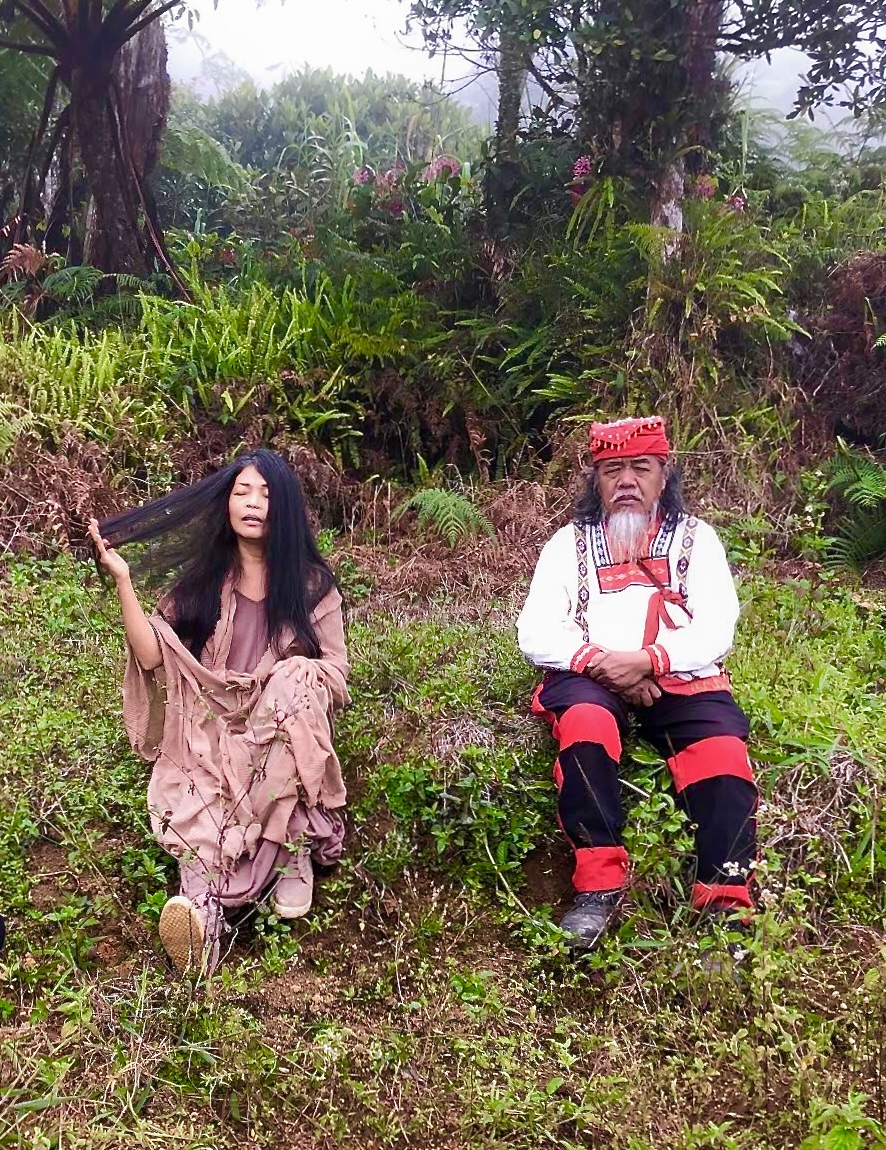
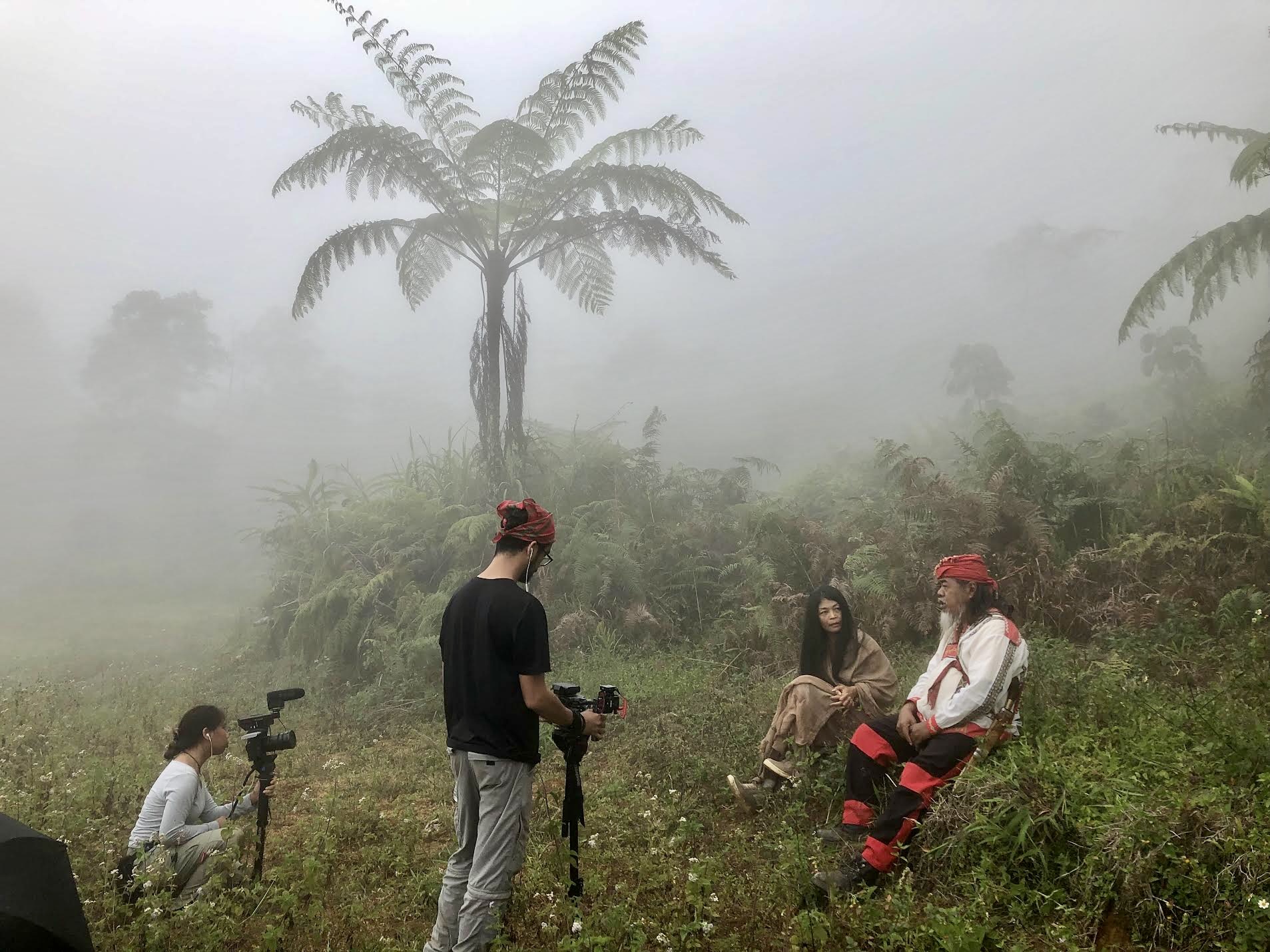
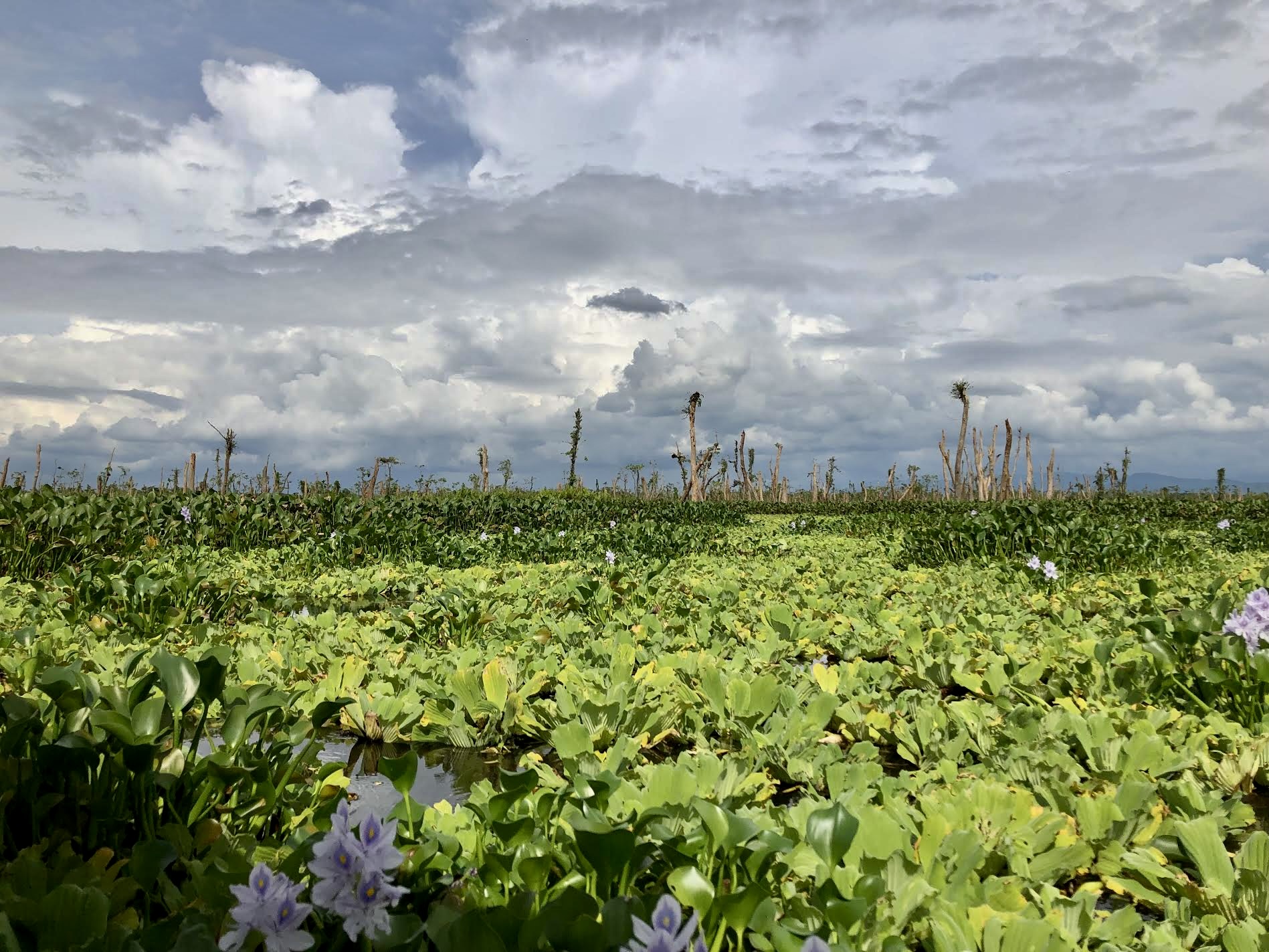
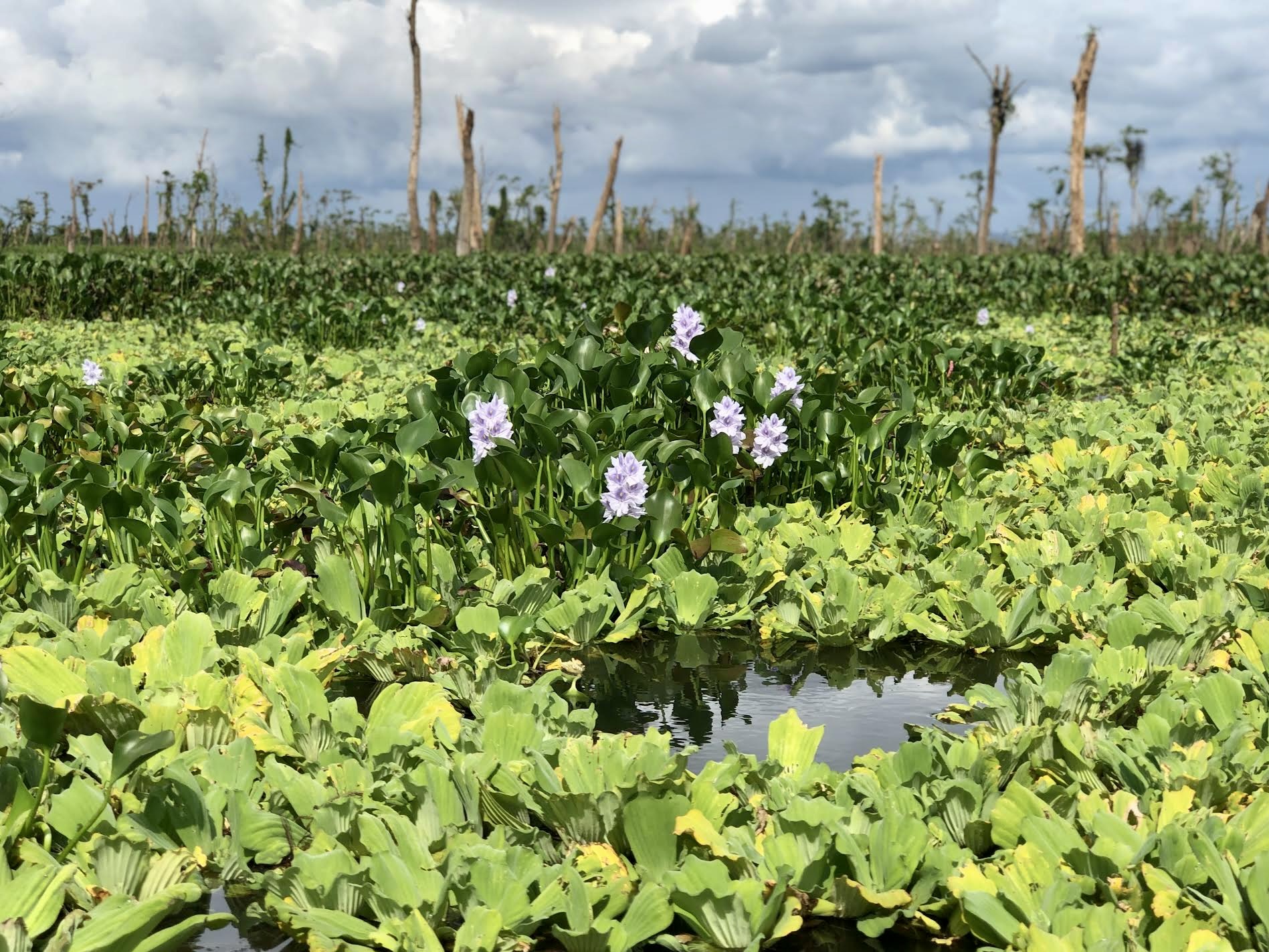
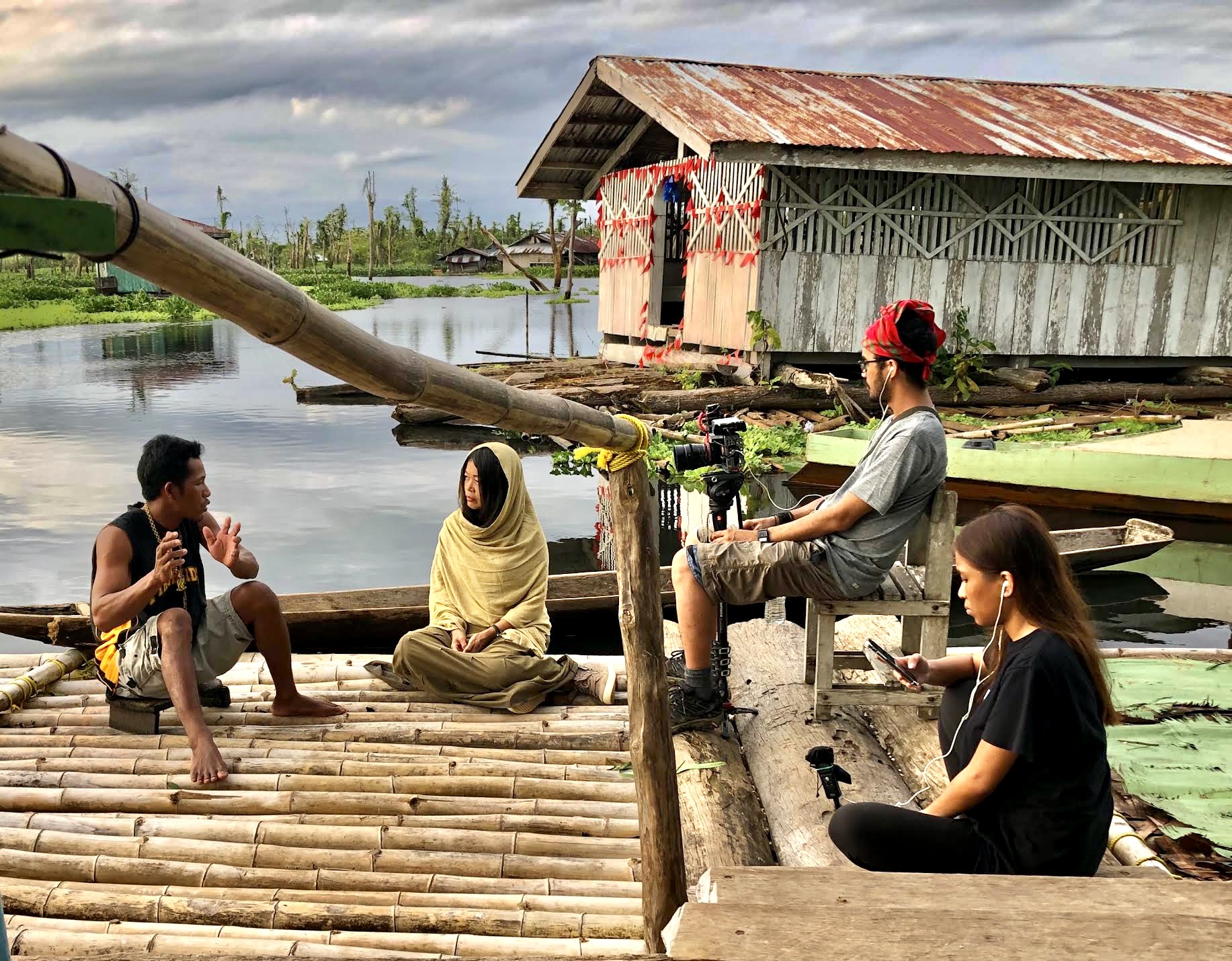
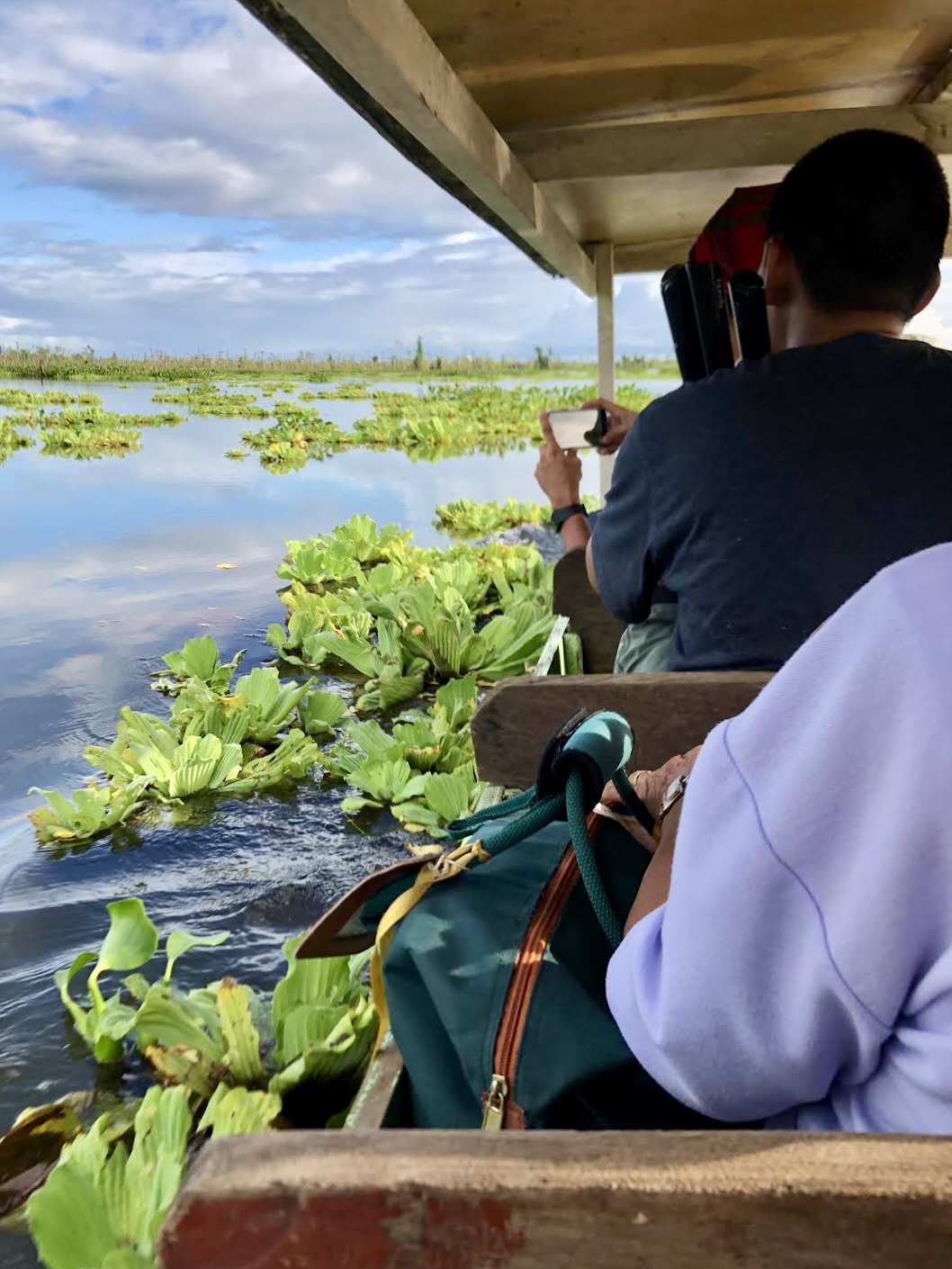
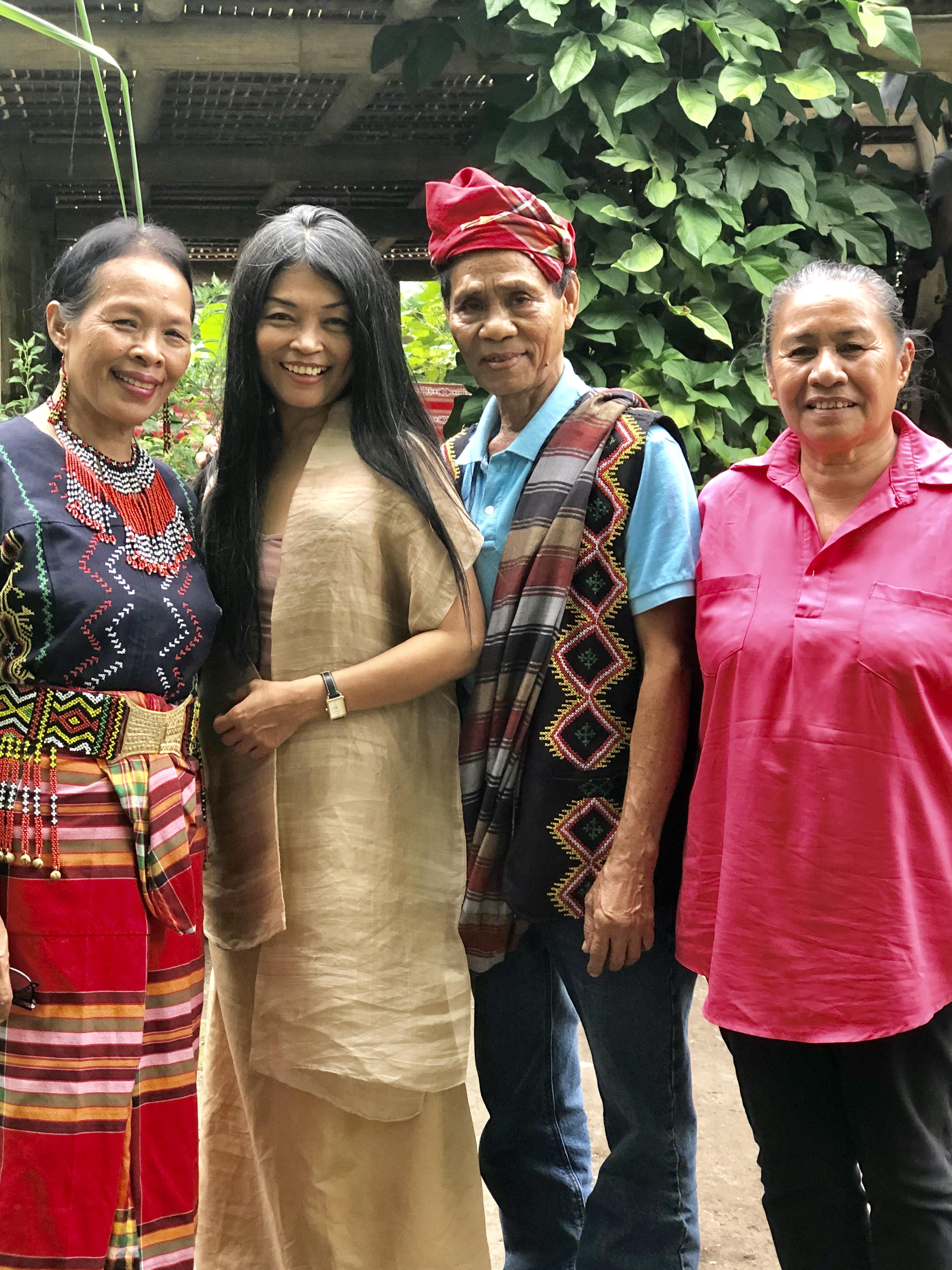
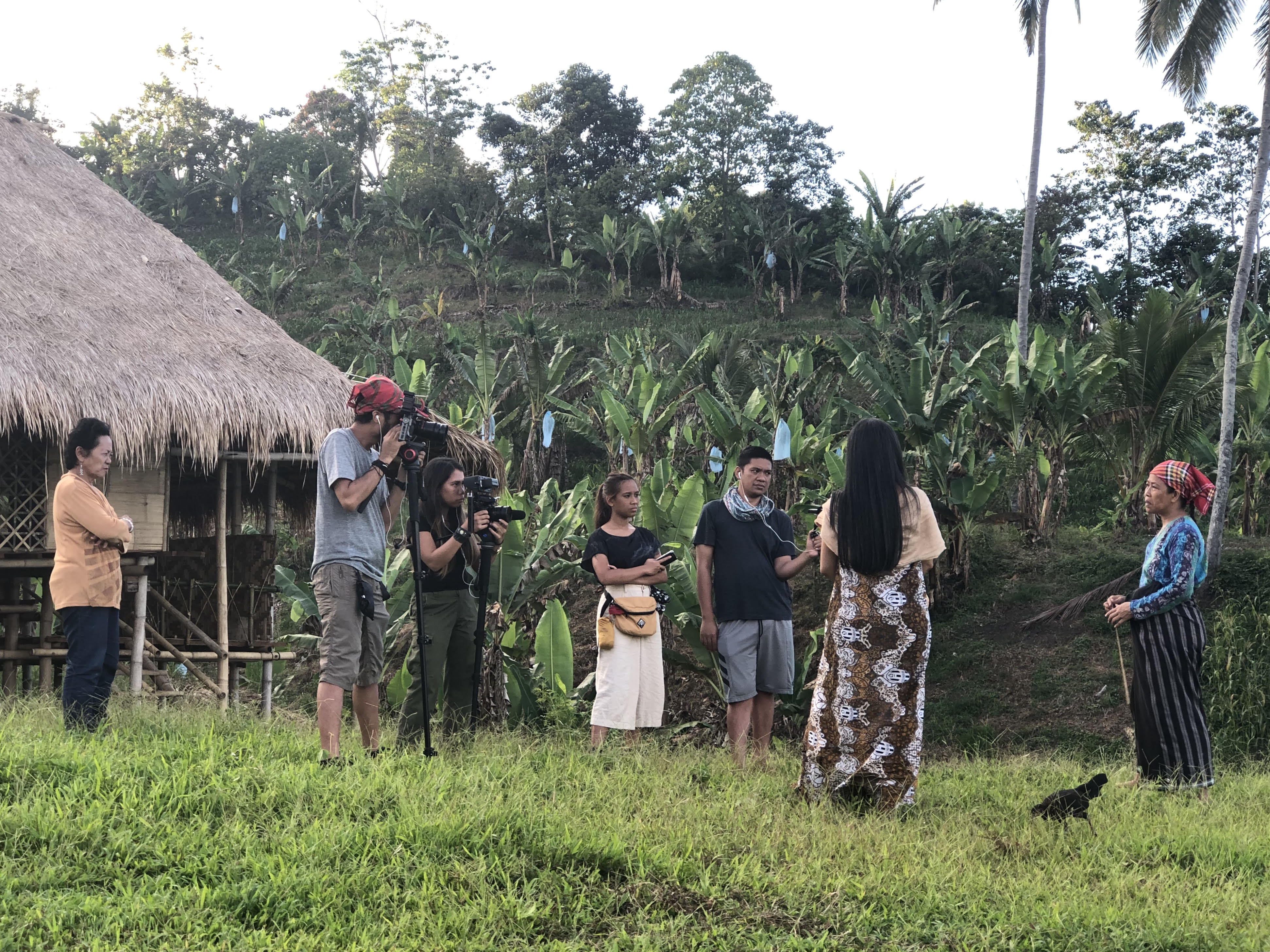
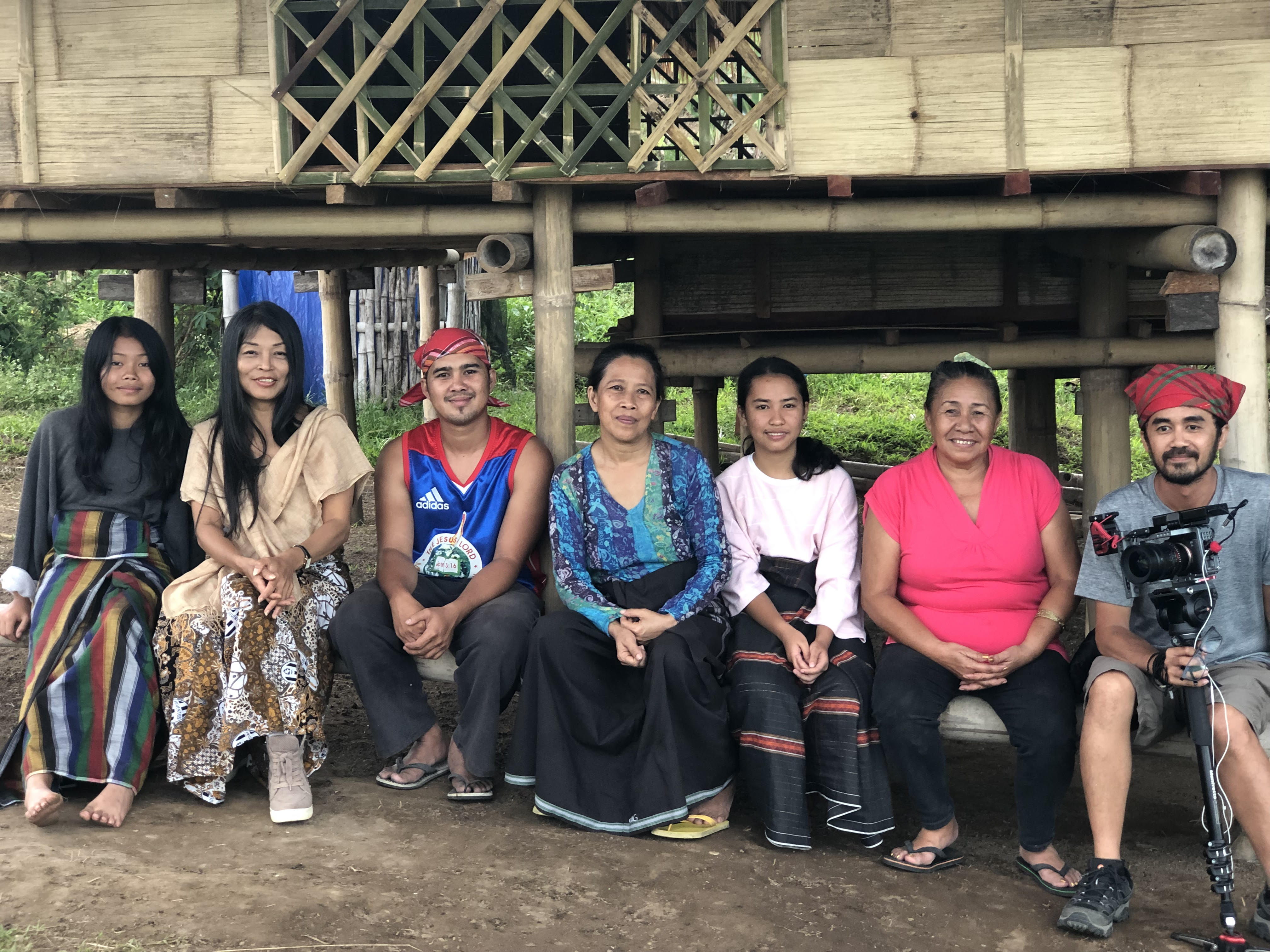
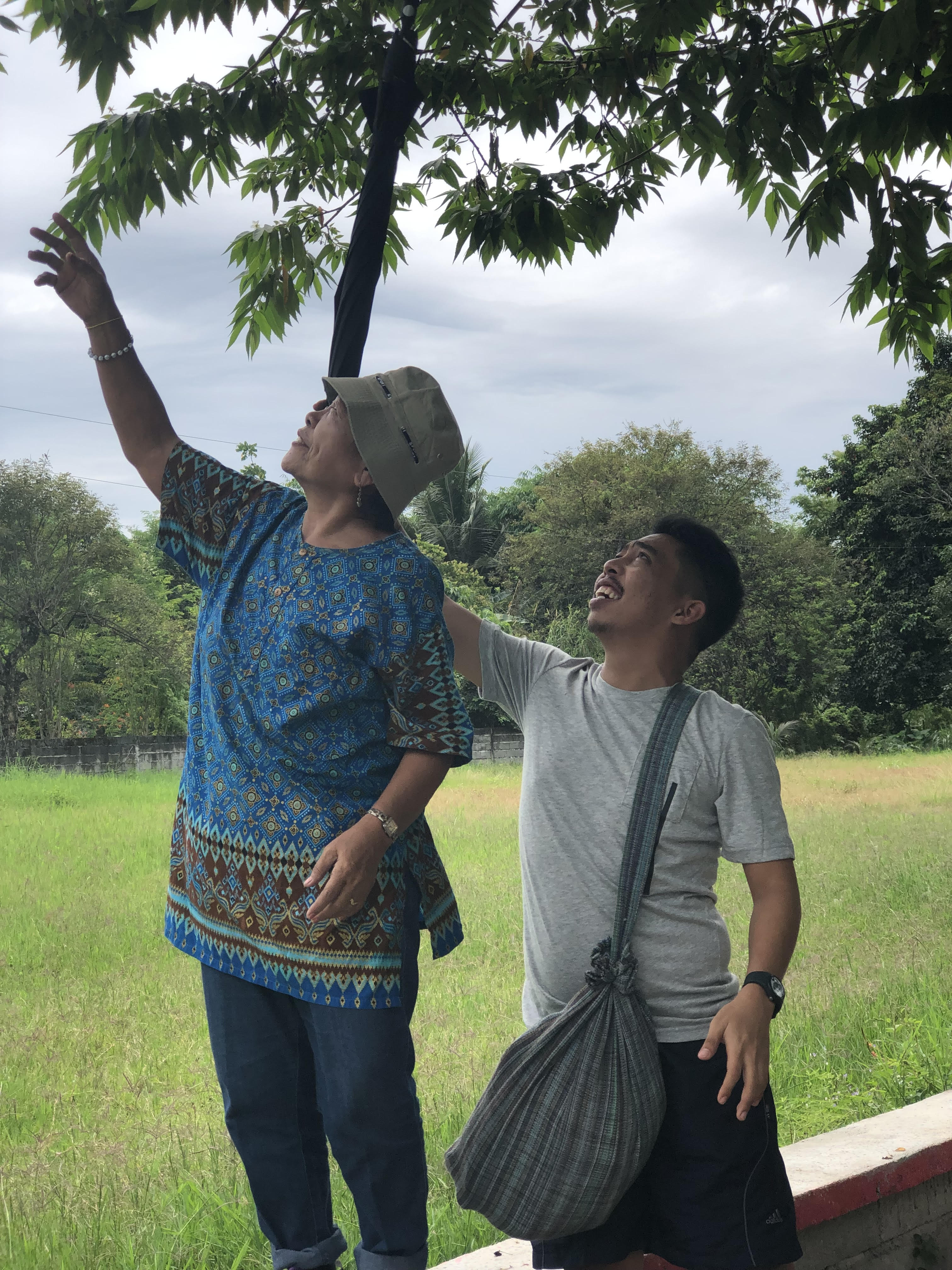
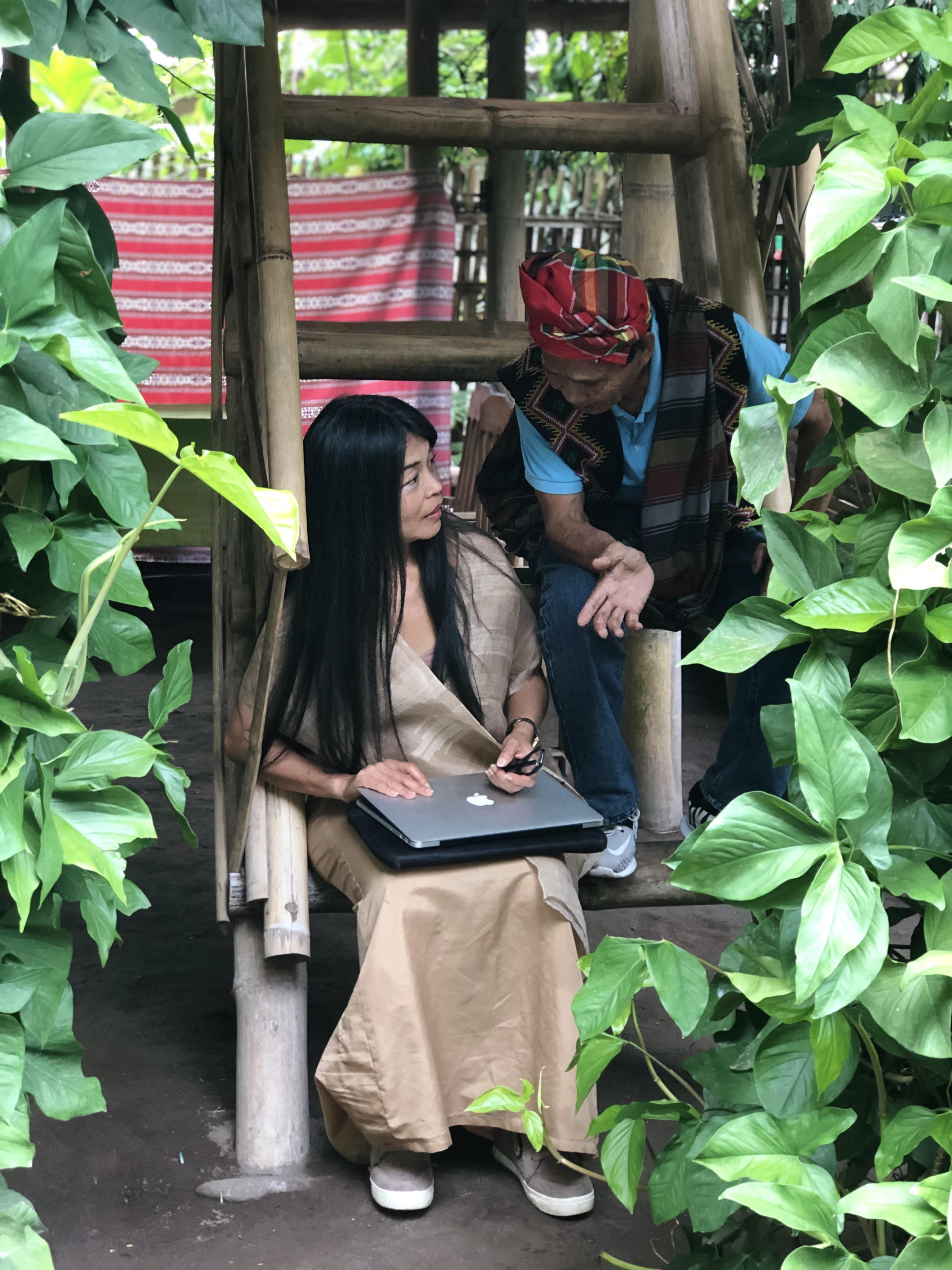
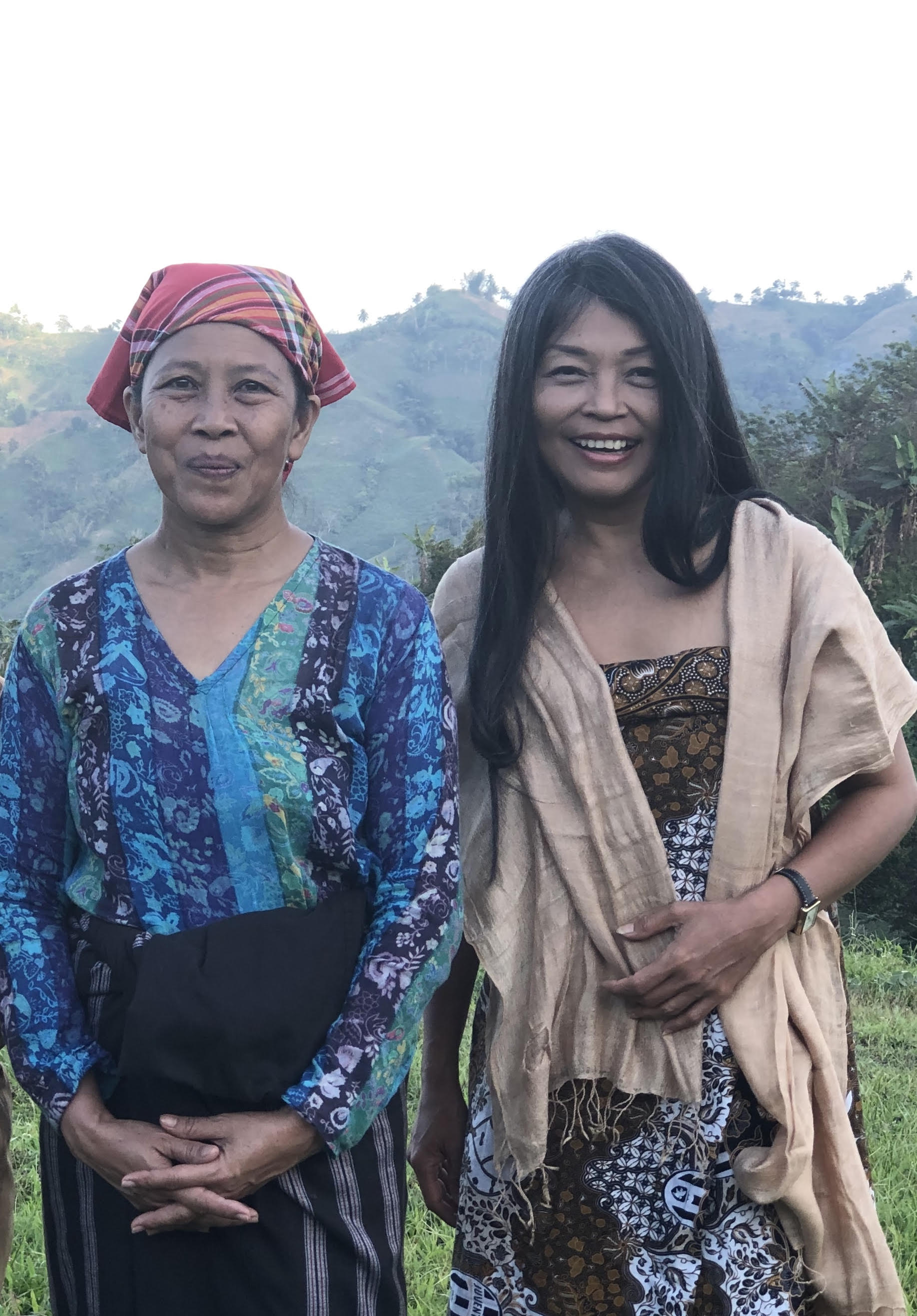
This documentary film follows Dr. Grace Nono as she visits her teachers of chant in Mindanao these last two decades. These teachers are Talaandig Chieftain and epic chanter Datu Migketay Victorino in Bukidnon; T’boli epic chanter and tau m’ton bu (ritual specialist) Mendung Sabal in South Cotabato; Agusanon-Manobo baenud-uman Bae Angela Placido in Agusan del Sur; and Blaan chanters Elia Capeon and her elders in Sarangani. Directed by Bagane Fiola, with the support of Dr. Luke Negri, Dr. Martin Cohen, the Tao Foundation for Culture and Arts, and Origane Films, this documentary film explores the current state of ancestral lands and songs, the relationships between the two, the ethics of knowledge transfer, and other related concerns.
Talaandig
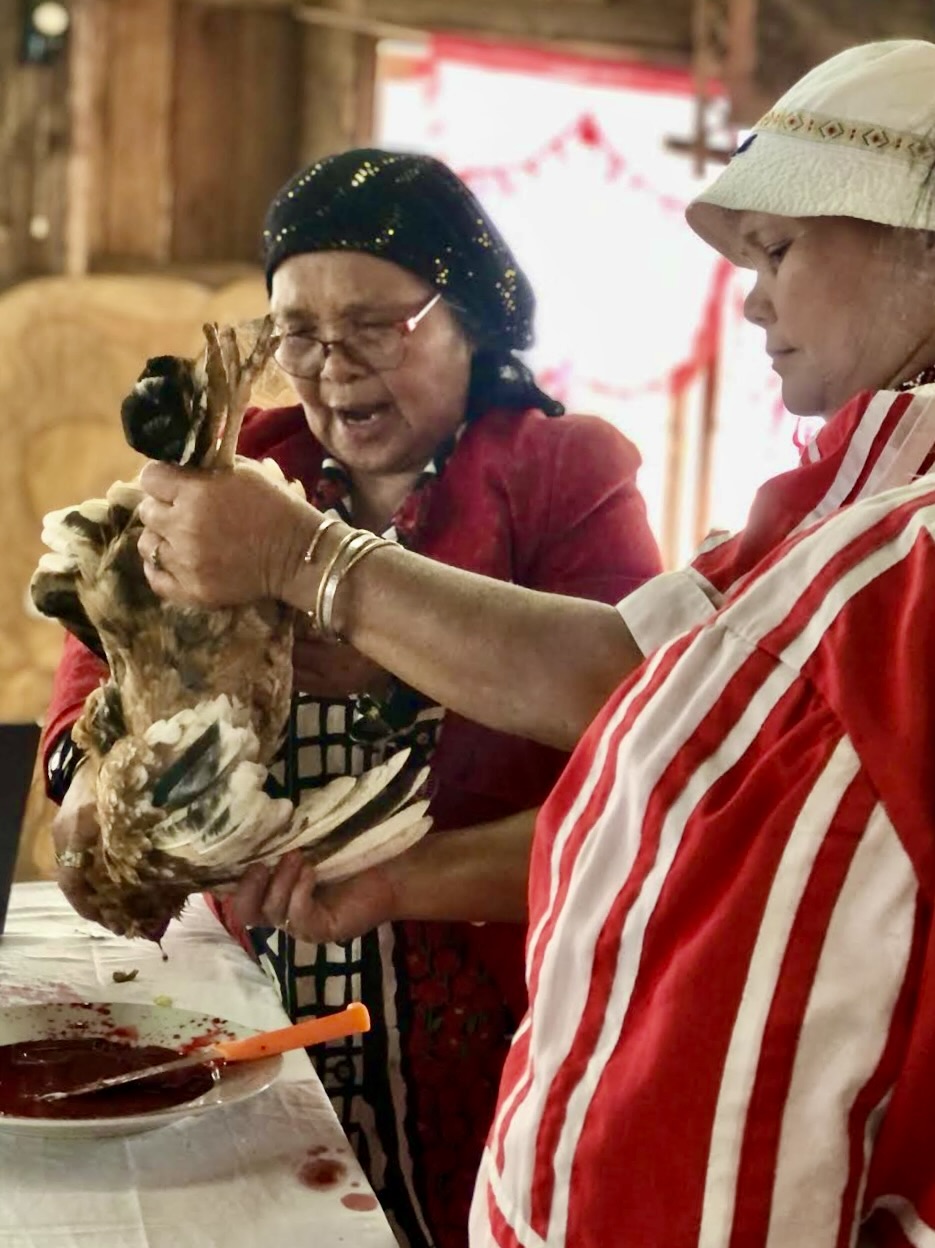
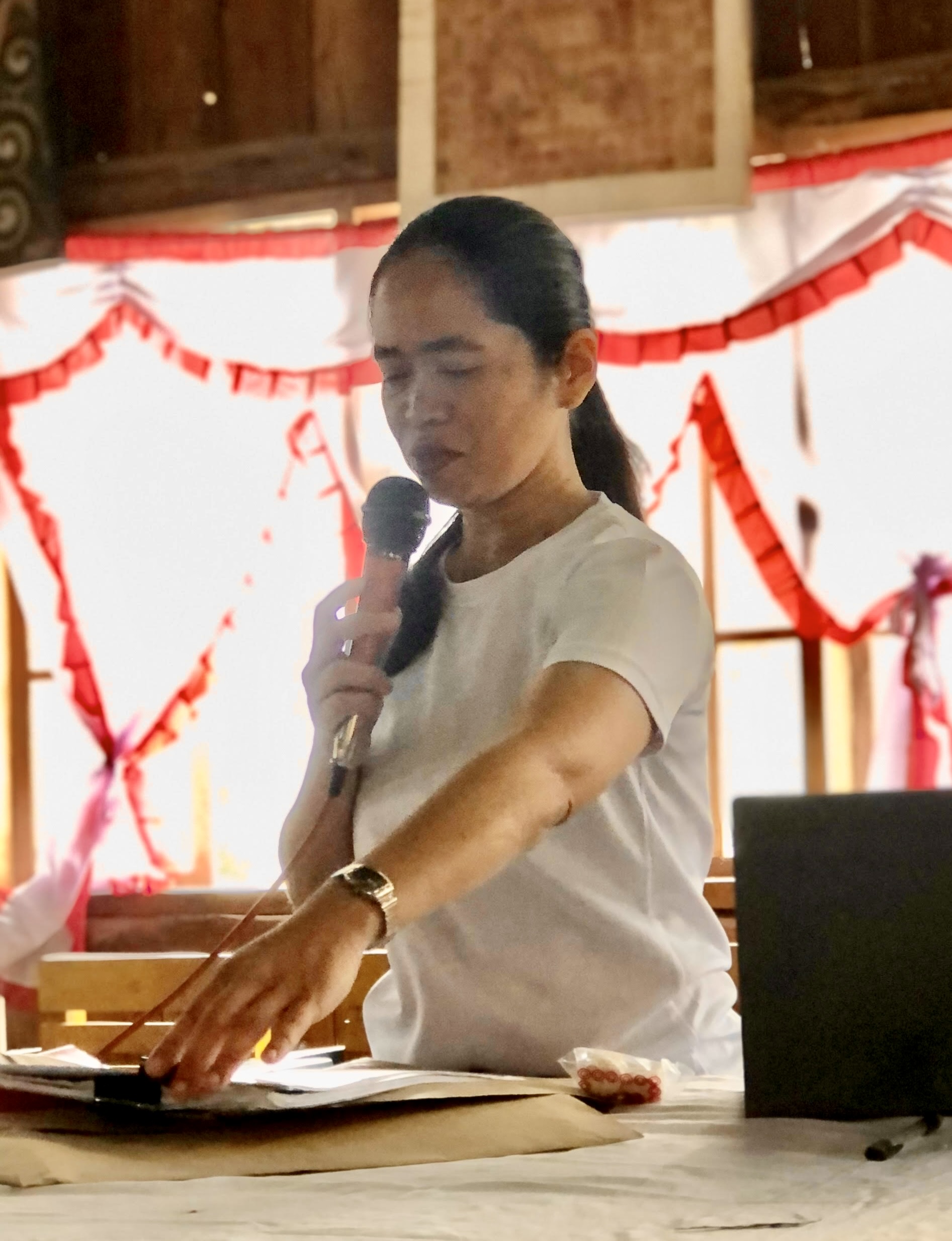
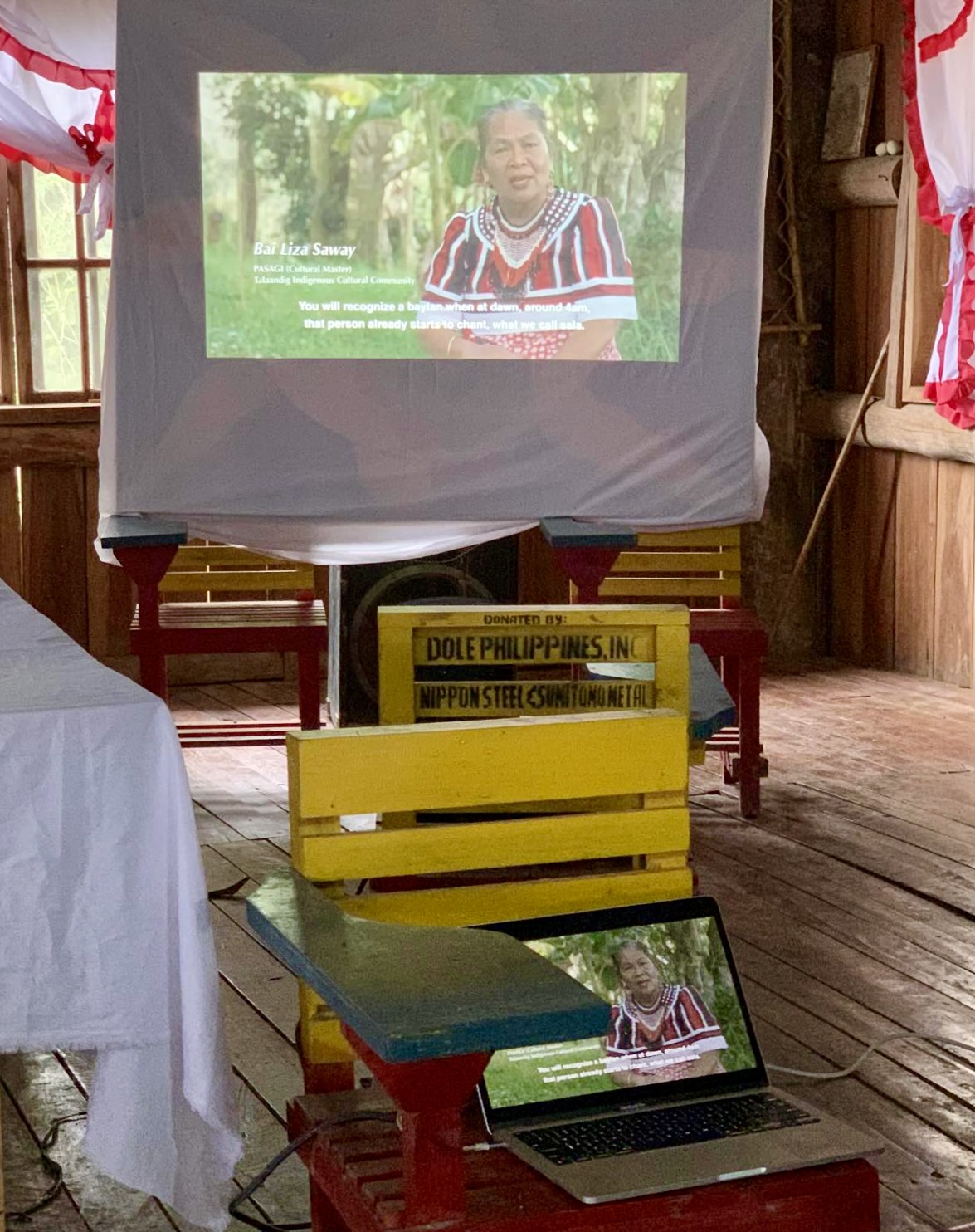
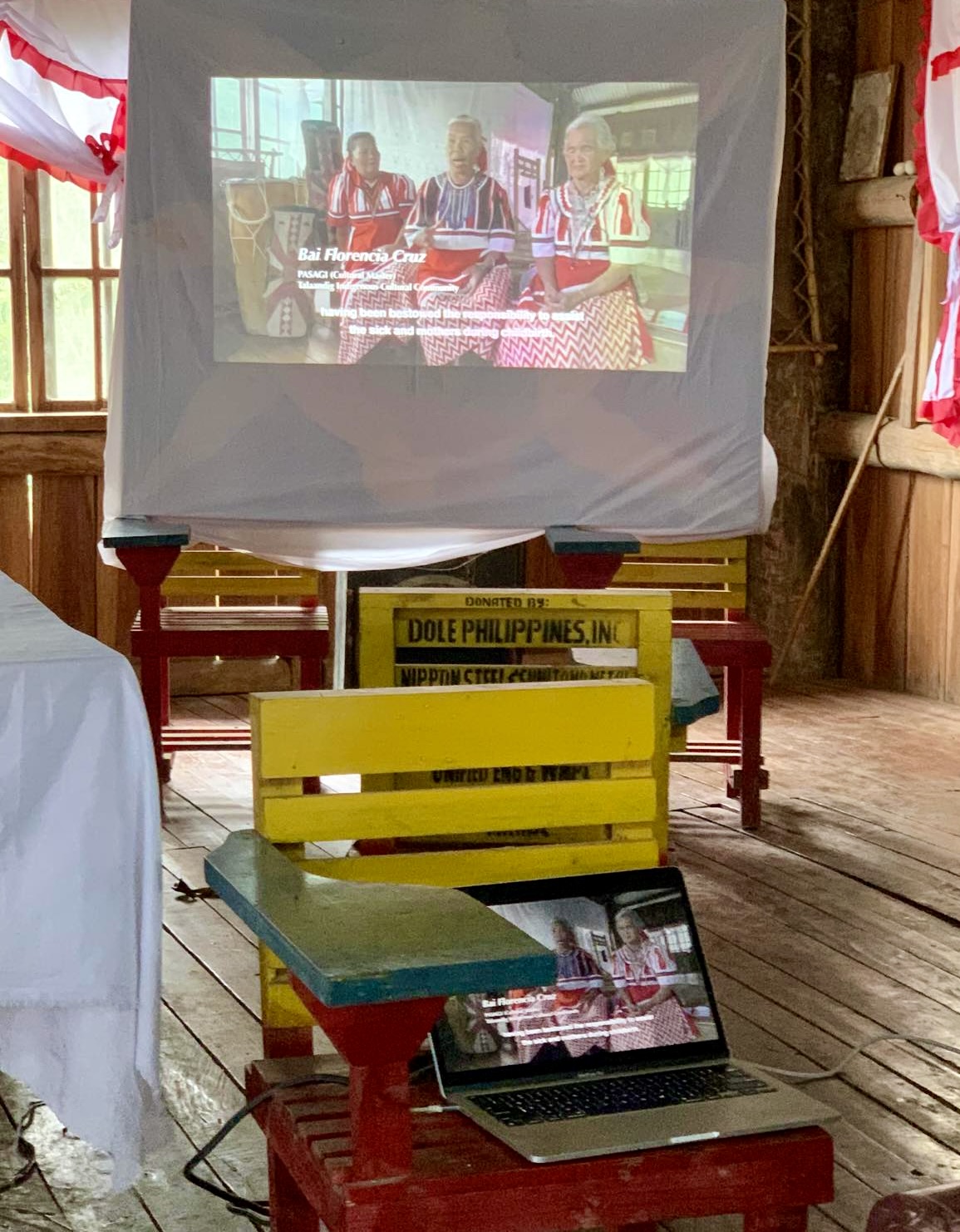
Photos, with Talaandig Chieftain, IPMR, and Chanter, Datu Migketay Victorino Saway, Bai Nanapnay Liza Saway, Bai Madahin-u Saway, Salima Saway, Nalandangan Mabantog Lleses Saway, and others
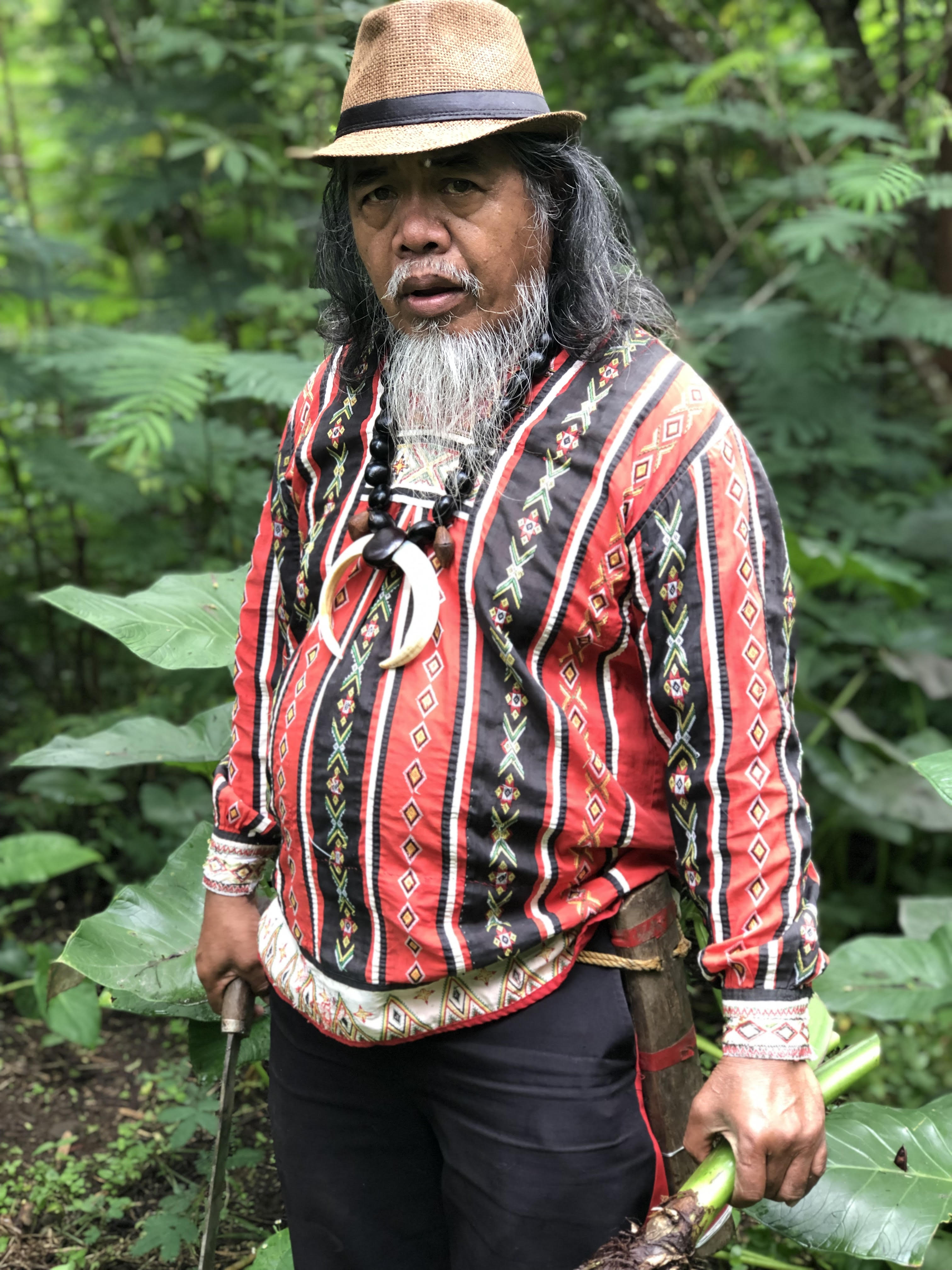
















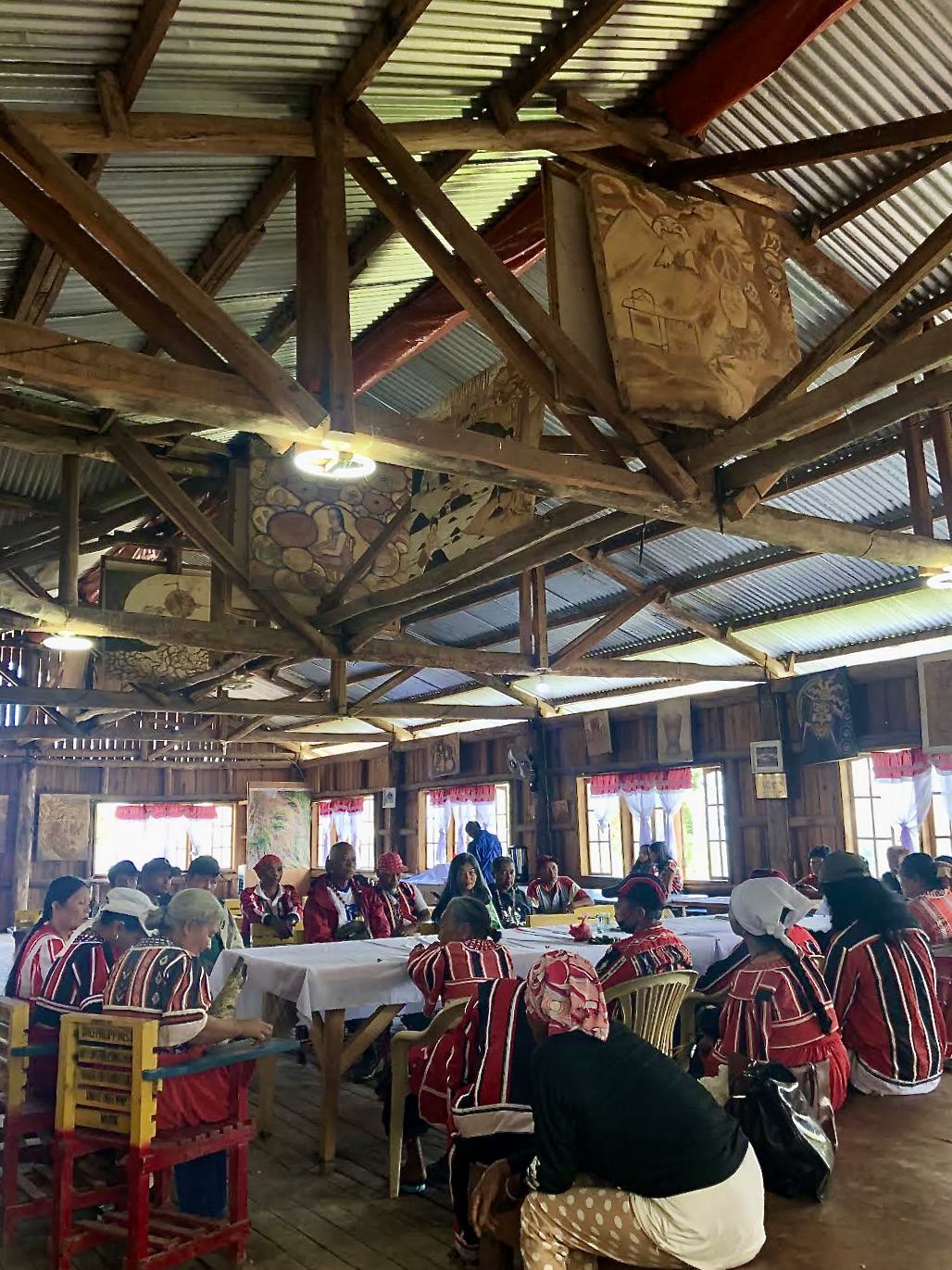

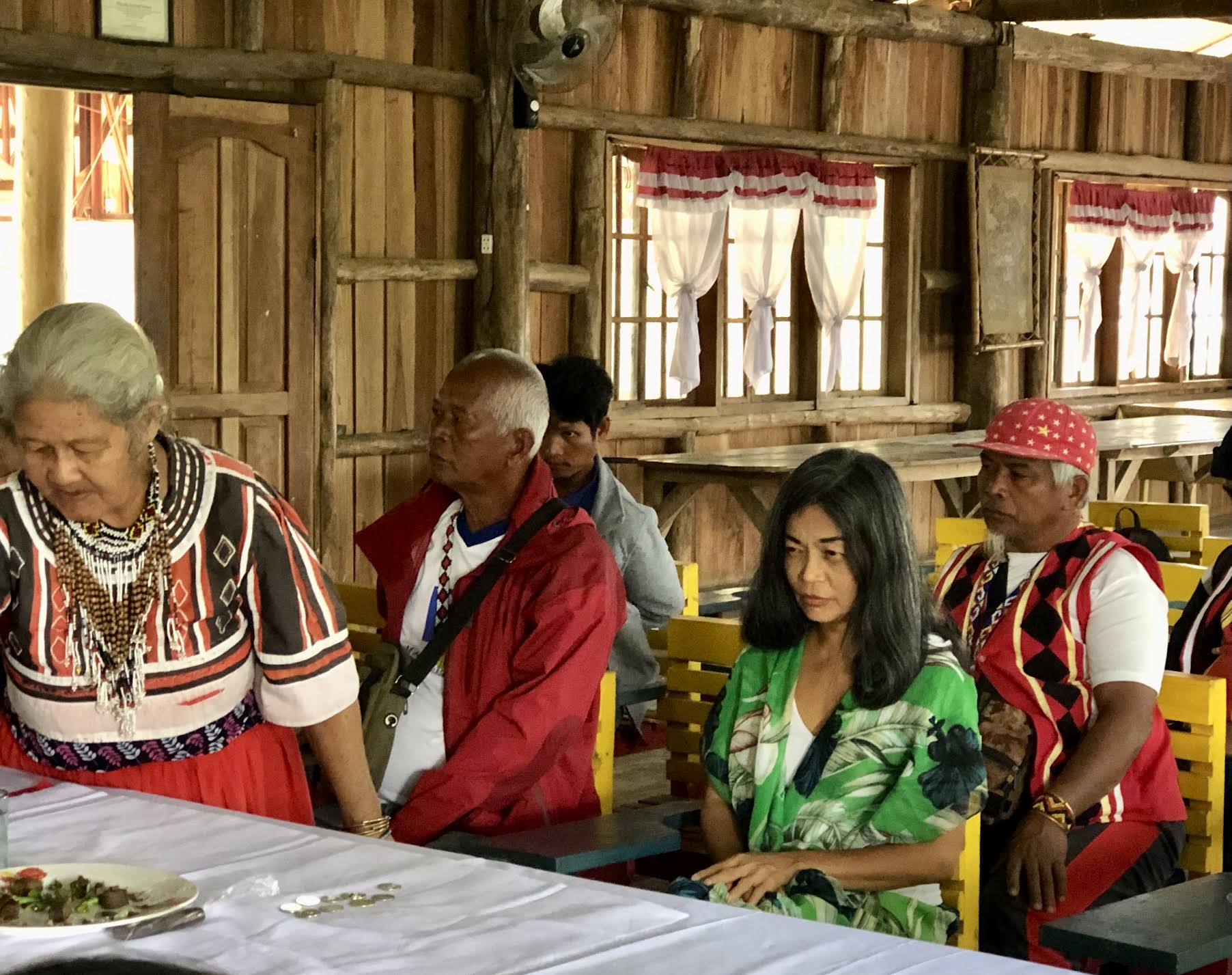


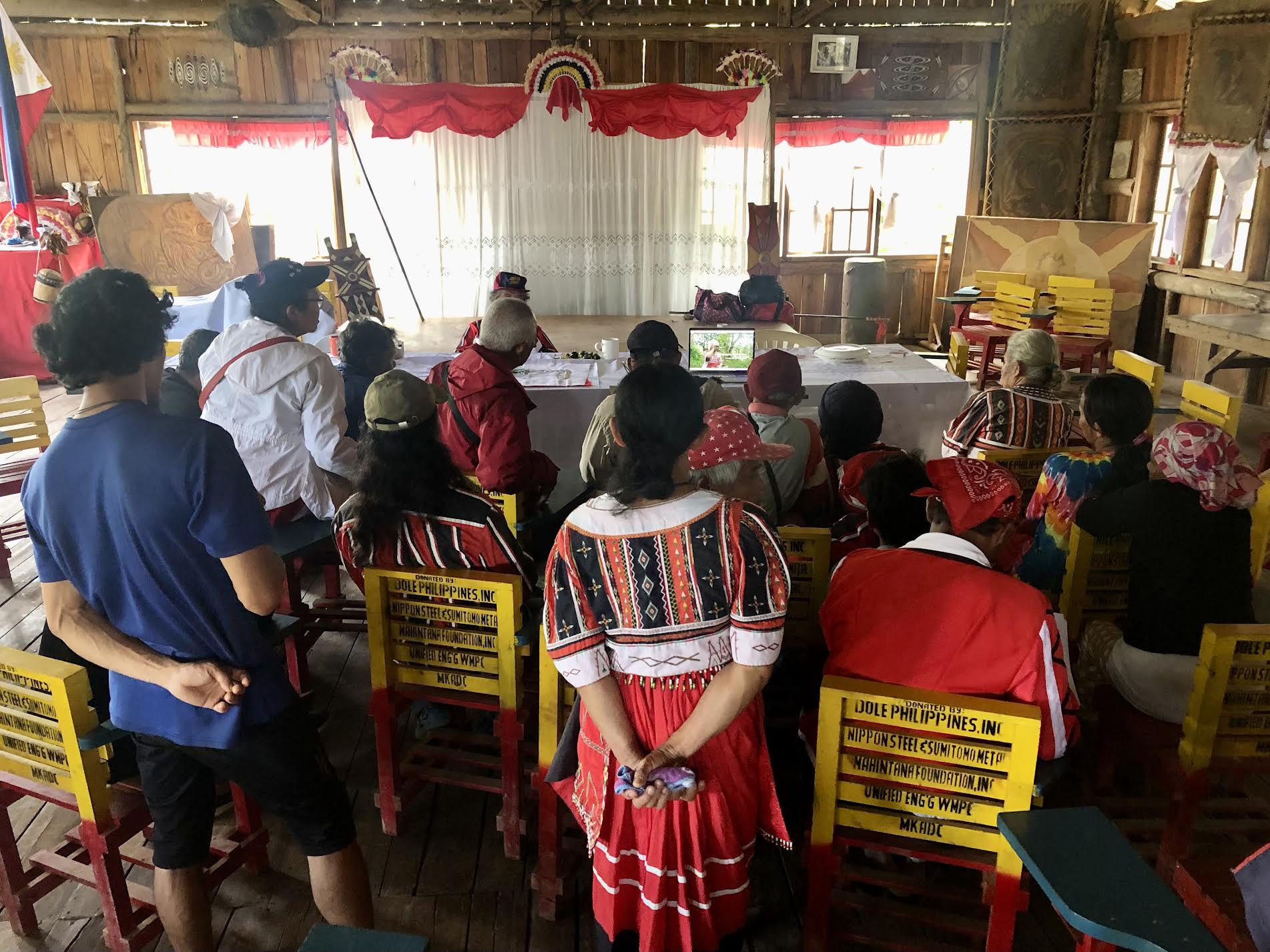


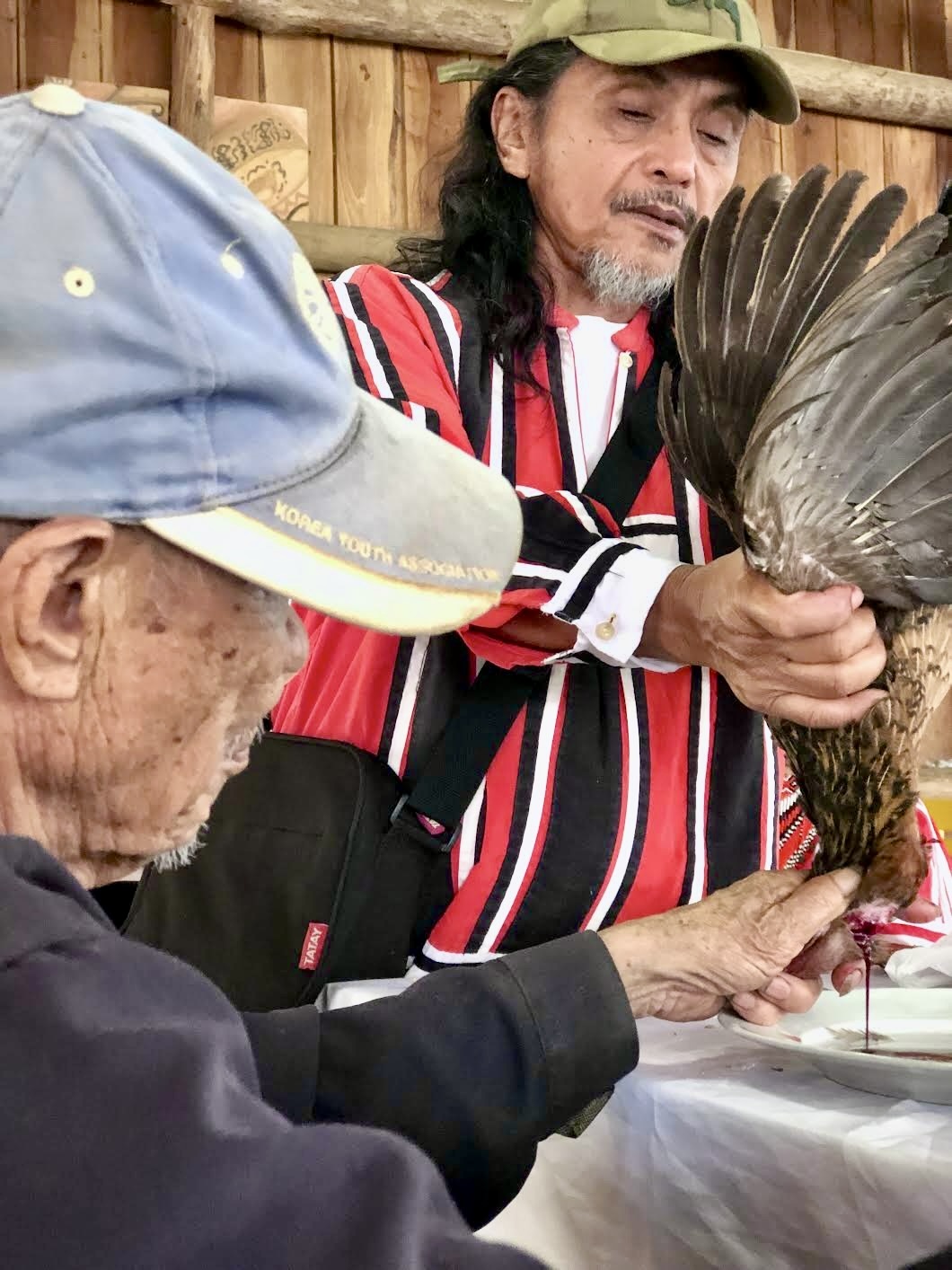


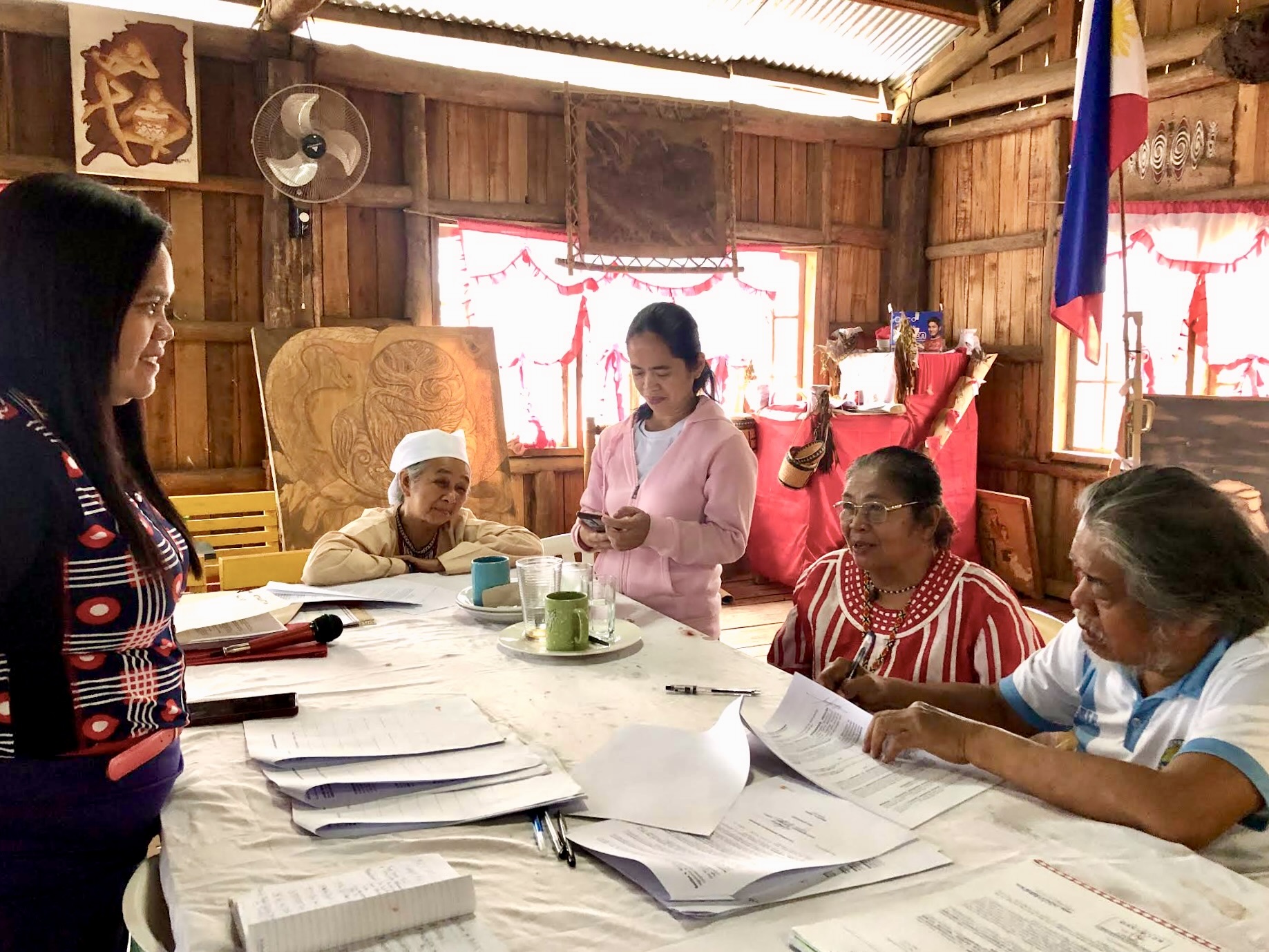
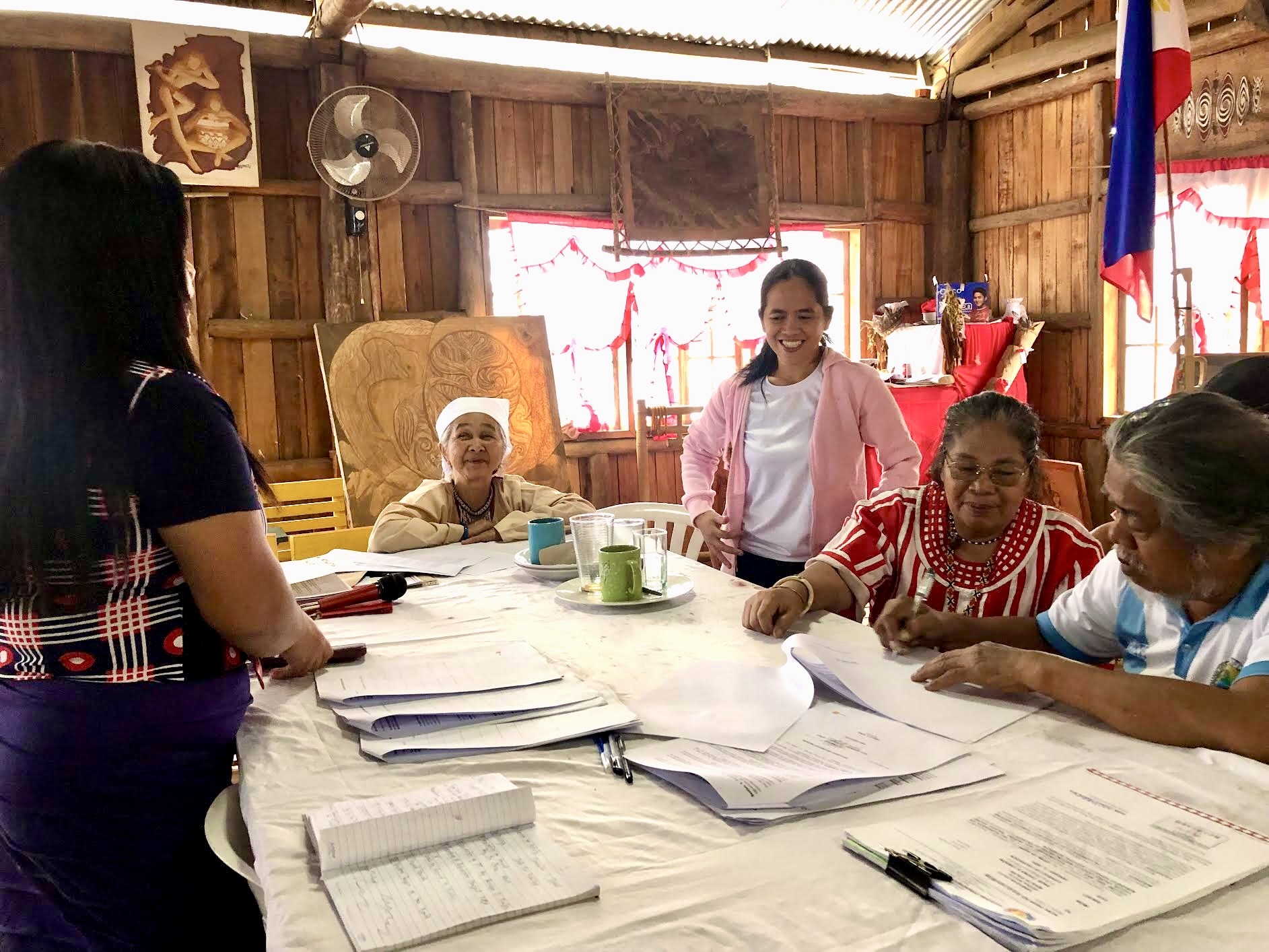

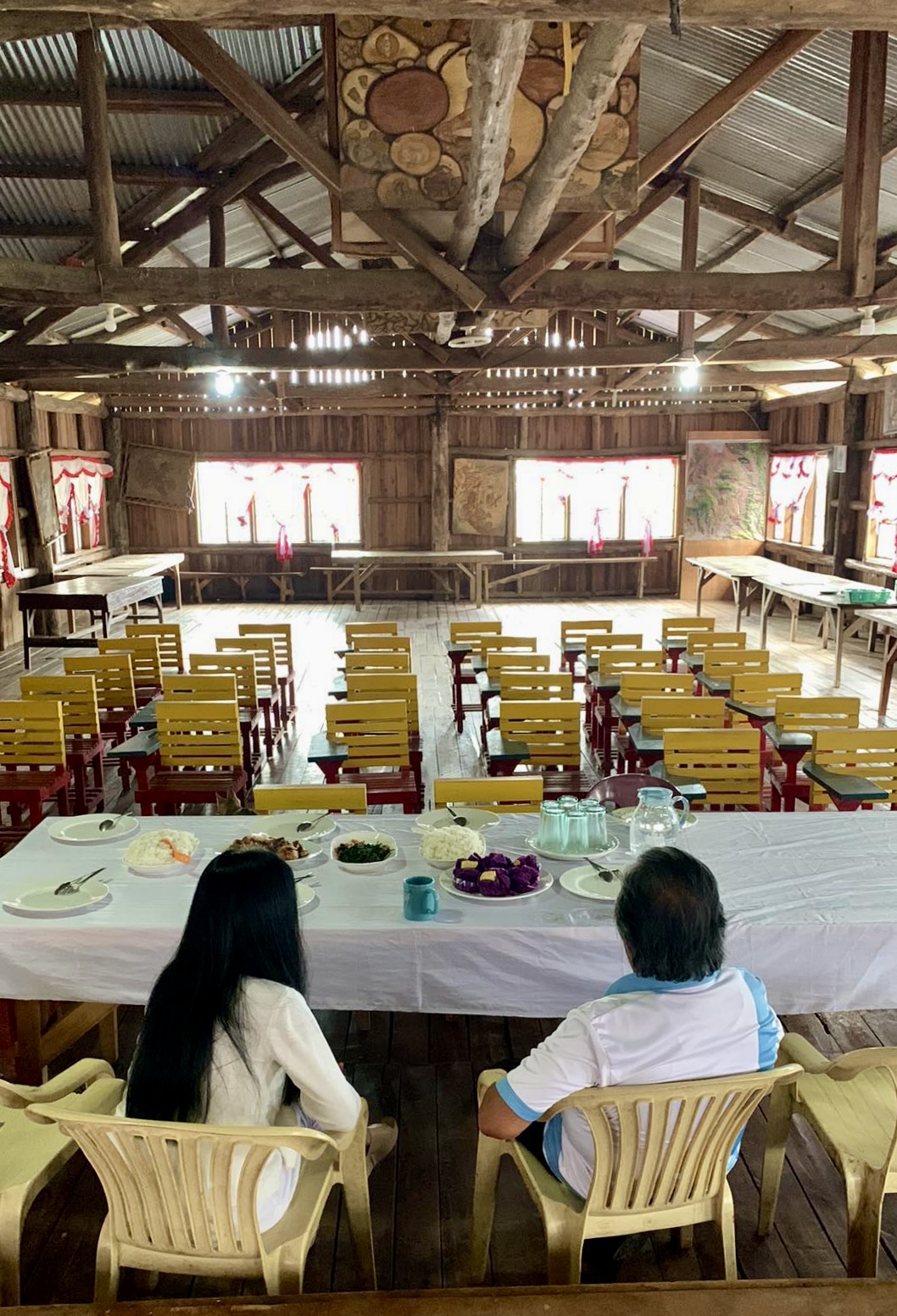
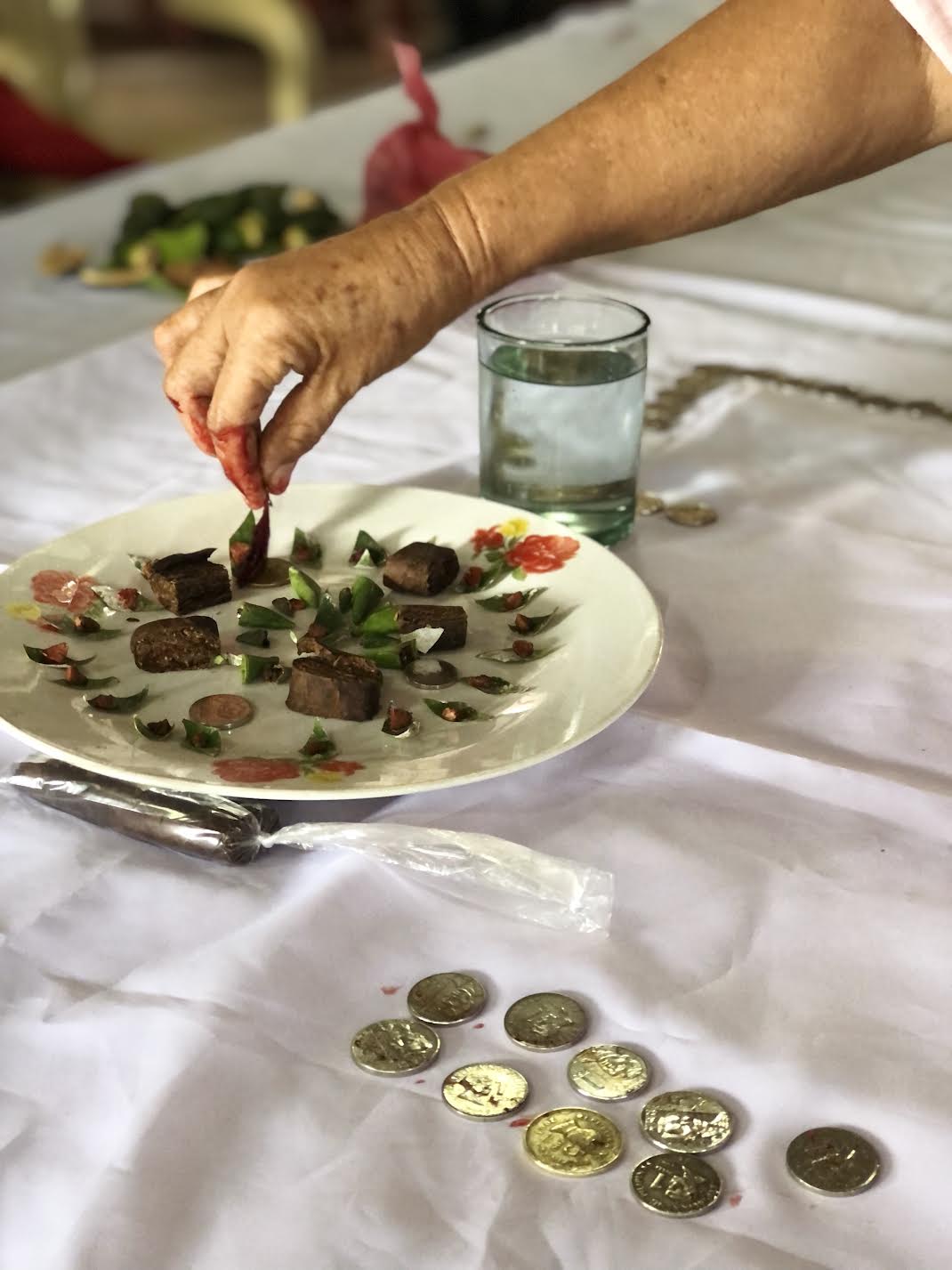


Agusan-Manobo
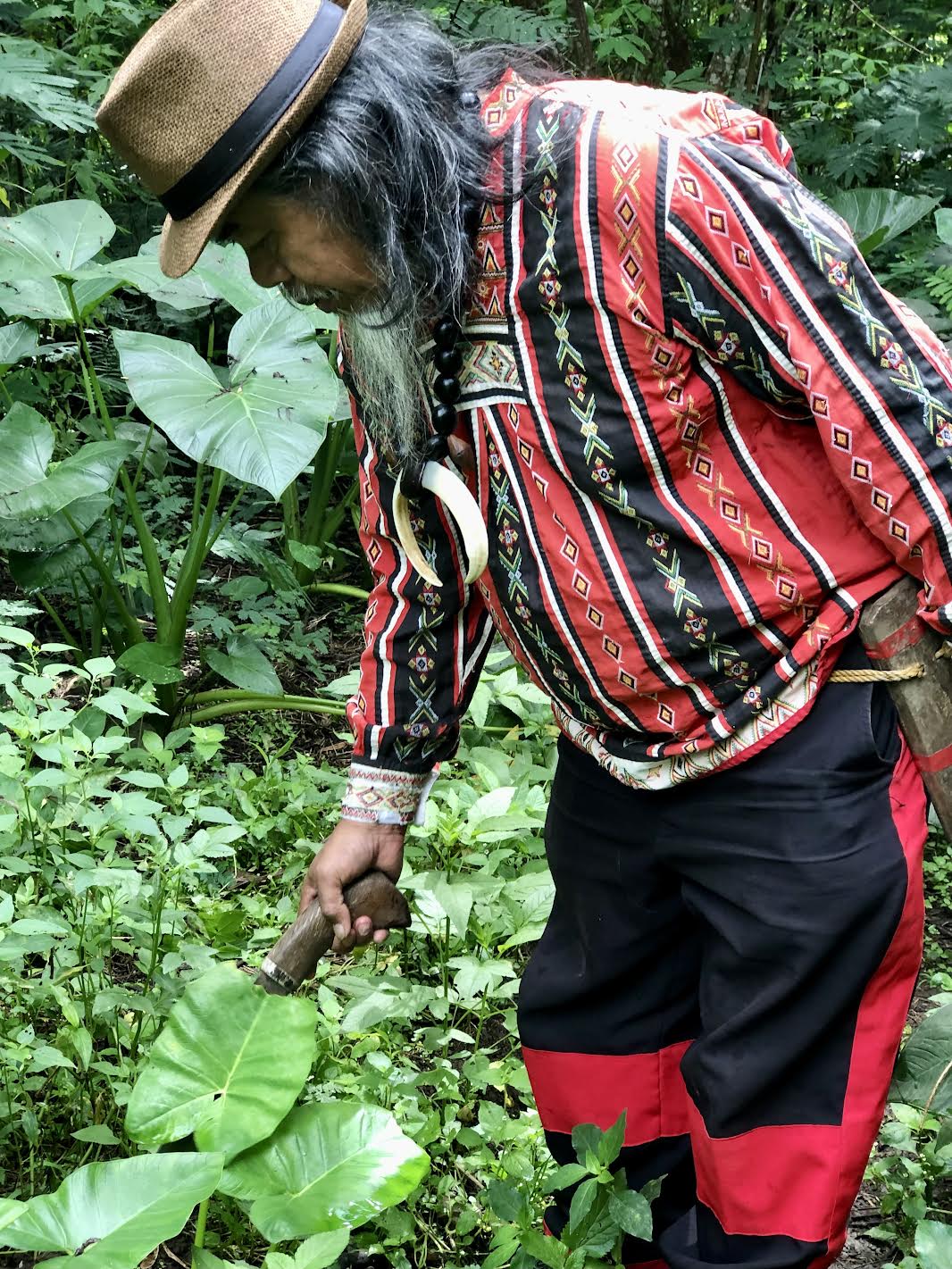
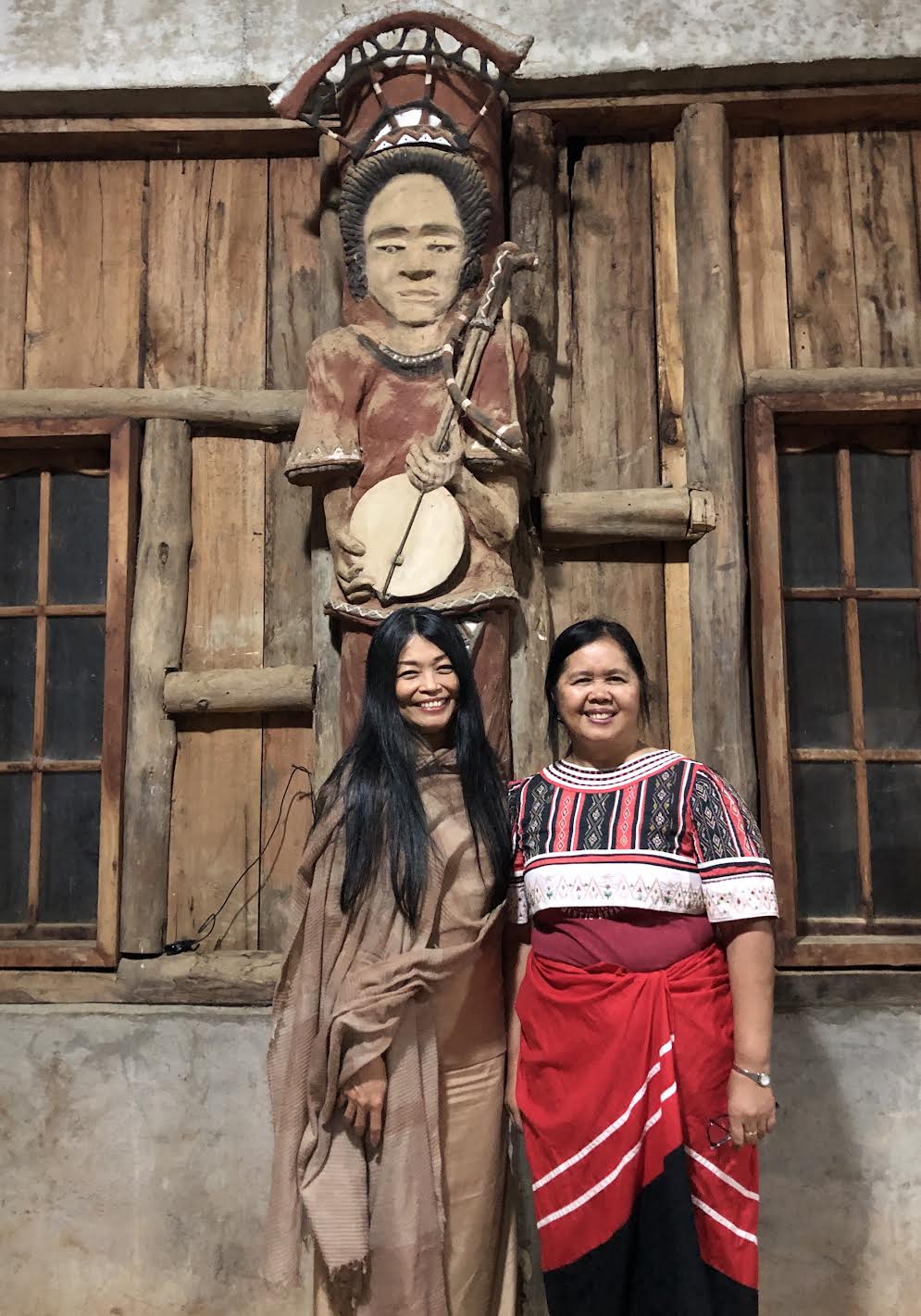
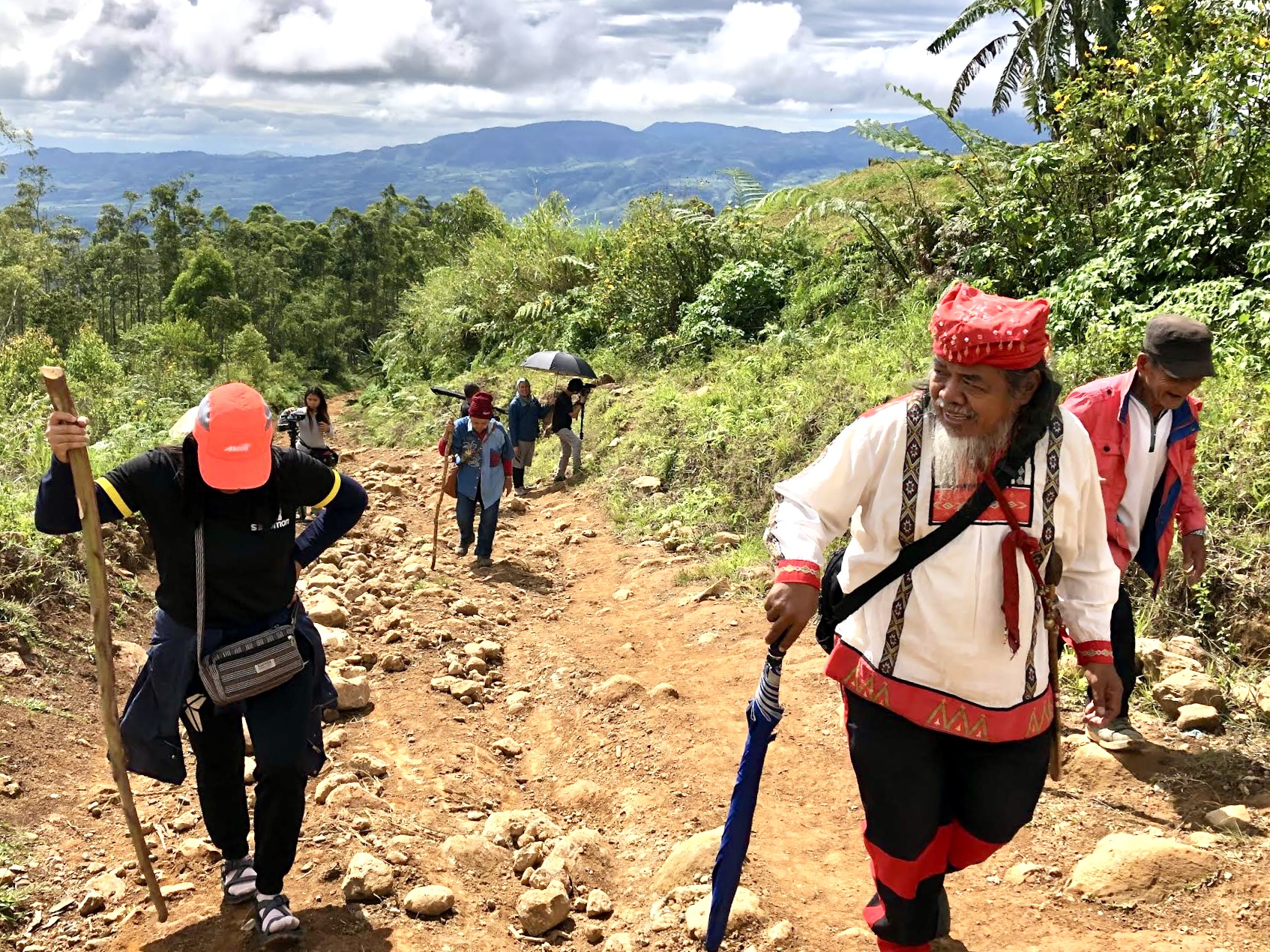
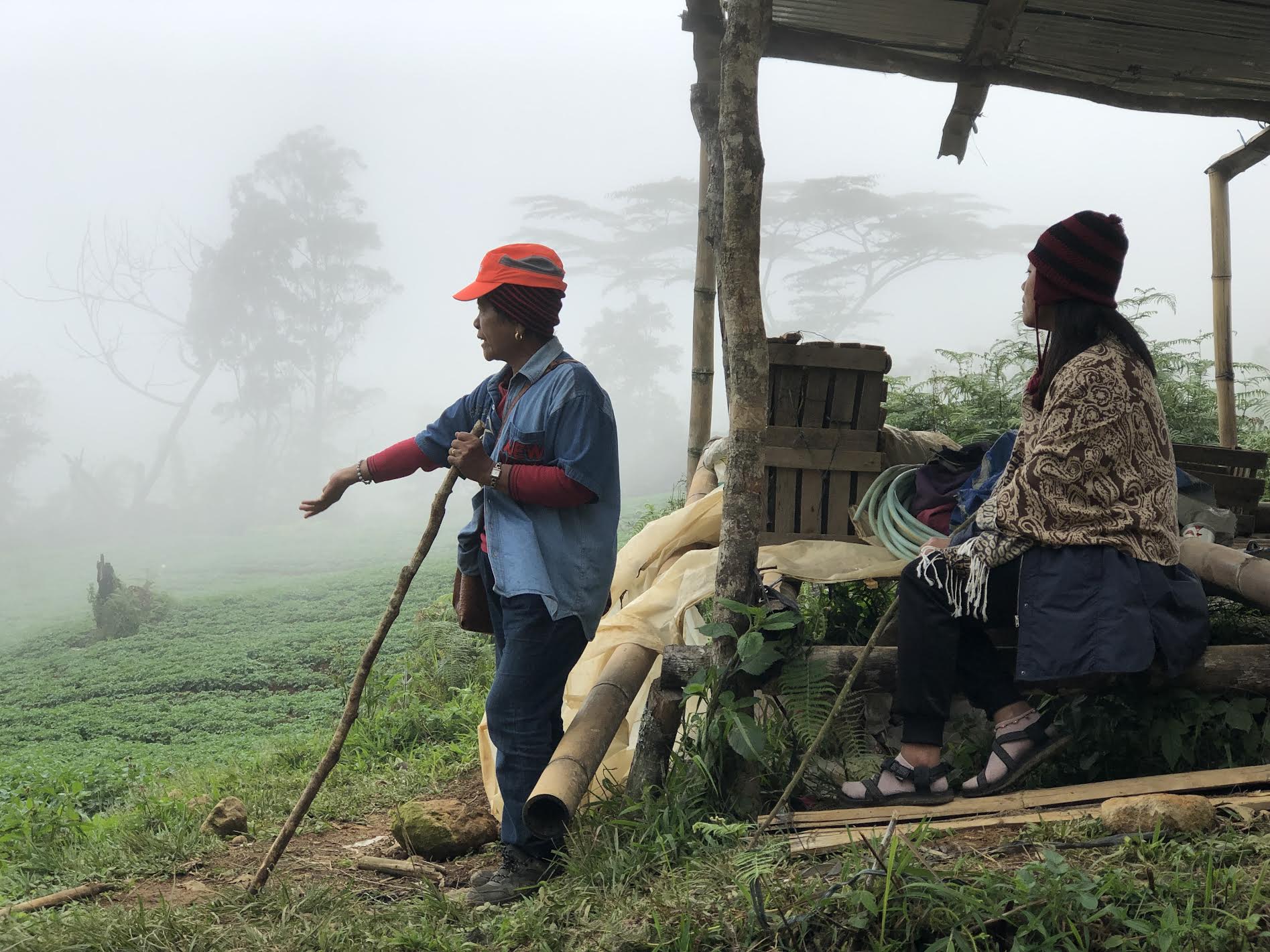
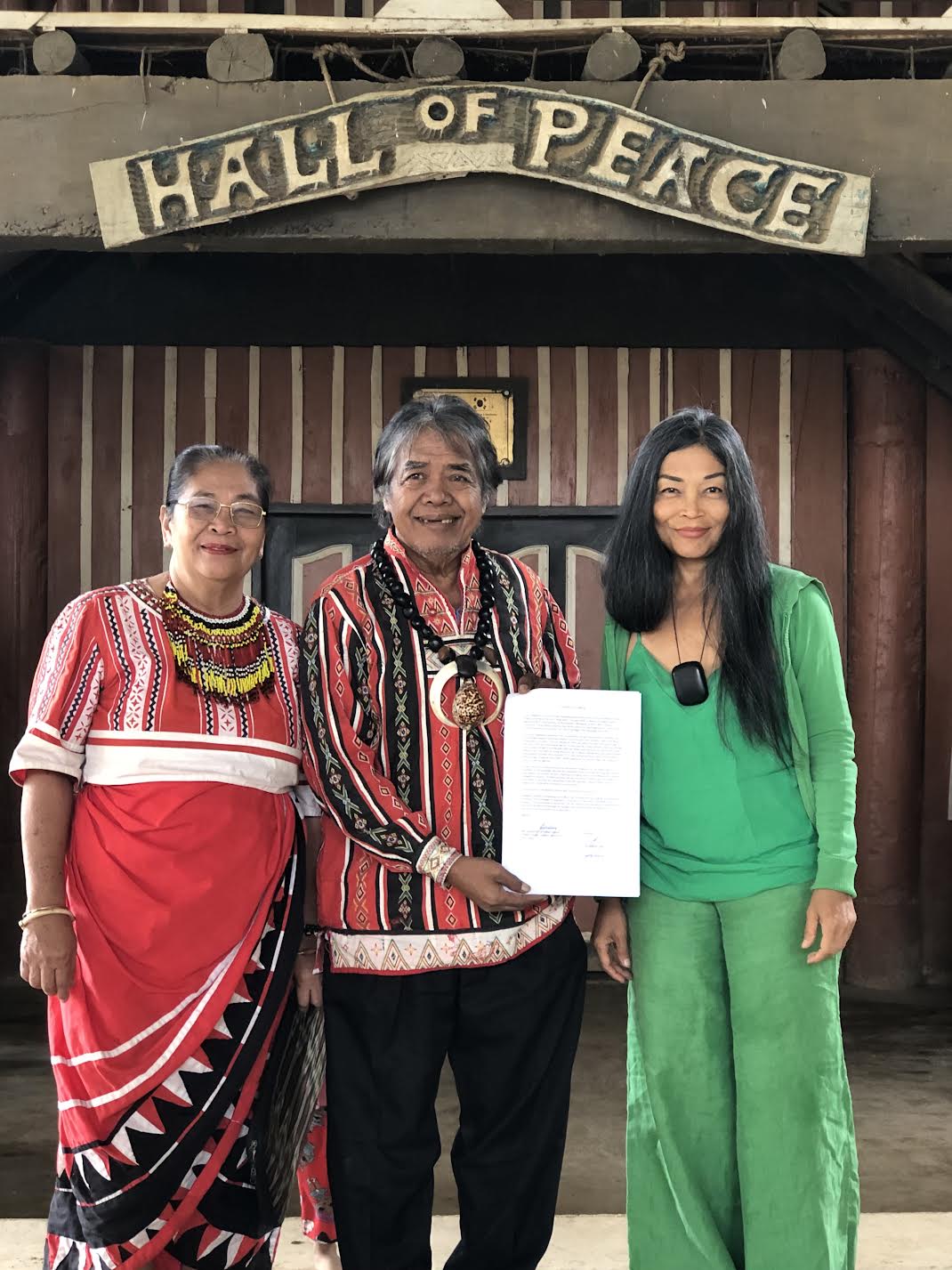
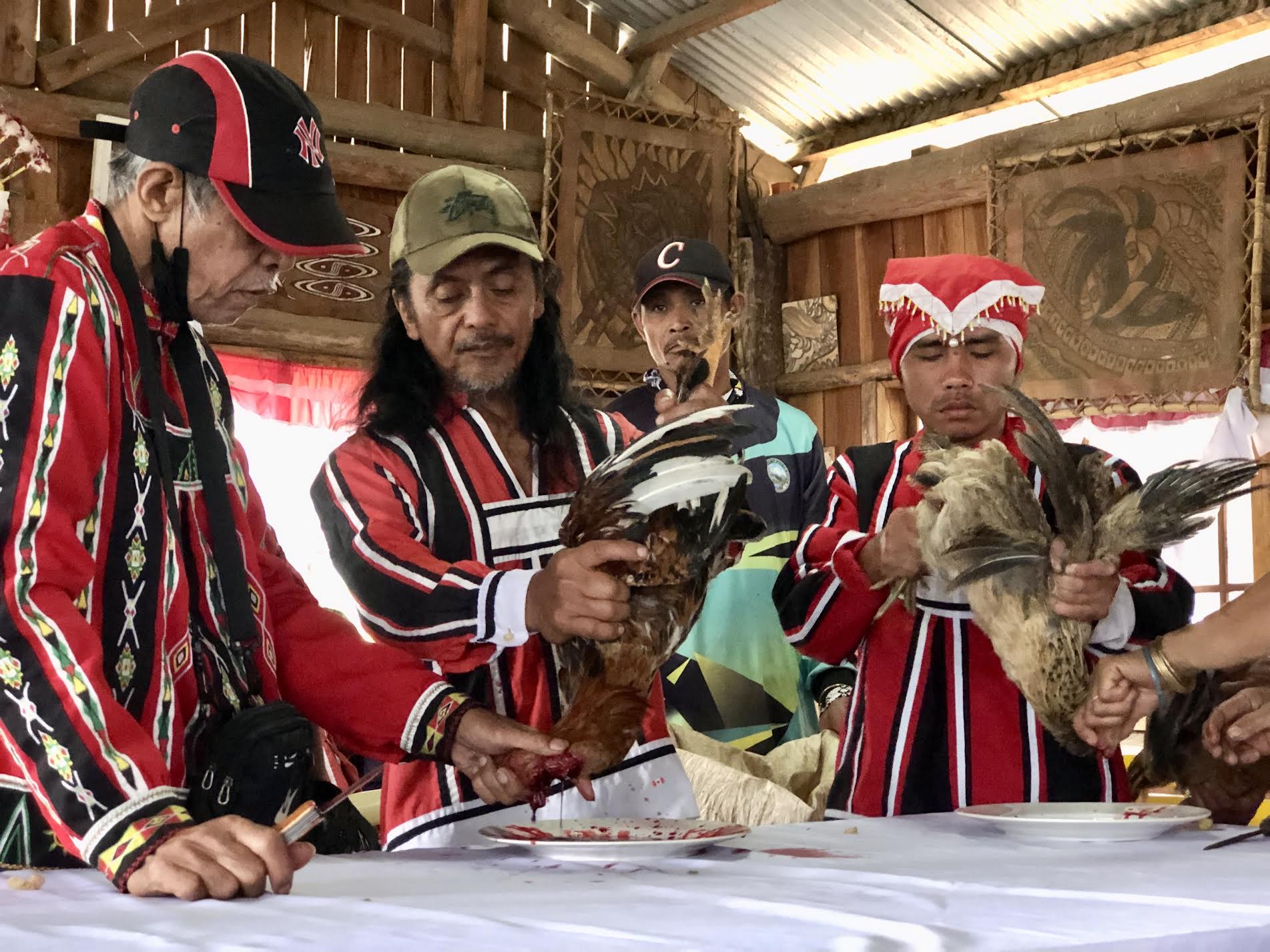
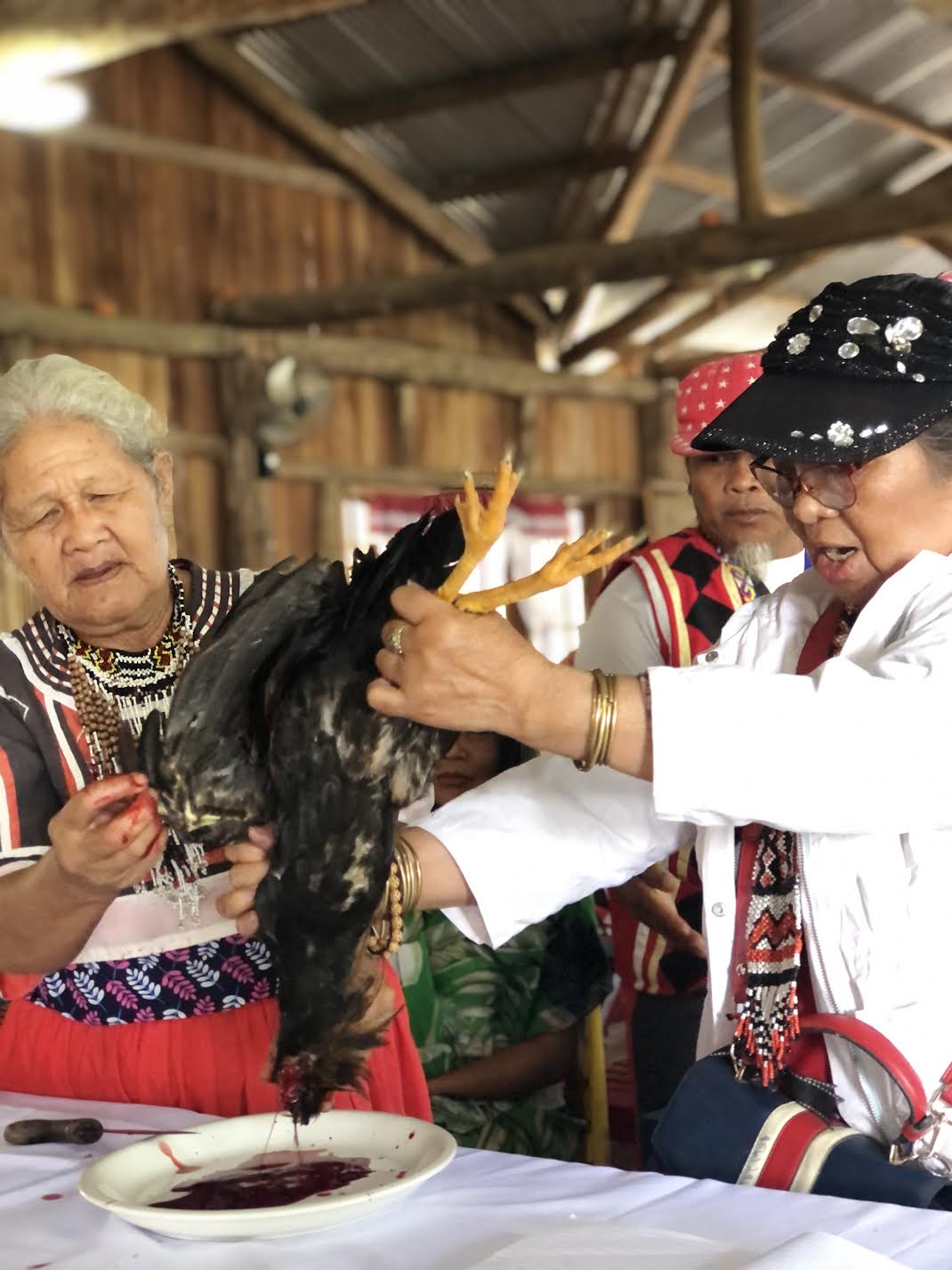
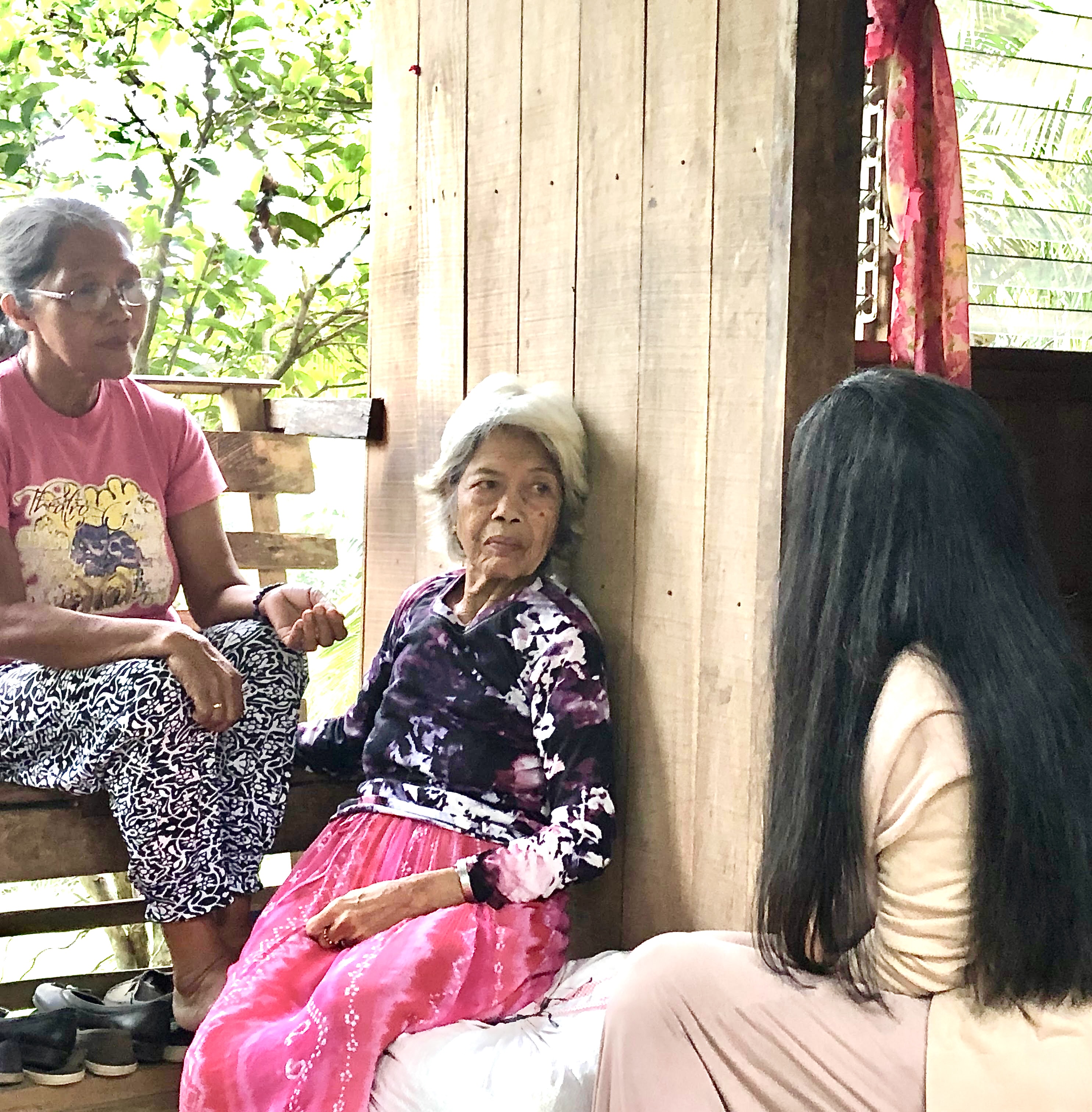
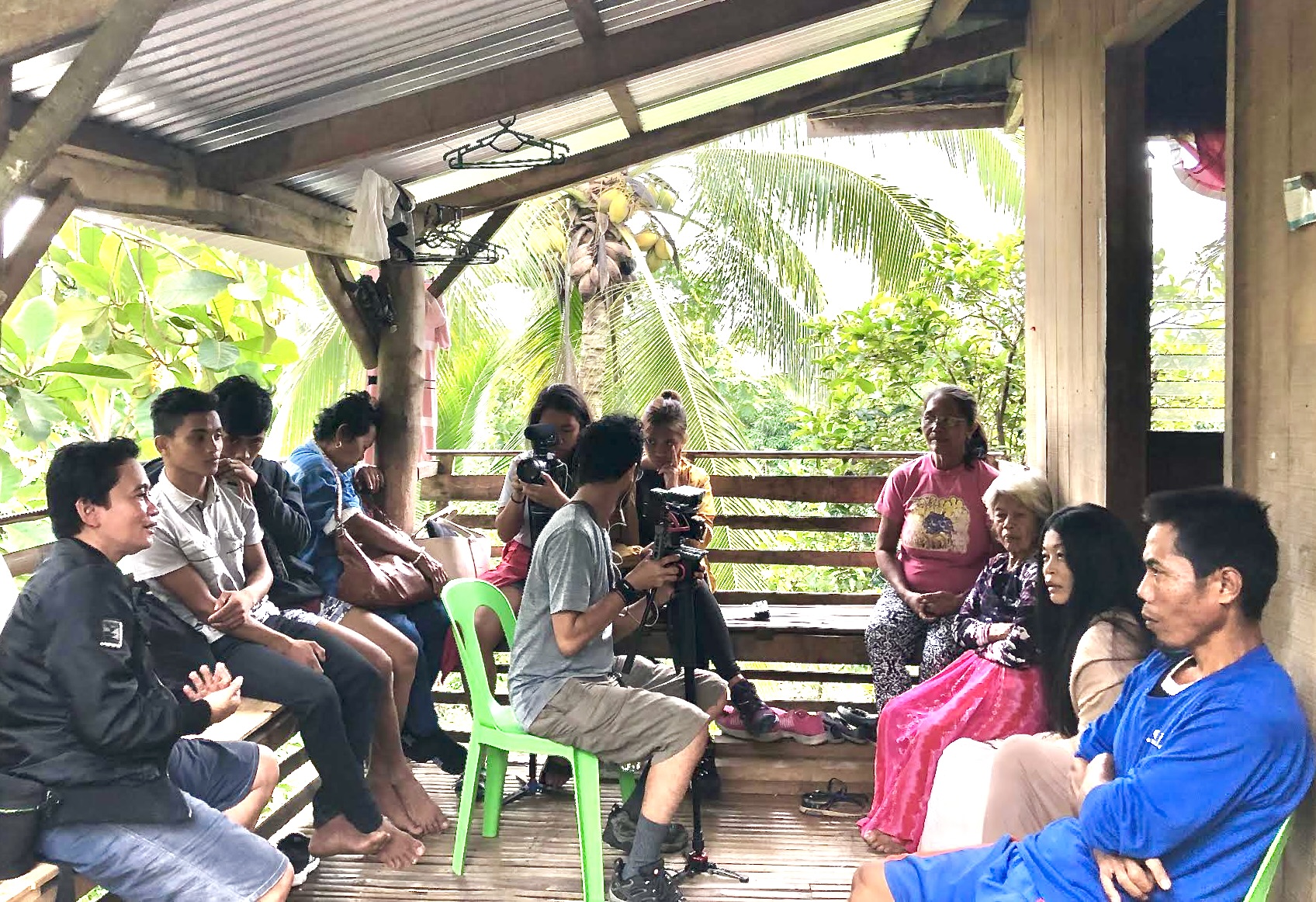
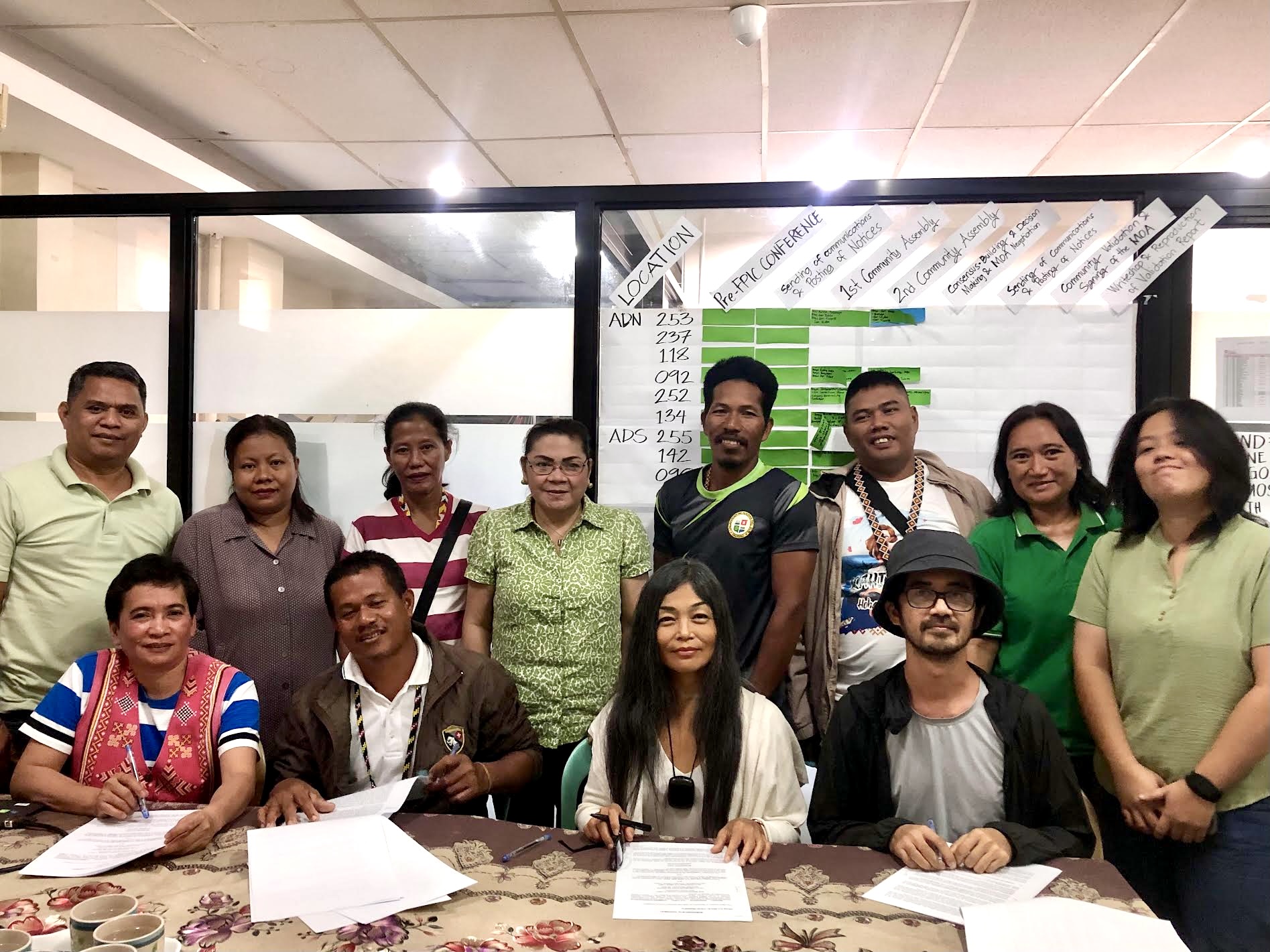
Photos, with Agusanon-Manobo Chanter Bae Angela Placido, Agusanon-Manobo Chieftain Bae Manyaguyad Lucy Rico, and Agusanon-Manobo Sector Leader Datu Kanimbaylan Remy Reyes, and others












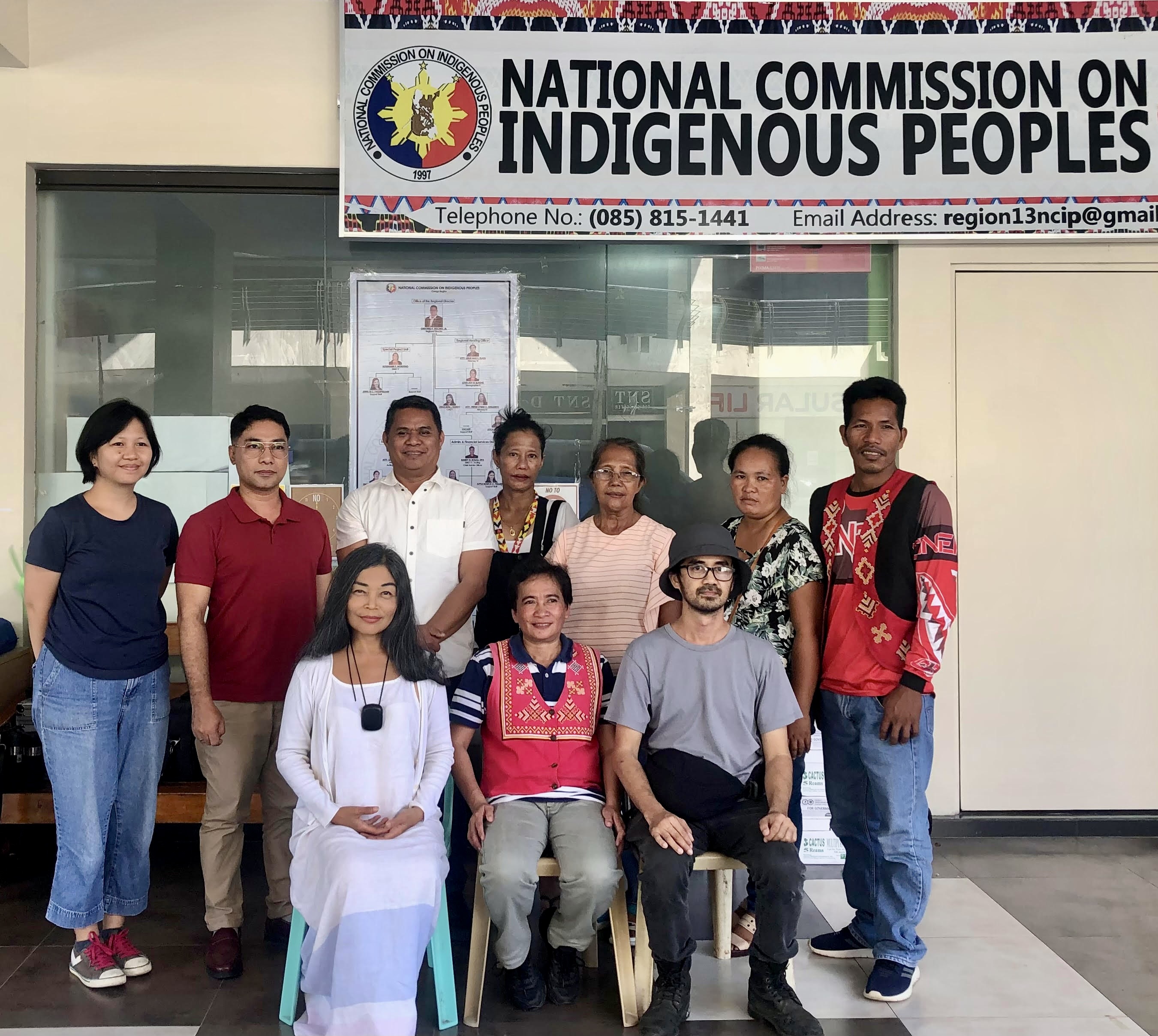
T’boli
Photos, with descendant of T’boli Epic Chanter Mendung Sabal-Franky Sabal, T’boli Culture Bearers Myrna Pula, Edna Mofac, Jolinda Lugan, Maria Todi, Silin Awed, and others
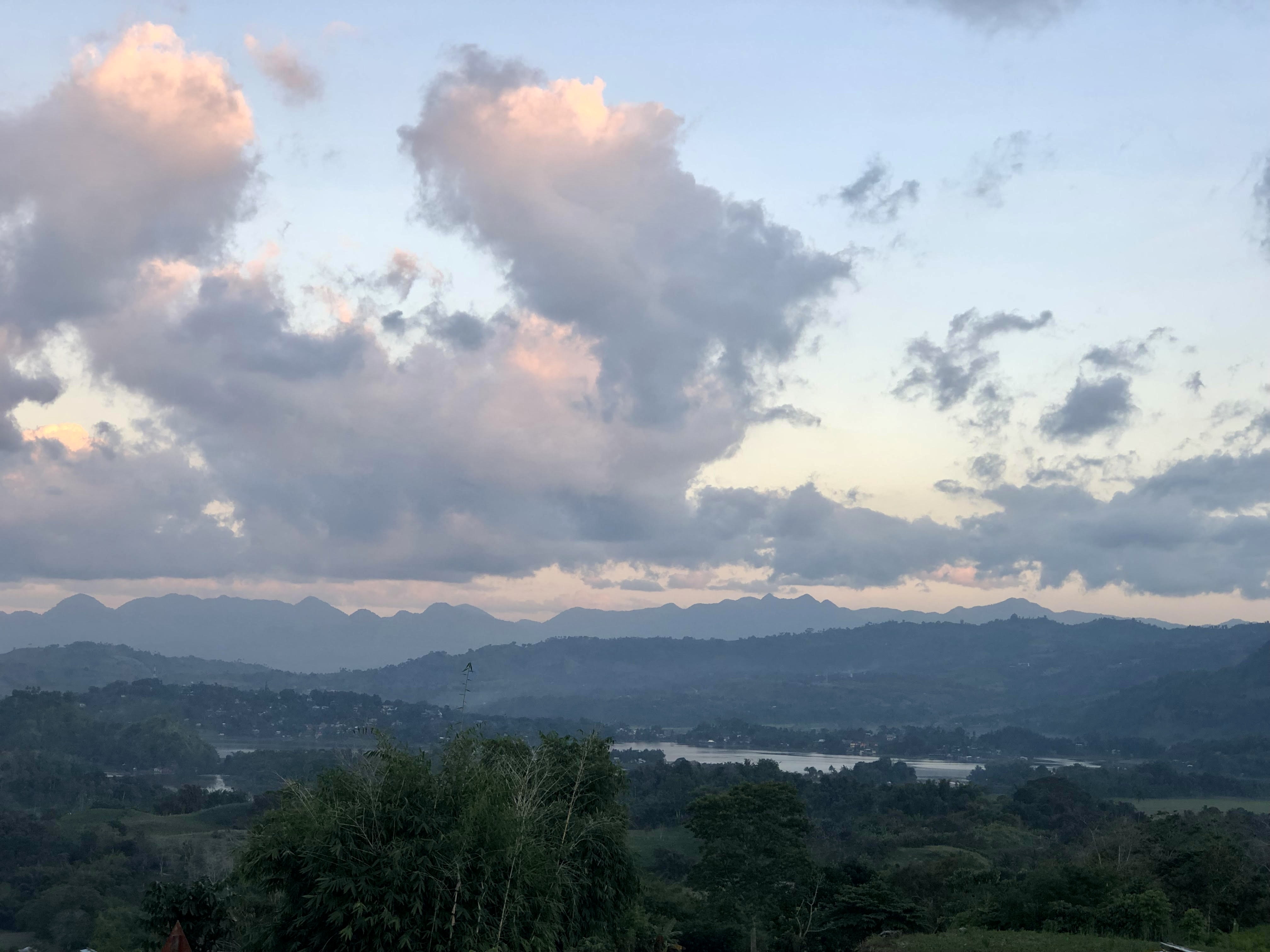
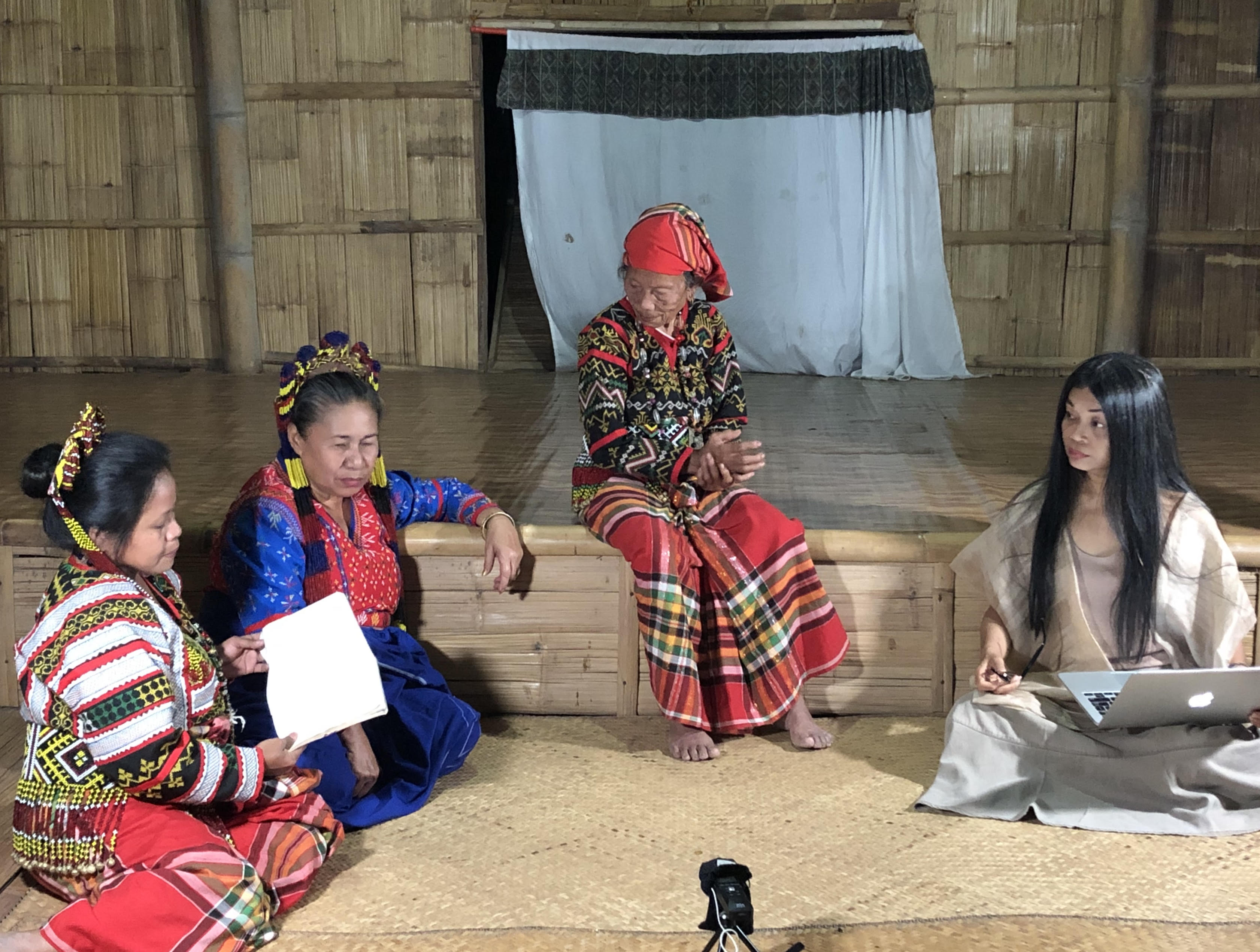

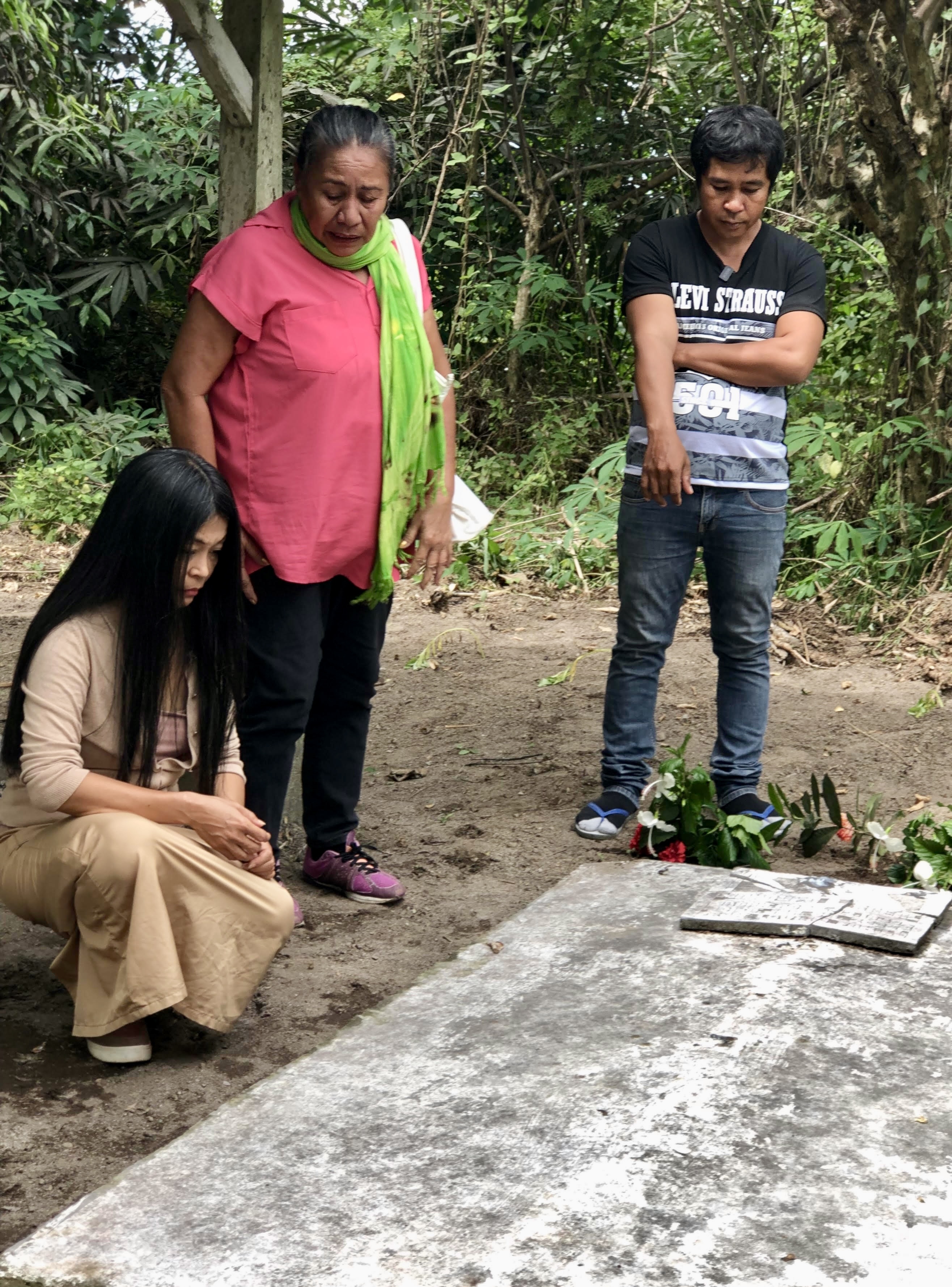




Blaan
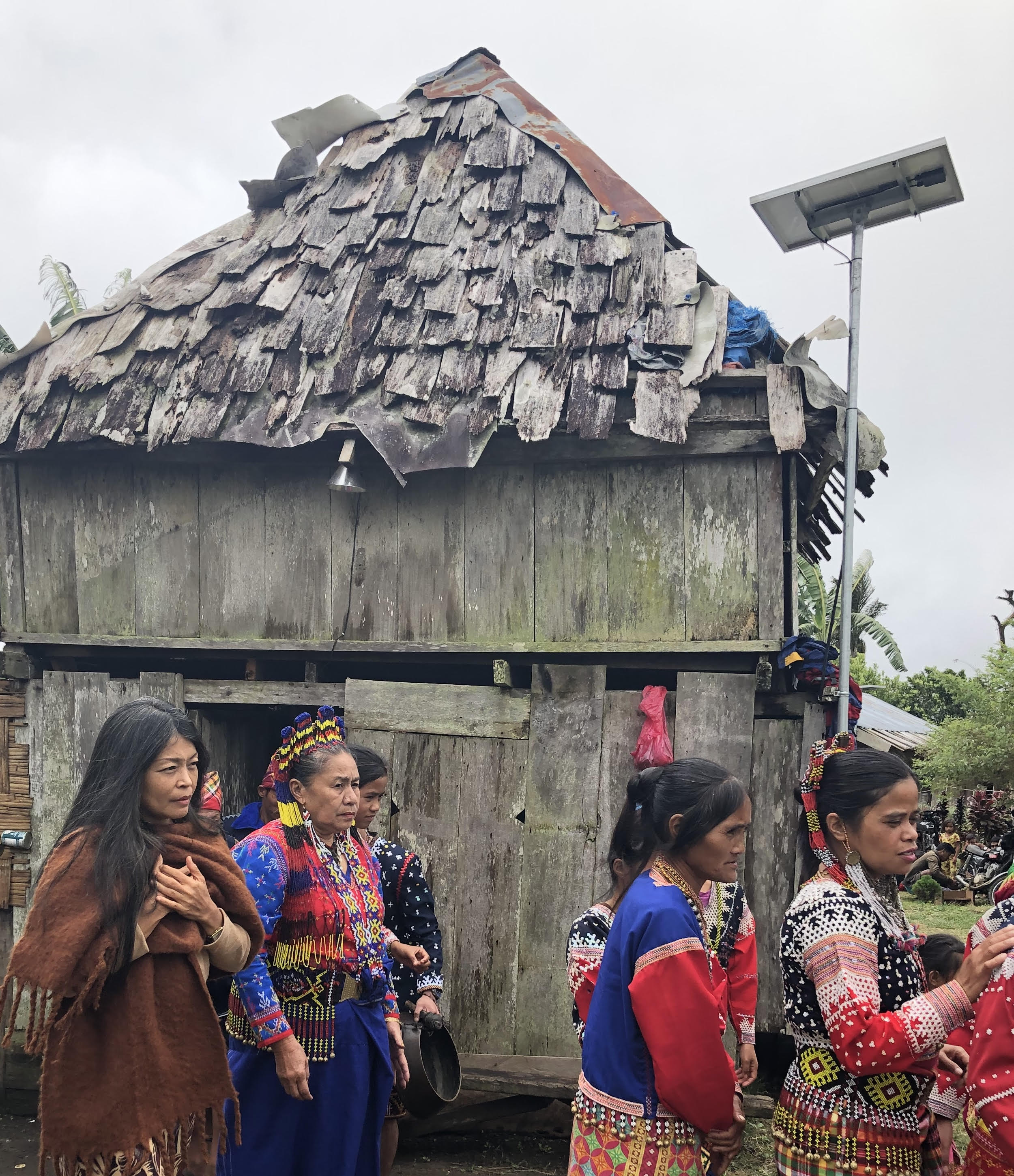
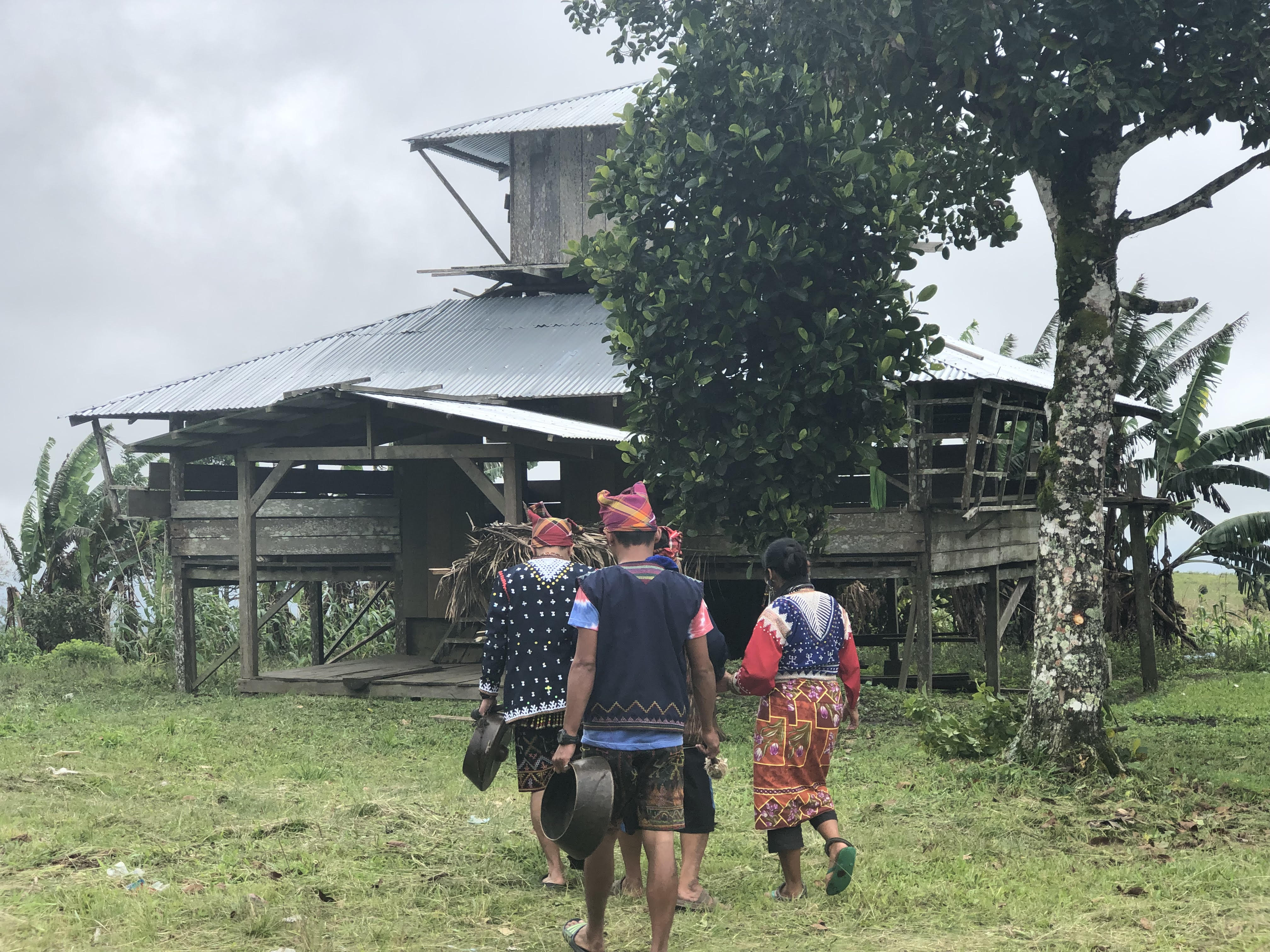
Photos, with Blaan Chanters and Leaders Elia Capeon, Legla Capeon, Mata Masayeg, Lalinia Tialang, Dakel Macondon, Datu Martin Magoling, Nancy Tialang, Agsafelia Tialang, Bie Gulae, and others











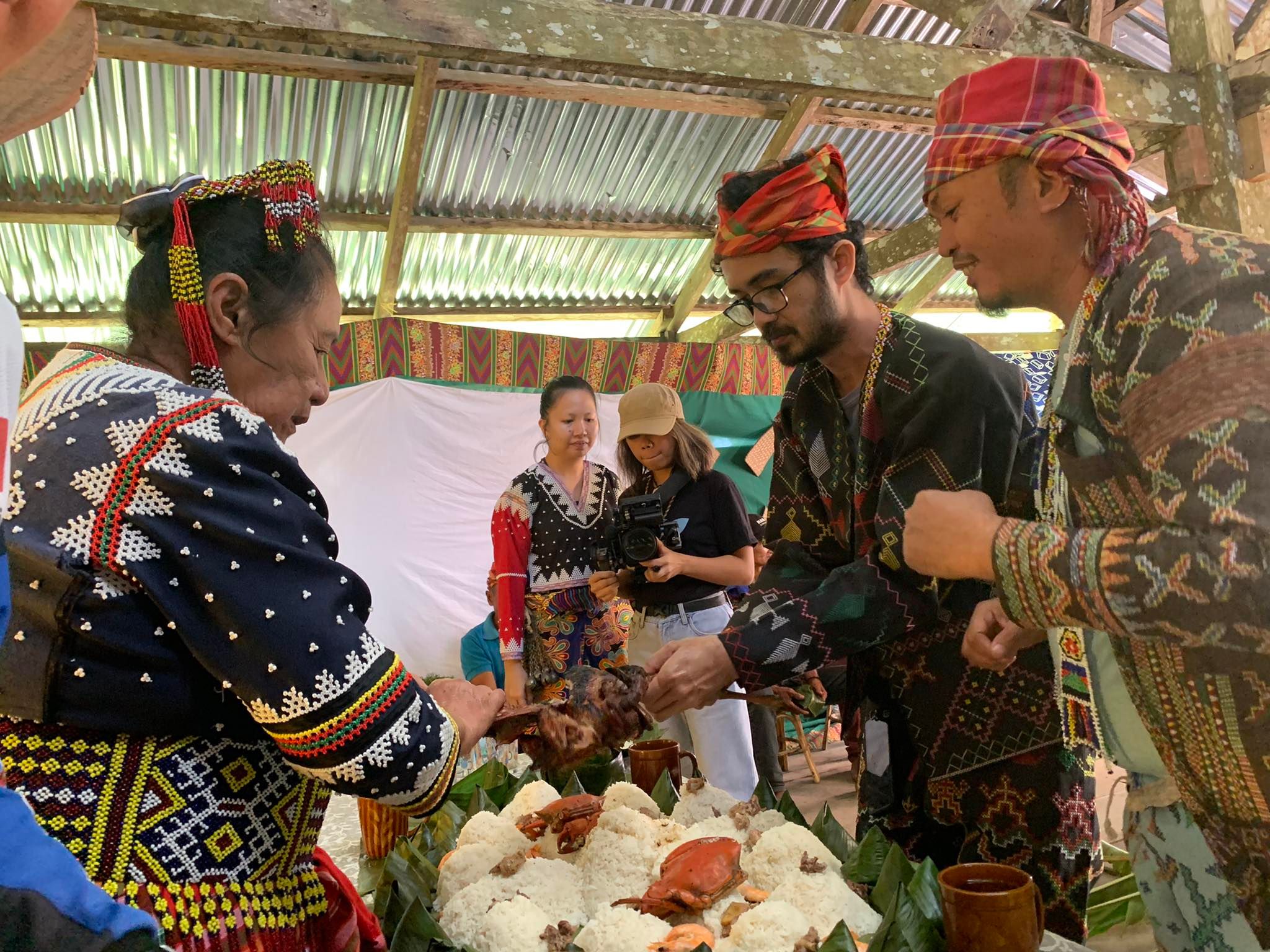
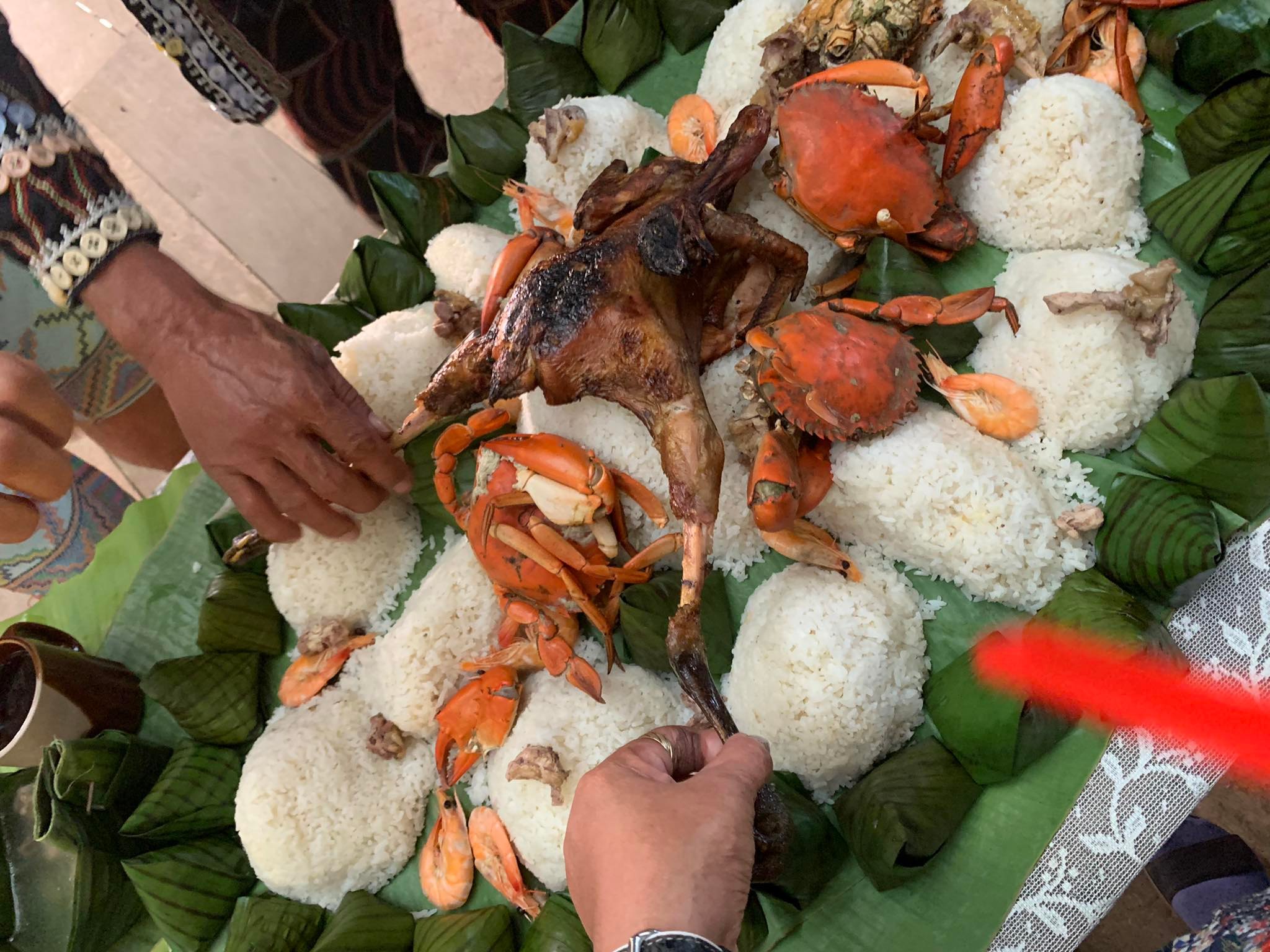

Past Programs
Pandemic and Calamity Assistance
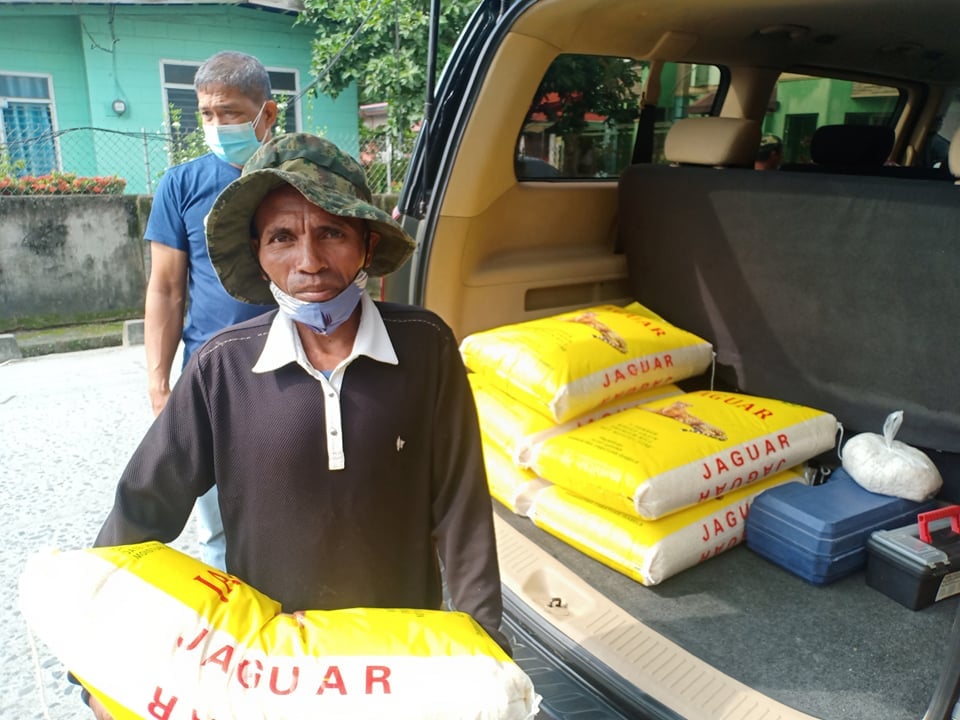
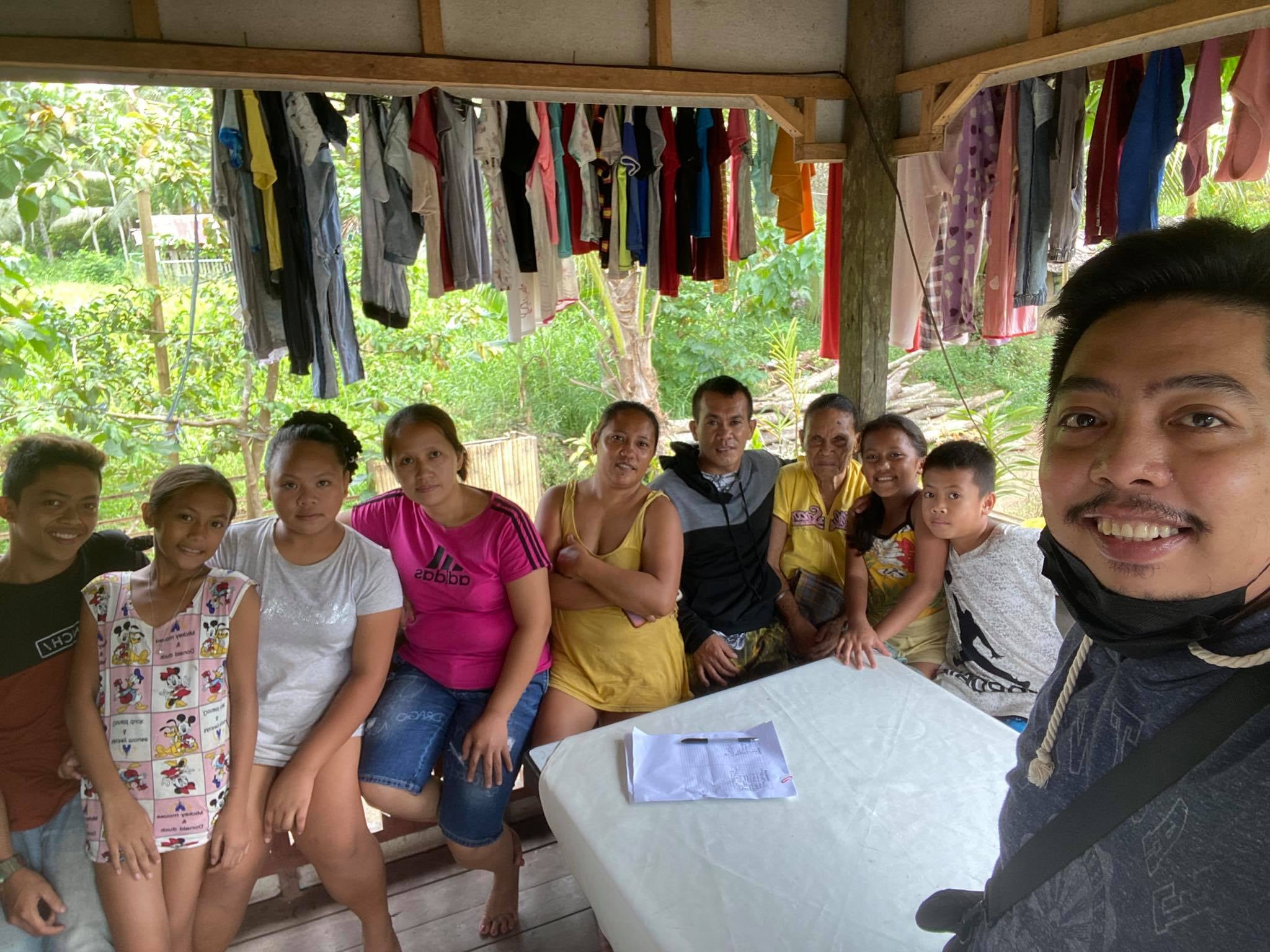
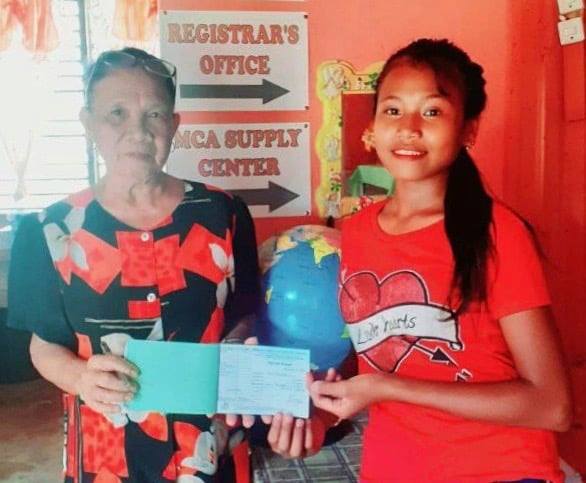
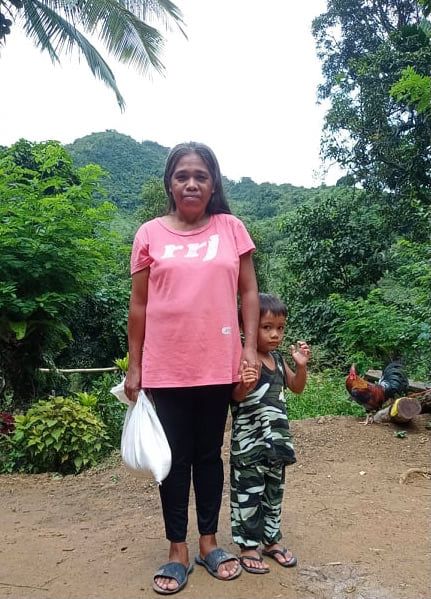
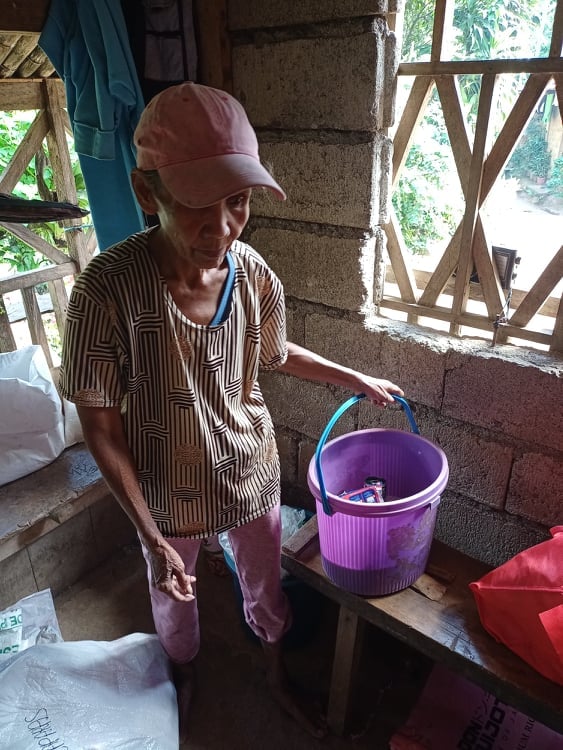
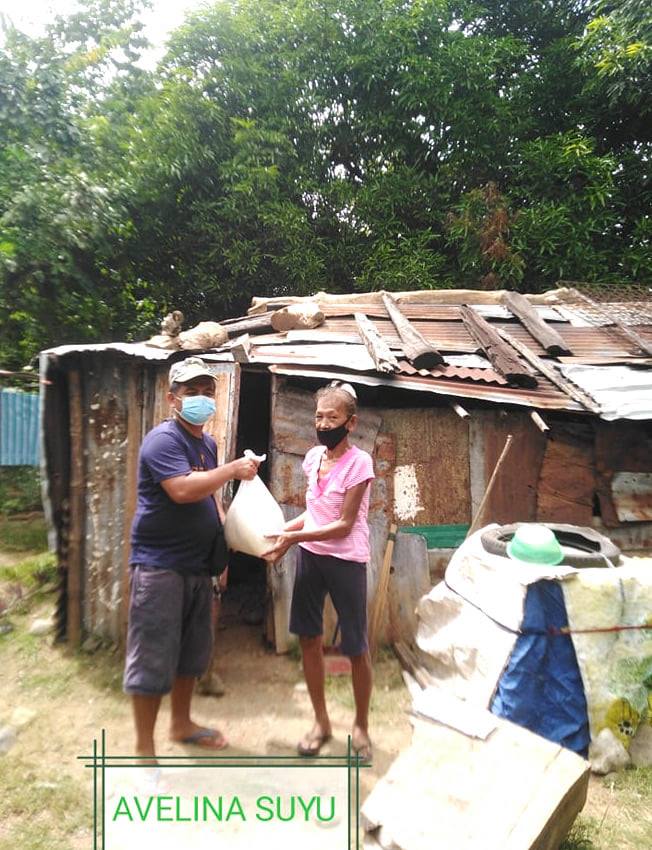
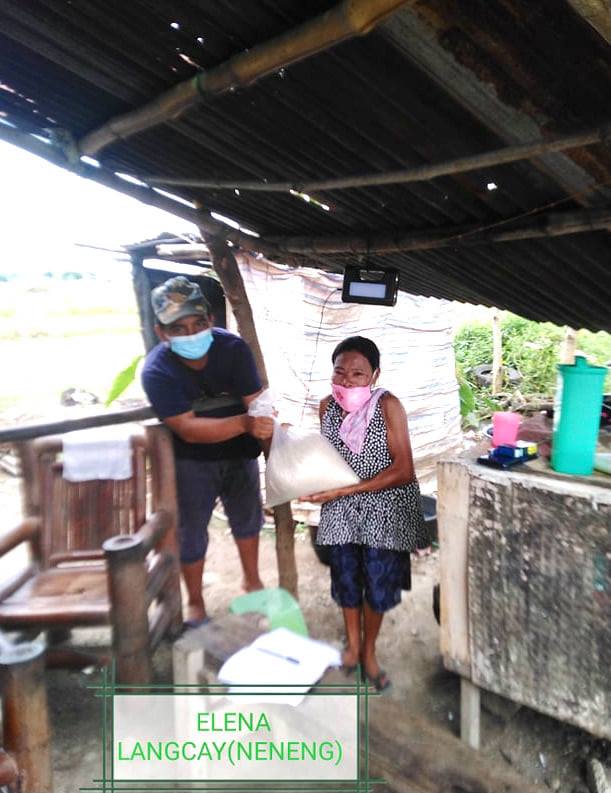
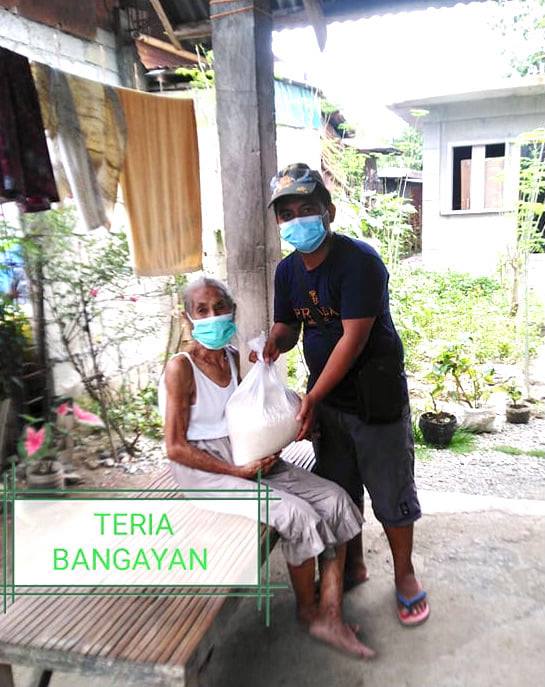
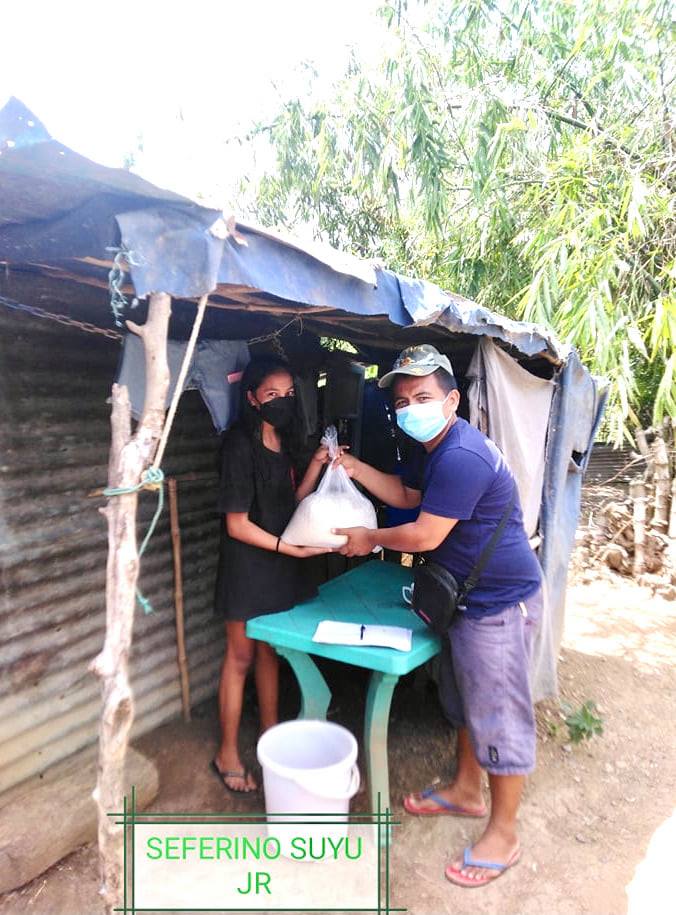
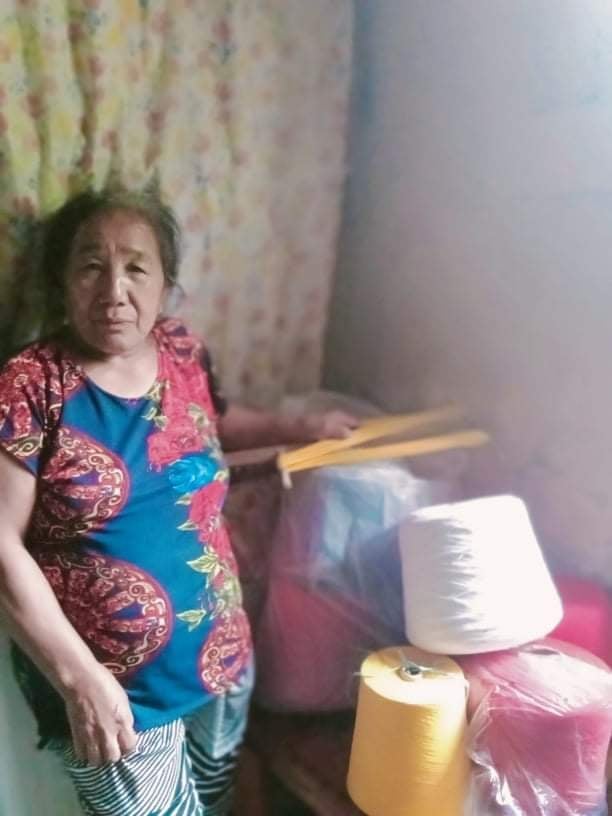
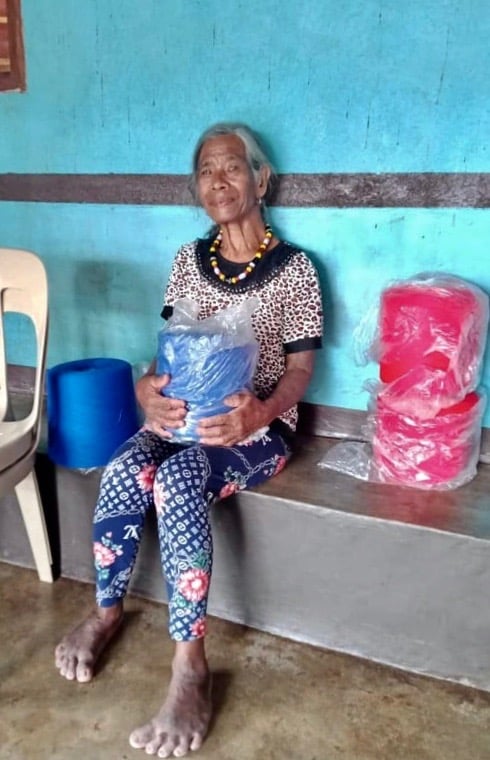
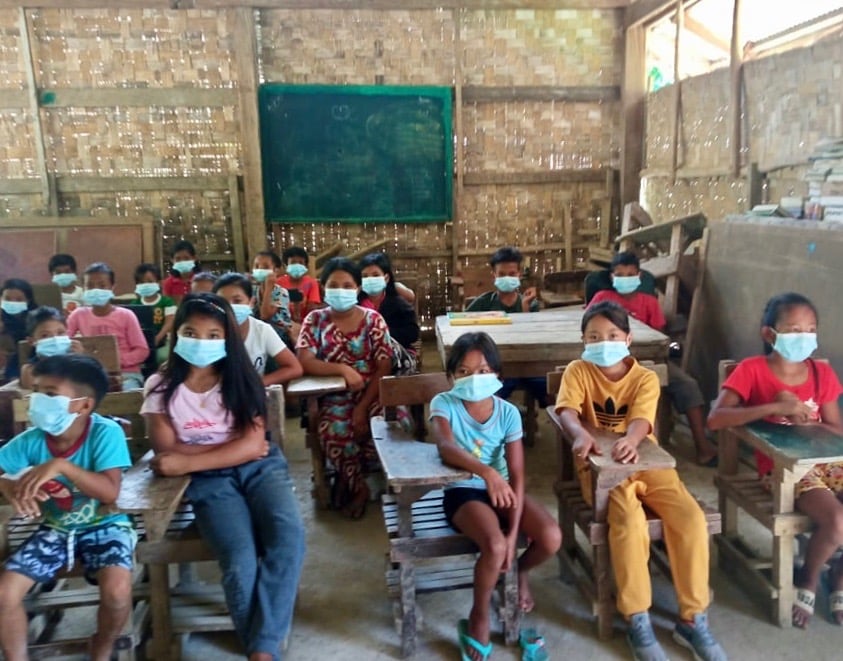
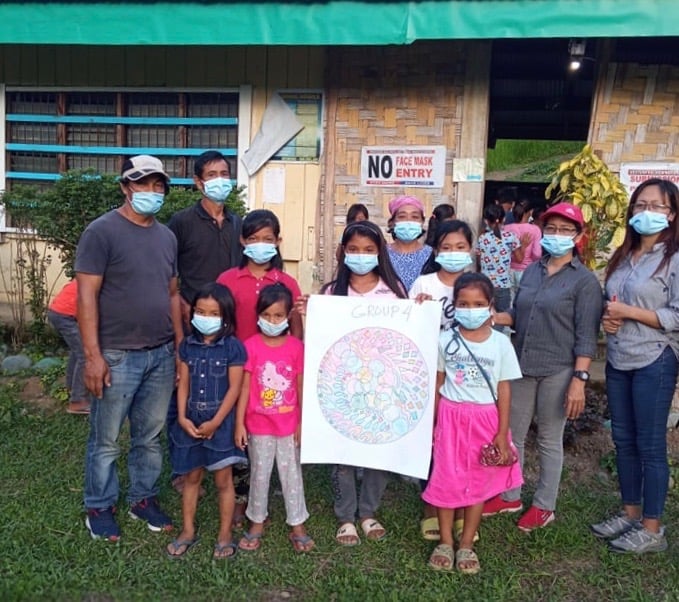
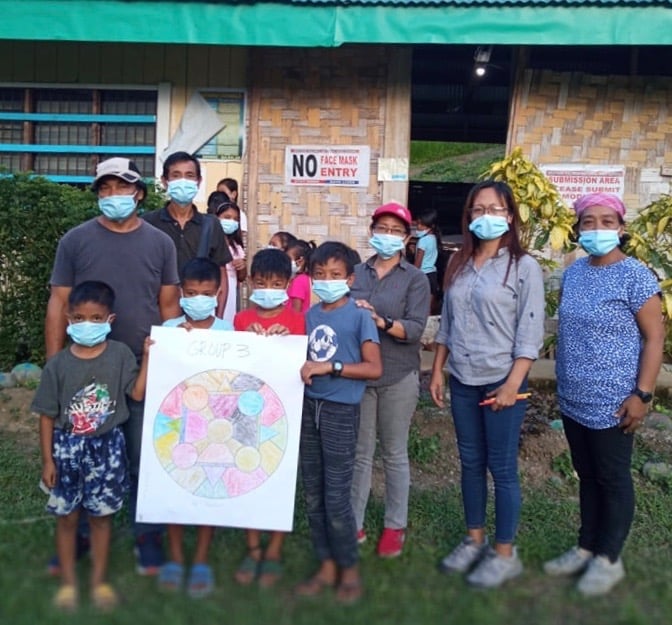
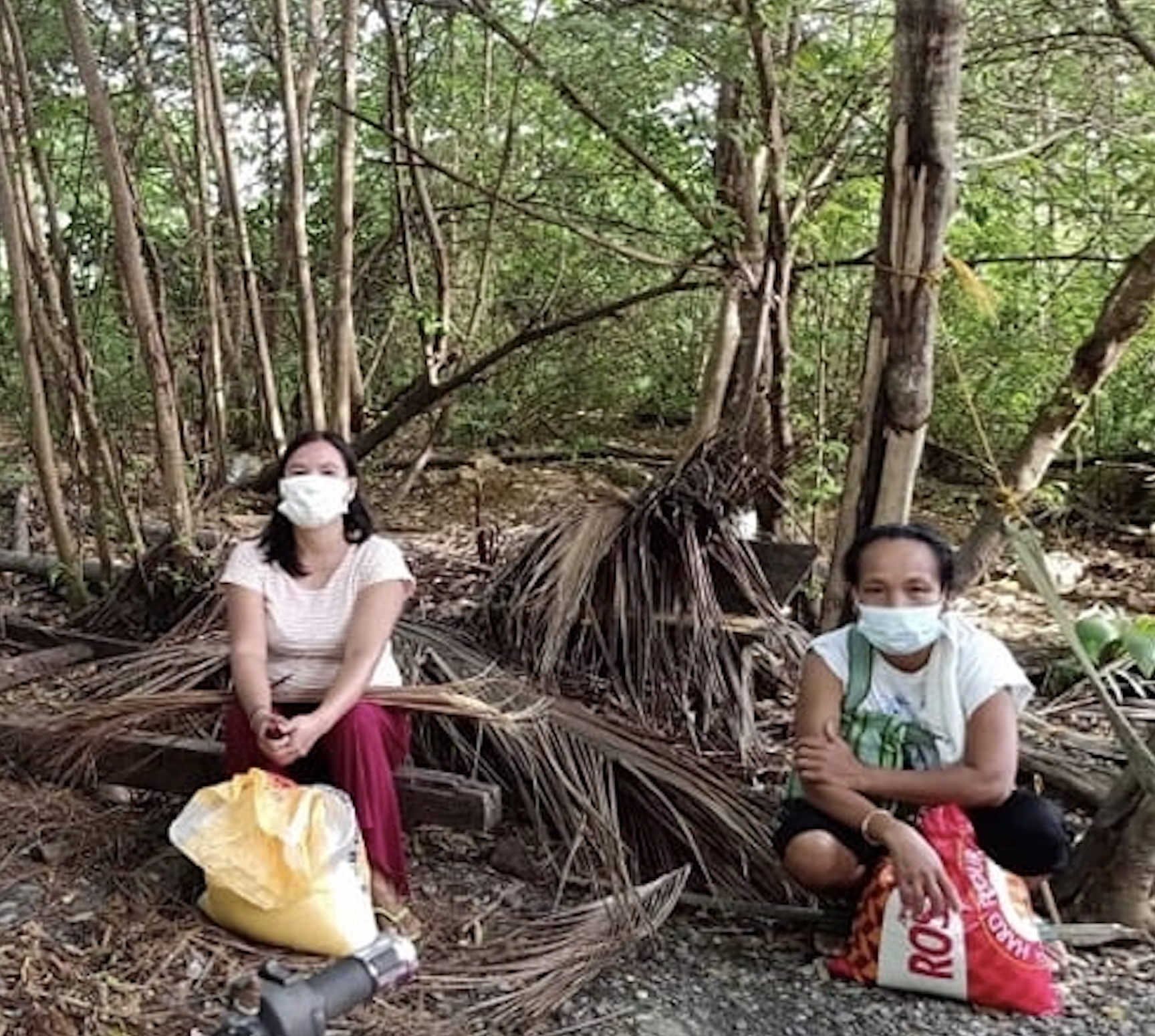
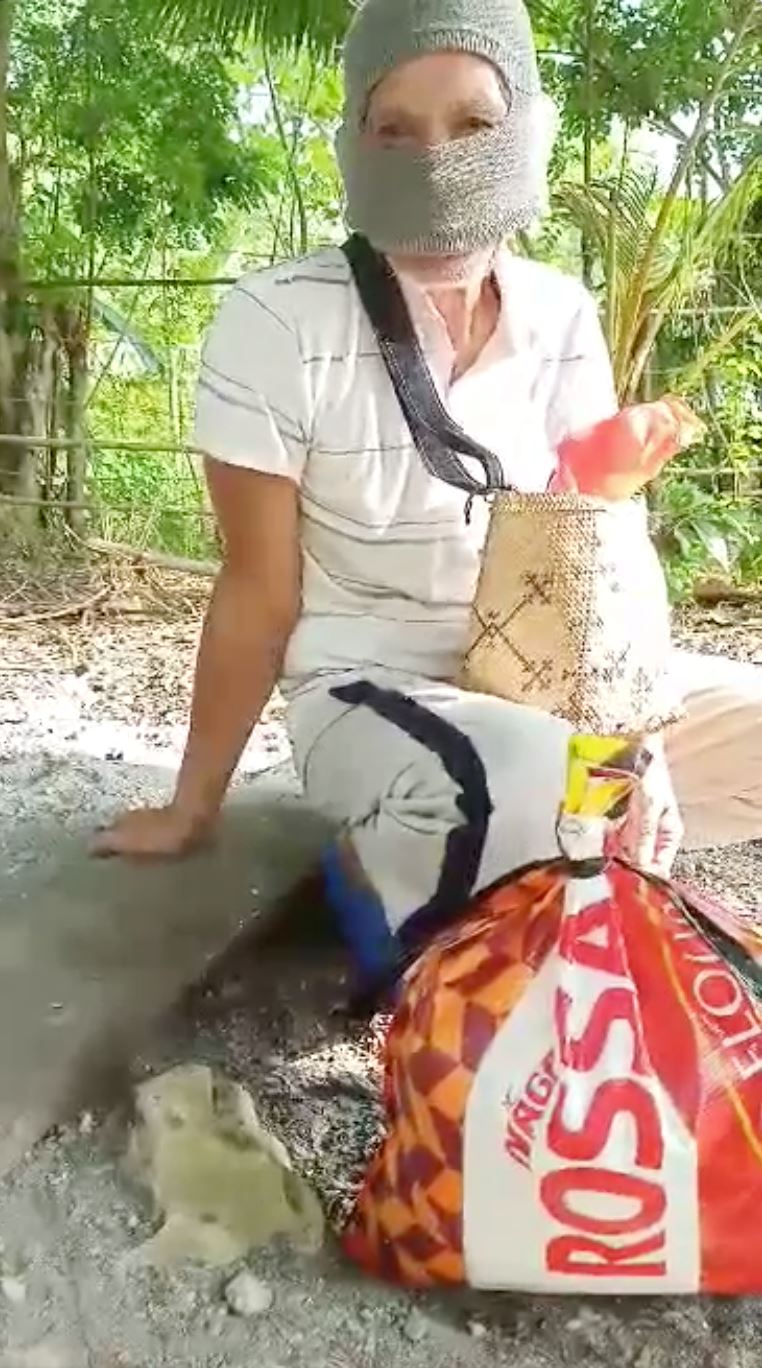
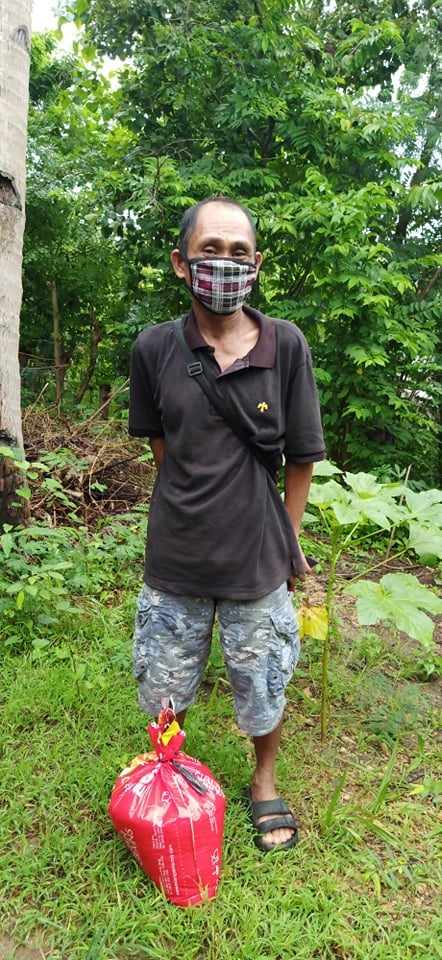
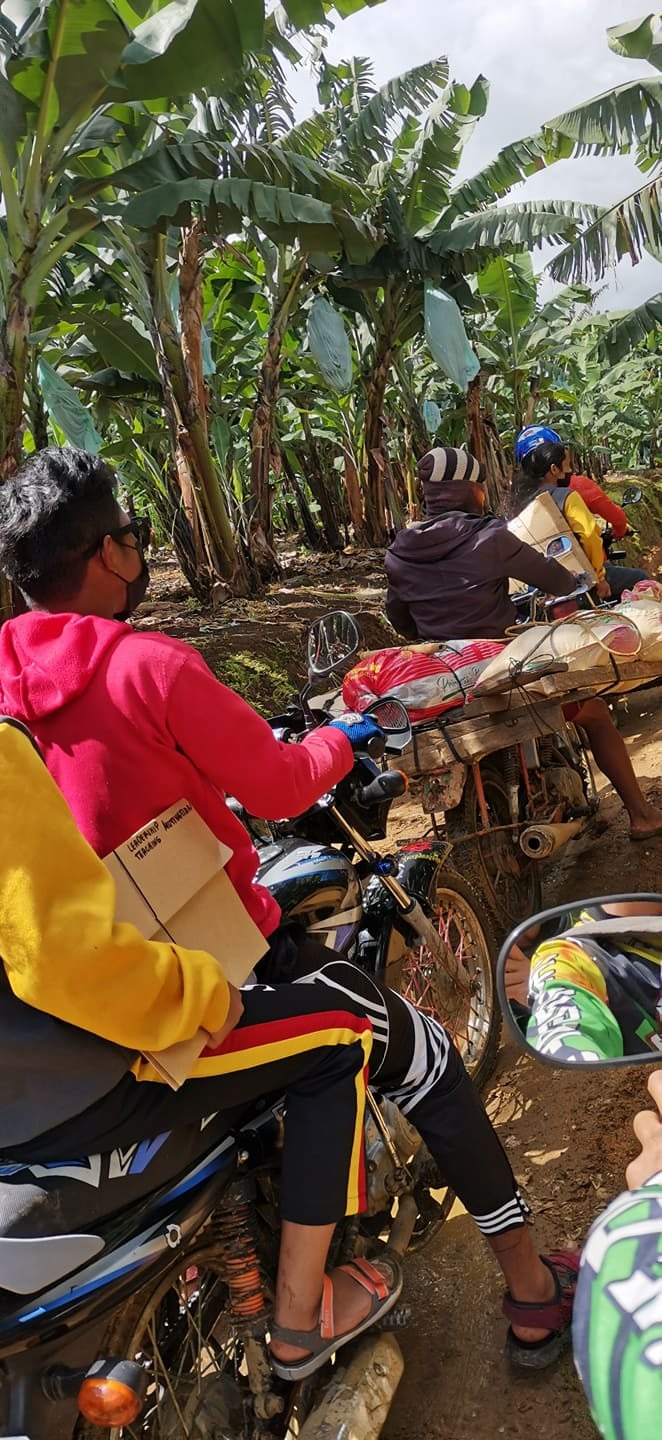
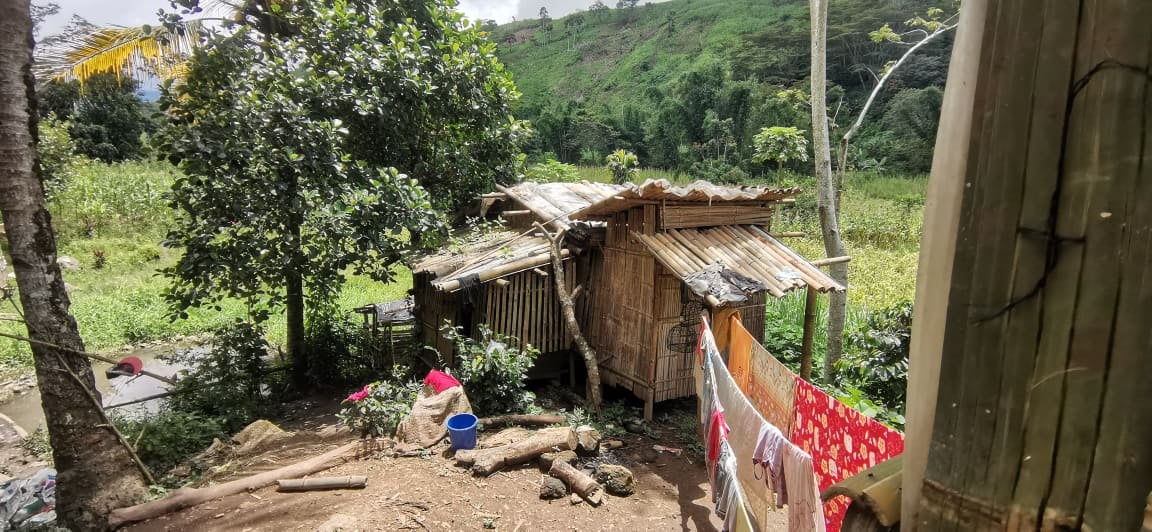
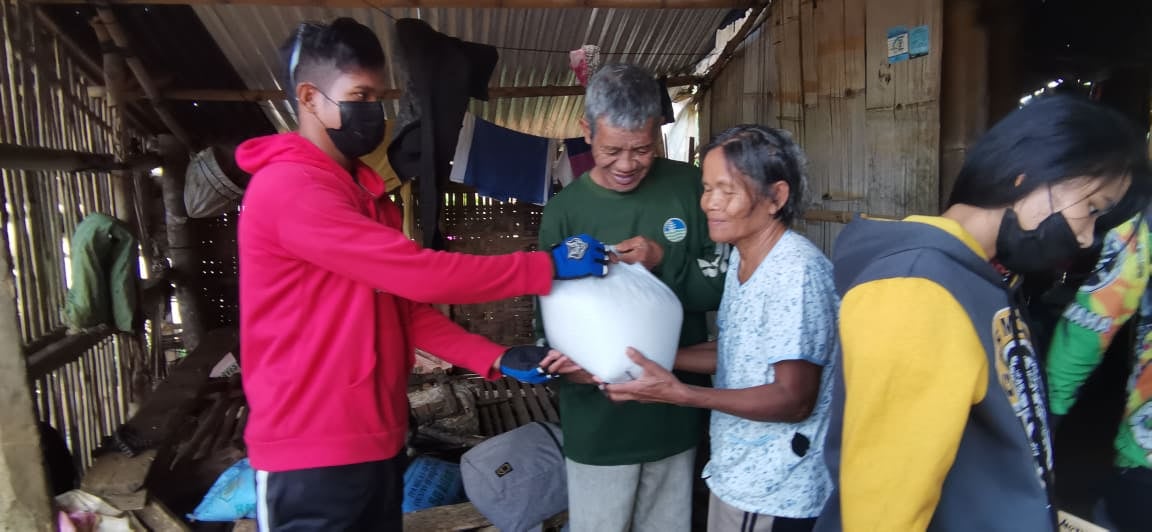
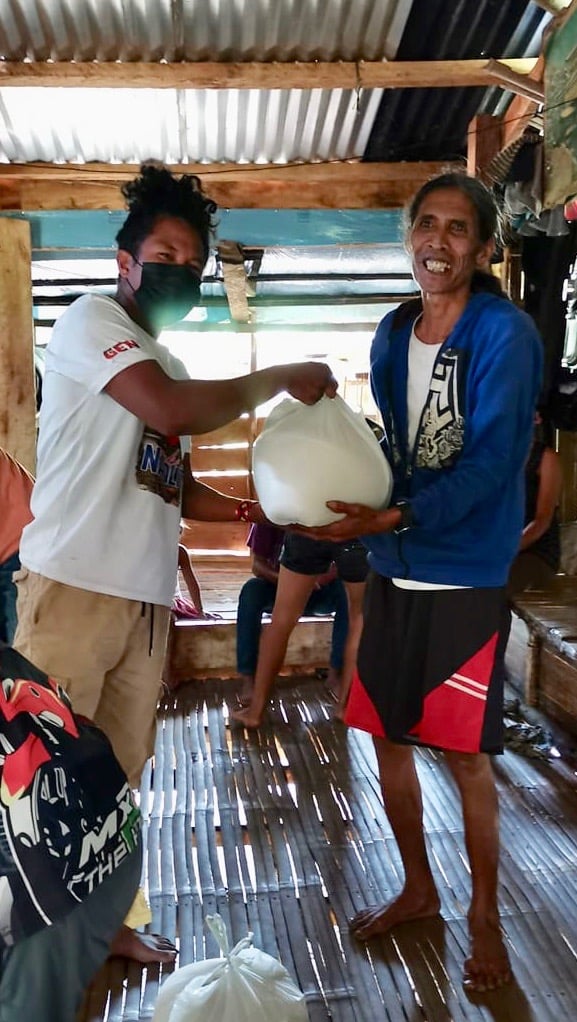
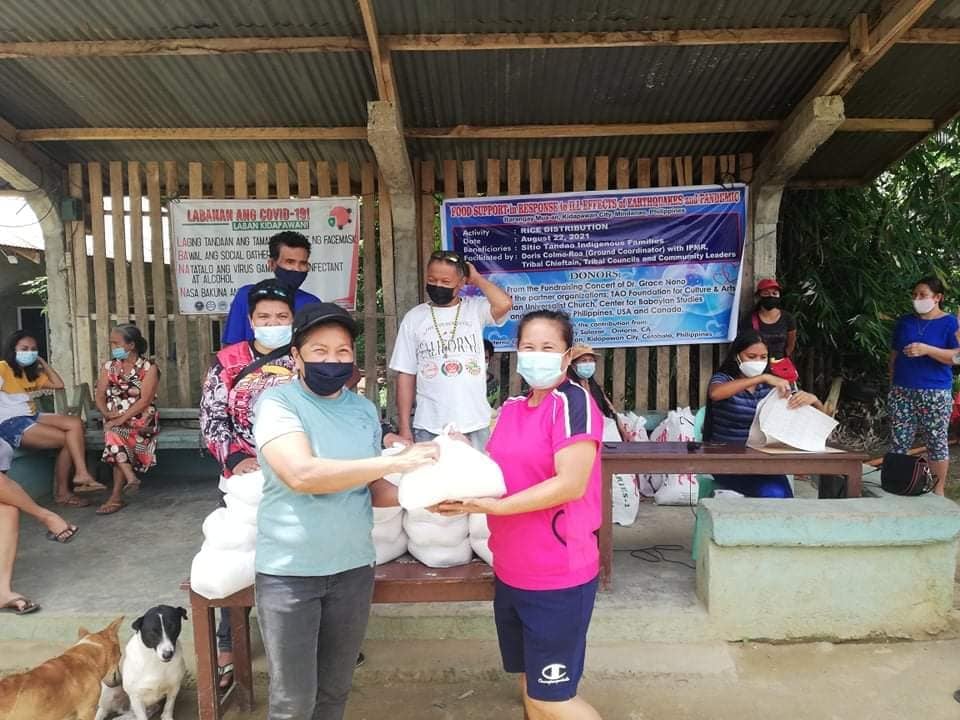
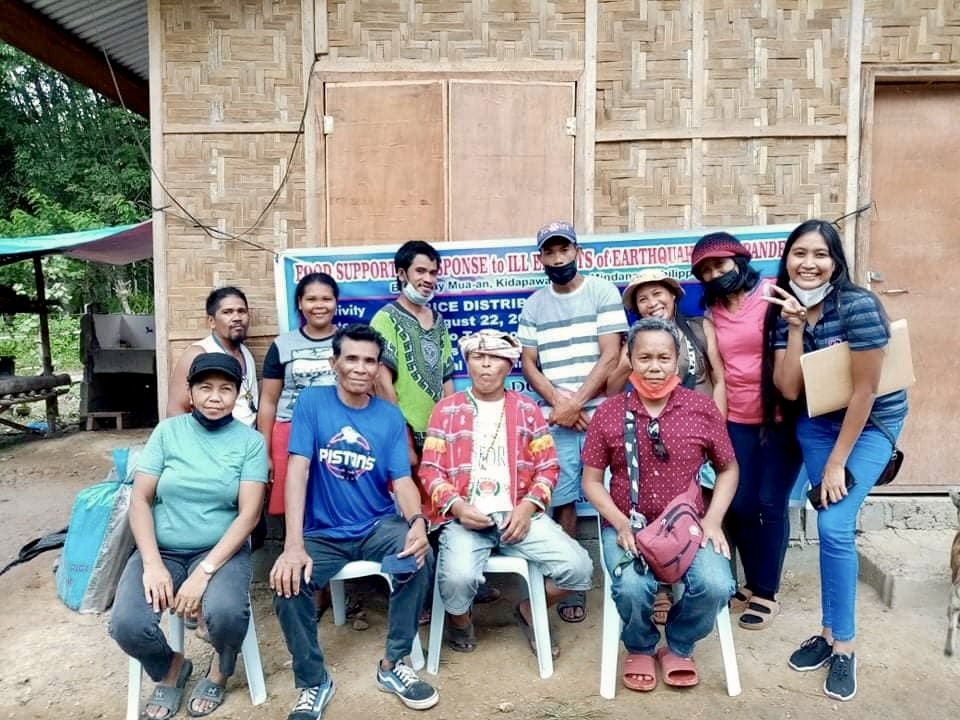
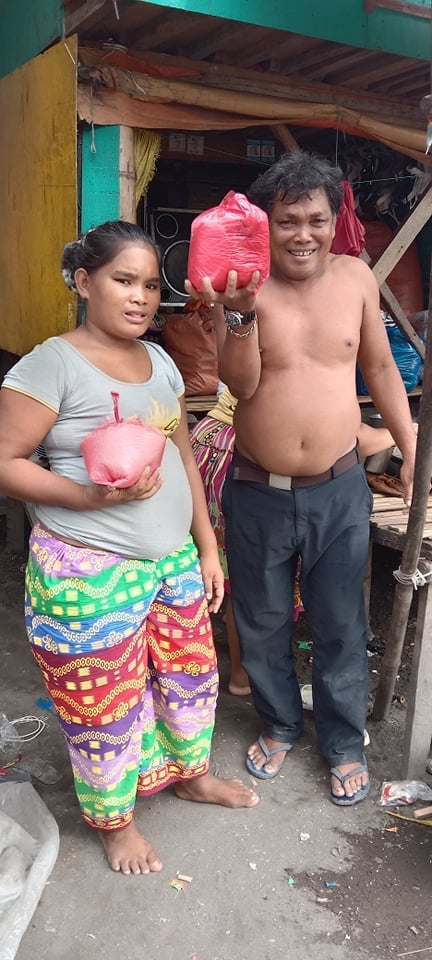
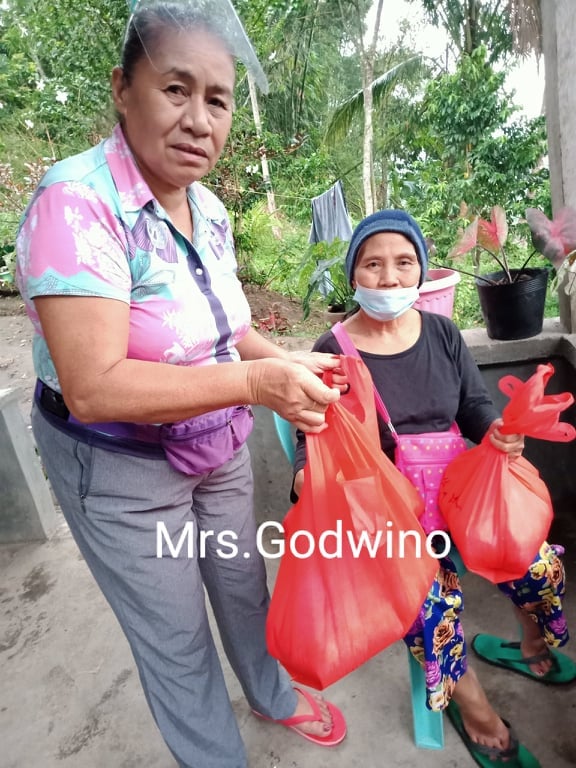
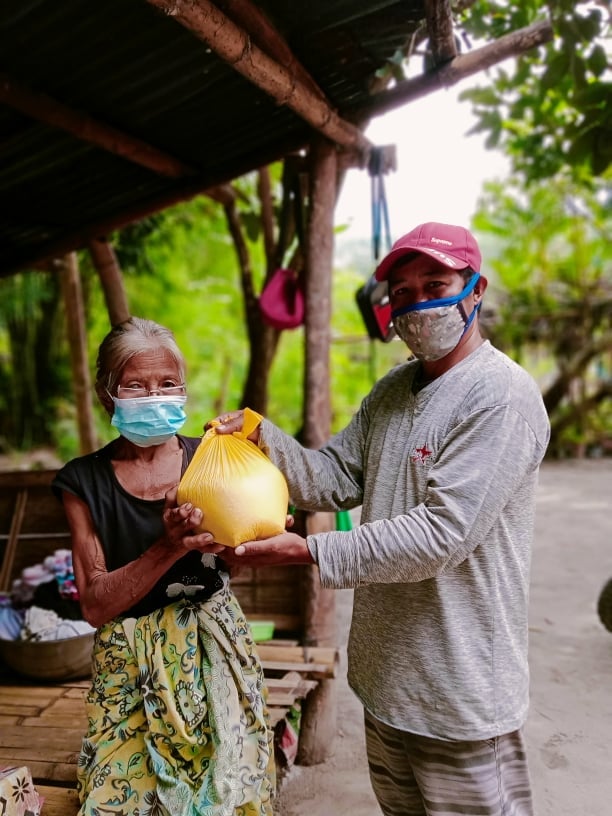
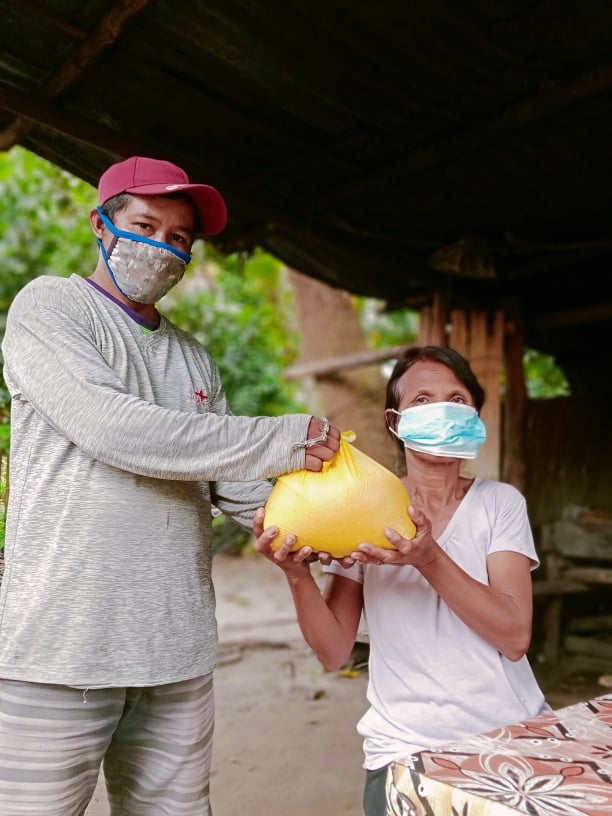
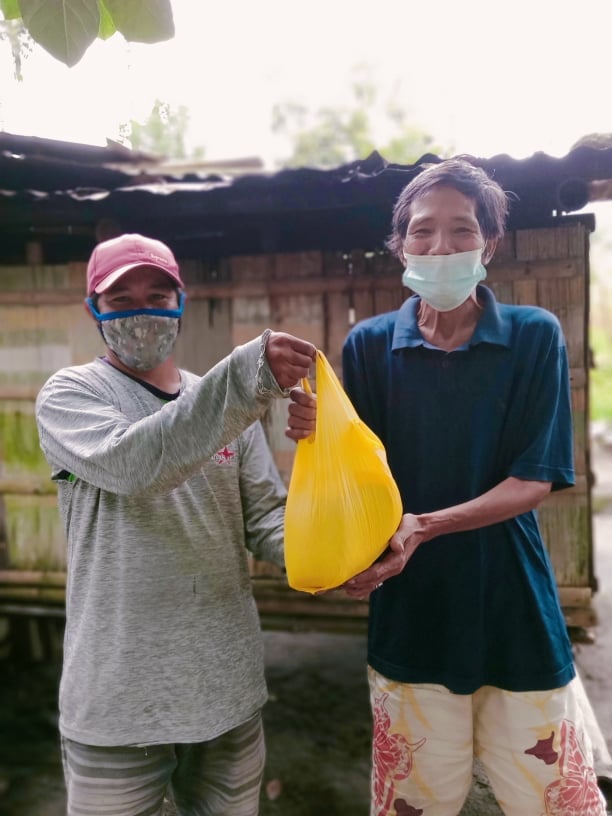
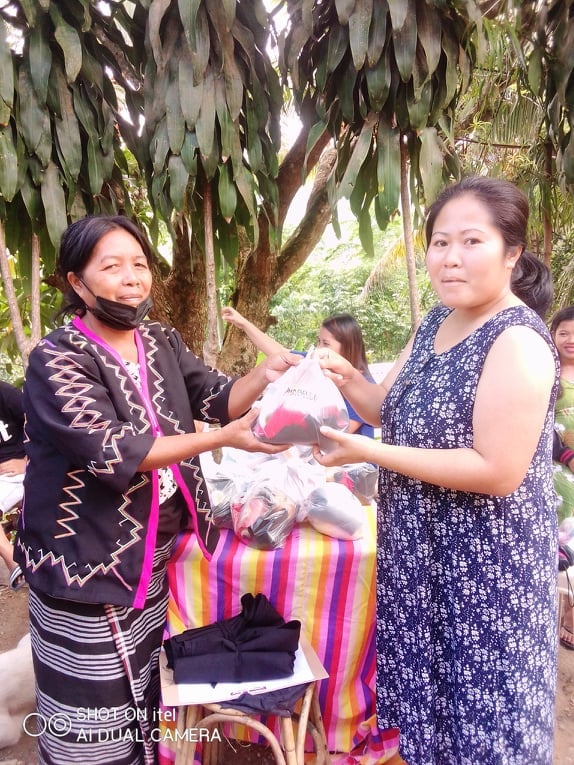
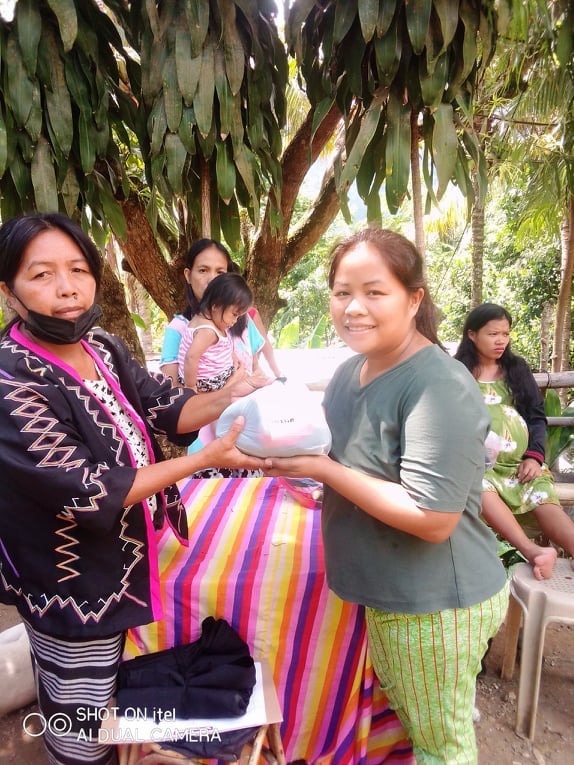
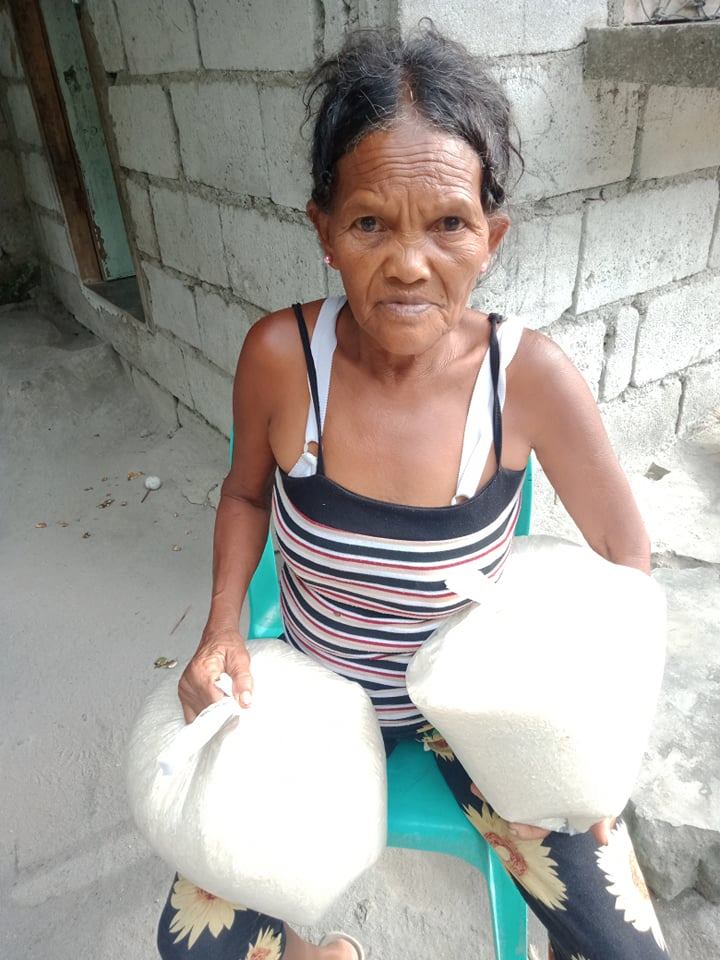
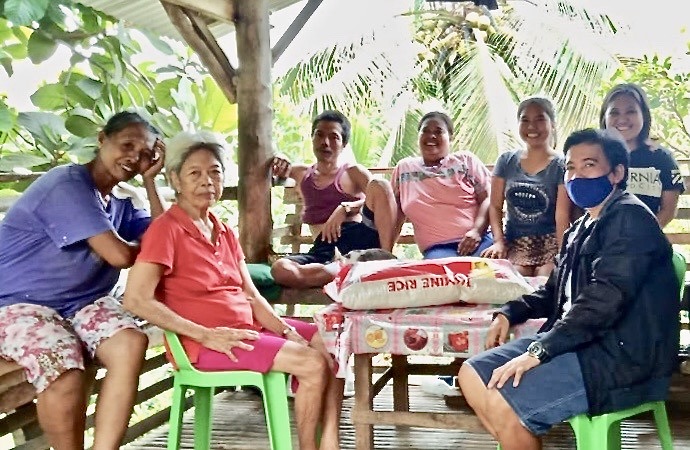
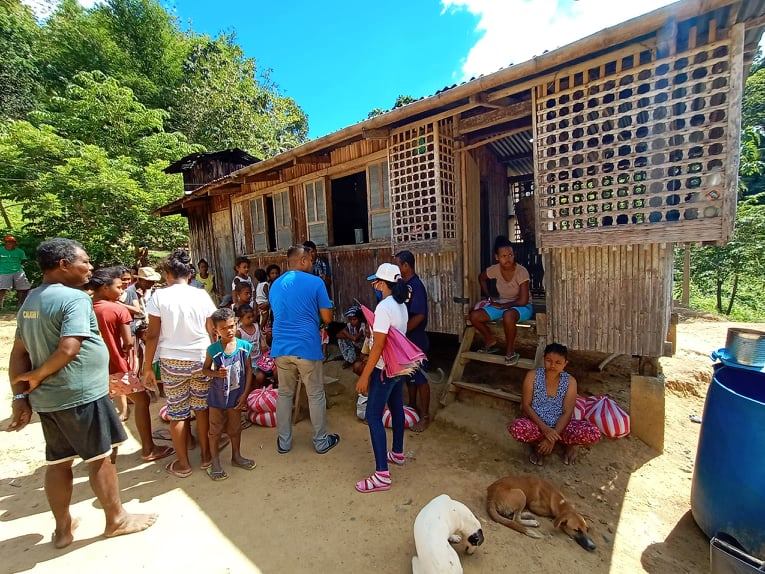
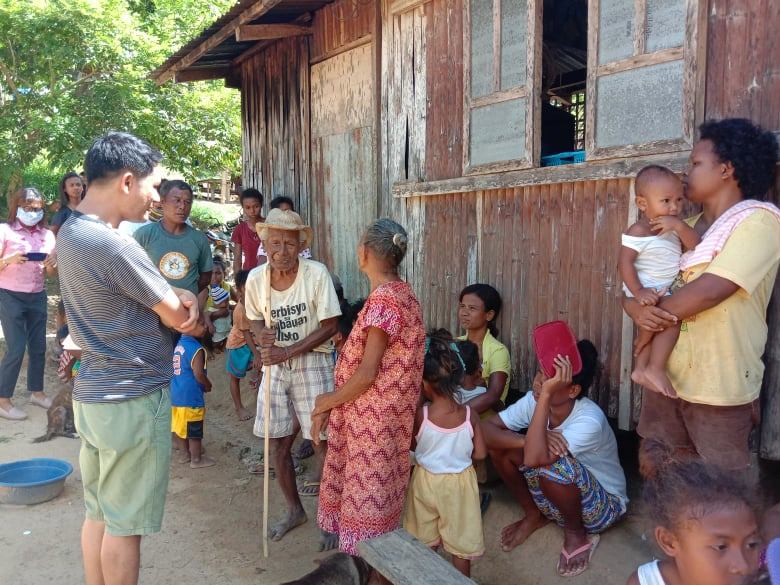
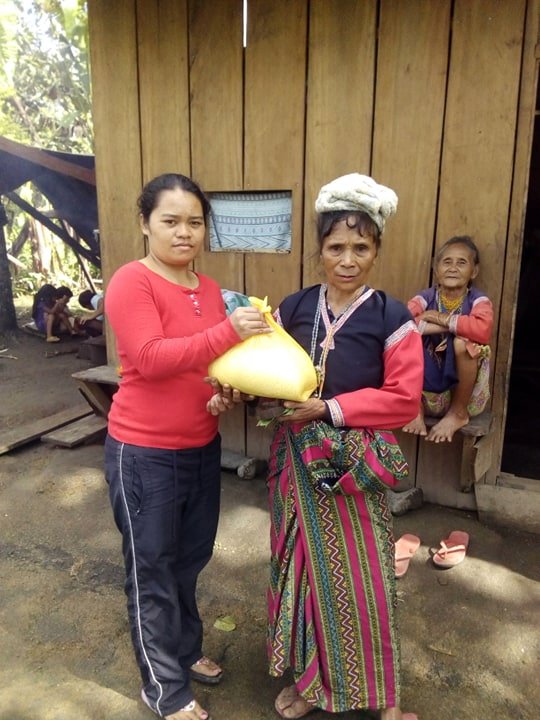
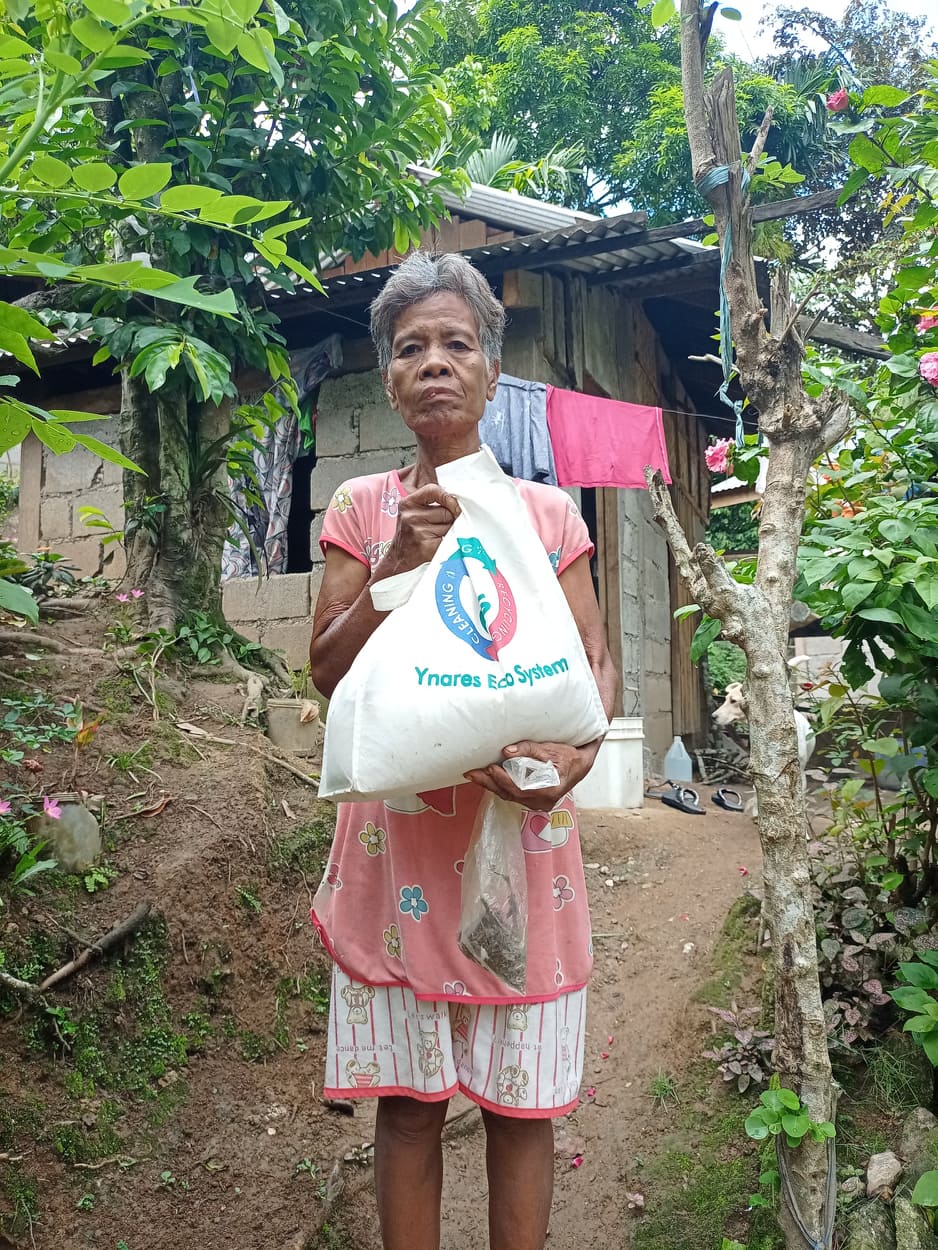
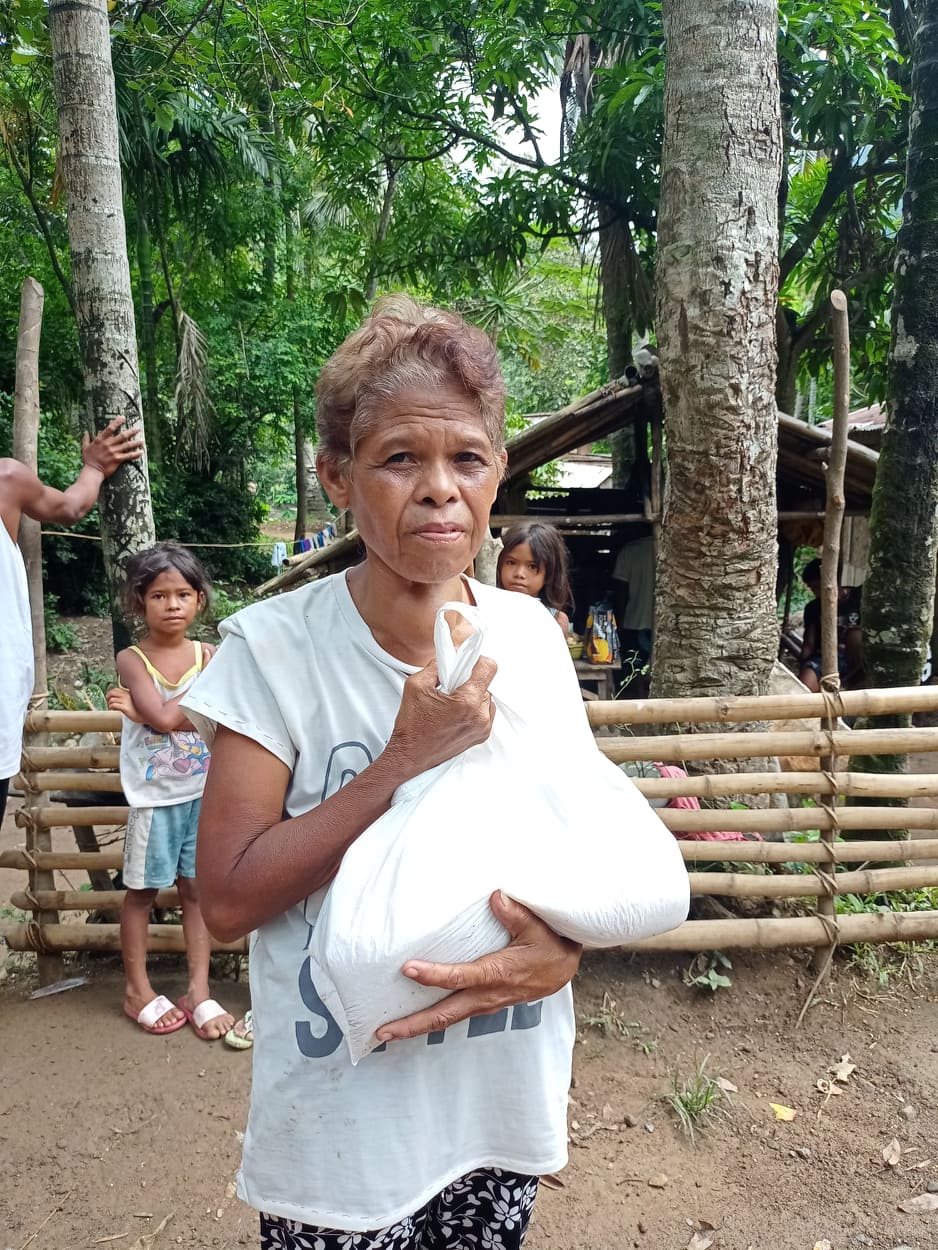
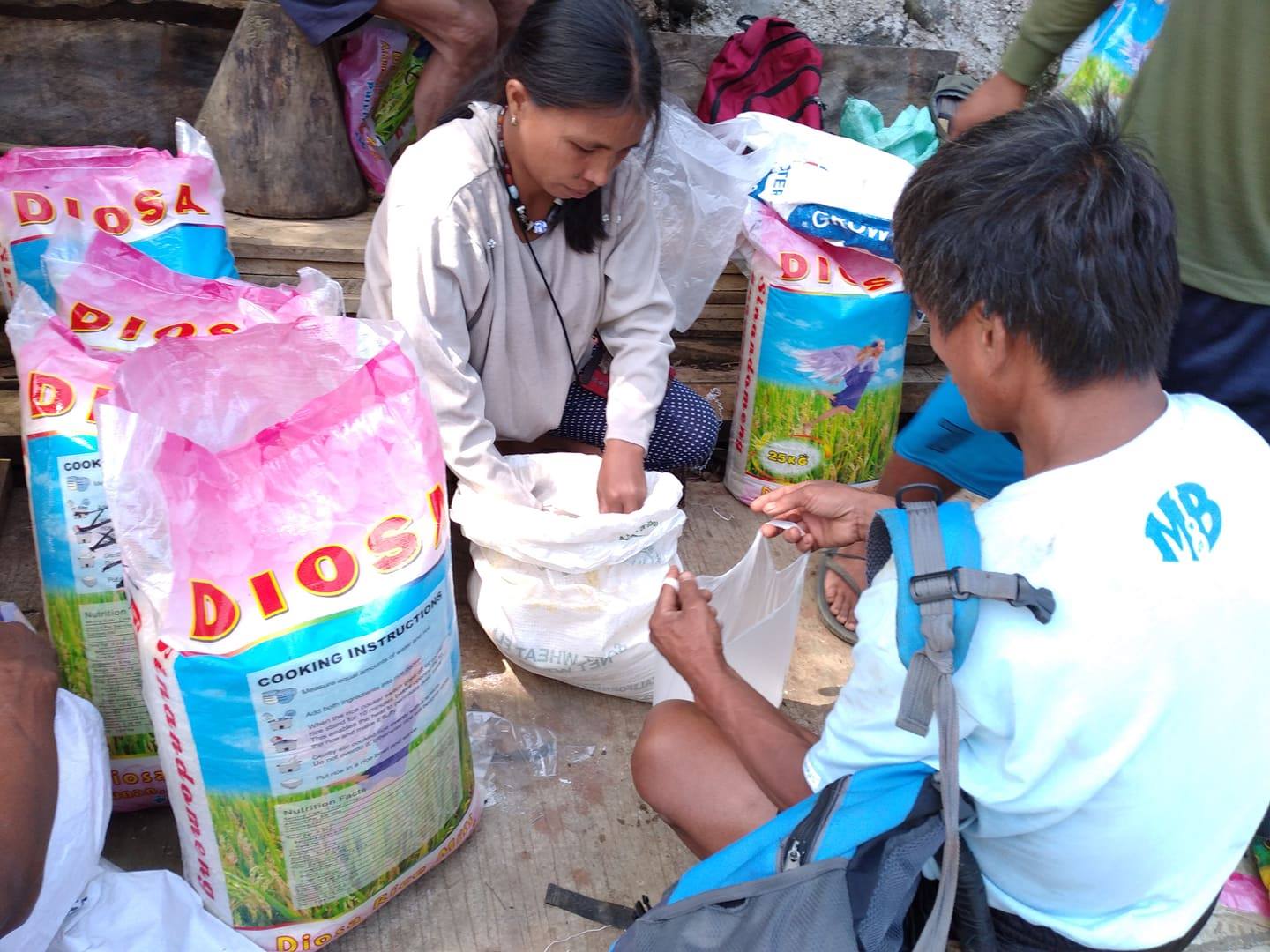
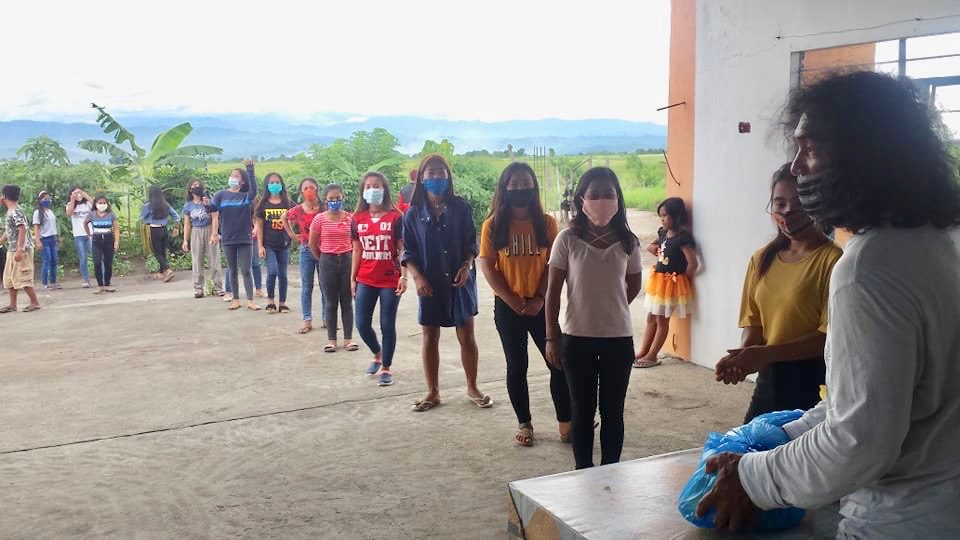
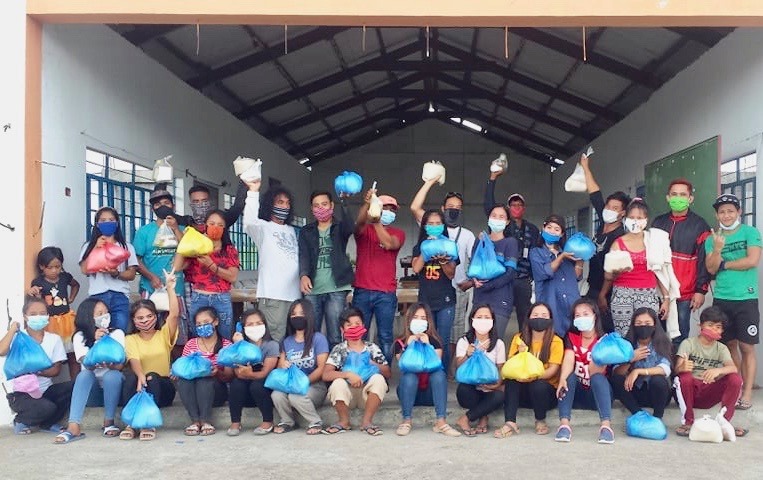
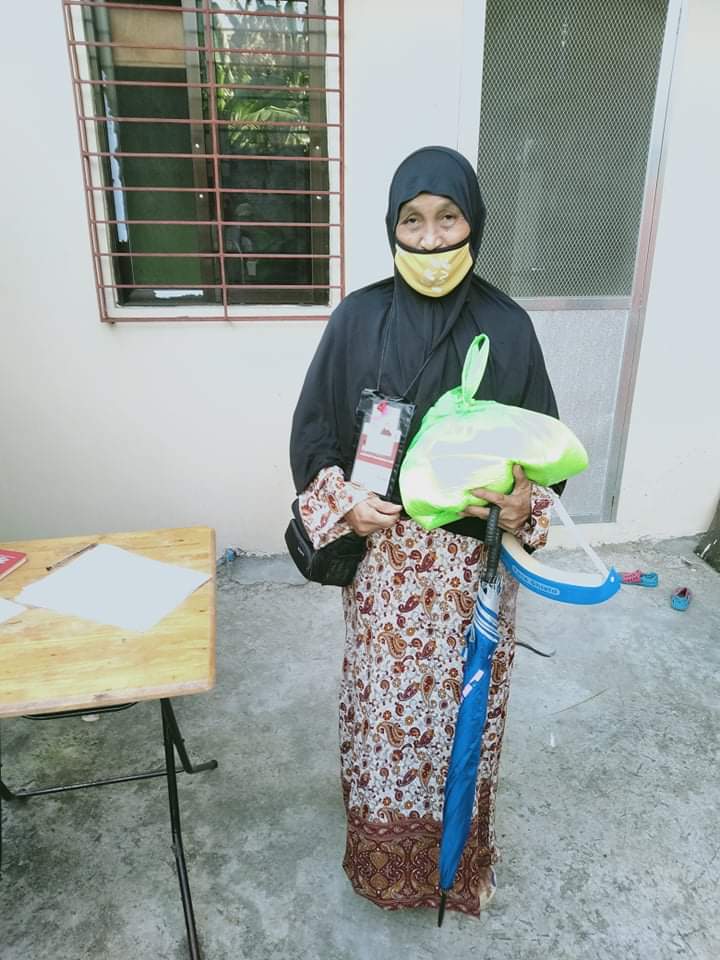
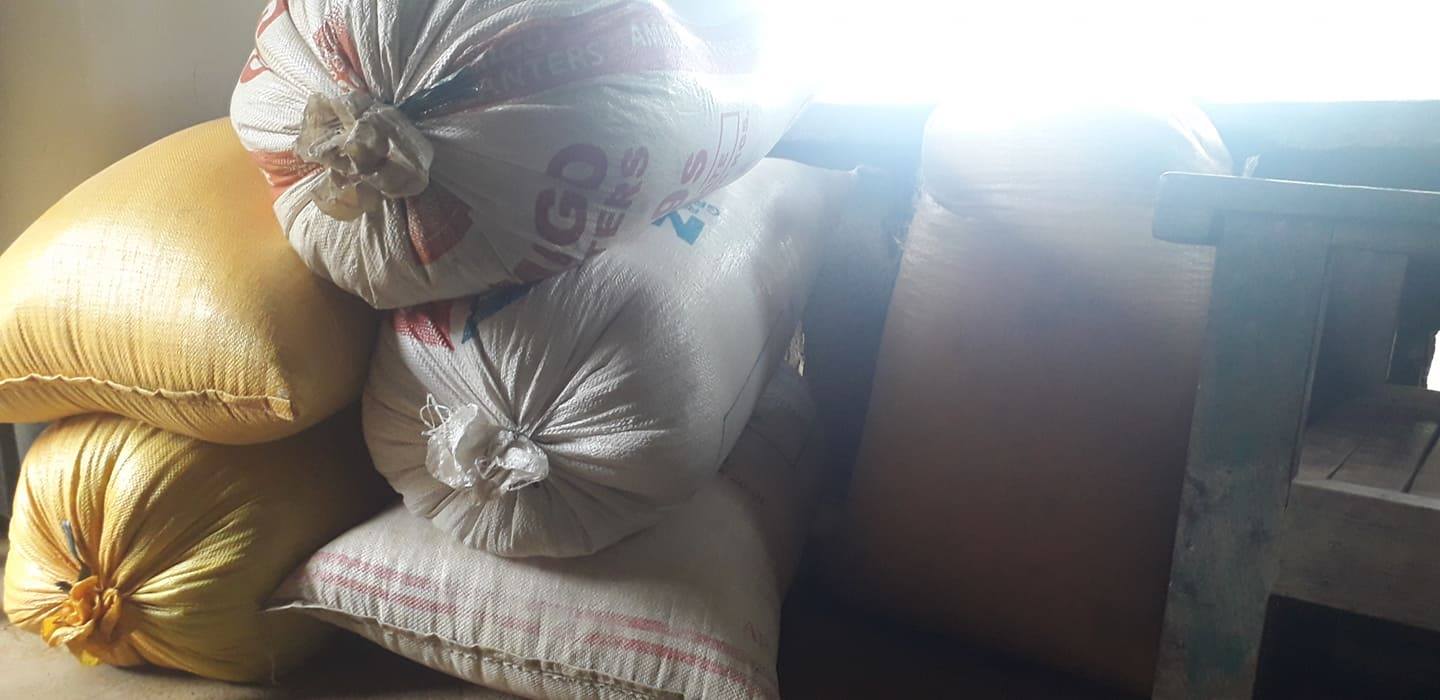
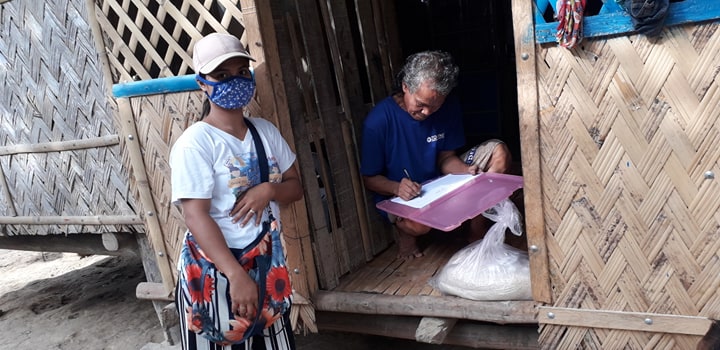
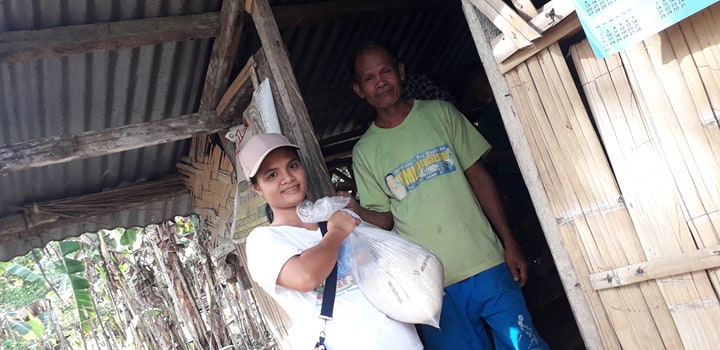
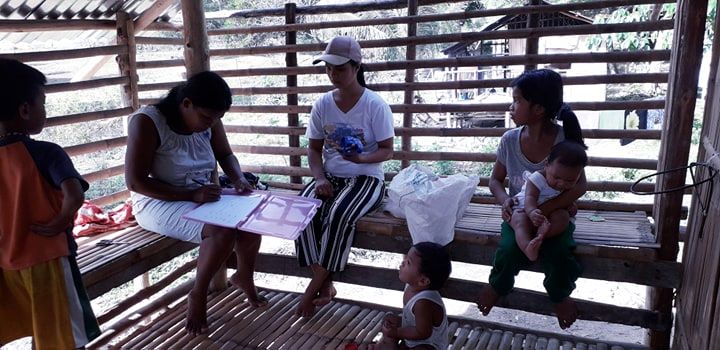
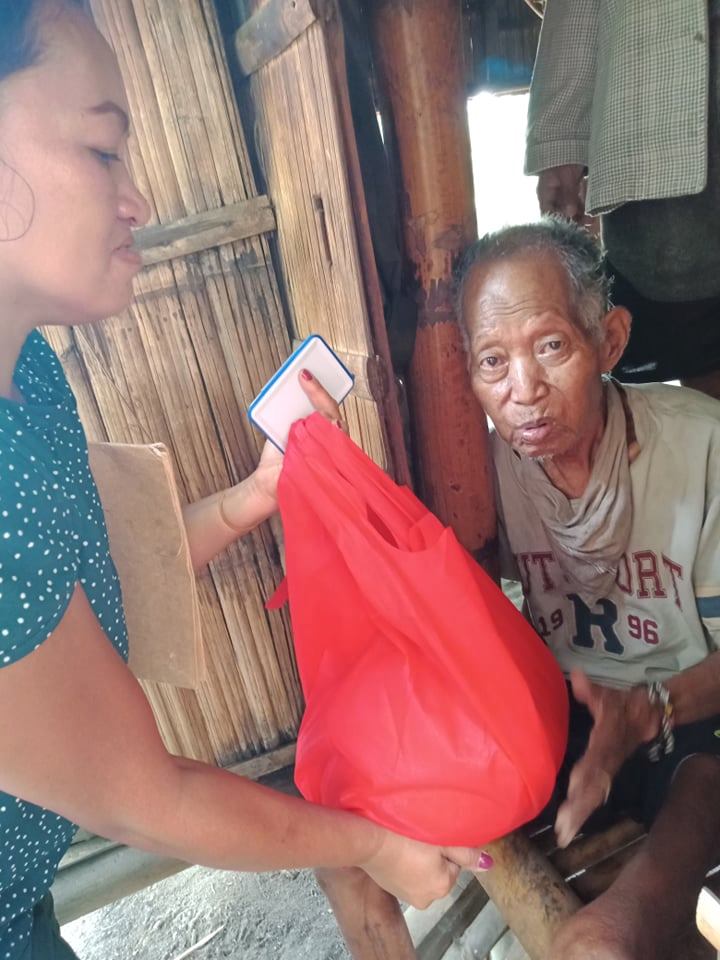
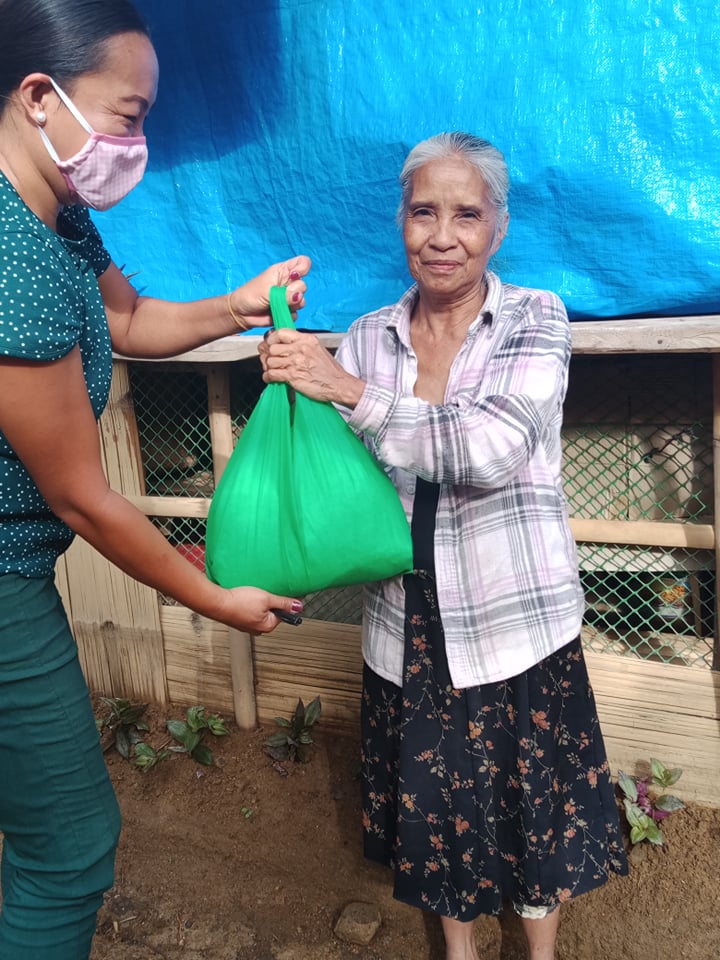
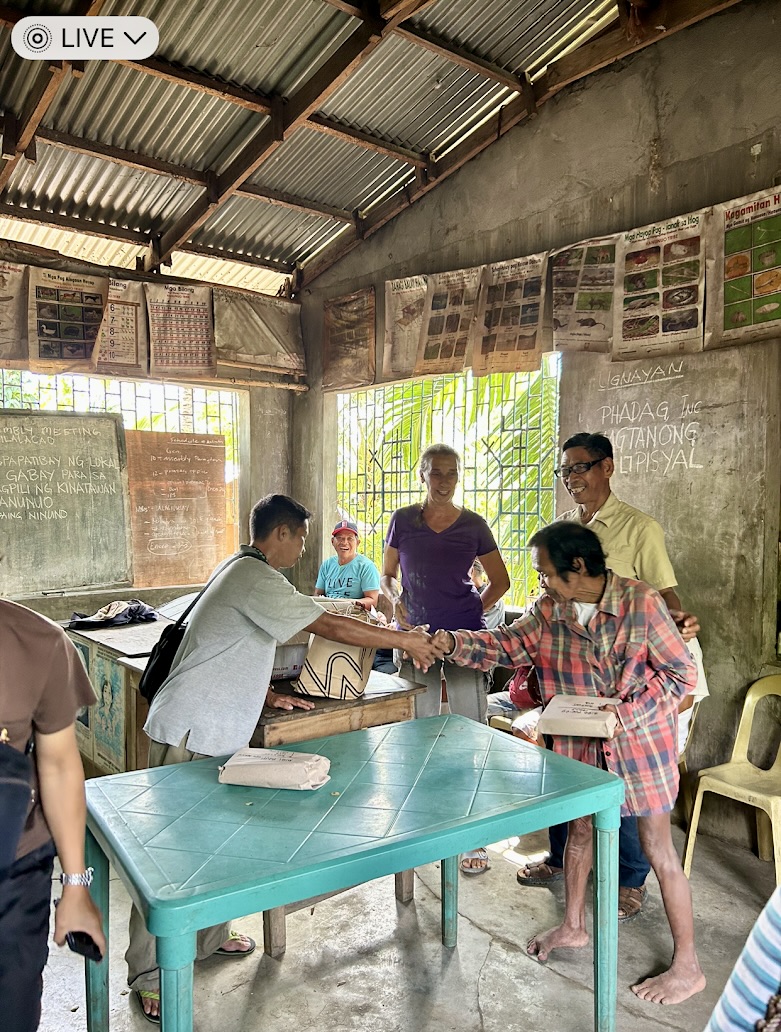
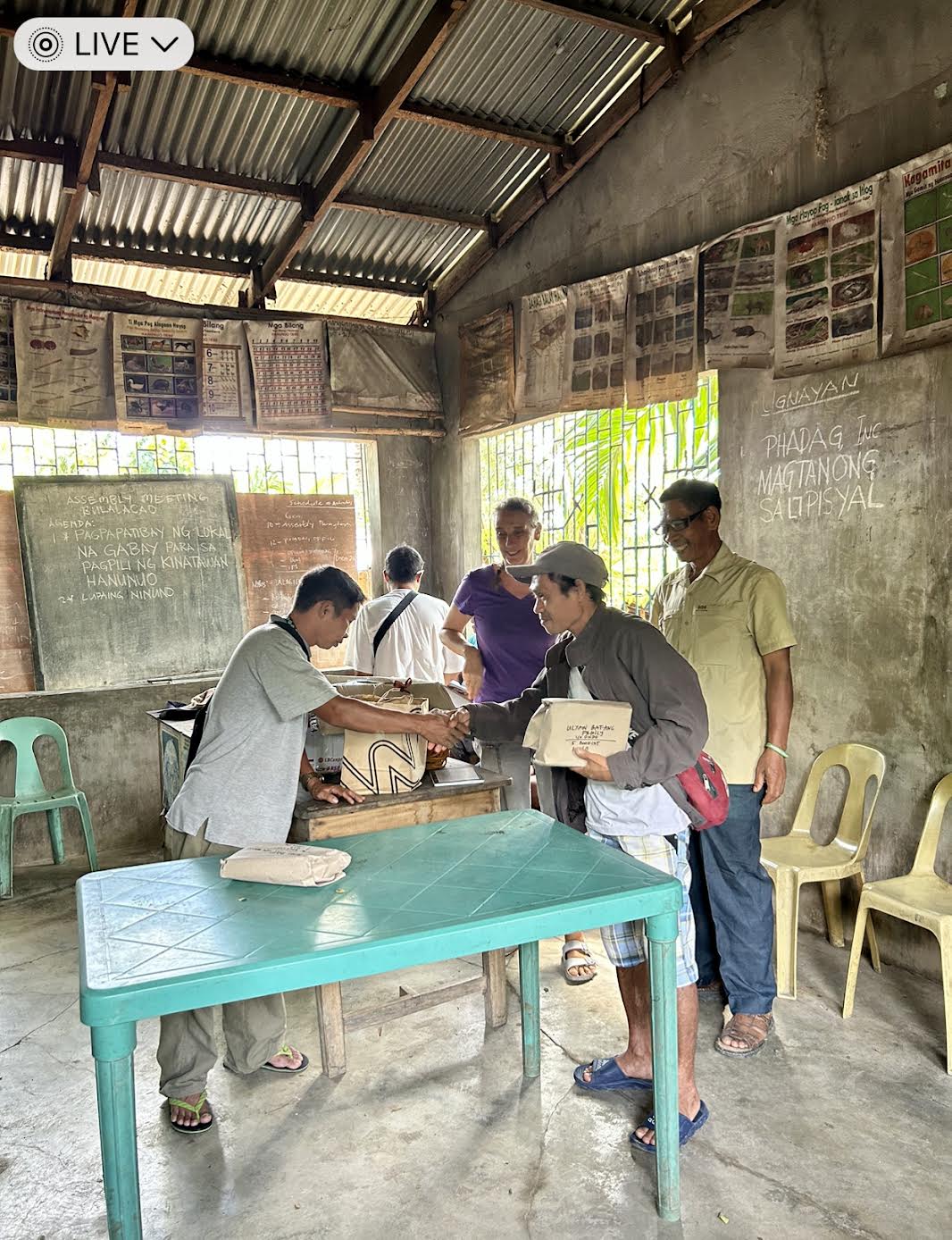
During the Covid 19 years, the Tao Foundation organized online concerts featuring its President in partnership with Bayanihan-Musikahan, the Center for Organizing, Renewal, and Leadership or CORAL, the Center for Babaylan Studies, and others. These were done to raise funds for a number of Philippine Indigenous communities affected by the lockdowns and their resultant economic crisis. Thanks to friends from around the world, the Tao Foundation raised sizable amounts used to purchase sacks of rice, fish, and other food items distributed to the elderly, the sick, folks with disabilities, widows and widowers, solo parents, those with neither employment nor land to till, and others in dire need. In addition to the food aid, cloth, threads, and beads were sent to a number of women artisans groups, and arts workshops and scholarships given to a number of children in remote areas. The Tao Foundation collaborated with various indigenous groups and community leaders in the different regions like the BAPE-PAMULAAN Batch 2012 in Bukidnon, Mingor Chi Kultura (Warriors of Culture) in Kalinga, Rev. Juselle Dela Cruz in Pampanga, Guro Aga Mayo Butocan in Metro Manila, Dr. Jesus Insilada in Iloilo, the Art Relief Mobile Kitchen in Davao, Sakahang Lilok in Rizal, many of whom gave generous counterpart support.
Alay 2021 Photos

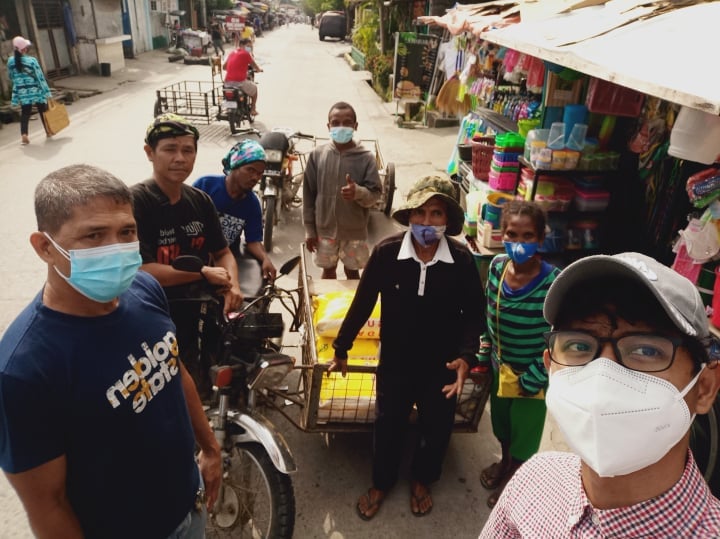







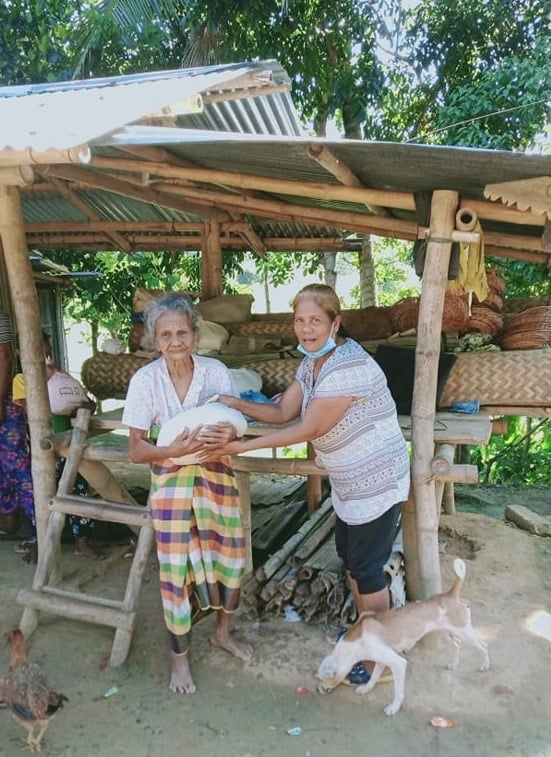
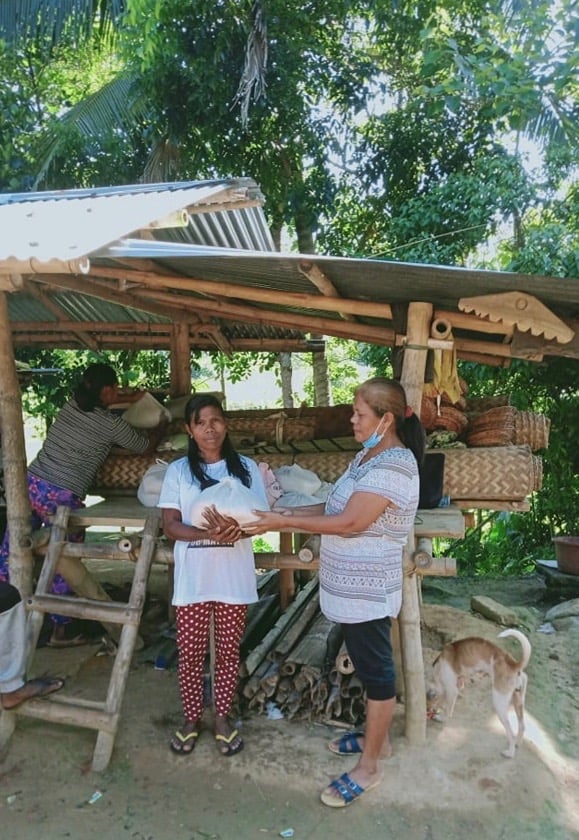

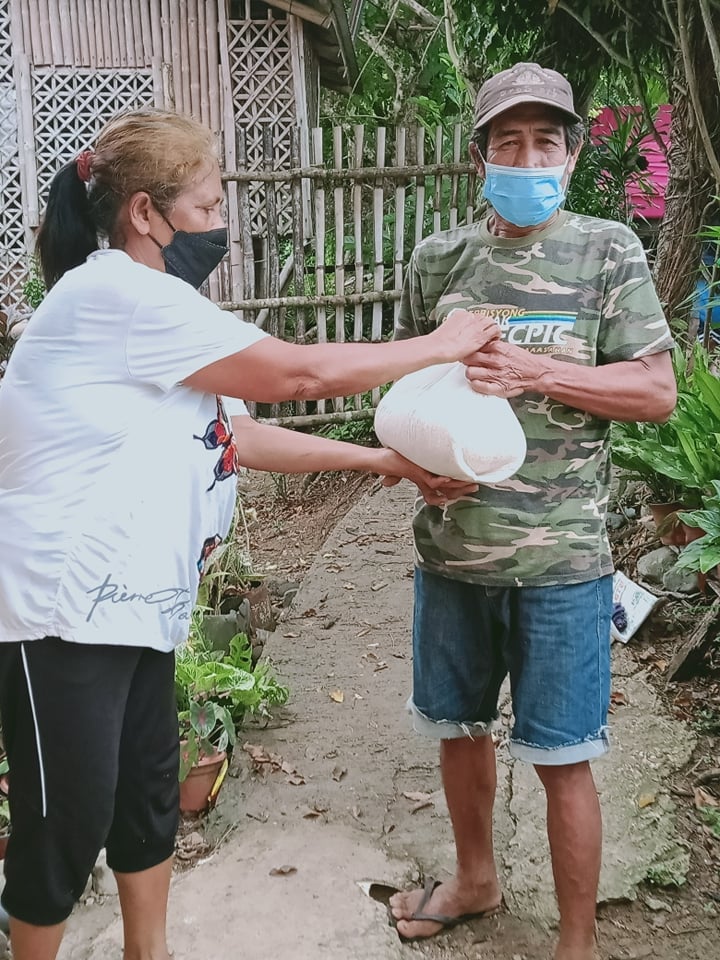
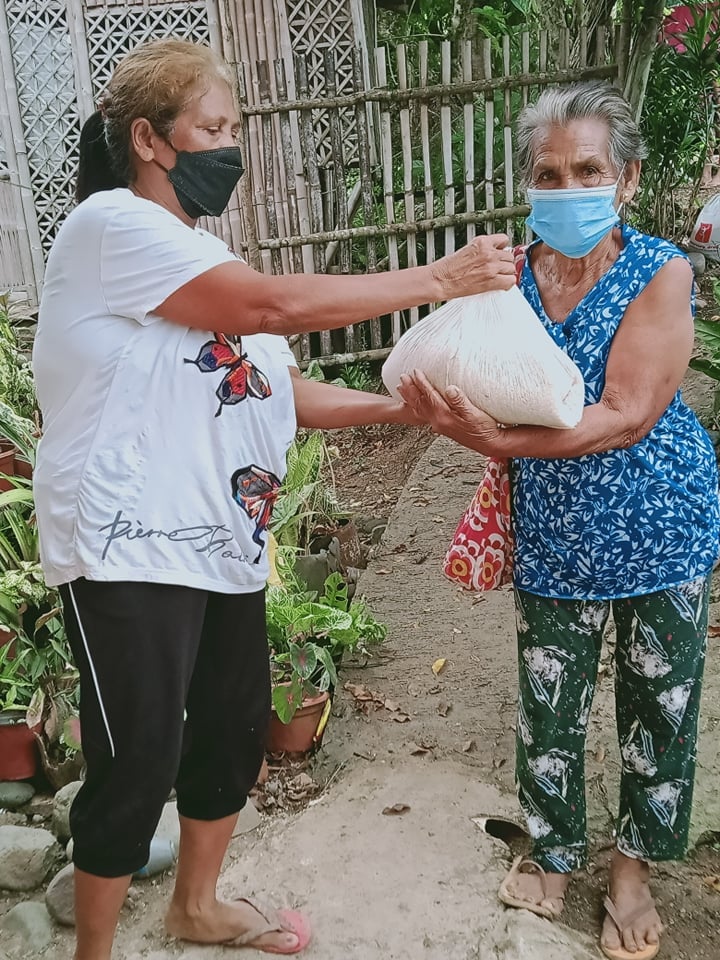

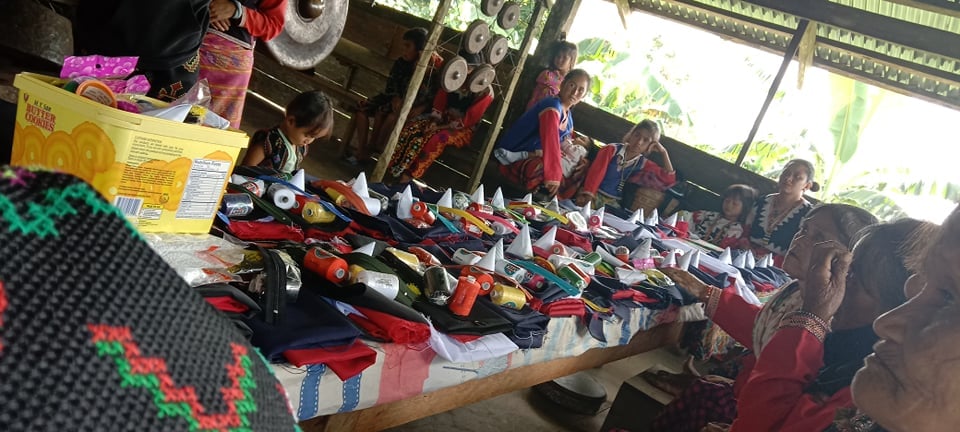

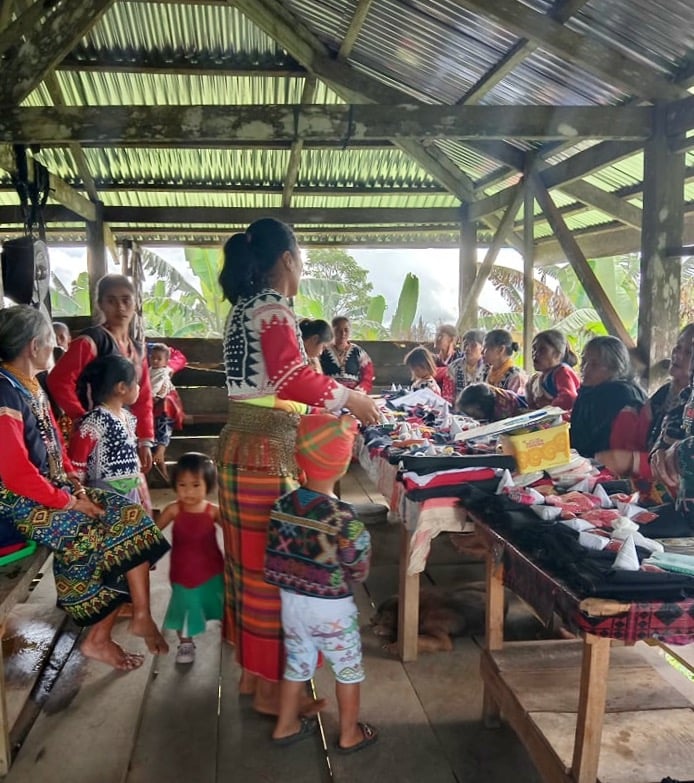
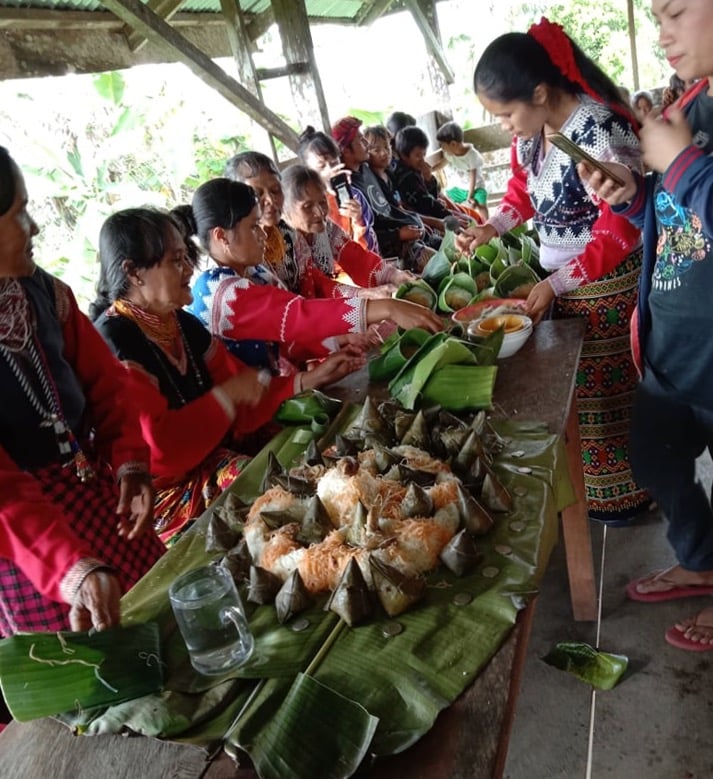


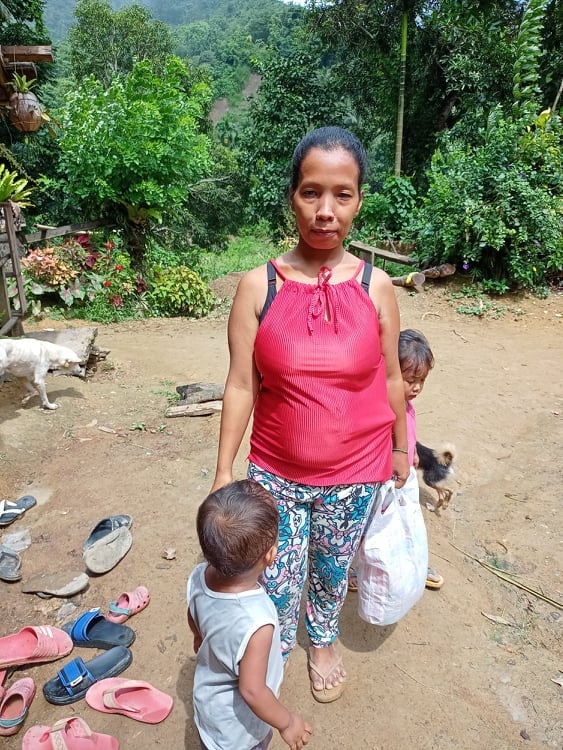

























Bayanihan-Musikahan 2020 Photos







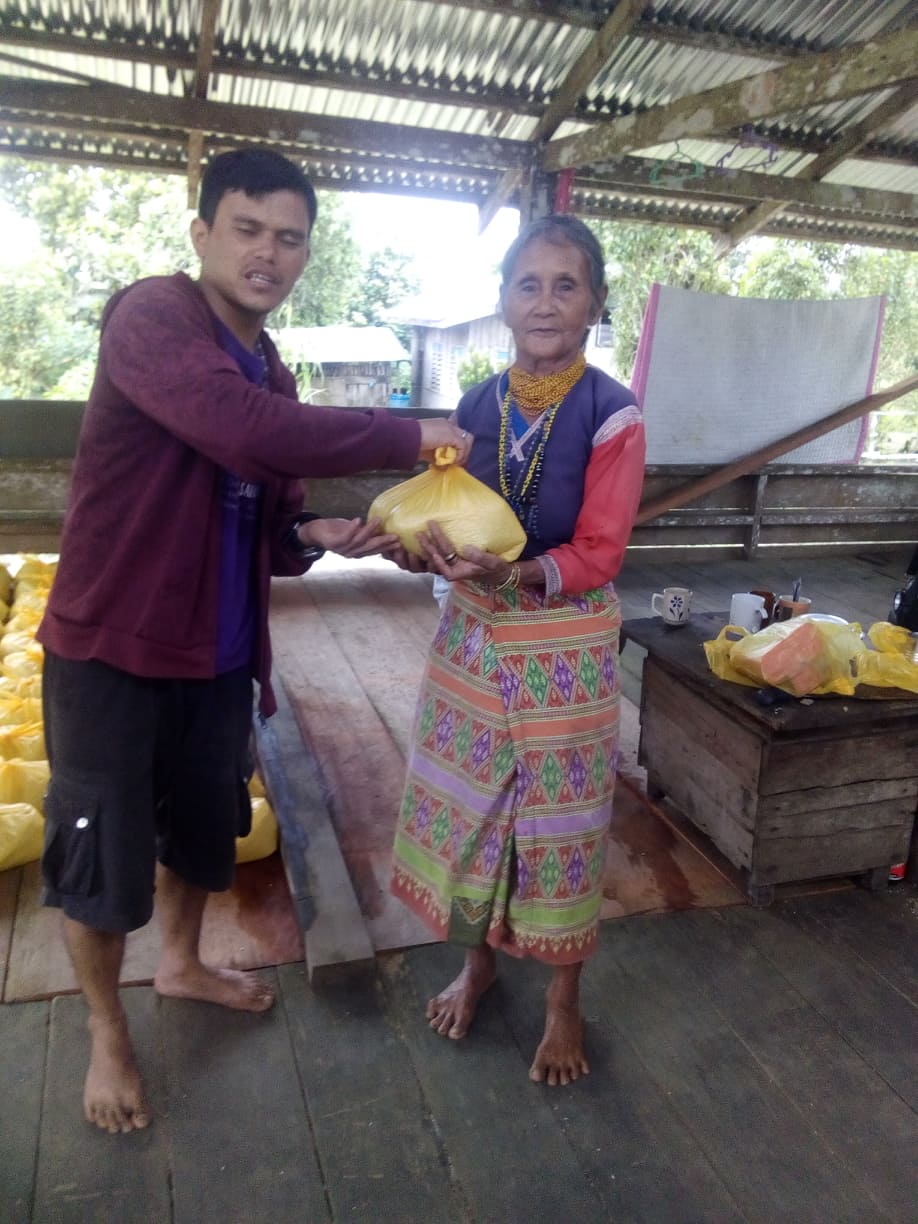


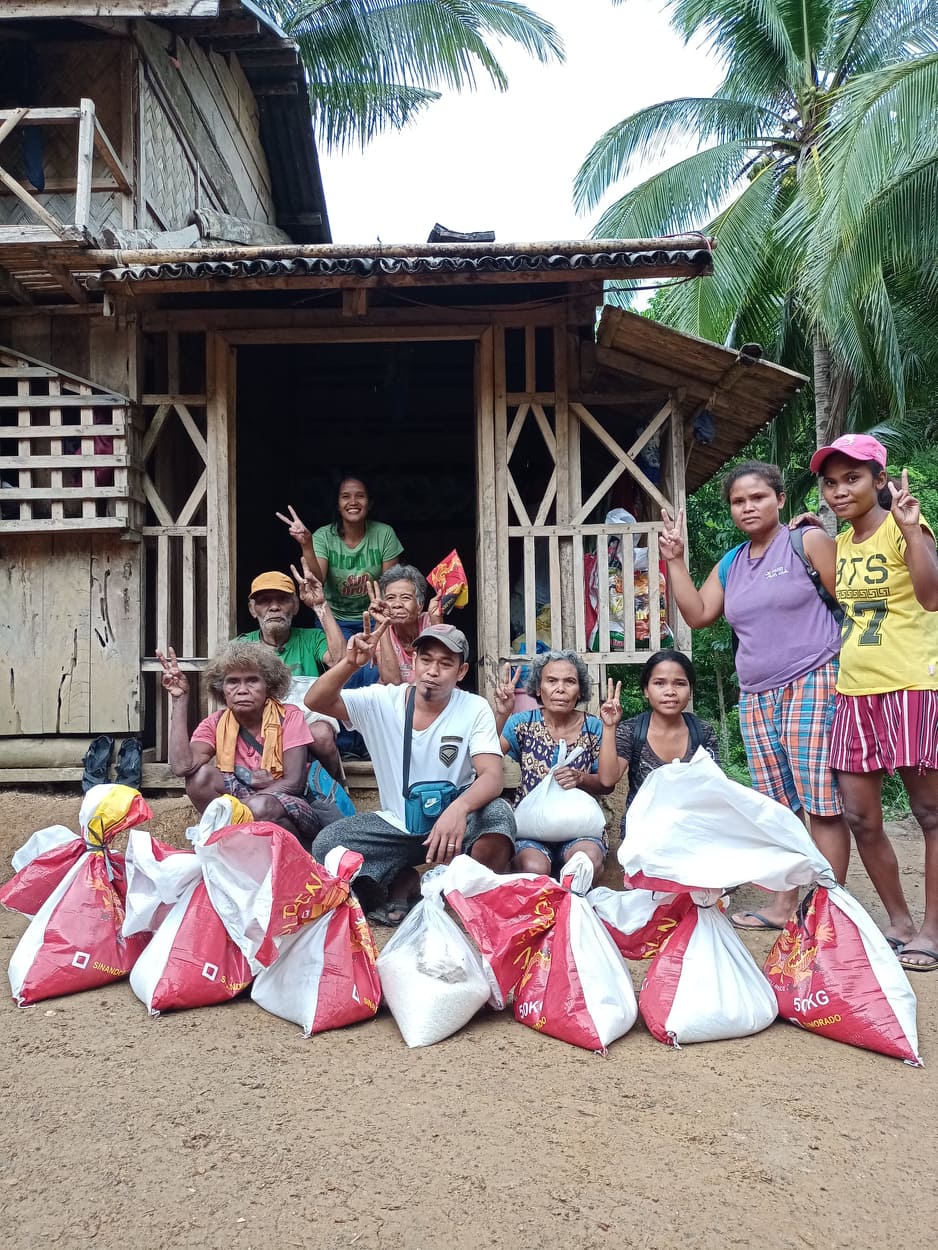
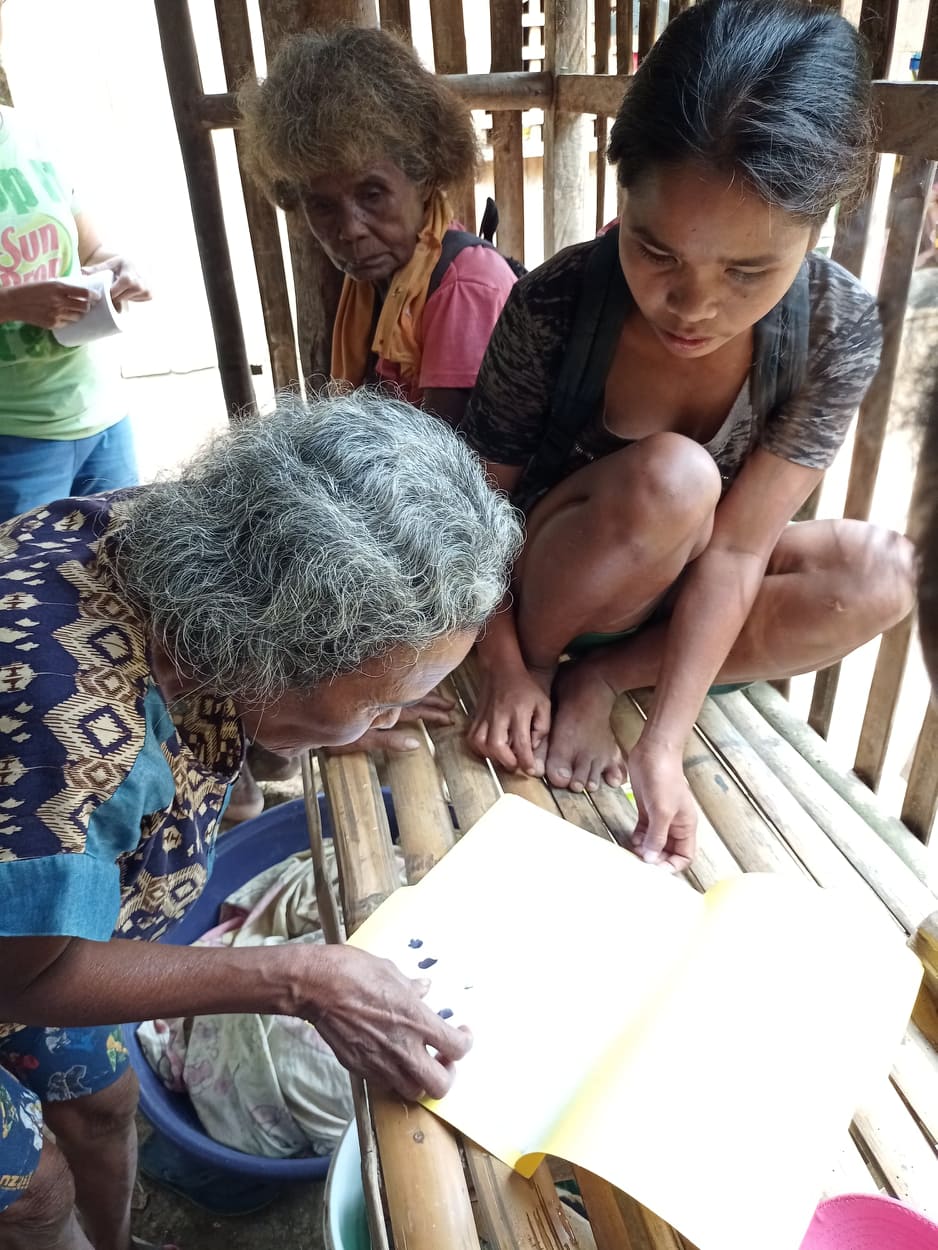
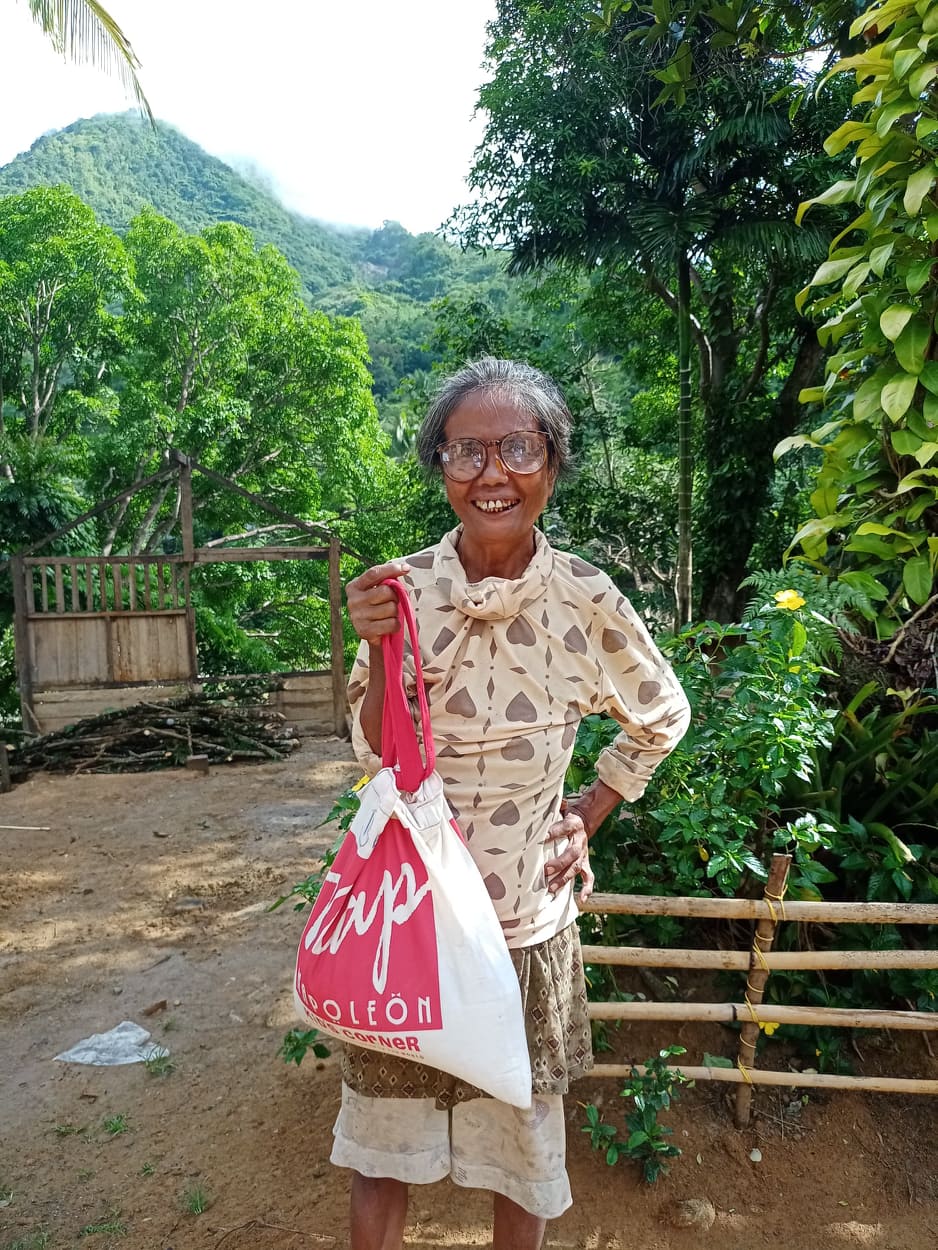











Philippine Traditional Music Audio Series
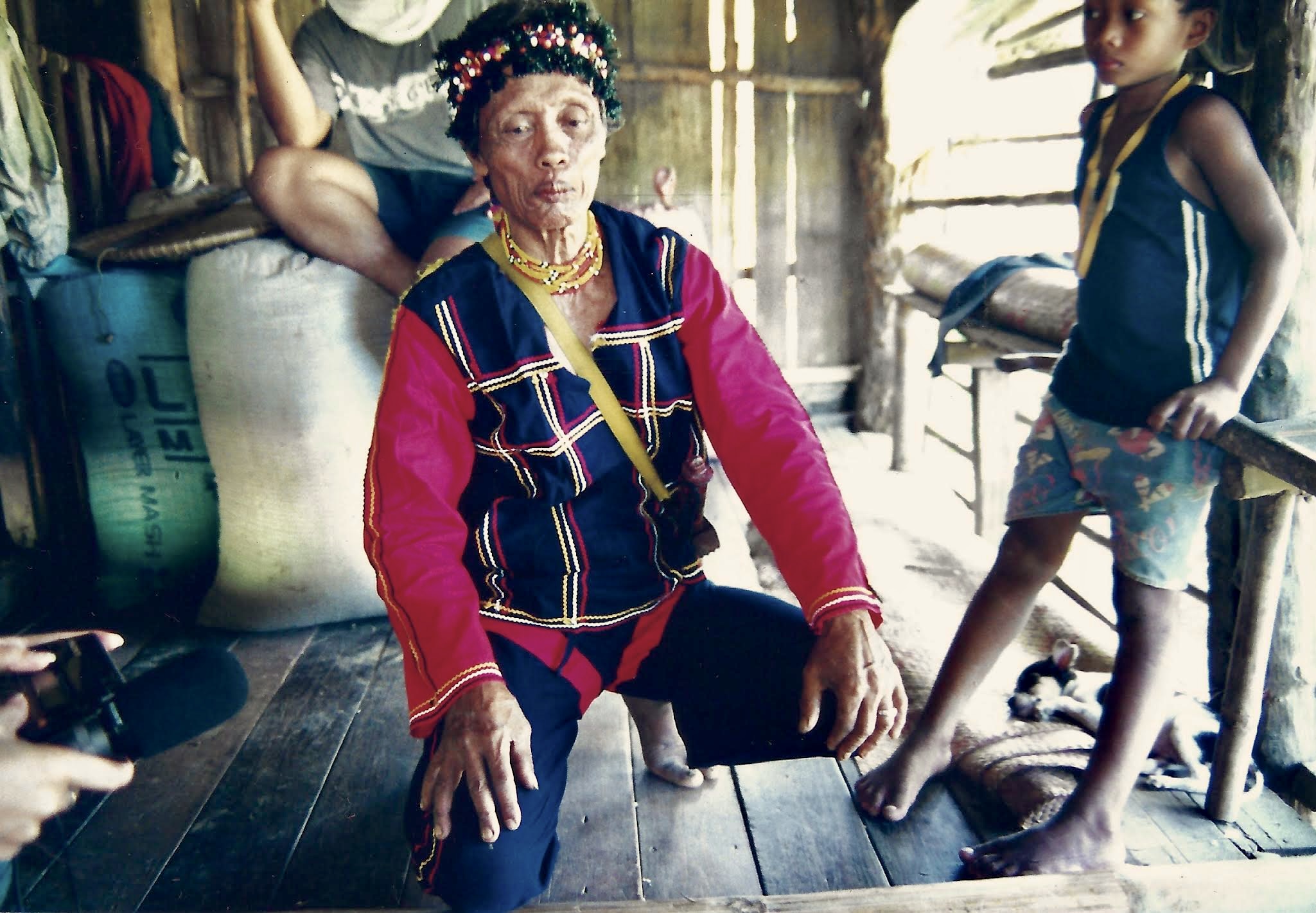
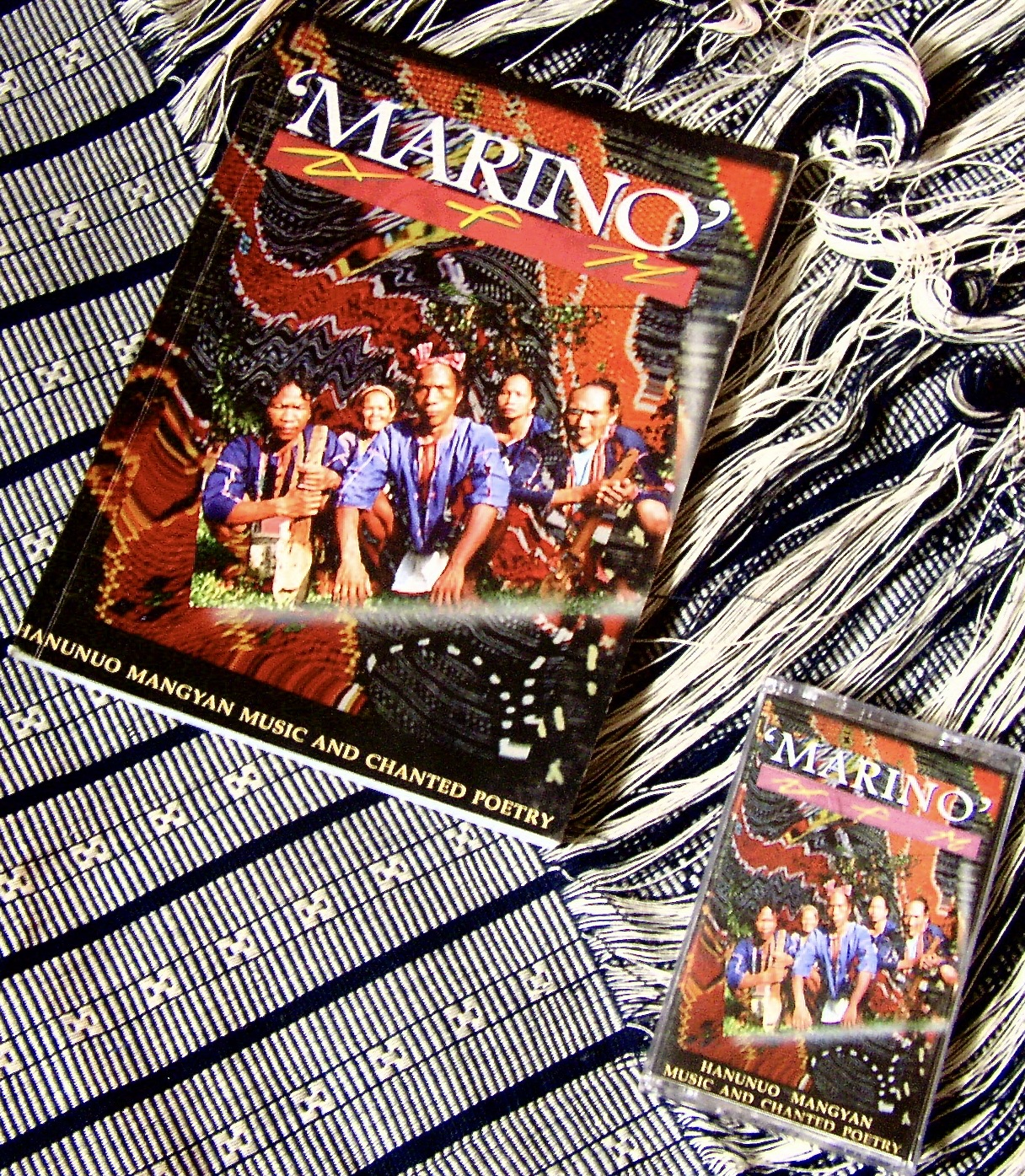
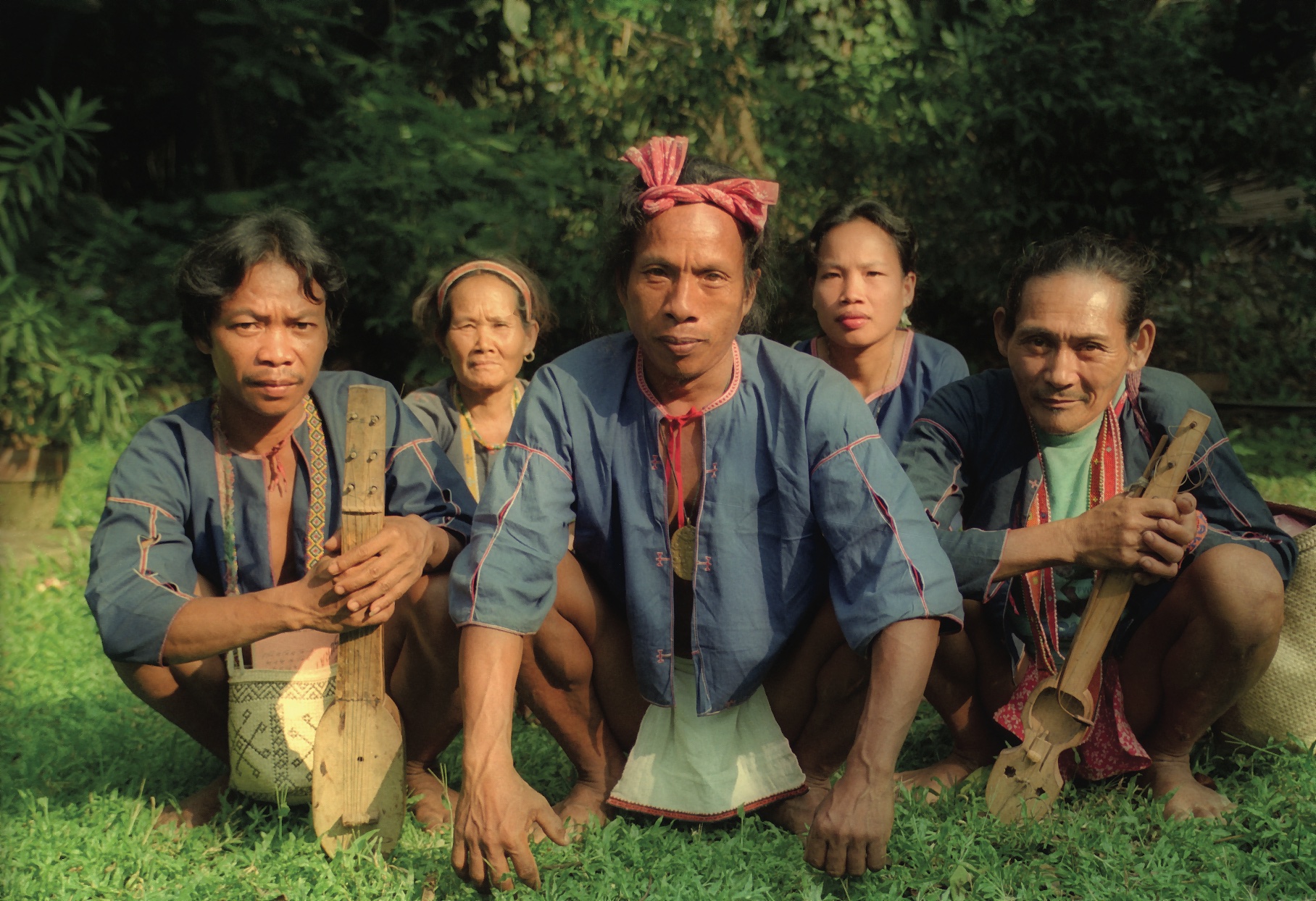
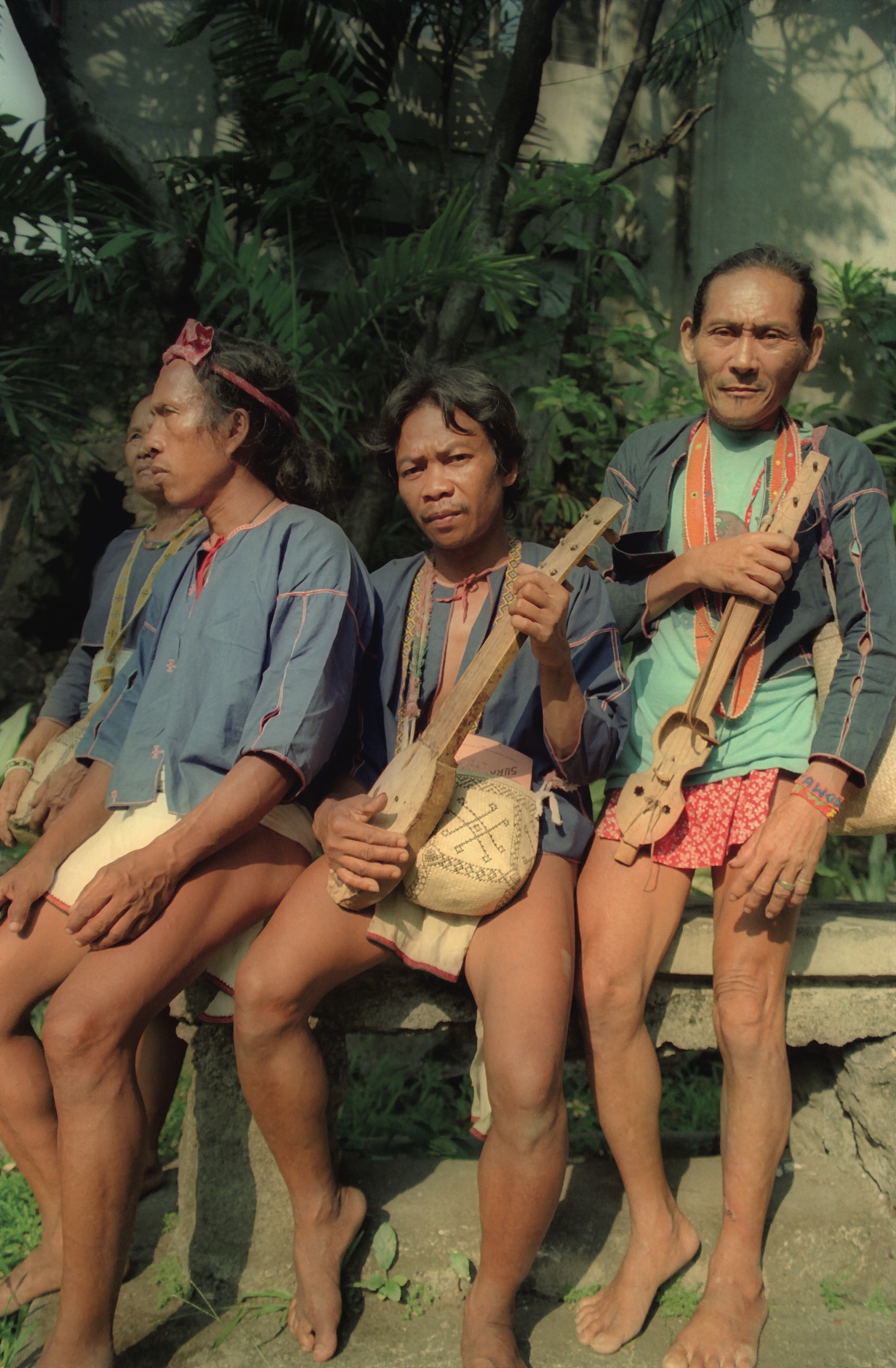
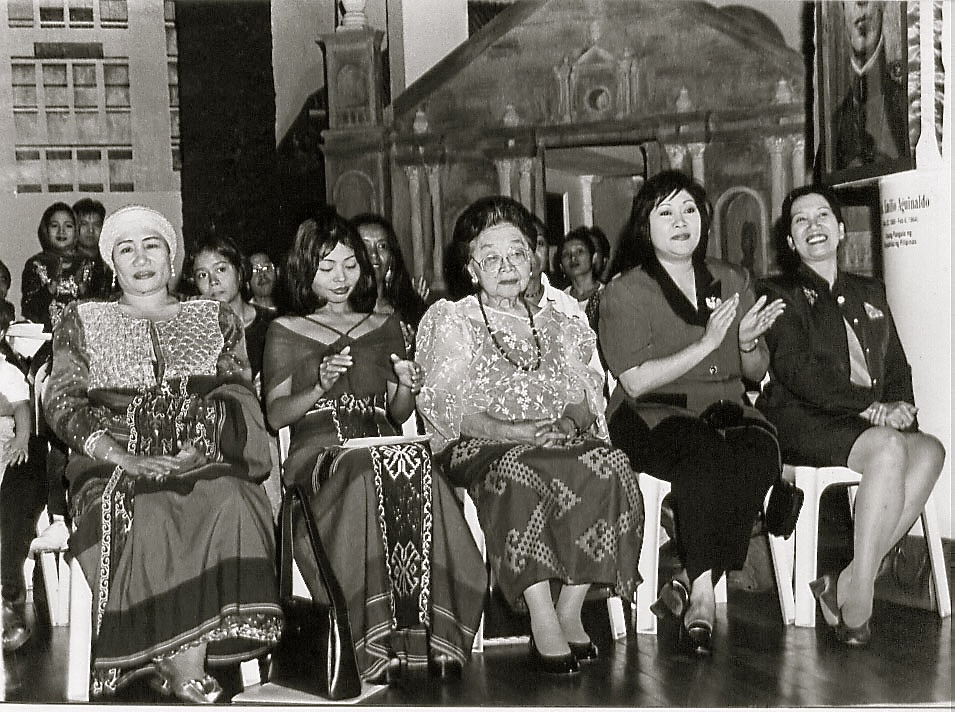
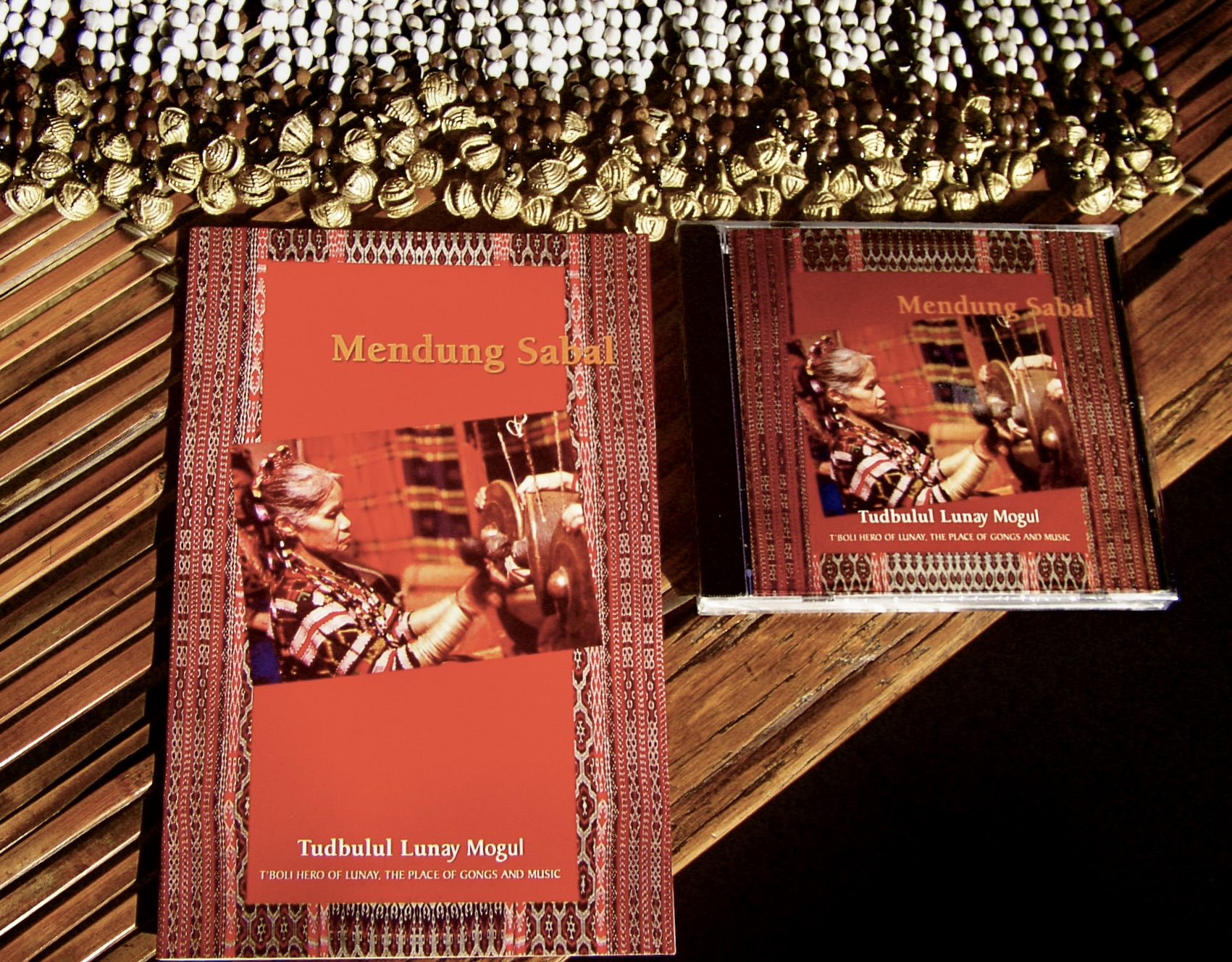
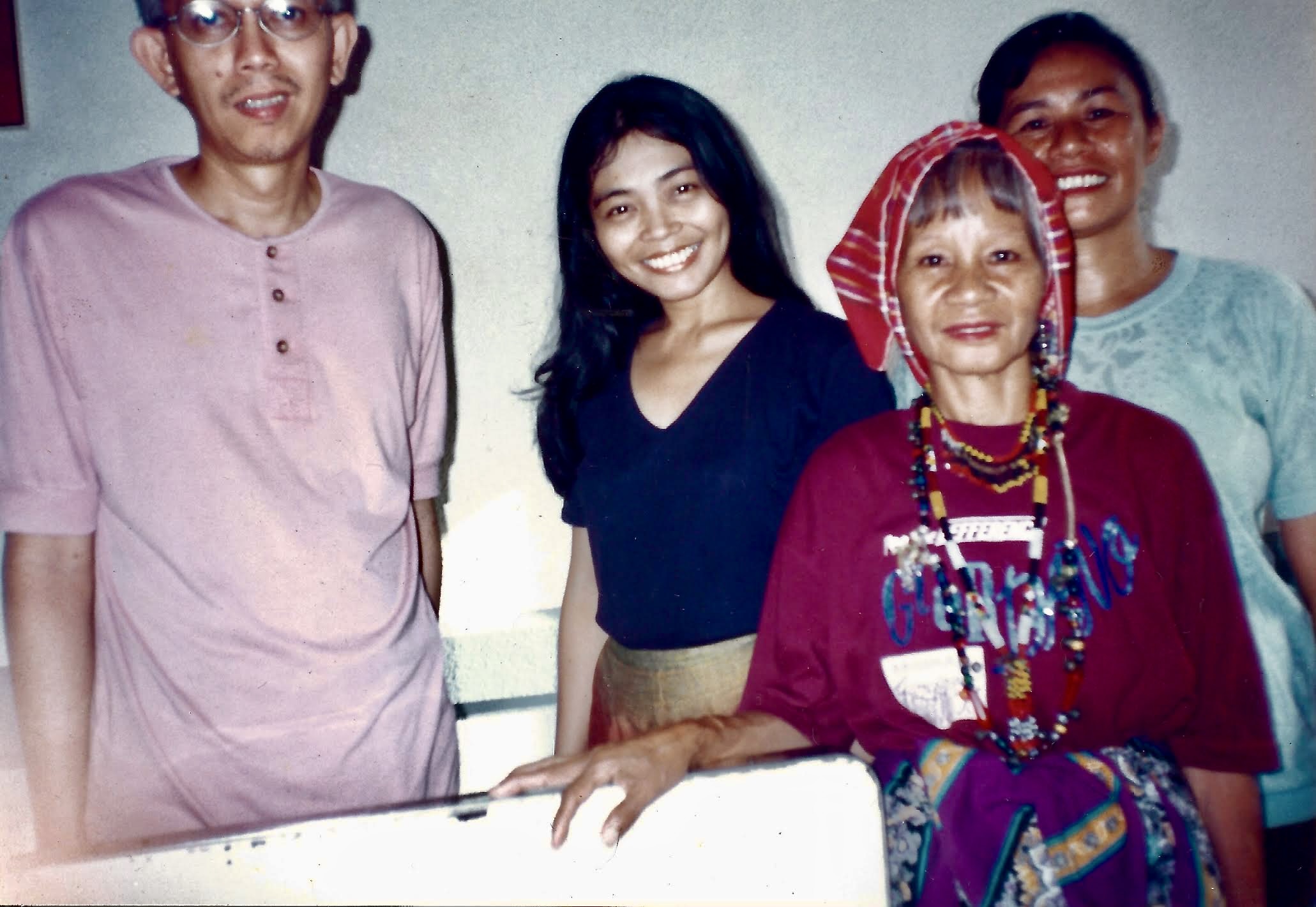
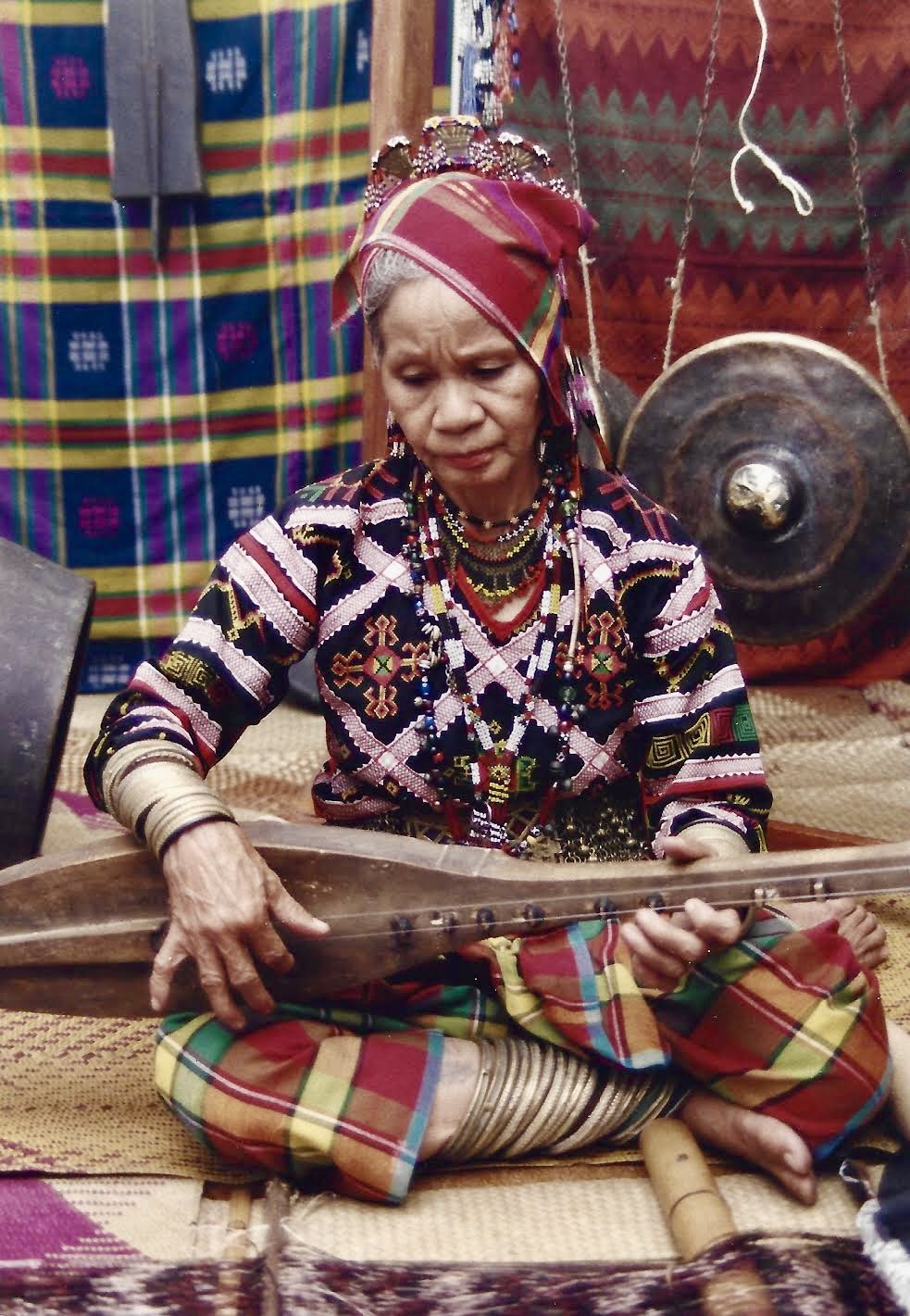
Between the years 1995 and 2002, at a time when Philippine teachers and students in public schools especially, had few, if any, materials to use to teach and learn Philippine traditional cultures and musics, the Tao Foundation published a number of audio recordings, some with monographs, of selected musical genres. The titles published were: 1) Maguindanao Kulintang featuring Aga Mayo Butocan (solo), 2) Pakaradiaan Maranao Epic Chants and Instrumental Music featuring Sindao Banisil (solo), 3) Marino Hanunuo Mangyan Chanted Poetry and Instrumental Music featuring Baryus Gawid, Ulyaw Bat-ang, et al. (various artists), 4) Kahimunan Agusan-Manobo/ Higaonon/ Banwaon Cultural Music featuring Datu Tomambaw Salvador Placido, Pastor Jose Havana, et al. (various artists), and 5) Tudbulul Lunay Mogul: T’boli hero of Lunay, the Place of Gongs and Music featuring T’boli cultural music featuring Mendung Sabal (solo). Part of the proceeds was used to support a small scholarship program for indigenous college students. This publication series ended in 2002 because the high costs of research, production, and printing could not be recouped. By 2023, rights to almost all of the titles have reverted back to the traditional artists for them to manage and use for indigenous education and other purposes in their respective communities.
Photos















Local and Indigenous Arts Preservation and Development
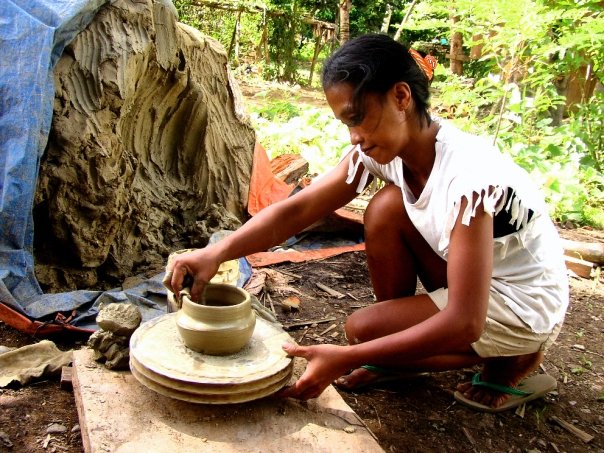
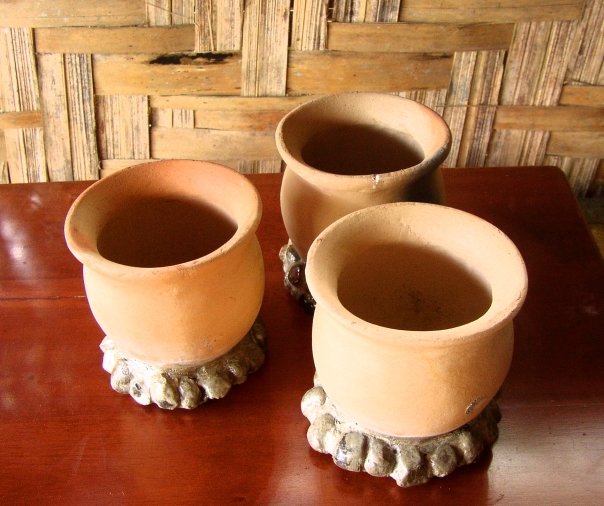
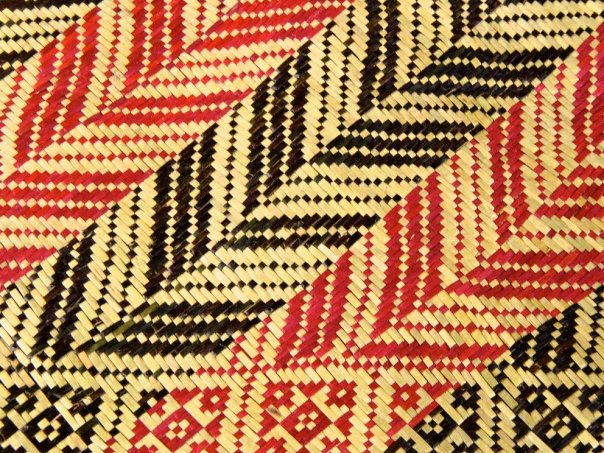
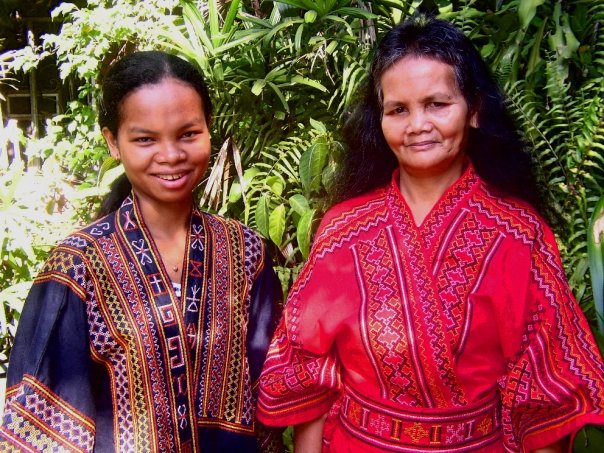
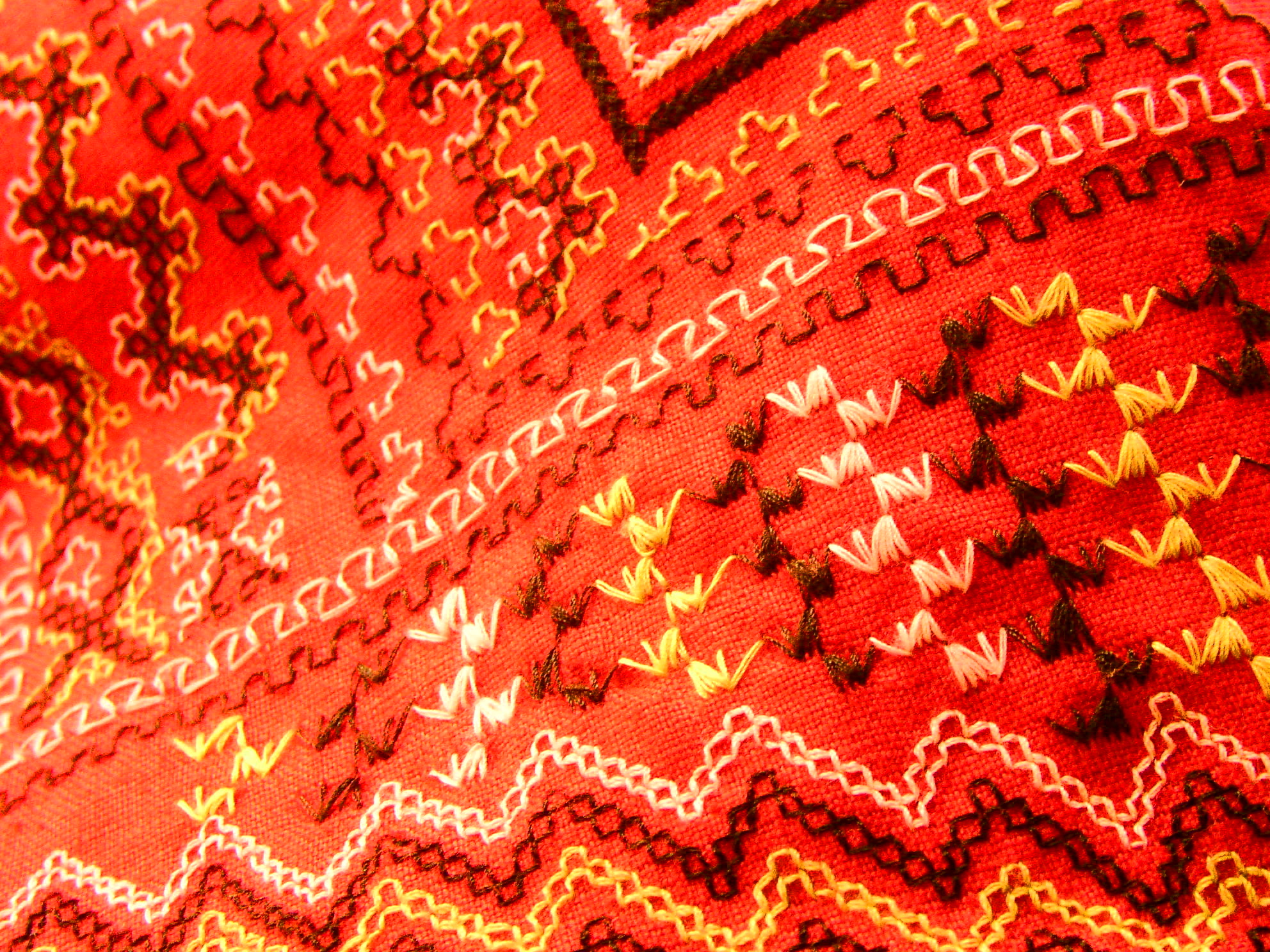
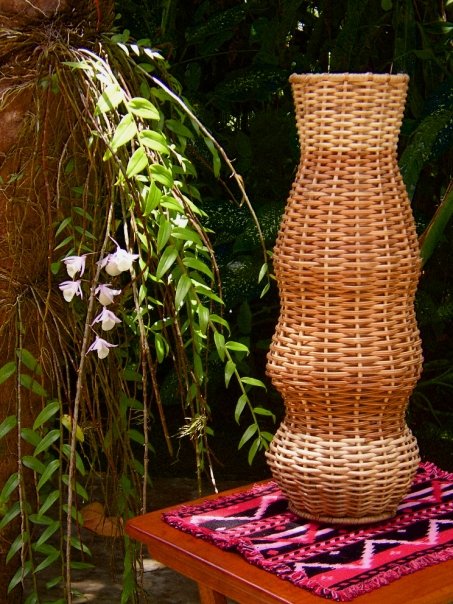
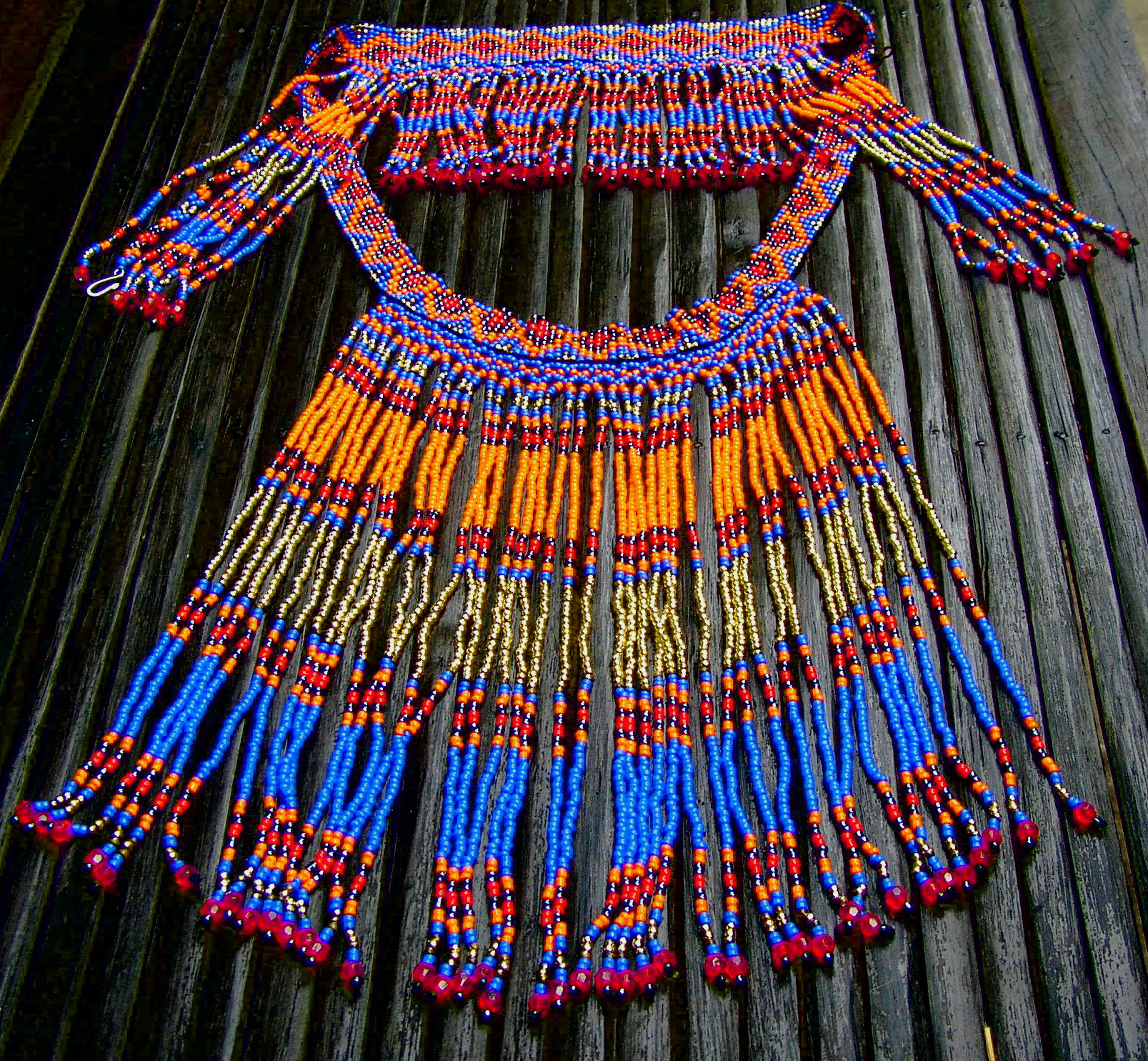
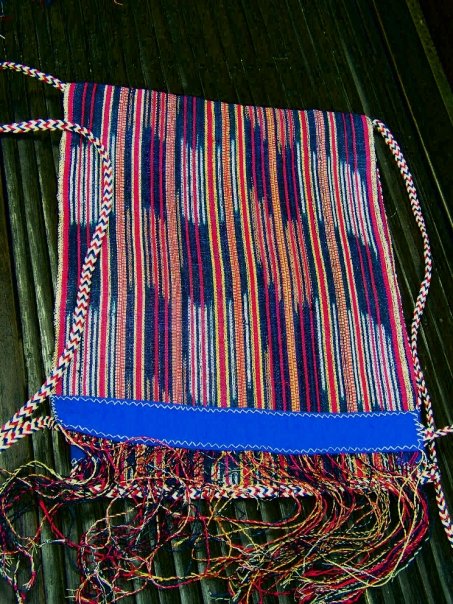
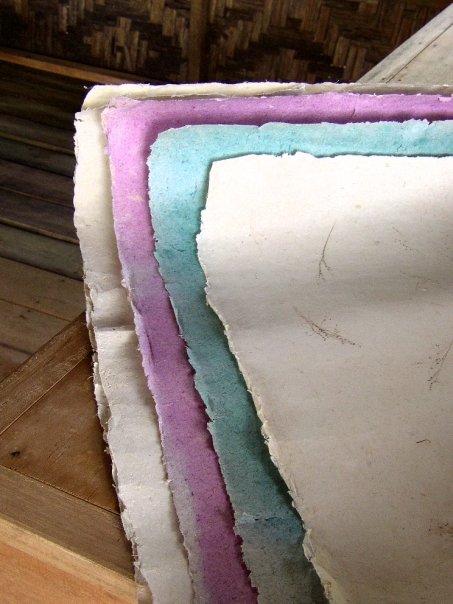
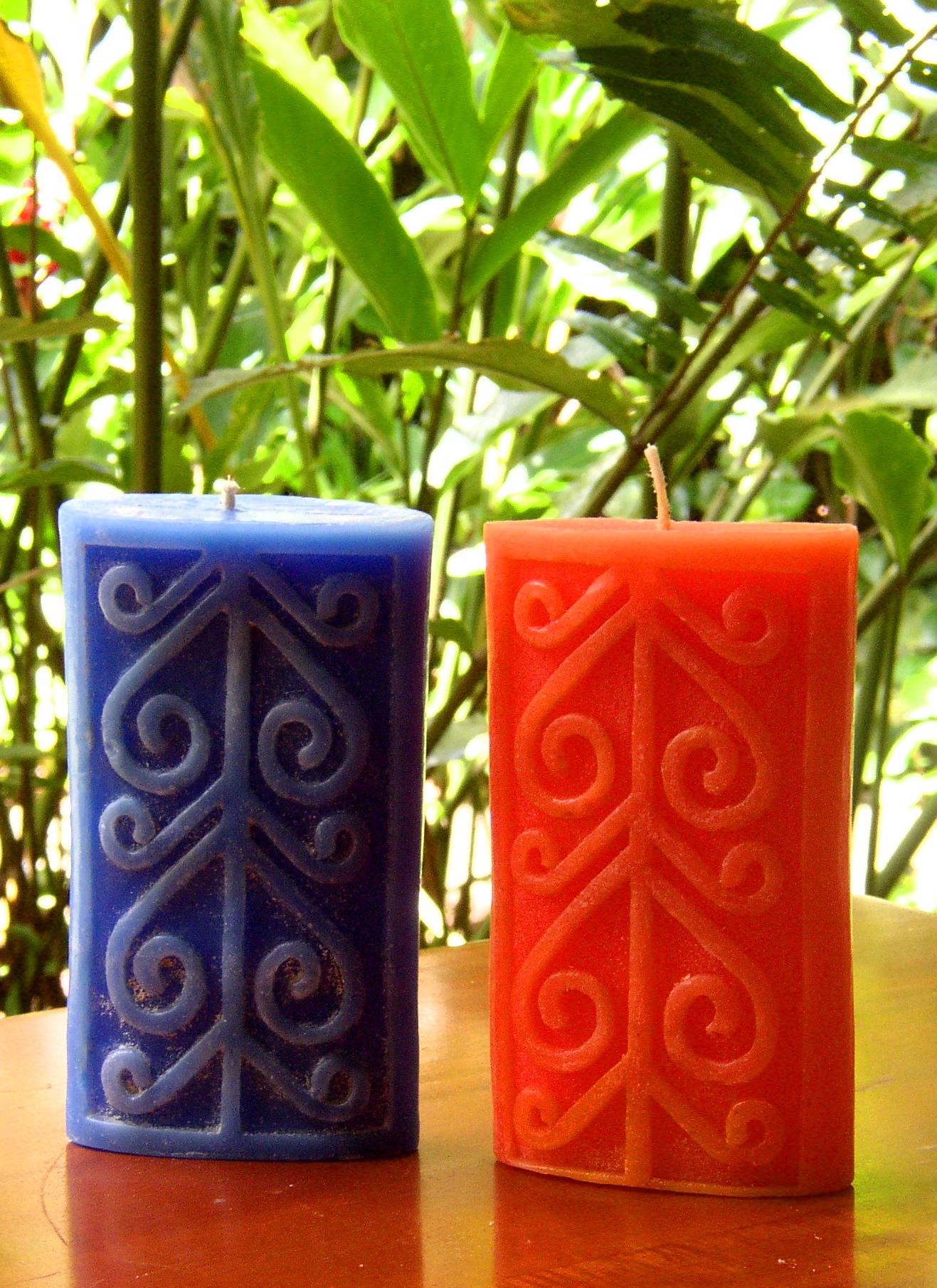
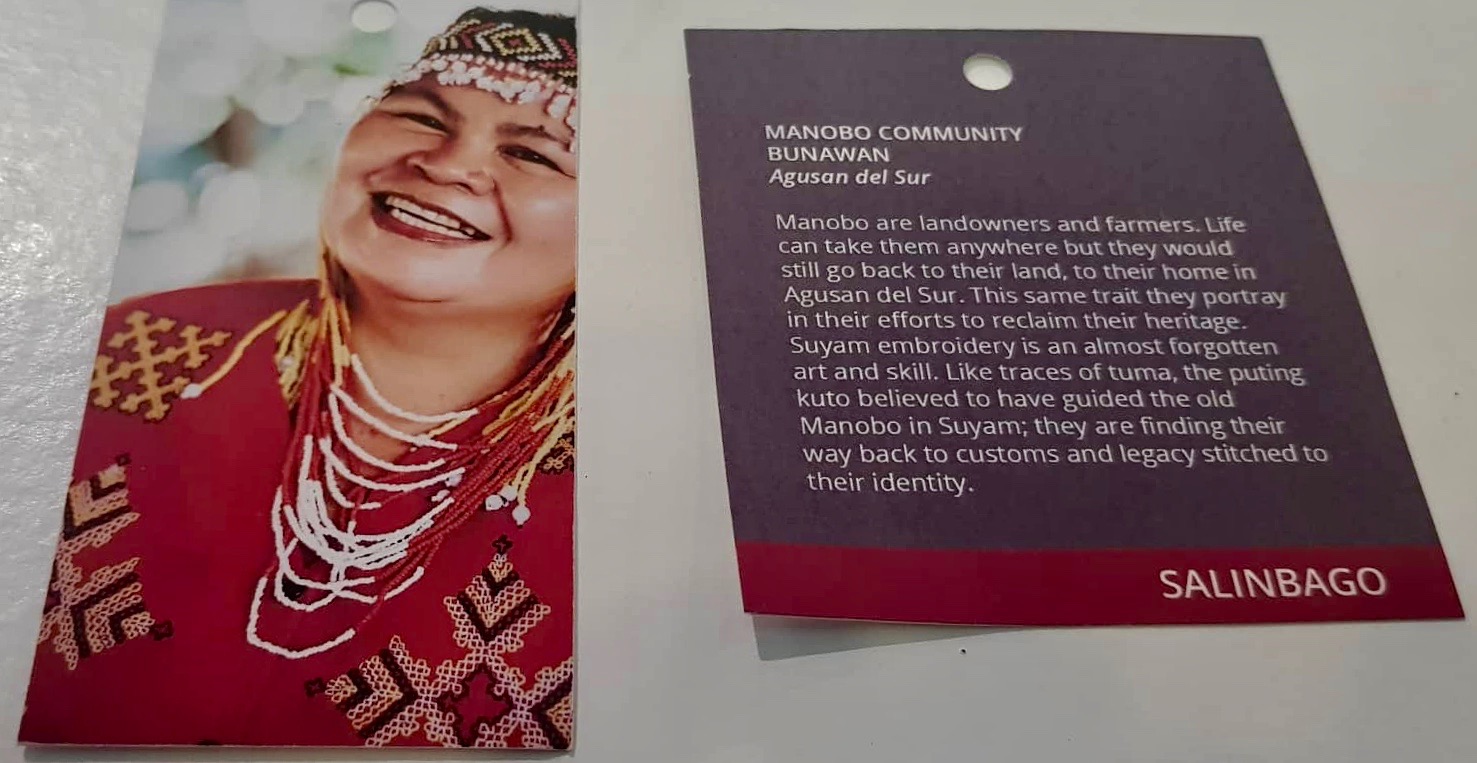
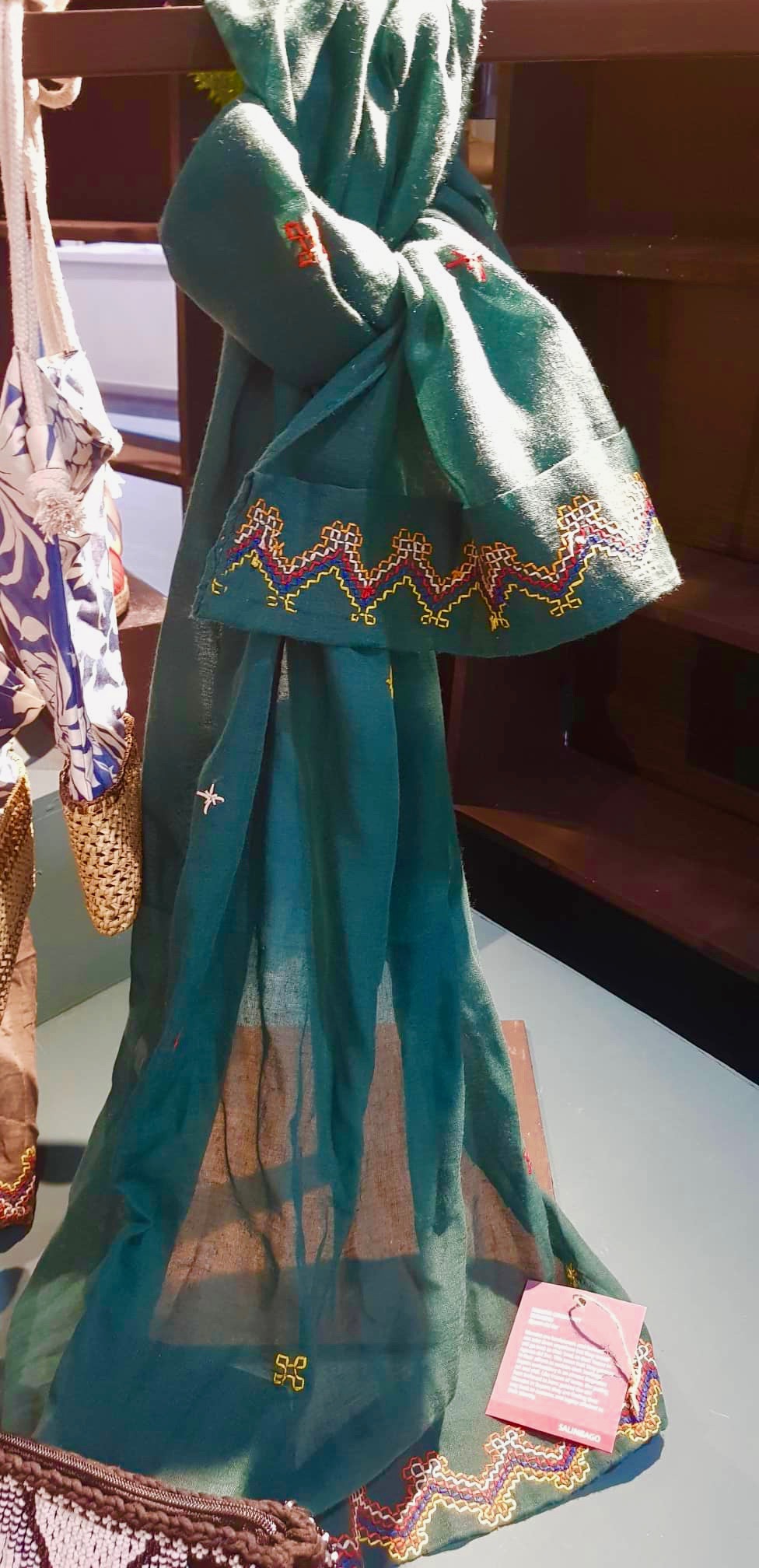
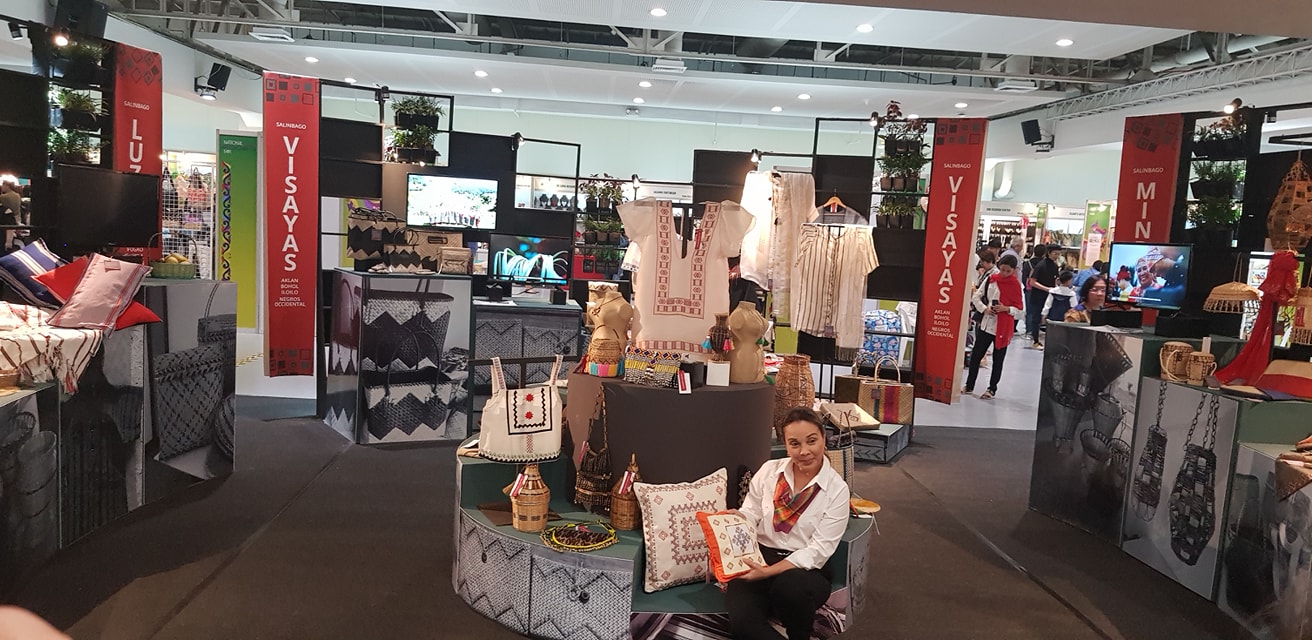
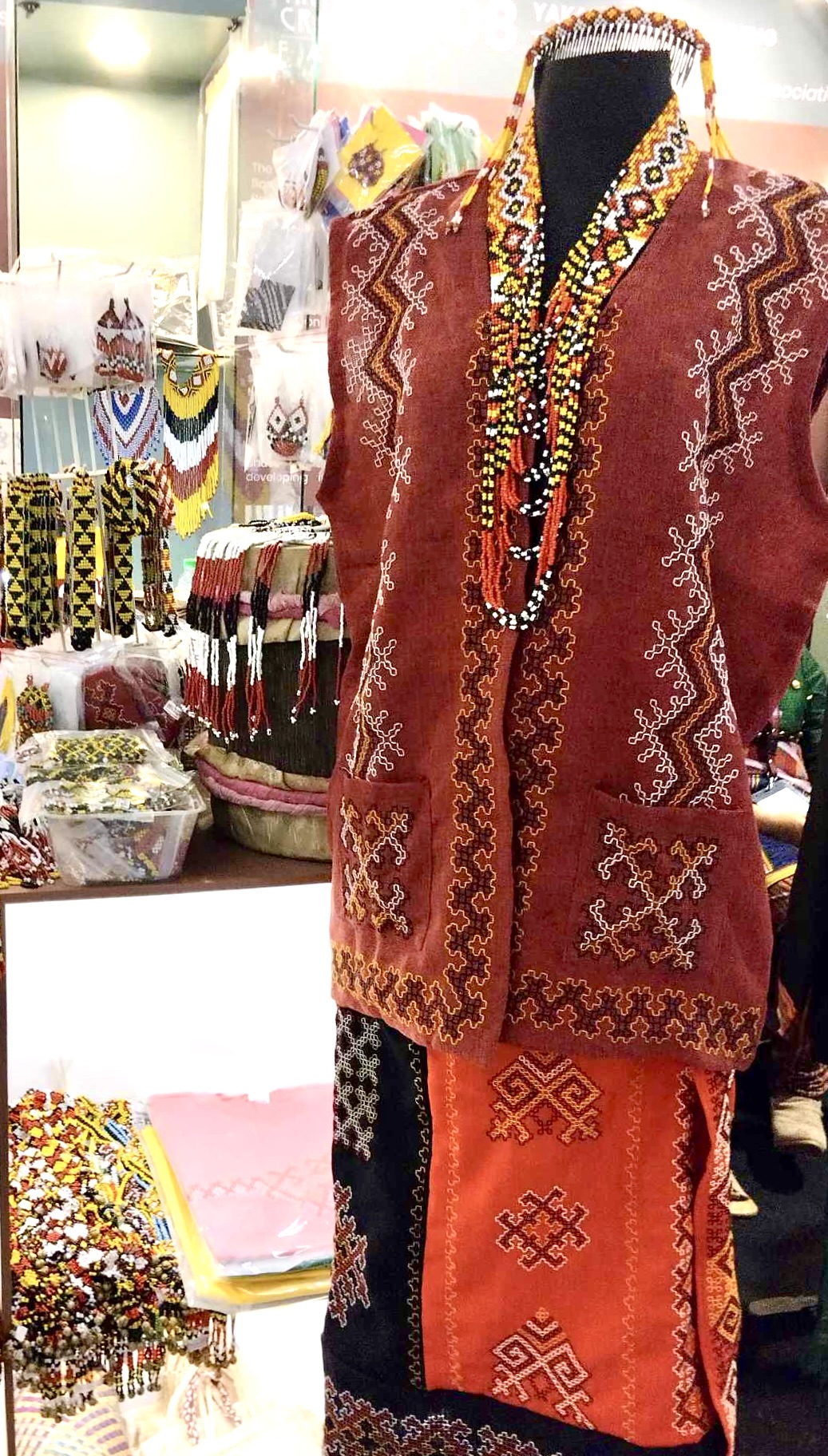
Between the years 2006 and 2007, the Tao Foundation in cooperation with the Advocates of Philippine Fair Trade, Inc., the Australian Community Assistance Program, the provincial government of Agusan del Sur, and UNESCO, facilitated the enhancement of the works of a number of traditional artisans in Agusan del Sur. These artisans received training in product development, business management, and sustainable resource utilization. Although this program is long finished, the Tao Foundation continues this advocacy by supporting the training of more artisans through the Agusanon-Manobo-School of Living Traditions, and by connecting Cultural Masters with agencies like the Department of Trade and Industry that may eb able to assist them.
Photos














Public Workshops
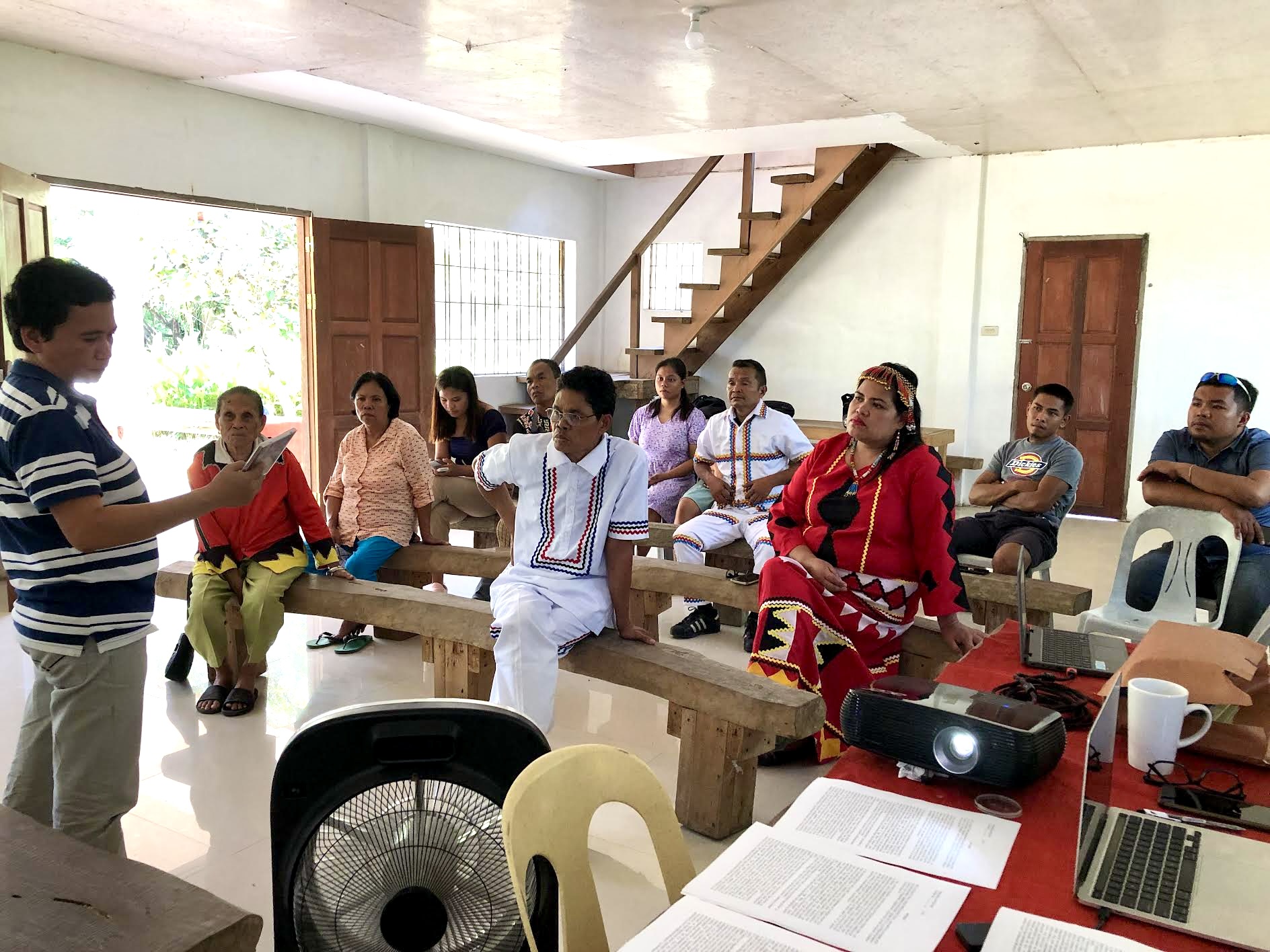
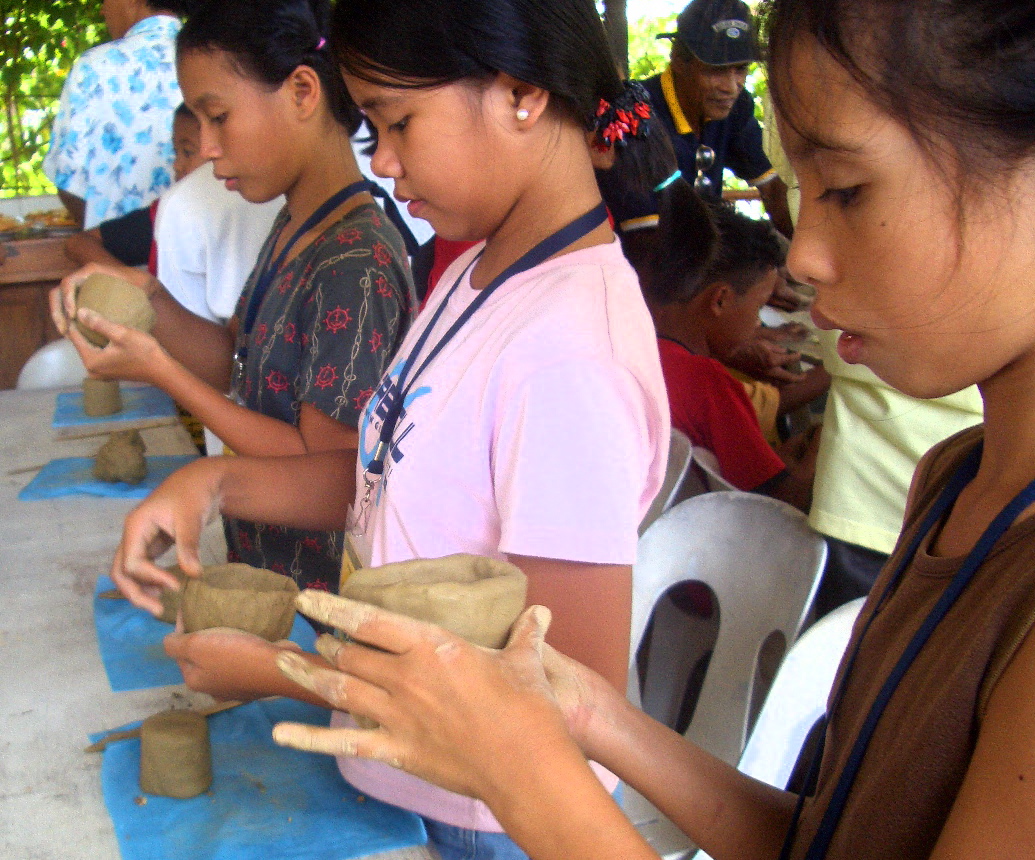
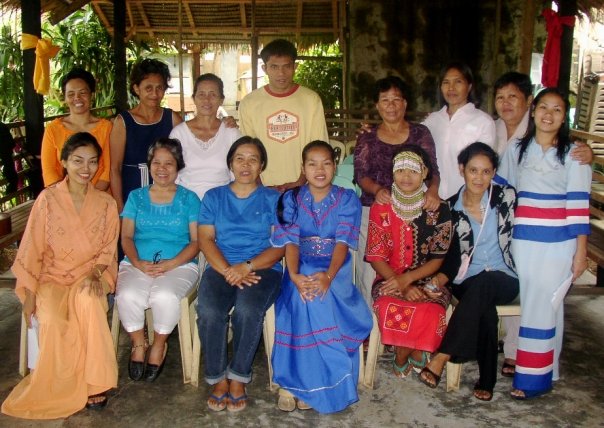
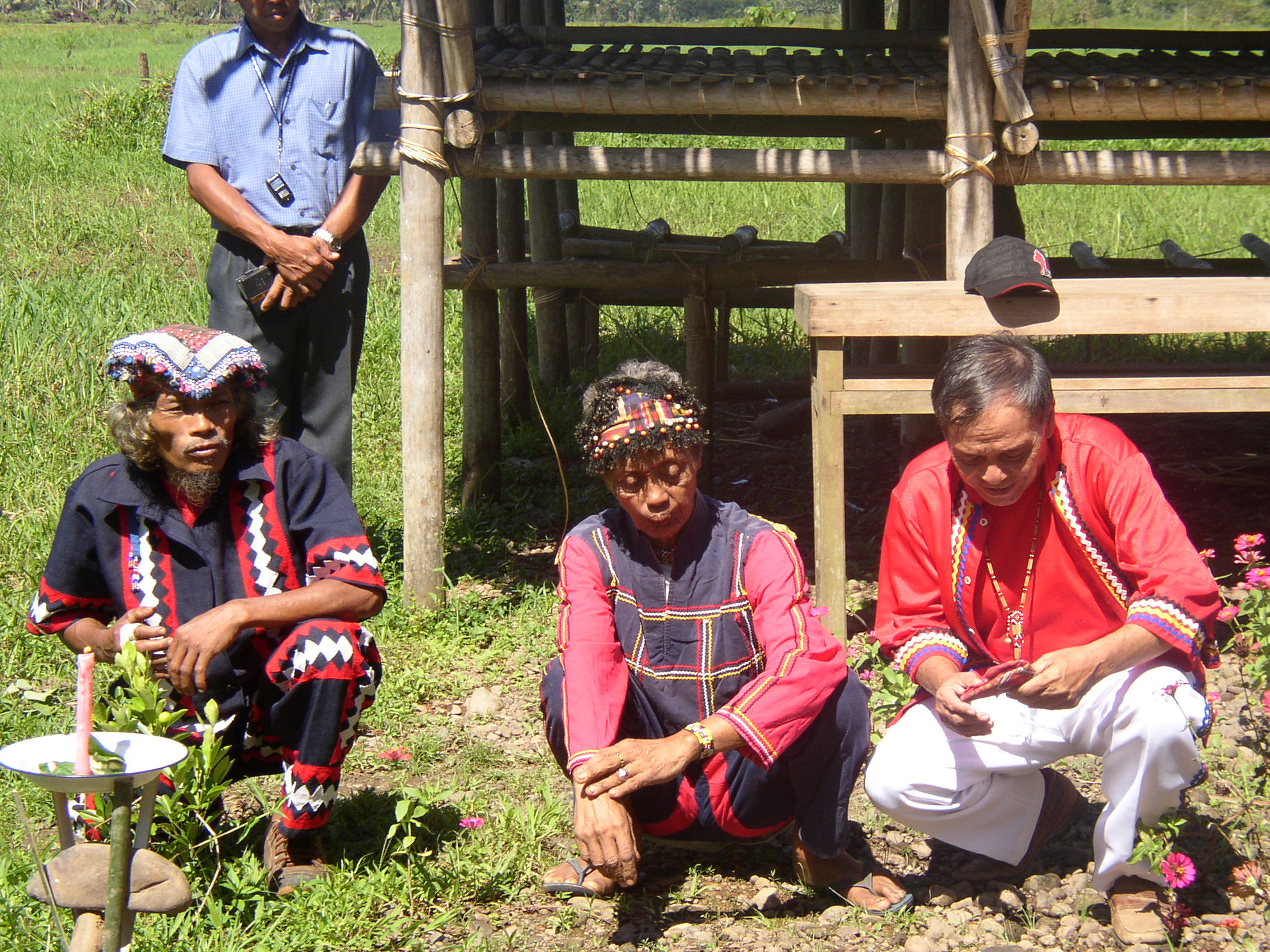
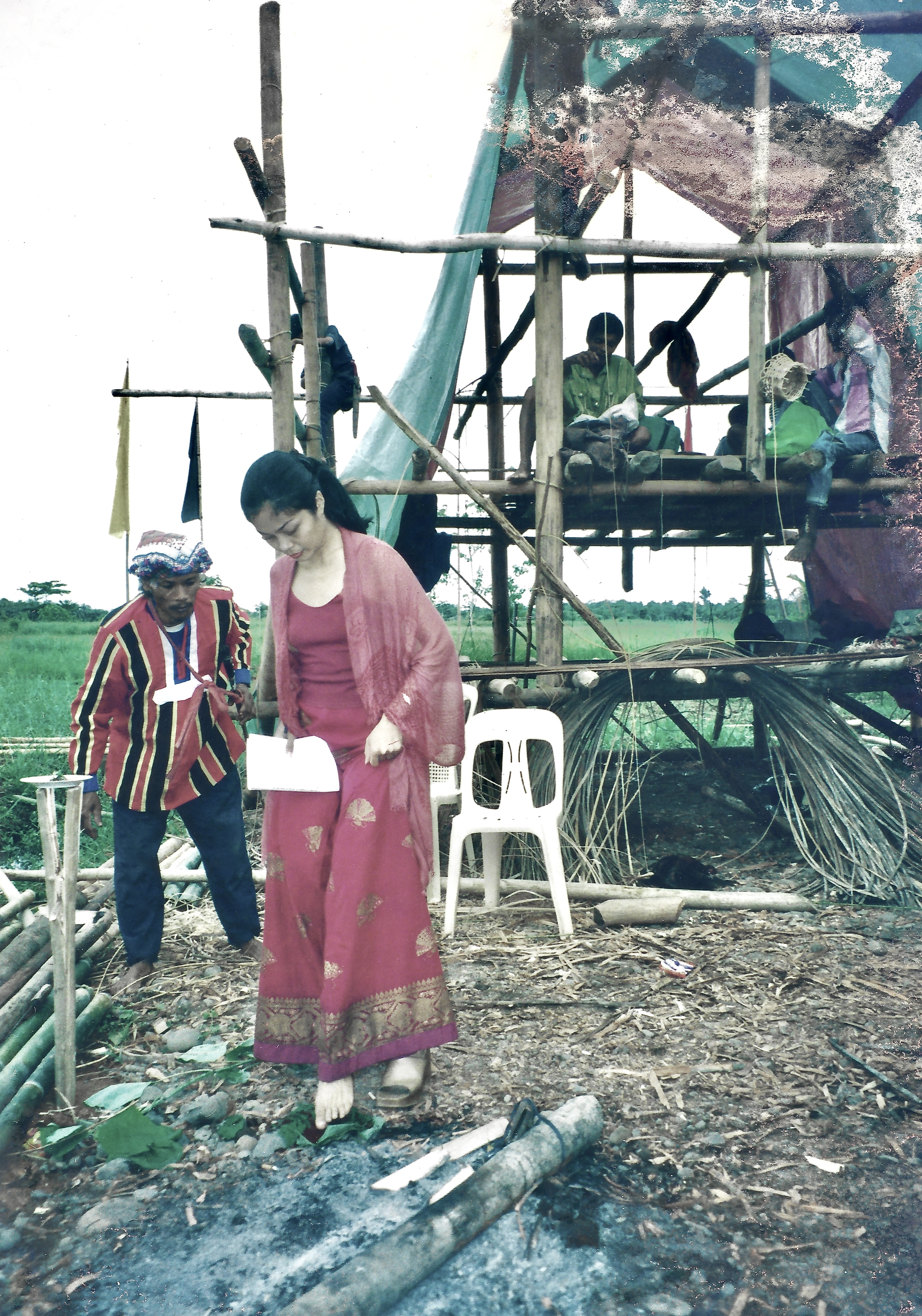
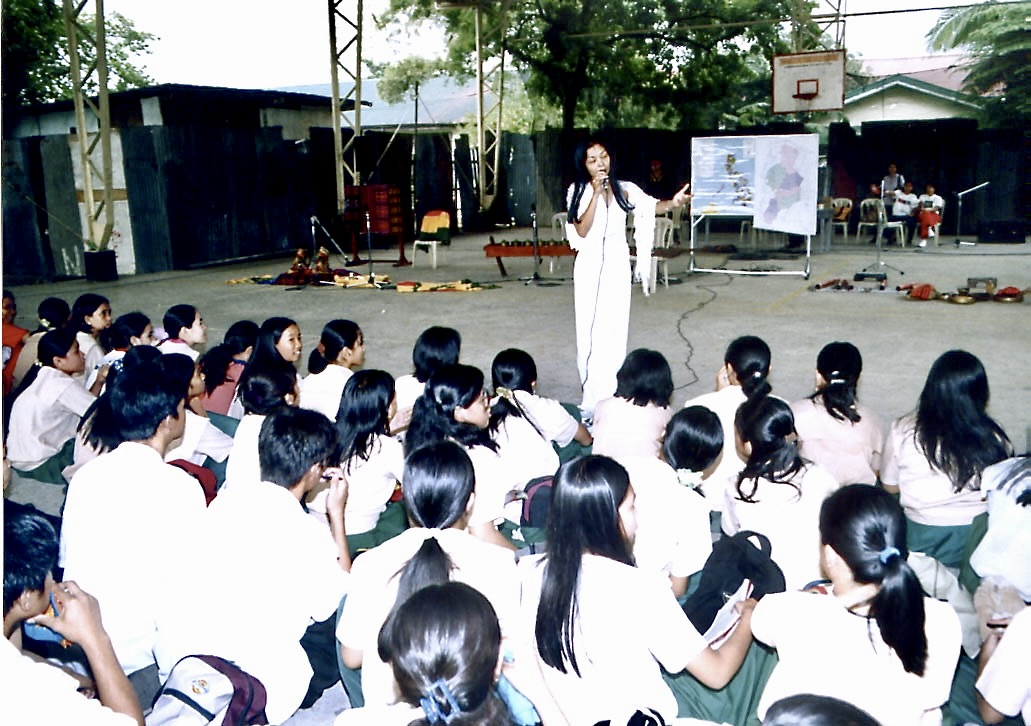
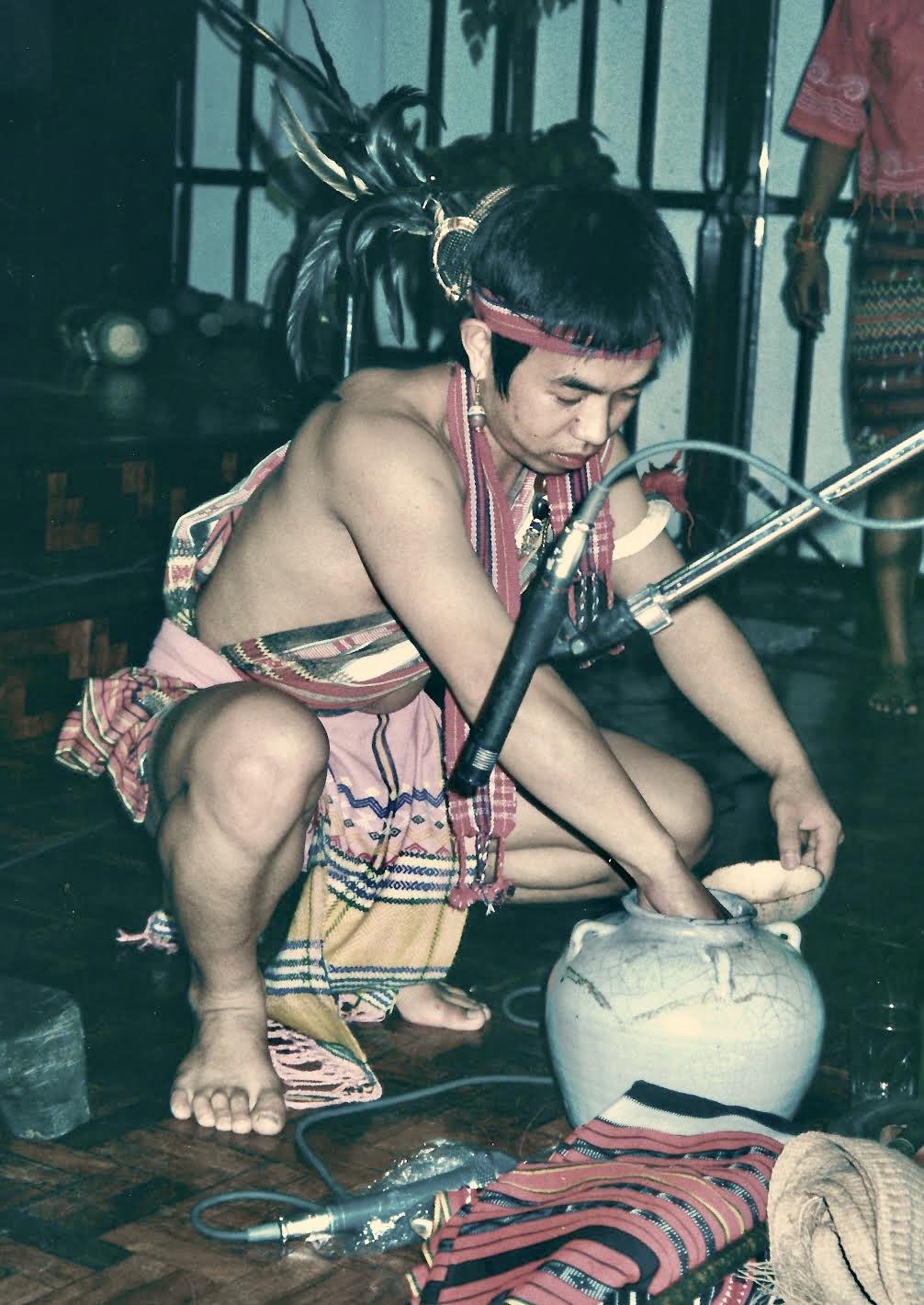
Between the years 2003 and 2008, the Tao Foundation mounted numerous educational workshops on traditional performing arts, arts and crafts, holistic health, and intercultural/interfaith dialogue. These were held at the National Museum, Museo Pambata, British Council-Manila, fifteen public schools in Metro Manila, Rizal, and Laguna, thirteen barangays and municipalities in Agusan del Sur, and in Balay Agusan, the Tao Foundation’s center in Mindanao. These activities came about in partnership with local organizations and communities, the families and friends of Tao Foundation officers, the Toyota Foundation, the Cultural Center of the Philippines, the National Commission for Culture and Arts, UNICEF, and other institutions.
UNICEF and Cultural Center of the Philippines, 2007




Healing Arts Training, 2007


Balay Agusan Festival, 2005


Sining Salubungan, 2004



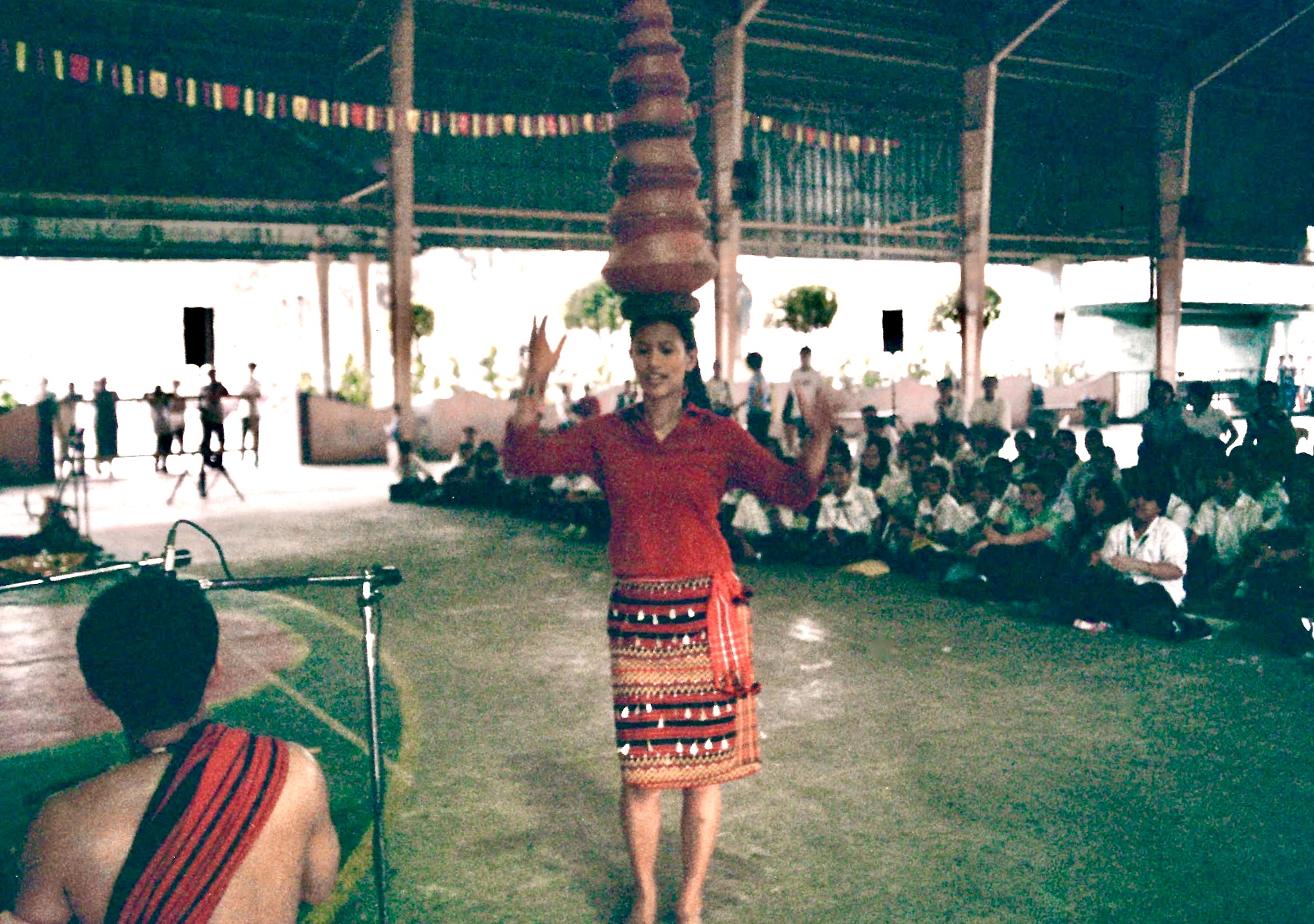
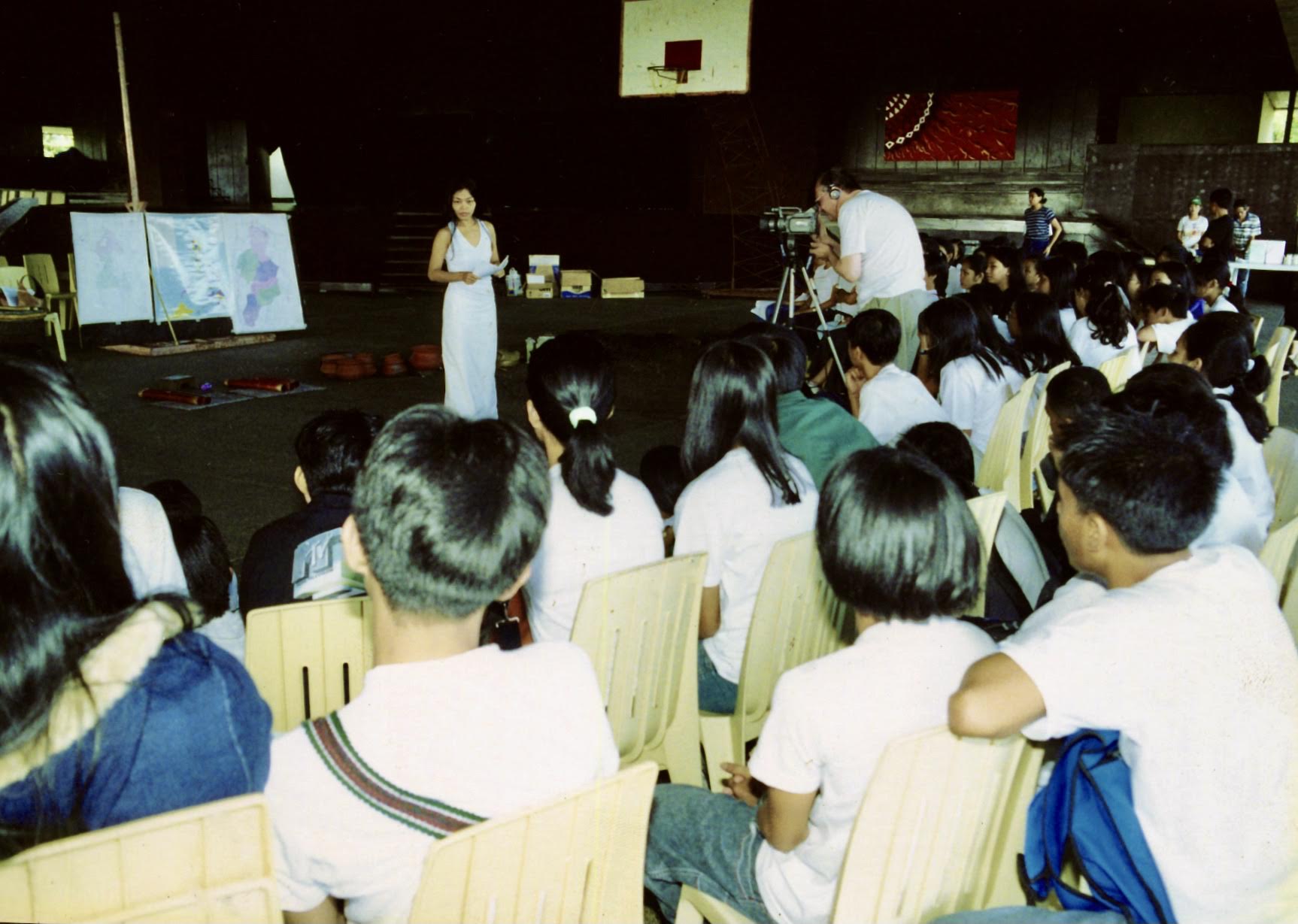

Agusan Tour, 2003


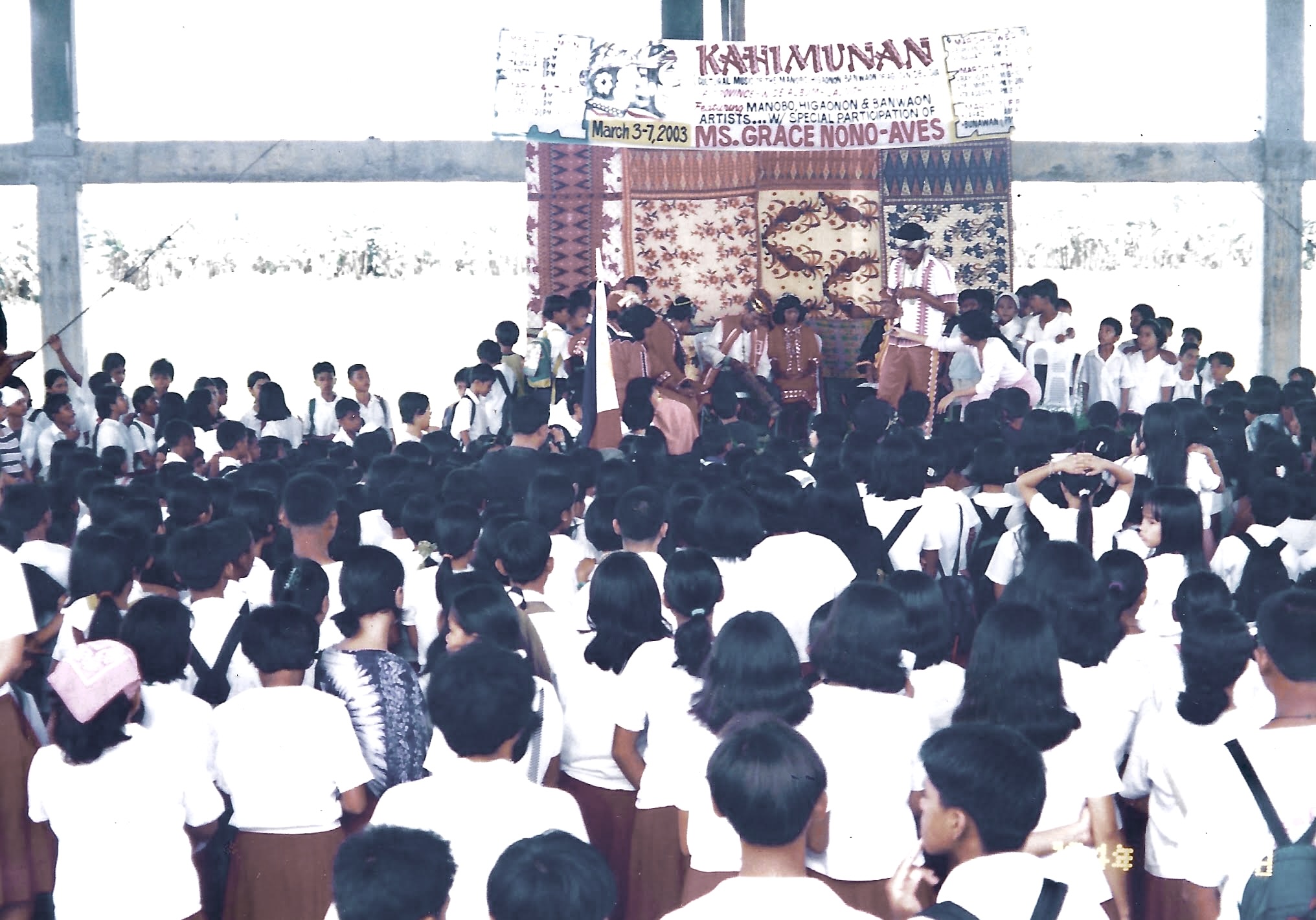
National Museum, 2002


Museo Pambata, 2002


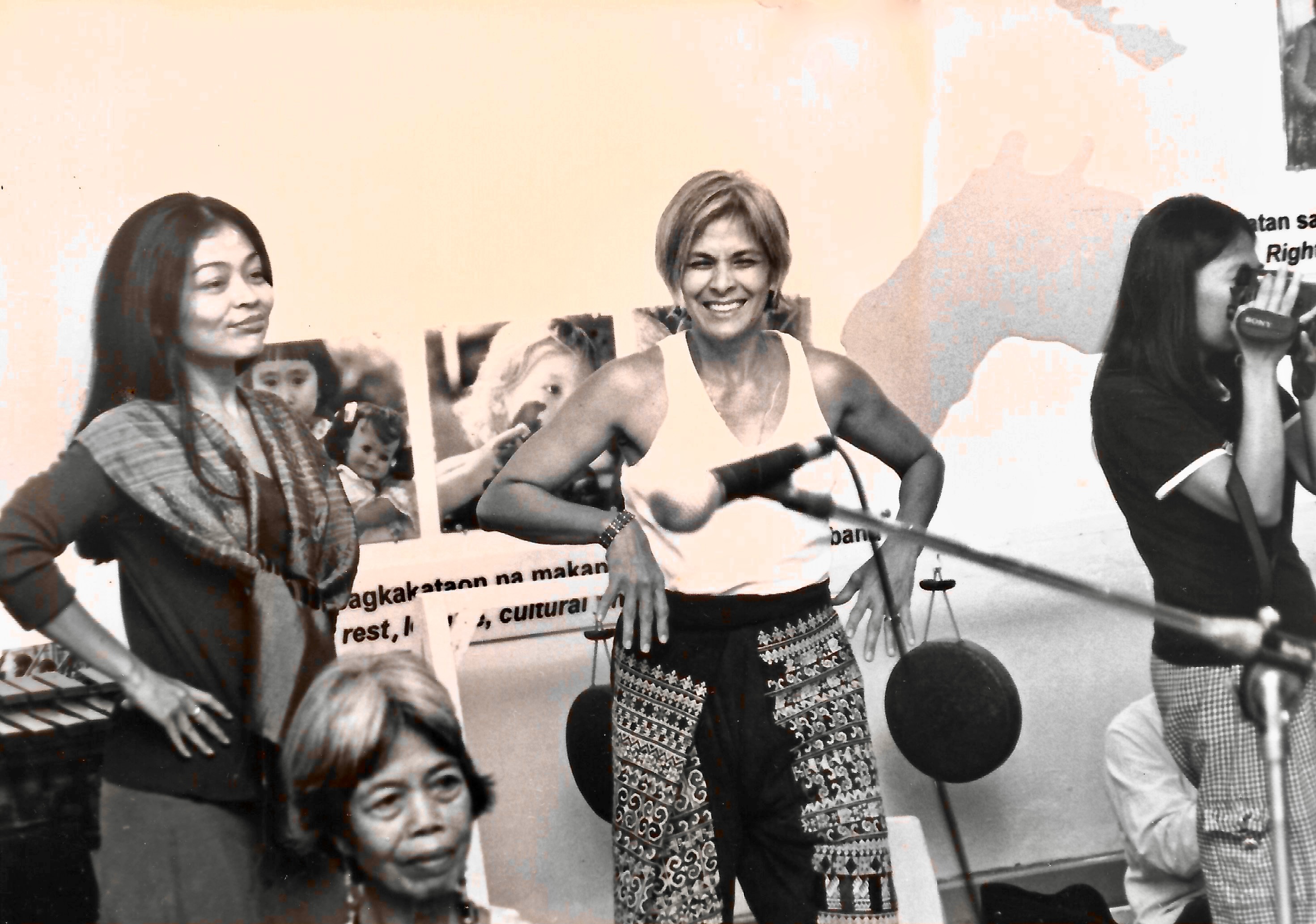

British Council, 2002


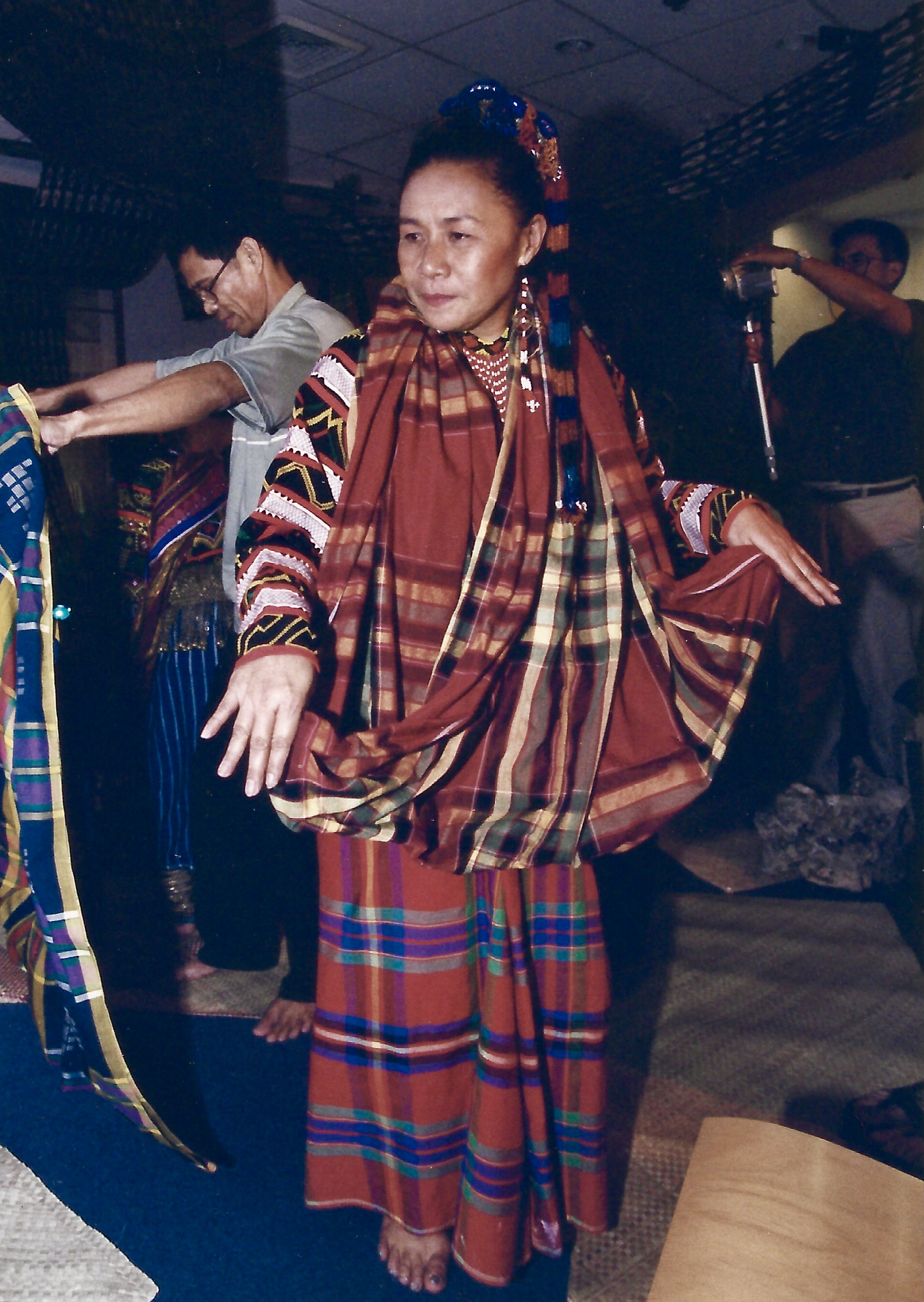


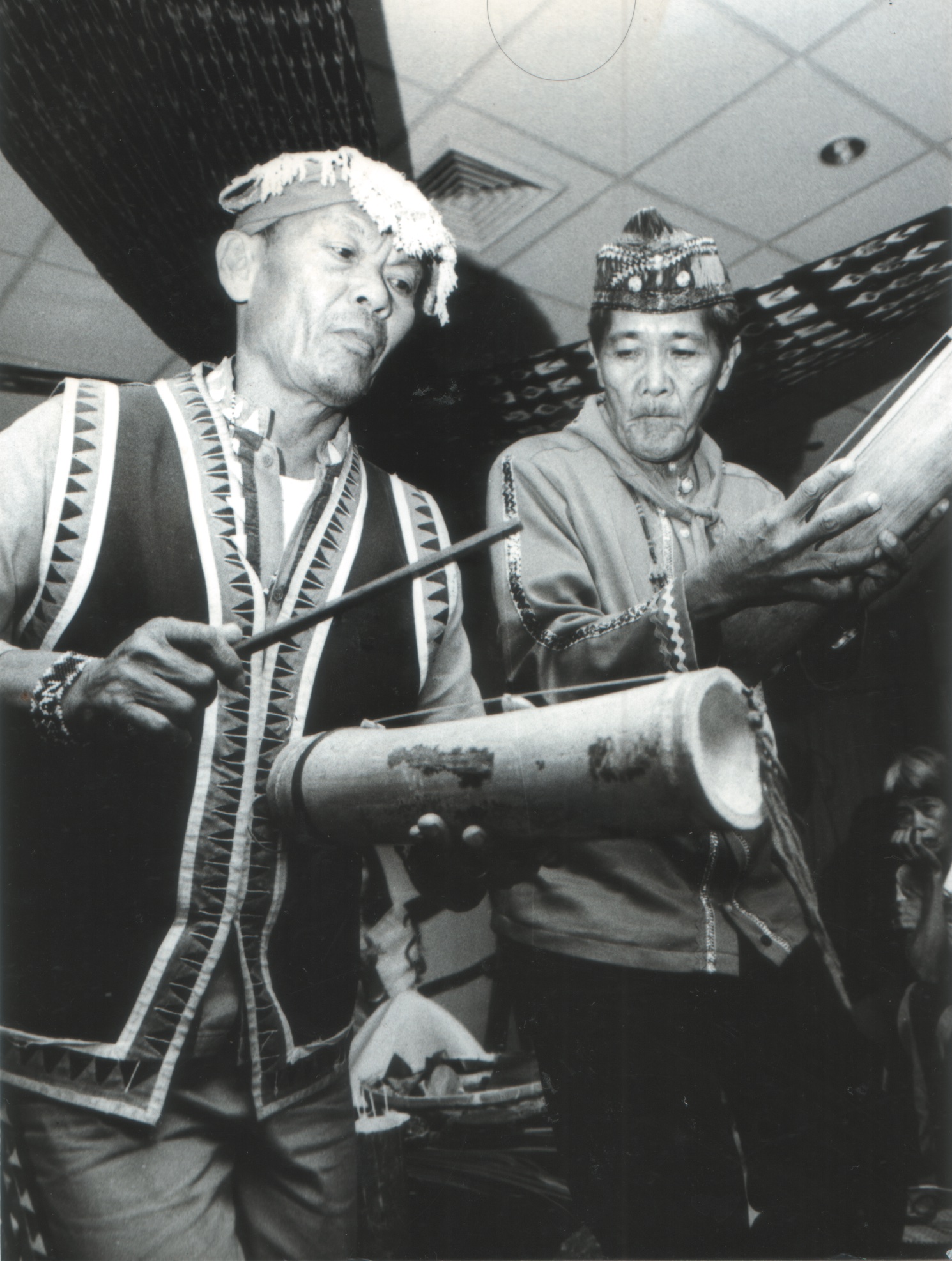
Community of Learners Foundation, 1998


Scholarships for Indigenous Students
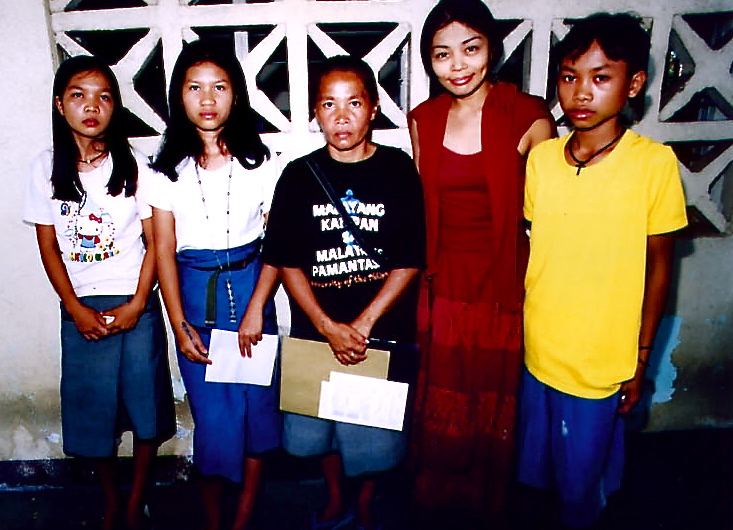
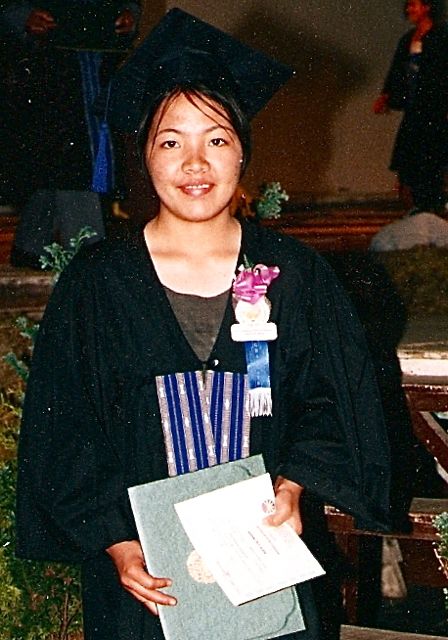
In the early 2000s, and again in 2021 during the pandemic, the Tao Foundation gave a number of scholarships to mostly female college, high school, and elementary students from different ethnolinguistic communities.
Photos



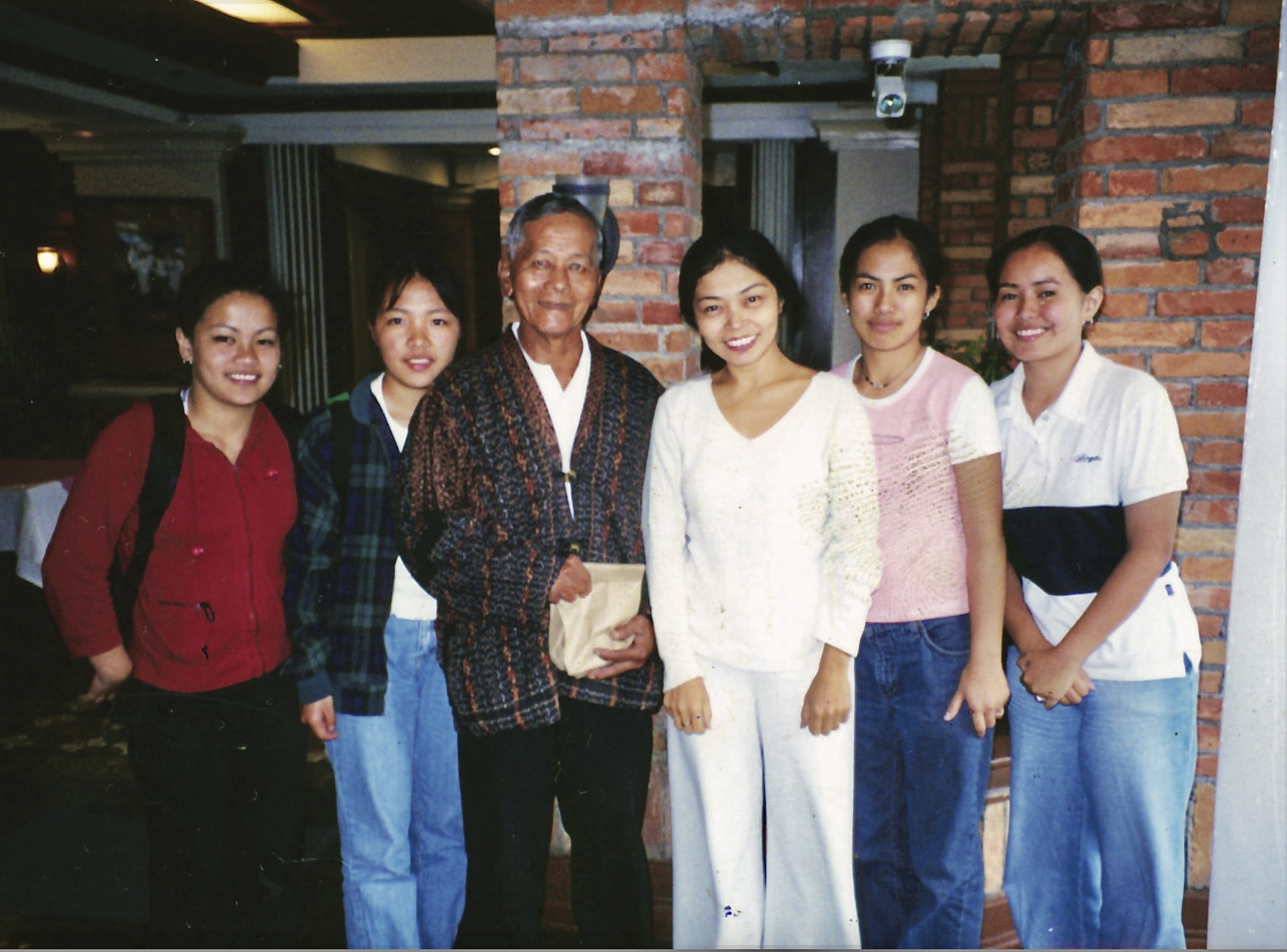
 Grace Nono